
Zechariah the Sickle-Seer
Zechariah the Sickle-Seer was a prophet in the Hebrew Bible, traditionally credited with authorship of the Book of Zechariah. His prophetic career likely began in 520 BCE during the reign of Darius the Great, with a primary concern for the rebuilding of the Second Temple. He is commemorated liturgically by various Christian traditions.
Key Facts
- ›Zechariah the Sickle-Seer is traditionally considered the author of the Book of Zechariah, the eleventh of the twelve Minor Prophets.
- ›Biblical accounts identify him as the son of Berechiah and grandson of Iddo, a Levitical priest.
- ›His prophetic career likely commenced in the second regnal year of Darius the Great (520 BCE).
- ›His main concern as a prophet was the rebuilding of the Second Temple.
- ›He is featured in chapters 1-8 of the Book of Zechariah.
- ›His name means "Yah remembers".
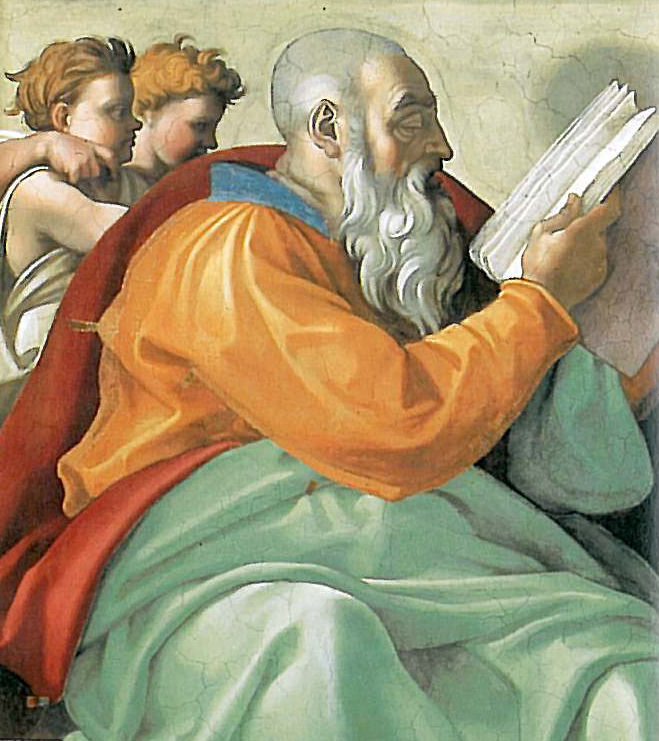
Zechariah, son of Berechiah, Zechariah, son of Iddo
About Zechariah the Sickle-Seer
Zechariah the Sickle-Seer was a prophet in the Hebrew Bible, traditionally recognized as the author of the Book of Zechariah, the eleventh book among the Twelve Minor Prophets. His name, meaning "Yah remembers," reflects themes of divine providence and covenant central to his message.
Life and Prophetic Ministry
Biblical accounts, such as Zechariah 1:1, identify him as the son of Berechiah and the grandson of Iddo. The Book of Nehemiah further describes him as a Levitical priest. While some texts refer to him simply as the son of Iddo, scholarly consensus suggests Berechiah was his father and Iddo his grandfather, a common biblical usage of lineage. This Iddo is distinct from an earlier figure known as Iddo the Seer, who lived during the reigns of Solomon, Rehoboam, and Abijah; the Iddo associated with Zechariah is identified in Nehemiah 12:4, 16 as a priest who returned from the Babylonian Exile with Zerubbabel and Joshua.
Zechariah's prophetic career is believed to have commenced around 520 BCE, during the second regnal year of Darius the Great, king of the Achaemenid Empire. His most significant concern as a prophet was the rebuilding of the Second Temple in Jerusalem. His prophecies are featured prominently in the first eight chapters of the Book of Zechariah, though he does not appear in the final chapters (9–14).
Liturgical Commemoration
Zechariah the Sickle-Seer is honored liturgically by several Christian denominations. The Eastern Orthodox Church commemorates him on February 8. The Armenian Apostolic Church observes his feast day on the Tuesday after the fifth Sunday of Pentecost, and also on July 31 with the other Minor Prophets. The Catholic Church assigns his feast day to September 6.
Legacy
Zechariah the Sickle-Seer's enduring legacy is primarily found in his prophetic writings, which have profoundly influenced Jewish and Christian theology and eschatology. His passionate advocacy for the reconstruction of the Temple and his visions of a restored Jerusalem continue to be subjects of study and devotion.
Source: Wikipedia ↗
Frequently Asked Questions
Who was Zechariah the Sickle-Seer?
Zechariah the Sickle-Seer was a prophet in the Hebrew Bible, traditionally identified as the author of the Book of Zechariah, the eleventh of the Twelve Minor Prophets. His prophetic career is believed to have begun around 520 BCE.
What was Zechariah the Sickle-Seer's main concern?
Zechariah the Sickle-Seer's greatest concern as a prophet appears to have been the rebuilding of the Second Temple in Jerusalem. His prophecies often relate to this significant undertaking.
What is the meaning of Zechariah's name?
The name Zechariah means "Yah remembers." This meaning is consistent with the themes of divine remembrance and covenant found in his prophetic writings.
When did Zechariah the Sickle-Seer live and prophesy?
His prophetic career likely began in the second regnal year of Darius the Great, king of the Achaemenid Empire, which corresponds to 520 BCE. He is primarily associated with this period.
Where is Zechariah the Sickle-Seer mentioned in the Bible?
Zechariah the Sickle-Seer is the eponymous prophet of the Book of Zechariah. He is also mentioned in other biblical texts, including the Book of Nehemiah and the Book of Ezra, with some variations in his lineage being noted.
Related Saints
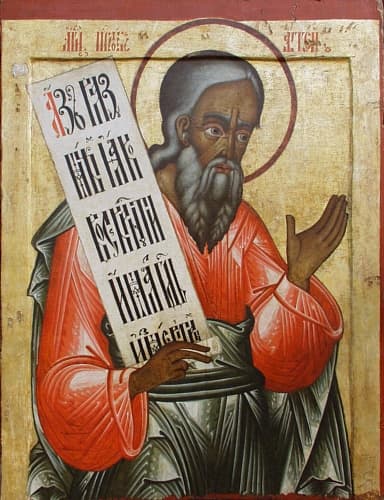
Haggai
Haggai was a Hebrew prophet active in the 6th century BCE, known for his role in inspiring the rebuilding of the Second Temple in Jerusalem. He is one of the twelve minor prophets in the Hebrew Bible and is credited with delivering four prophecies in 520 BCE that urged the Jewish people to resume construction of the Temple after it had been halted. Haggai's message emphasized divine favor and prosperity contingent on the completion of this sacred structure.
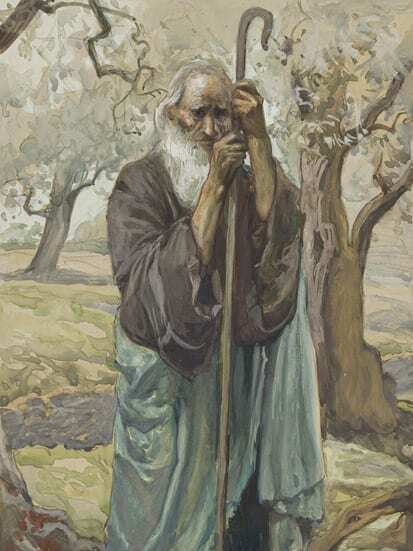
Obadiah
Obadiah, also known as Abdias, was a biblical prophet traditionally credited with authorship of the Book of Obadiah. His prophetic ministry is debated by scholars, with some dating his work to the 9th century BCE and others to the 6th century BCE, shortly after the fall of Jerusalem. He is remembered for his prophecy against Edom and, in rabbinic tradition, for his act of hiding one hundred prophets from Jezebel's persecution.
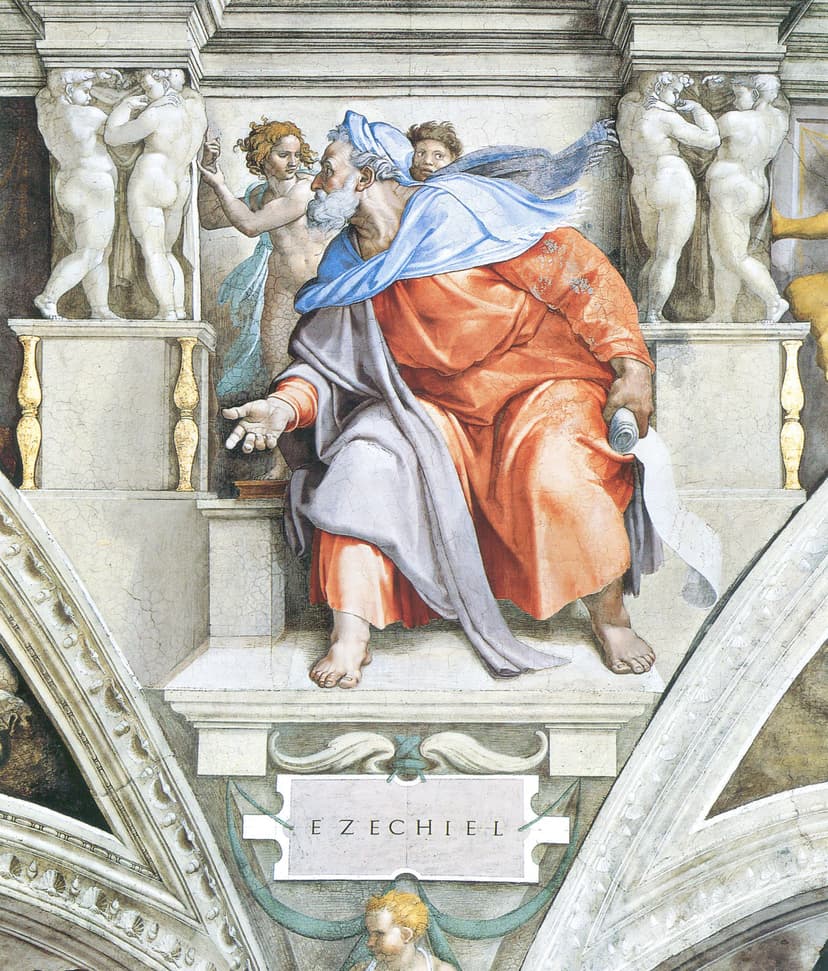
Ezekiel
Ezekiel was an Israelite priest and prophet in the Abrahamic religions, best known for the Book of Ezekiel which details his visions and prophecies. He prophesied the destruction of Jerusalem and the Babylonian captivity, but also foretold the eventual restoration of the Jewish people to the Land of Israel. His name, meaning "God is strong" or "God strengthens," reflects his prophetic role.