
Nehemiah
Nehemiah was a significant figure in the rebuilding of Jerusalem during the Second Temple period, serving as governor of the autonomous province of Judea within the Achaemenid Empire. He is remembered for his determined efforts to reconstruct the city walls against opposition and for his role in religious and social reforms. While his historicity is debated in academic circles, he is venerated as a saint in the Eastern Orthodox Church.
Key Facts
- ›Nehemiah served as cup-bearer to King Artaxerxes I of the Achaemenid Empire.
- ›He led the rebuilding of Jerusalem's walls within 52 days, overcoming opposition from surrounding peoples.
- ›Nehemiah also enforced social reforms, including the cancellation of debt and the divorce of Jewish men from non-Jewish wives.
- ›He returned to Jerusalem after a period at court to find the people reverting to old practices, prompting further purification of the Temple.
- ›The Book of 2 Maccabees credits Nehemiah with bringing the holy fire for the altar back to Jerusalem and founding a library of Holy Scriptures.
- ›In rabbinic literature, Nehemiah is sometimes identified with Zerubbabel and is credited with completing the Book of Chronicles.
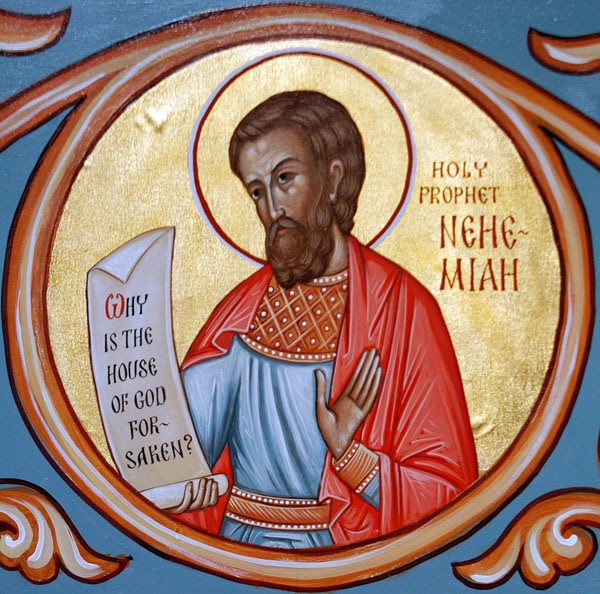
About Nehemiah
Nehemiah is a central figure in the Hebrew Bible, particularly known for his leadership in the rebuilding of Jerusalem's walls during the Second Temple period. His story is primarily chronicled in the Book of Nehemiah, which details his work as governor of the Achaemenid province of Yehud Medinata (Judea).
Life and Historical Context
Nehemiah served as cup-bearer to King Artaxerxes I of the Achaemenid Empire. In the 20th year of Artaxerxes' reign (around 445 or 444 BC), Nehemiah learned of the distressed state of the Jewish remnant in Jerusalem and the dilapidated condition of its walls. He received permission from the king to return to Judah and undertake the reconstruction of the city, a task he completed with remarkable speed, rebuilding the walls in just 52 days.
Rebuilding and Reforms
Nehemiah faced considerable opposition from neighboring peoples, including Sanballat the Horonite, the Ammonites, and Arabs. Despite these challenges, he successfully reconstructed the city walls. Beyond the physical reconstruction, Nehemiah implemented significant social and religious reforms. He took measures to repopulate Jerusalem, enforced the cancellation of debts, and supported Ezra in the public dissemination of the Law of Moses. He also enforced the divorce of Jewish men from their non-Jewish wives and, upon a later return to Jerusalem, purified the Temple and clergy when he found the people reverting to earlier practices.
Scholarly Debate and Tradition
The historicity of Nehemiah and the events described in his memoir have been a subject of significant academic discussion, with scholars holding differing views on the reliability and authenticity of the biblical accounts. In religious tradition, Nehemiah is venerated as a saint. He is commemorated in the Catholic Church on July 13 and in the Eastern Orthodox Church on the Sunday of the Holy Forefathers. The Book of 2 Maccabees attributes to him the recovery of holy fire for the altar and the establishment of a library of Scripture, while rabbinic literature offers various traditions, including identifying him with Zerubbabel and crediting him with completing the Book of Chronicles.
Source: Wikipedia ↗
Frequently Asked Questions
Who was Nehemiah?
Nehemiah was a prominent figure during the Second Temple period, known for his work in rebuilding Jerusalem as the governor of Judea. He served the Achaemenid Empire under King Artaxerxes I.
What was Nehemiah's main accomplishment?
Nehemiah is chiefly remembered for his mission to rebuild the walls of Jerusalem, which he accomplished in a remarkably short period of 52 days despite significant opposition. He also enacted reforms to repopulate the city and purify the community.
What is the historical debate surrounding Nehemiah?
The historicity of Nehemiah, his mission, and the Nehemiah Memoir have become subjects of considerable debate among academic scholars. Some view the accounts as historical, while others question whether Nehemiah actually existed.
How is Nehemiah venerated?
Nehemiah is considered a saint in the Eastern Orthodox Church, where he is commemorated on the Sunday of the Holy Forefathers, a movable feast. He is also venerated in the Catholic Church with a commemoration on July 13.
What other roles or contributions are attributed to Nehemiah?
Besides his rebuilding efforts, Nehemiah is credited in some traditions with enforcing the law of Moses, purifying the Temple, and assisting Ezra in publicizing the law. The Book of 2 Maccabees also attributes the founding of a library of Holy Scriptures to him.
Related Saints
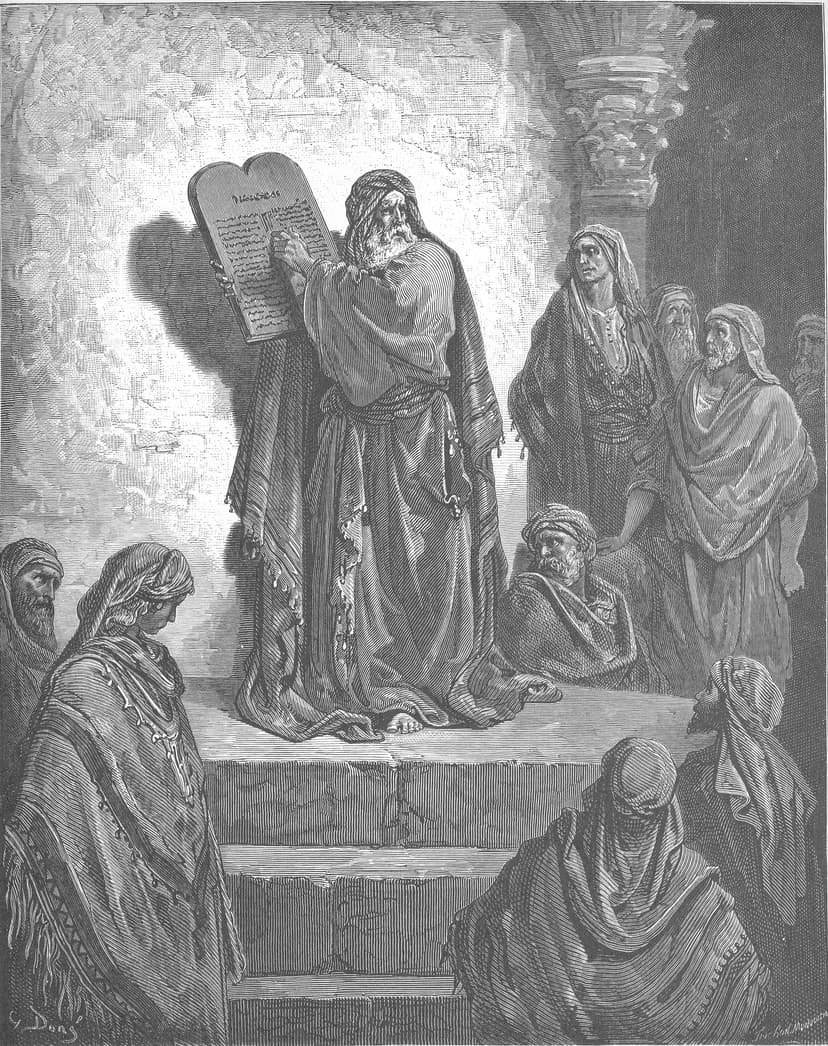
Ezra
Ezra was an important Jewish scribe and priest in the early Second Temple period, traditionally credited with restoring Jewish scriptures and religion after the Babylonian exile. He is revered for his role in reintroducing the Torah and enforcing its observance among the people, particularly regarding intermarriage. While his historical existence and the extent of his actions are debated among scholars due to a lack of extrabiblical evidence, he remains a highly respected figure in Judaism and is venerated as a saint in Catholic and Orthodox traditions.
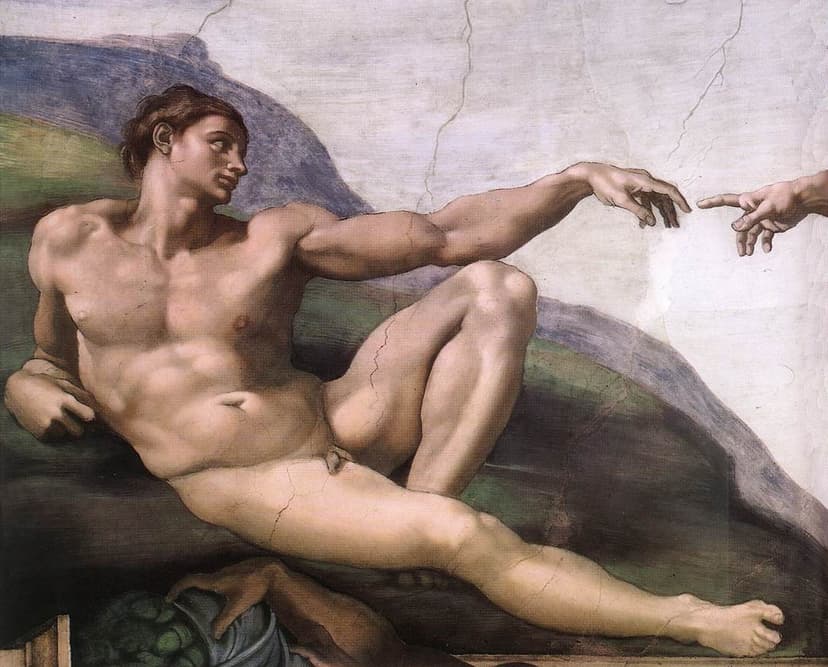
Adam
Adam is the first human being, created by God according to the Book of Genesis and revered in Judaism, Christianity, Islam, and other belief systems. He is remembered for his creation from dust, his sin in the Garden of Eden by eating forbidden fruit, and his subsequent expulsion, which introduced death and sin into the world. His story serves as a foundational narrative for understanding humanity's relationship with God, the origins of sin, and the concept of redemption.

Malachi
Malachi is the name of the author of the Book of Malachi, the final book of the Nevi'im in the Tanakh. The name itself means "messenger," leading some scholars to believe it is a pseudonym. Jewish tradition identifies Malachi with Ezra the scribe, who prophesied during the Persian period.