
Adam
Adam is the first human being, created by God according to the Book of Genesis and revered in Judaism, Christianity, Islam, and other belief systems. He is remembered for his creation from dust, his sin in the Garden of Eden by eating forbidden fruit, and his subsequent expulsion, which introduced death and sin into the world. His story serves as a foundational narrative for understanding humanity's relationship with God, the origins of sin, and the concept of redemption.
Key Facts
- ›Adam is the first human created by God, formed from the dust of the ground.
- ›He was placed in the Garden of Eden with Eve, his companion.
- ›Adam and Eve sinned by eating from the tree of knowledge of good and evil.
- ›This act led to their expulsion from Eden, introducing death and sin into the world.
- ›In Islam, Adam is considered God's deputy (Khalifa) on Earth and the first prophet.
- ›Christian theology, particularly influenced by Augustine, developed the concept of original sin stemming from Adam's transgression.
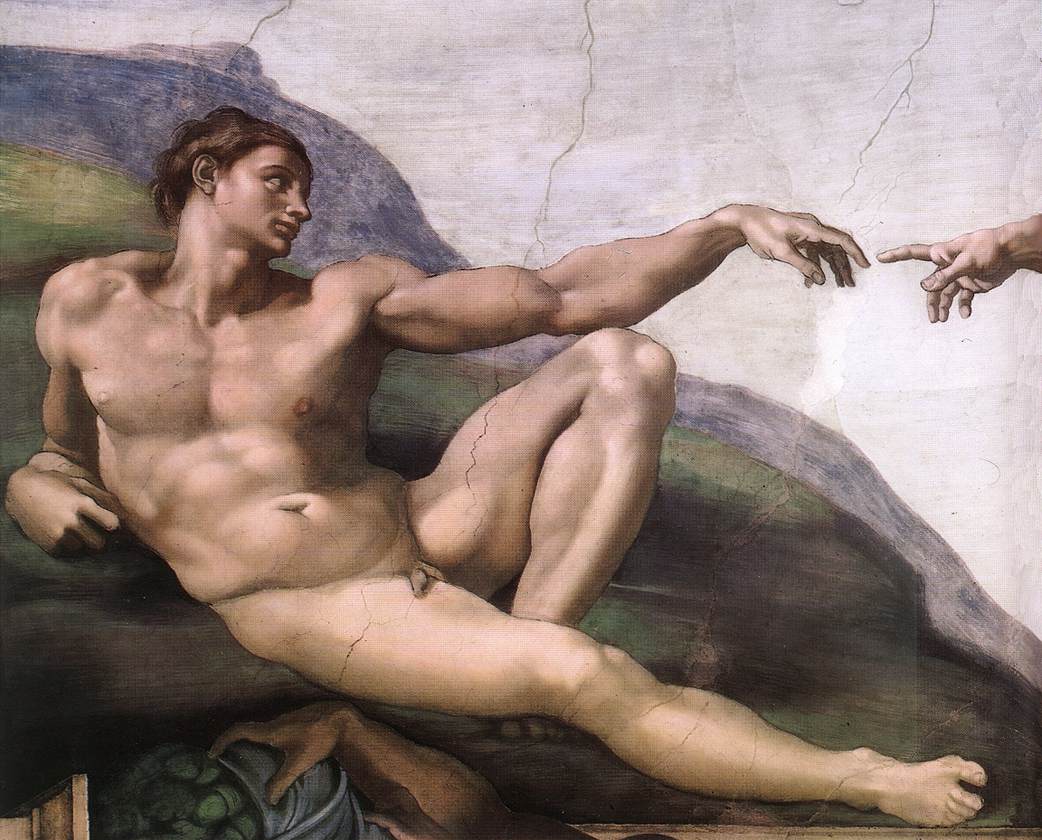
Adam of Light
Judaism, Christianity, Islam, Gnosticism, Mandaeism, Druze, Yazidism, Baháʼí Faith
Dust, Tree of Knowledge, Serpent
About Adam
Adam is recognized as the first human being, a pivotal figure in the creation narratives of Judaism, Christianity, Islam, and numerous other belief systems. His story, primarily detailed in the Book of Genesis, outlines humanity's origins, its initial relationship with God, and the introduction of sin and mortality into the world.
Life and Historical Context
According to Genesis, God formed Adam from the "dust of the ground" and breathed the "breath of life" into him, placing him in the Garden of Eden as the first man. He was given dominion over the earth and its creatures. God also created Eve as his companion. The narrative in Genesis 3 recounts the "Fall of Man," where Adam and Eve disobeyed God's command by eating fruit from the tree of the knowledge of good and evil. This act led to their awareness of nakedness, their expulsion from Eden, and the introduction of labor, pain in childbirth, and death as consequences.
Adam's lineage is traced through his sons Cain and Abel, and later Seth, from whom humanity is said to have descended. He is recorded as living for 930 years. While modern scholarship views the Genesis creation narrative as an ancient origin myth, its theological and cultural significance remains profound.
Religious Significance
In Judaism, Adam is the progenitor of humankind. Rabbinic traditions elaborate on his creation, his relationship with Eve and Lilith, and the nature of his sin. The concept of original sin is not central, but Adam's transgression is seen as a turning point in human history.
In Christianity, Adam's sin of disobedience is the genesis of "original sin," a doctrine that posits a sinful nature inherited by all humanity. This inherited sin, along with mortality, could only be overcome through the redemptive sacrifice of Jesus Christ. Early Christian traditions also linked Adam's burial site to Golgotha.
In Islam, Adam is revered as the first prophet and the first Muslim, appointed as God's (Allah's) vicegerent (Khalifa) on Earth. He and Eve sinned by eating from the forbidden tree but were forgiven after repentance. His story emphasizes the human capacity for sin, awareness, and repentance.
Other traditions, such as Gnosticism, Mandaeism, Druze, and Yazidism, also incorporate Adam into their cosmologies and theological frameworks, often with unique interpretations of his creation, role, and significance.
Legacy
Adam's narrative serves as a foundational myth for understanding human nature, the consequences of disobedience, and the divine plan for salvation or guidance across various religious traditions. His story continues to be a subject of theological, philosophical, and cultural interpretation.
Source: Wikipedia ↗
Frequently Asked Questions
Who is Adam in religious tradition?
Adam is recognized as the first human being created by God in the Book of Genesis. He is a central figure in Judaism, Christianity, Islam, and other belief systems, representing the origin of humanity and its relationship with the divine.
What is Adam primarily remembered for?
Adam is chiefly remembered for his creation from dust, his placement in the Garden of Eden, and his disobedience by eating the forbidden fruit. This act, known as the Fall, is seen as introducing sin and death into the world and leading to humanity's expulsion from Eden.
How is Adam viewed in Islam?
In Islam, Adam is considered the first prophet and the first Muslim, a Khalifa (vicegerent or deputy) of God on Earth. He is believed to have sinned by eating from the Tree of Immortality but was forgiven by God after repenting, serving as a model for human repentance.
What is the Christian concept of original sin related to Adam?
Christian theology, particularly as developed by Augustine, posits that Adam's sin corrupted human nature, introducing original sin into the world, which is passed down through generations. This stain can only be removed through the redemptive sacrifice of Jesus Christ.
Are there different accounts of Adam's creation?
The biblical accounts describe Adam being formed from dust and given life by God. Rabbinical traditions offer further details, such as God gathering dust from four corners of the earth, and some interpretations suggest Adam was initially created as an androgynous being before being split into male and female.
Where is Adam believed to be buried?
According to Jewish tradition, Adam was buried at the altar of the Temple of Solomon. Early Christian tradition adapted this to Golgotha, the site of Jesus' crucifixion, where it was believed Christ's blood fell upon Adam's skull, restoring him to life.
Related Saints
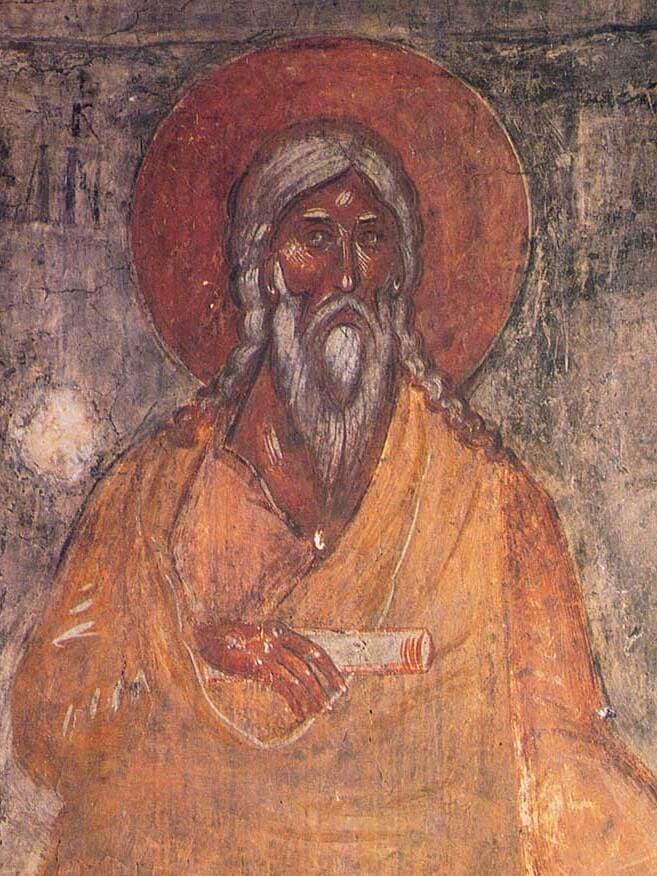
Seth
Seth is recognized in Abrahamic religions as the third son of Adam and Eve, born after the murder of his brother Abel. He is considered an important ancestor, particularly in Jewish and Islamic traditions, where he is seen as the progenitor of humanity after the Great Flood and the recipient of divine teachings.
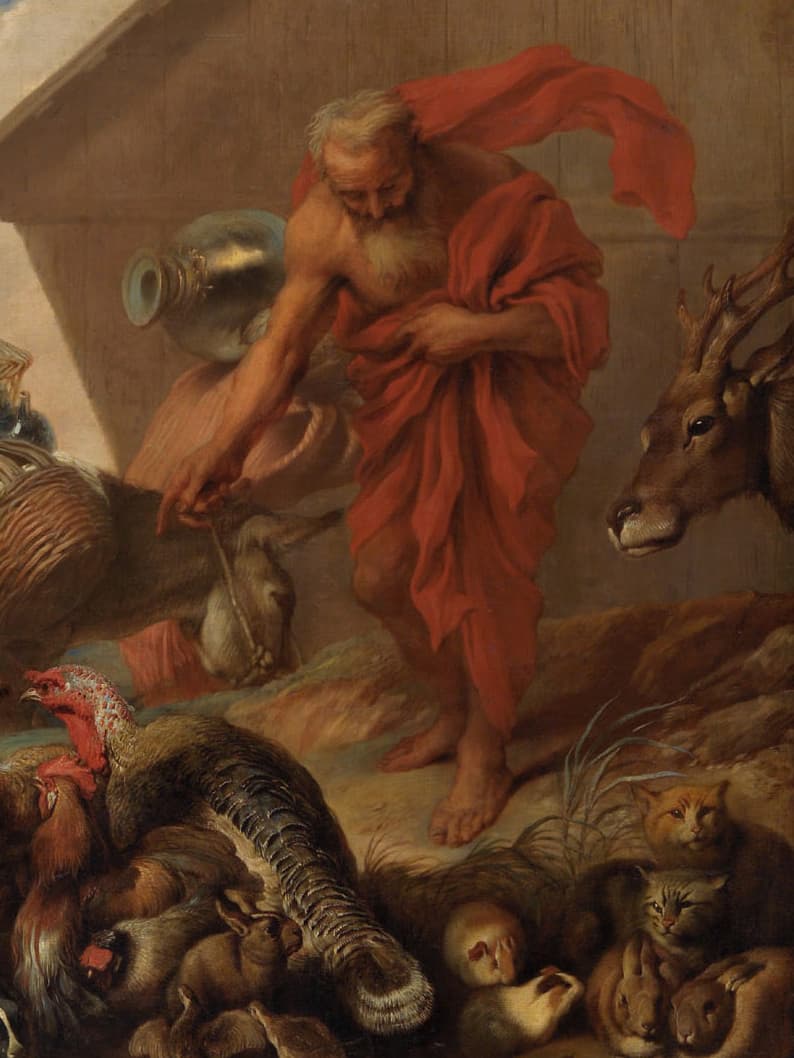
Noah
Noah is a pivotal figure in Abrahamic religions, most famously known for building the Ark to save his family and all land animals from a divine flood. God made a covenant with Noah after the flood, promising never to destroy the earth by water again. He is also remembered as the first cultivator of the vine and a figure associated with the Seven Laws of Noah.
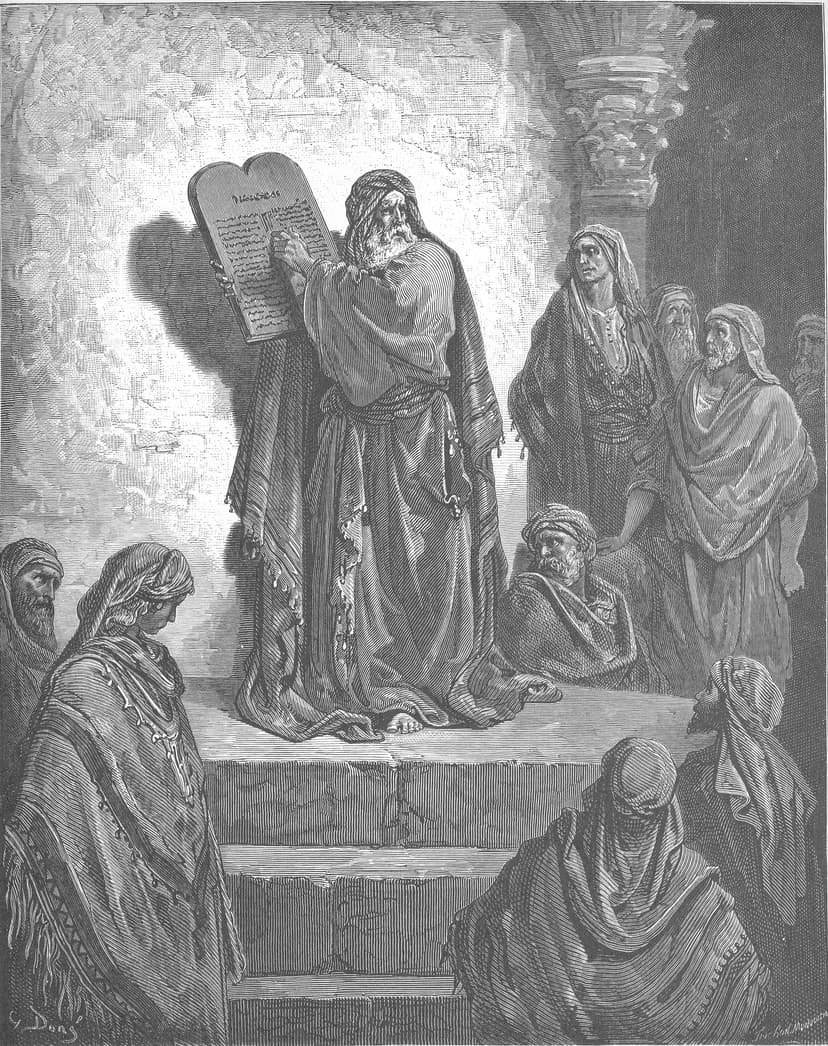
Ezra
Ezra was an important Jewish scribe and priest in the early Second Temple period, traditionally credited with restoring Jewish scriptures and religion after the Babylonian exile. He is revered for his role in reintroducing the Torah and enforcing its observance among the people, particularly regarding intermarriage. While his historical existence and the extent of his actions are debated among scholars due to a lack of extrabiblical evidence, he remains a highly respected figure in Judaism and is venerated as a saint in Catholic and Orthodox traditions.