
Malachi
Malachi is the name of the author of the Book of Malachi, the final book of the Nevi'im in the Tanakh. The name itself means "messenger," leading some scholars to believe it is a pseudonym. Jewish tradition identifies Malachi with Ezra the scribe, who prophesied during the Persian period.
Key Facts
- ›Malachi is the author of the Book of Malachi, the last book of the Nevi'IM section of the Tanakh.
- ›The name Malachi means "messenger," and some scholars suggest it may be a pseudonym.
- ›According to Jewish tradition, Malachi's true identity is Ezra the scribe.
- ›Malachi's prophecies likely originated in the Persian period, with the oldest stratum around 500 BCE.
- ›He is traditionally considered the last of the prophets.
- ›The Book of Malachi addresses issues such as a forgetful priesthood, an underfunded Temple, and intermarriage.

About Malachi
Malachi is the name attributed to the author of the Book of Malachi, the final book within the Nevi'im (Prophets) section of the Tanakh. The name "Malachi" itself is derived from the Hebrew word for "messenger," which has led some scholars to propose that it might be a pseudonym rather than a personal given name. Regardless of its literal interpretation, Malachi represents a significant prophetic voice in the post-exilic period of Jewish history.
Identity and Tradition
Jewish tradition, notably recorded in the Talmud, identifies Malachi with Ezra the scribe. This identification is considered plausible by many due to the thematic overlap in their concerns; both Malachi and Ezra addressed issues such as intermarriage with foreign women and the corruption within the priesthood. Ezra, a priest himself, would have been particularly sensitive to the spiritual failings of the Temple leadership that Malachi denounces. Some historical accounts suggest that if Ezra was indeed Malachi, his burial place was the Tomb of the Prophets in Jerusalem, a site also traditionally associated with Malachi.
Other theories regarding Malachi's identity include suggestions that he was Zerubbabel or Nehemiah, or a separate individual, possibly a Levite and member of the Great Assembly. However, the Ezra identification remains the most prominent traditional view.
Prophetic Context and Message
Scholars generally place the composition of the Book of Malachi within the Persian period. While the exact dating varies, the core of its text is thought to have originated around 500 BCE, with later redactions extending into the Hellenistic period. Many place Malachi's prophetic activity shortly after the rebuilding and dedication of the Second Temple in 516 BCE, often correlating his ministry with the times of Ezra and Nehemiah. The specific abuses Malachi describes closely match the conditions Nehemiah encountered upon his return to Jerusalem around 432 BCE, suggesting Malachi prophesied concurrently or soon after.
The central message of Malachi's book addresses a spiritual and moral decline within the post-exilic community. He critiques a priesthood that has become neglectful of its duties and a populace that has lost interest in supporting the Temple. Furthermore, Malachi condemns the societal practice of Jewish men divorcing their native-born wives to marry foreign pagan women, a practice that threatened the religious and cultural integrity of the community. The book concludes with prophecies of coming judgment and restoration, including the forerunner of the Messiah.
Source: Wikipedia ↗
Frequently Asked Questions
Who was Malachi?
Malachi is the author of the Book of Malachi, the last book in the Nevi'im section of the Hebrew Bible. The name itself means "messenger," leading to scholarly debate about whether it is a proper name or a pseudonym.
What is the traditional identity of Malachi?
According to Jewish tradition, Malachi is identified with Ezra the scribe. This view is supported by the fact that Malachi's reprimands align with Ezra's concerns, such as marrying foreign women and the corruption of priests.
When did Malachi prophesy?
Most scholars agree that Malachi prophesied during the Persian period, after the reconstruction of the Second Temple in 516 BCE. He is believed to have lived and worked around the times of Ezra and Nehemiah, likely in the mid-5th century BCE.
What are the main themes in the Book of Malachi?
The Book of Malachi addresses a corrupt priesthood that has forgotten its duties, a Temple that is underfunded due to public disinterest, and a society where Jewish men are divorcing their Jewish wives to marry foreign women.
Is Malachi considered a prophet?
Yes, Malachi is traditionally considered a prophet, and his book is the last in the prophetic section of the Tanakh. He is often referred to as the last of the prophets in Jewish tradition.
Related Saints
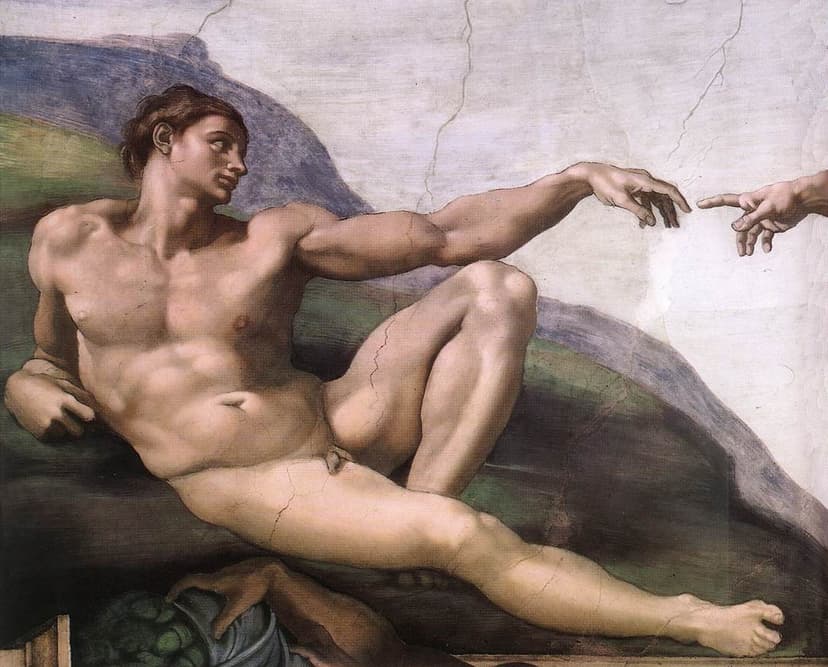
Adam
Adam is the first human being, created by God according to the Book of Genesis and revered in Judaism, Christianity, Islam, and other belief systems. He is remembered for his creation from dust, his sin in the Garden of Eden by eating forbidden fruit, and his subsequent expulsion, which introduced death and sin into the world. His story serves as a foundational narrative for understanding humanity's relationship with God, the origins of sin, and the concept of redemption.
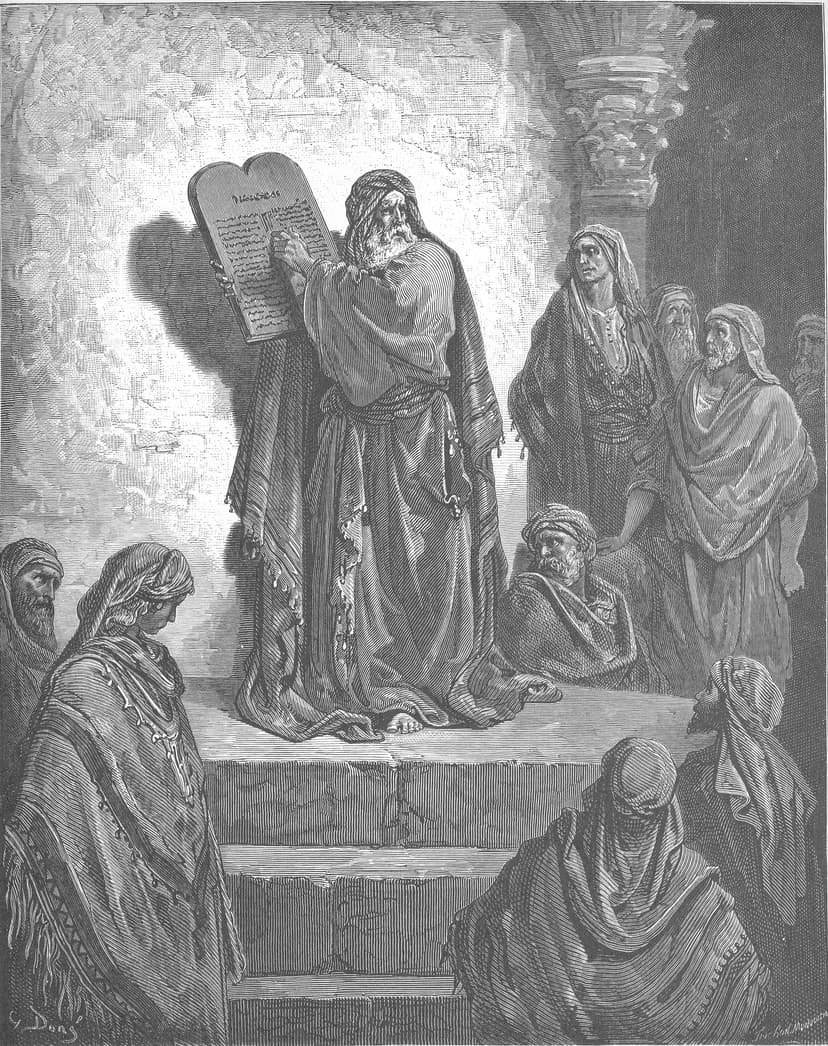
Ezra
Ezra was an important Jewish scribe and priest in the early Second Temple period, traditionally credited with restoring Jewish scriptures and religion after the Babylonian exile. He is revered for his role in reintroducing the Torah and enforcing its observance among the people, particularly regarding intermarriage. While his historical existence and the extent of his actions are debated among scholars due to a lack of extrabiblical evidence, he remains a highly respected figure in Judaism and is venerated as a saint in Catholic and Orthodox traditions.
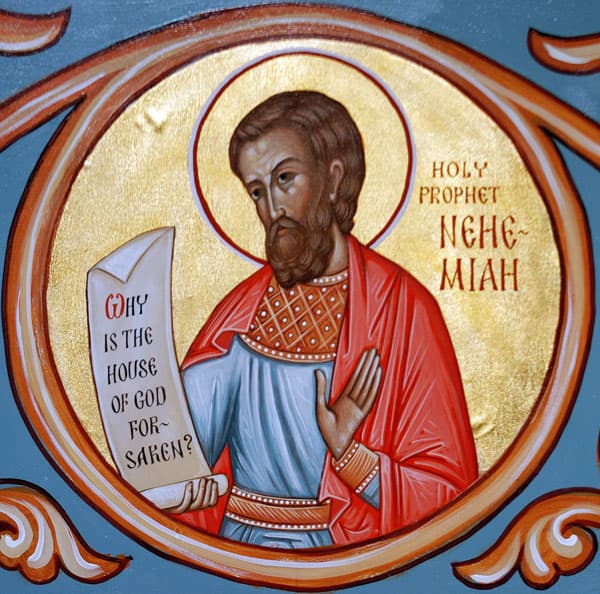
Nehemiah
Nehemiah was a significant figure in the rebuilding of Jerusalem during the Second Temple period, serving as governor of the autonomous province of Judea within the Achaemenid Empire. He is remembered for his determined efforts to reconstruct the city walls against opposition and for his role in religious and social reforms. While his historicity is debated in academic circles, he is venerated as a saint in the Eastern Orthodox Church.