
Malachi
Male·5th century BC·Judea·Levite (possible)
Malachi is the author of the Book of Malachi, the final book in the Nevi'im section of the Tanakh. While "Malachi" means "messenger," it is debated whether this was his actual name or a pseudonym. Jewish tradition identifies him as Ezra the scribe and considers him the last of the prophets.
Key Facts
- ›The name Malachi means "messenger" and may be a pseudonym.
- ›Jewish tradition identifies Malachi with Ezra the scribe.
- ›Malachi prophesied during the Persian period, likely after the Second Temple's reconstruction in 516 BCE.
- ›His prophecies address a neglectful priesthood, an underfunded Temple, and the issue of Jewish men marrying foreign women.
- ›He is considered the last of the prophets in Jewish tradition.
- ›His work is the final book in the Nevi'IM (Prophets) section of the Tanakh.

Book of Malachi
Malachias, Ezra the scribe (traditional identification)
Ezra, Nehemiah, Haggai, Zechariah
Prophet
Prophet
About Malachi
Malachi is the name traditionally associated with the author of the Book of Malachi, the final book in the Nevi'im (Prophets) section of the Tanakh. The name itself, derived from Hebrew, means "my messenger," leading some scholars to question whether it was a personal name or a pseudonym.
Identity and Dating
Jewish tradition, notably in the Talmud, identifies Malachi with Ezra the scribe, a pivotal figure in post-exilic Judaism. This identification is supported by the striking similarities in their critiques of the community, including reprimands for marrying foreign pagan women and the corruption of priests. If this tradition holds true, Ezra would have written under the name Malachi.
Scholars generally place Malachi's activity during the Persian period, after the reconstruction of the Second Temple in 516 BCE. Many believe he prophesied concurrently with or shortly after Nehemiah's return to Jerusalem around 432 BCE, as the abuses described in his book closely match Nehemiah's findings.
Message and Teachings
The Book of Malachi addresses a community grappling with spiritual apathy and covenantal neglect. Key themes include:
- A Neglectful Priesthood: Malachi condemns priests for offering blemished sacrifices and failing to uphold their duties.
- Underfunded Temple: The people are criticized for their lack of support for the Temple, stemming from a loss of interest.
- Intermarriage and Divorce: A significant concern is the practice of Jewish men divorcing their Jewish wives to marry foreign women, seen as a breach of covenant faithfulness.
Malachi's prophecies serve as a final call to repentance and a reaffirmation of God's covenant, setting the stage for future religious developments.
Legacy
Malachi is traditionally regarded as the last of the Hebrew prophets. His book's placement at the end of the Nevi'im signifies a closing of the prophetic era in the Tanakh, influencing subsequent Jewish thought and anticipation of future divine messages. The traditional identification with Ezra further solidifies his connection to the authoritative transmission of the Law and the preservation of Jewish identity.
Source: Wikipedia ↗
Frequently Asked Questions
Who is Malachi?
Malachi is identified as the author of the Book of Malachi, which is the final book in the Nevi'im section of the Tanakh. He is traditionally considered the last of the Hebrew prophets.
What does the name Malachi mean?
The name Malachi is Hebrew for 'my messenger.' Due to this meaning, some scholars suggest it might be a pseudonym rather than a personal name.
When did Malachi prophesy?
Scholars generally agree that Malachi prophesied during the Persian period, after the Second Temple was rebuilt around 516 BCE. He likely lived and ministered during the times of Ezra and Nehemiah, possibly around 420 BCE.
What were Malachi's main messages?
Malachi's prophecies addressed a priesthood that was neglecting its duties, a Temple that was underfunded due to public disinterest, and societal issues such as Jewish men divorcing their Jewish wives to marry foreign women.
Is Malachi the same person as Ezra?
According to Jewish tradition, found in the Talmud and the Aramaic Targum, Malachi is the same person as Ezra the scribe. This identification is supported by the similar reprimands they both issued regarding religious and social practices.
Related Prophets
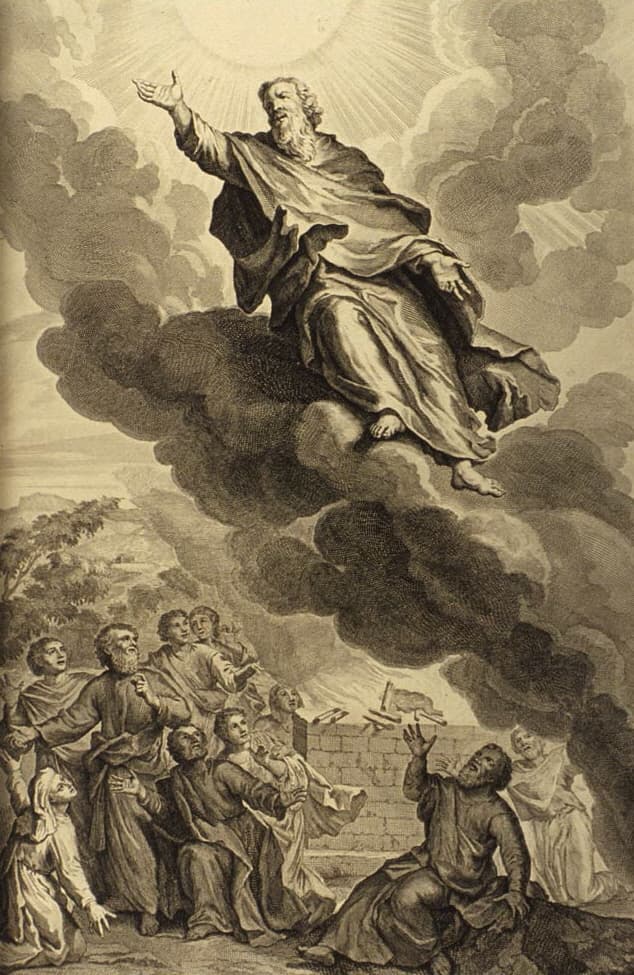
Enoch
Enoch is a pre-Flood biblical patriarch mentioned in the Book of Genesis. He is renowned for "walking with God" and being taken by God without experiencing death, a unique event interpreted as his ascension into heaven. Enoch is also associated with various apocryphal texts, most notably the Book of Enoch, and is venerated as a saint in several Christian traditions.
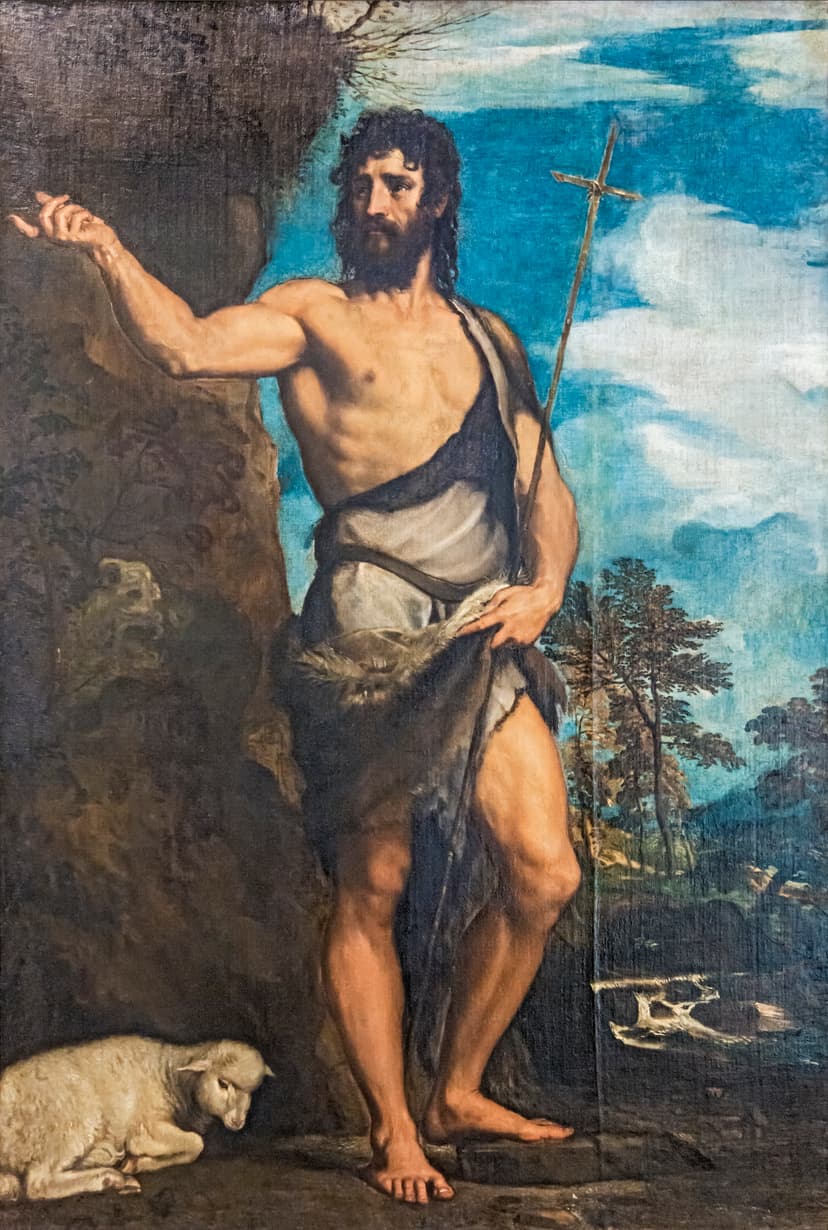
John the Baptist
John the Baptist was a Jewish preacher active in the early first century AD along the Jordan River. Revered in Christianity, Islam, and other faiths, he is known for his ministry of repentance and baptism, anticipating a messianic figure greater than himself. According to the New Testament, he baptized Jesus and was later beheaded by Herod Antipas.
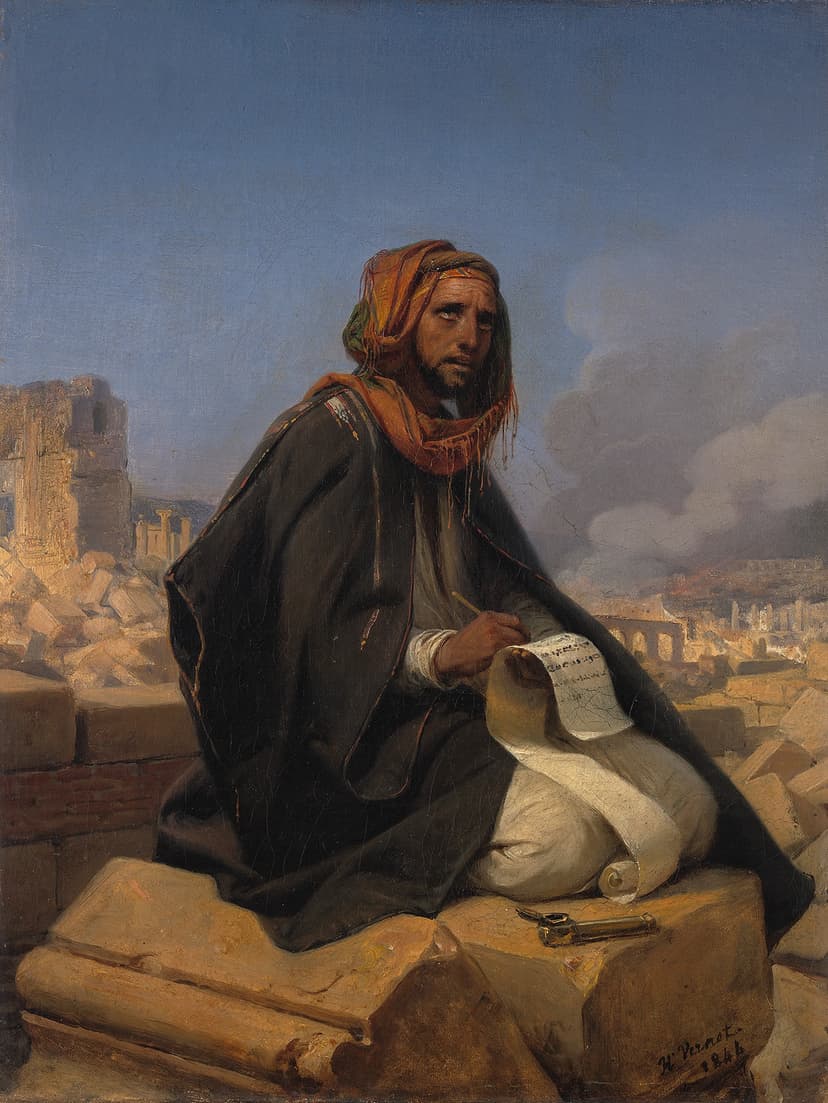
Jeremiah
Jeremiah, also known as Jeremias or Jeremy, was a major prophet in the Hebrew Bible active in the late 7th and early 6th centuries BC. Born into a priestly family, he was called to prophesy the impending destruction of Jerusalem and the Kingdom of Judah due to idolatry and social injustice. His ministry was marked by significant persecution, but his prophecies are central to Judaism, Christianity, and Islam.