
John the Baptist
Male·1st century·Judea·Jewish preacher
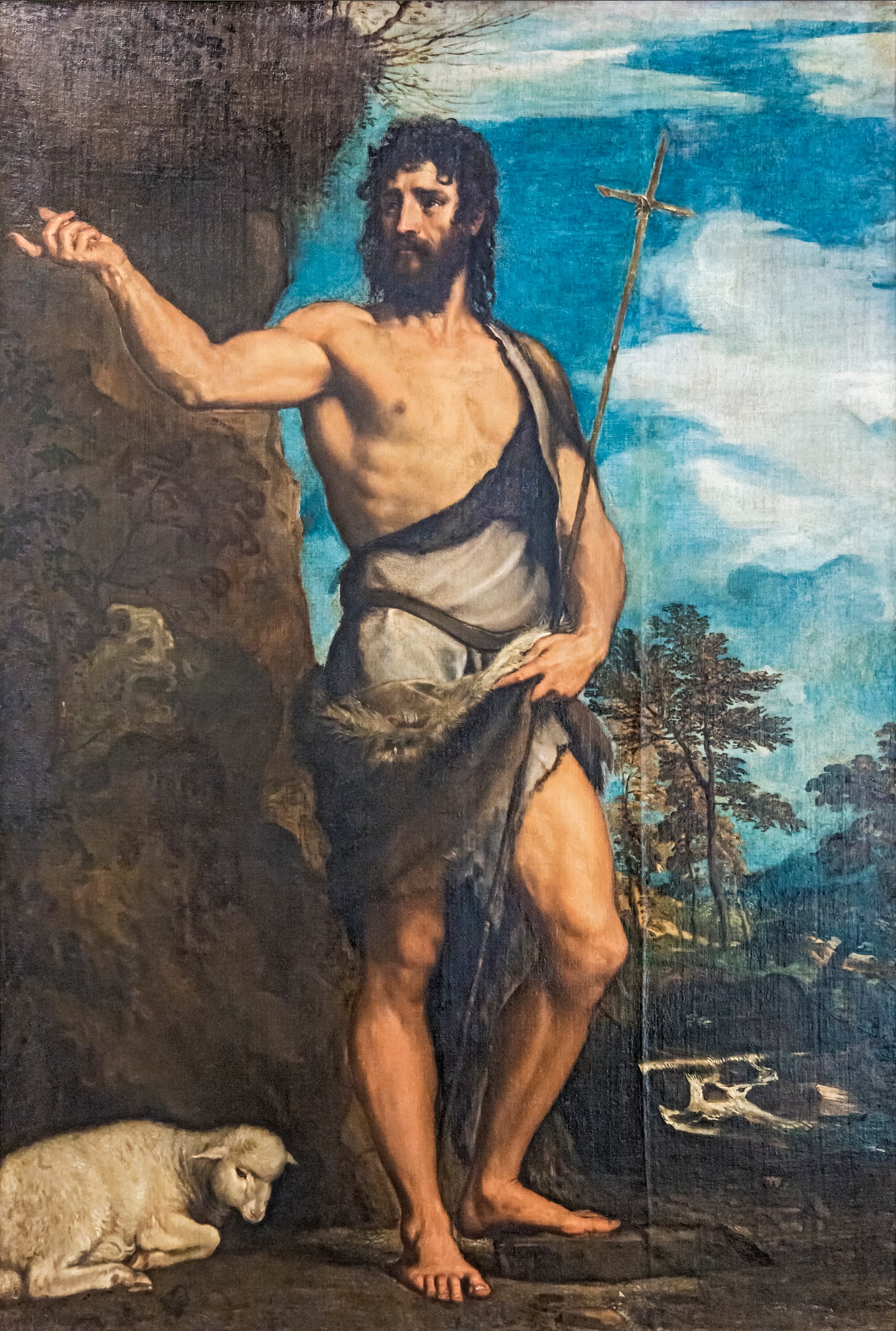
John the Baptist was a Jewish preacher active in the early first century AD along the Jordan River. Revered in Christianity, Islam, and other faiths, he is known for his ministry of repentance and baptism, anticipating a messianic figure greater than himself. According to the New Testament, he baptized Jesus and was later beheaded by Herod Antipas.
Key Facts
- ›Active as a preacher near the Jordan River in the early first century AD.
- ›Known for a ministry of repentance and baptism.
- ›Anticipated a messianic figure greater than himself, identified by Jesus as Elijah.
- ›Baptized Jesus according to New Testament accounts.
- ›Executed by beheading on the orders of Herod Antipas.
- ›Considered a prophet in Islam (as Yahya ibn Zakariya) and a vital prophet in Mandaeism.
New Testament, Quran
Saint John the Forerunner, Saint John the Immerser, Prophet Yahya ibn Zakariya, John the Baptiser
Jesus, Herod Antipas, Herodias, Zechariah, Elizabeth, Gabriel
Prophet, Saint, Forerunner
Preacher, Prophet
Prophet
About John the Baptist
John the Baptist was a pivotal Jewish preacher who was active in the region of the Jordan River during the early first century AD. He is recognized as a major religious figure across multiple faiths, including Christianity, Islam, the Baháʼí Faith, the Druze faith, and Mandaeism. In Mandaeism, he is considered the final and most vital prophet.
Life and Ministry
According to the New Testament, John anticipated a messianic figure greater than himself. In the Gospels, he is portrayed as the precursor or forerunner of Jesus, with Jesus himself identifying John as "Elijah who is to come." John's ministry centered on baptism as a symbol of repentance. While some scholars suggest he may have belonged to the Essenes, a semi-ascetic Jewish sect, his distinct practice of baptism became the hallmark of his movement.
Most biblical scholars agree that John baptized Jesus. Accounts also suggest that some of Jesus's early followers had previously followed John. John's teachings emphasized repentance and the imminent arrival of the Kingdom of Heaven, and he was critical of the Pharisees and Sadducees.
Execution and Legacy
John the Baptist was eventually imprisoned and executed by beheading on the orders of Herod Antipas. This occurred after John rebuked Herod for divorcing his wife and unlawfully marrying Herodias, the wife of his brother. The historian Josephus corroborates this account, stating John was executed at the fortress of Machaerus.
John's followers continued into the second century AD, with some even proclaiming him to be the Messiah. His legacy endures as a highly venerated prophet and saint in various religious traditions. In the Roman martyrology, John is unique in that both his birth and death are commemorated.
Source: Wikipedia ↗
Frequently Asked Questions
Who was John the Baptist?
John the Baptist was a Jewish preacher active in the early first century AD. He is revered in Christianity, Islam, and other faiths for his ministry of repentance and baptism.
What is John the Baptist known for?
John the Baptist is primarily known for his preaching of repentance and his practice of baptism. He is also recognized for his role as the precursor to Jesus in Christian tradition.
What is John the Baptist's relationship to Jesus?
According to the New Testament, John the Baptist baptized Jesus and anticipated him as a messianic figure greater than himself. The Gospel of Luke also describes them as relatives.
How did John the Baptist die?
John the Baptist was beheaded on the orders of Herod Antipas. This occurred after John rebuked Herod for unlawfully marrying Herodias, the wife of his brother.
What is John the Baptist's significance in Islam?
In Islam, John the Baptist is known as Yahya ibn Zakariya and is revered as a prophet of God. He is considered a significant figure who preceded Muhammad.
What is the Mandaean view of John the Baptist?
Mandaeans consider John the Baptist to be their final and most vital prophet. They believe he is the last in a line of prophets sent by God.
Related Prophets
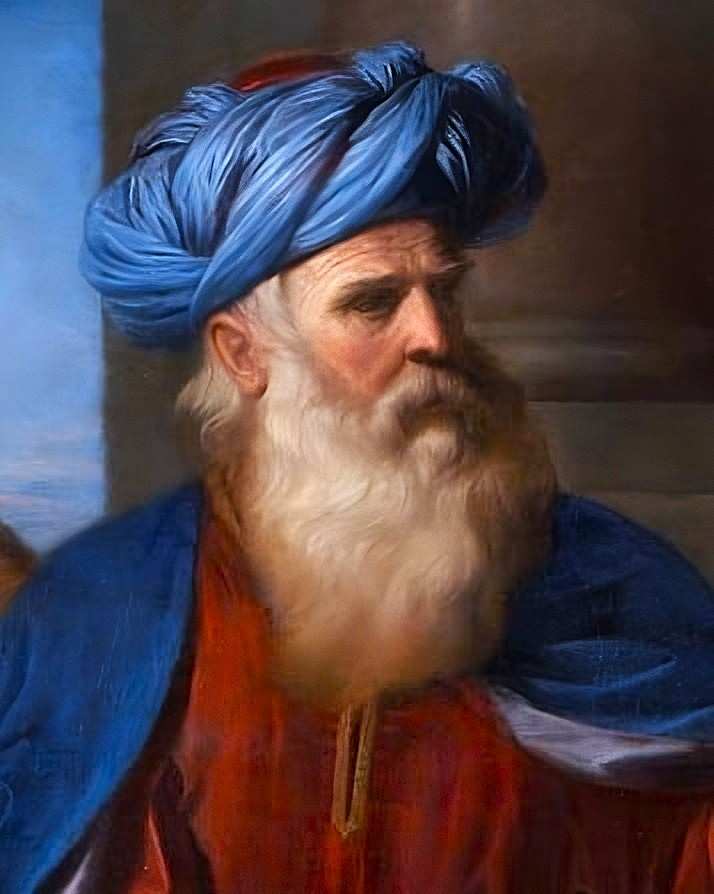
Abraham
Abraham is a foundational figure in Judaism, Christianity, and Islam, revered as the first patriarch and the progenitor of the covenant between God and the Jewish people. He is also considered a spiritual ancestor to Christians and a prophet in the chain of prophets in Islam. His narrative in the Book of Genesis centers on God's promises of land and numerous descendants.
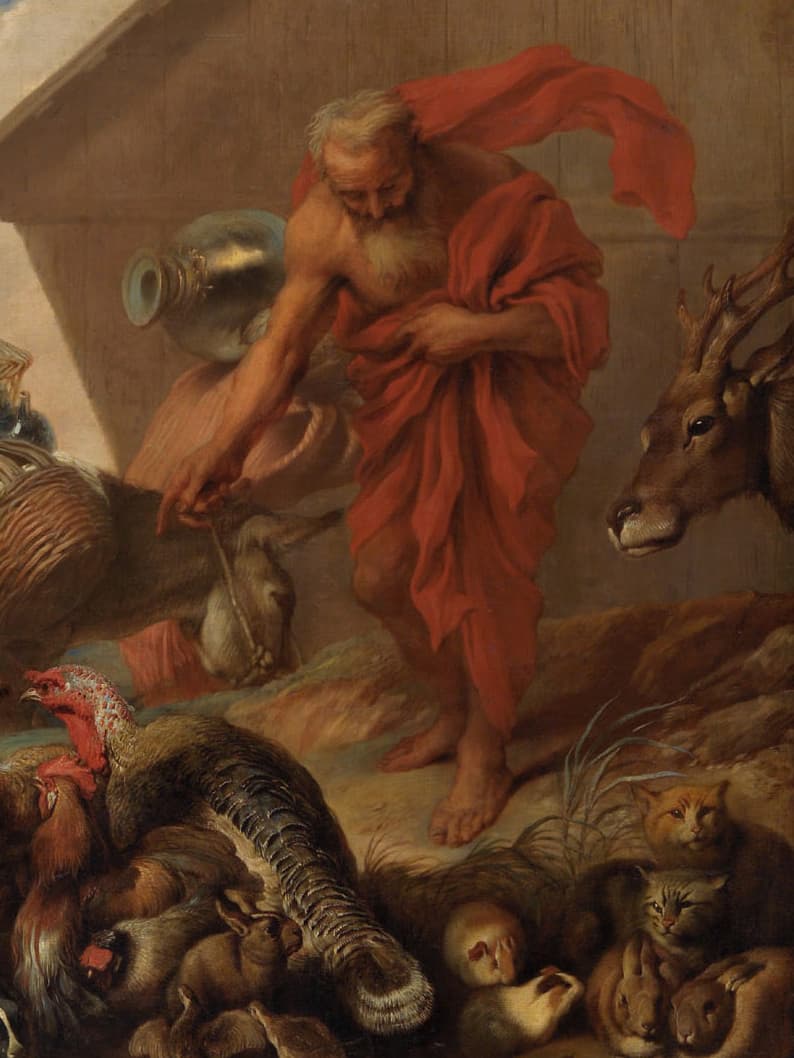
Noah
Noah is a pivotal figure in Abrahamic religions, recognized as the builder of the Ark and the survivor of a great flood sent by God to cleanse the Earth. His story, detailed in the Book of Genesis, highlights his faithfulness and obedience in saving humanity and all land animals from extinction, leading to a covenant between God and humankind. He is also credited as the first cultivator of the vine and is central to the establishment of the Seven Laws of Noah.

Malachi
Malachi is the author of the Book of Malachi, the final book in the Nevi'im section of the Tanakh. While "Malachi" means "messenger," it is debated whether this was his actual name or a pseudonym. Jewish tradition identifies him as Ezra the scribe and considers him the last of the prophets.