
Noah
Male
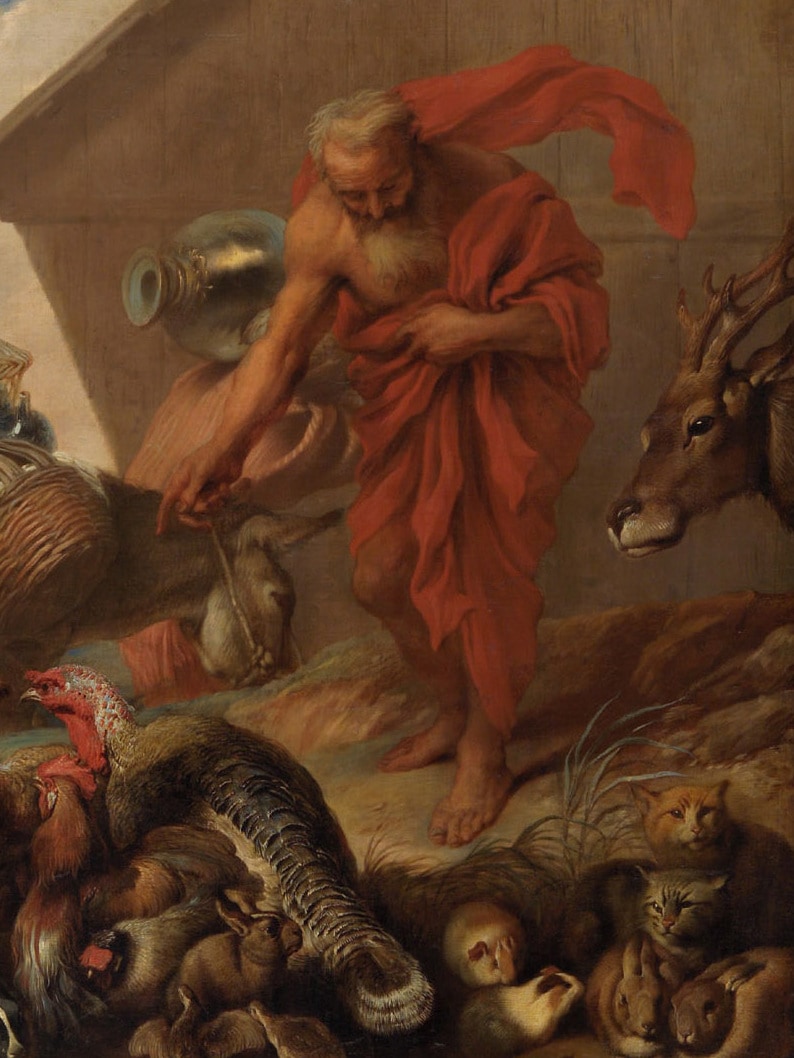
Noah is a pivotal figure in Abrahamic religions, recognized as the builder of the Ark and the survivor of a great flood sent by God to cleanse the Earth. His story, detailed in the Book of Genesis, highlights his faithfulness and obedience in saving humanity and all land animals from extinction, leading to a covenant between God and humankind. He is also credited as the first cultivator of the vine and is central to the establishment of the Seven Laws of Noah.
Key Facts
- ›Noah was the tenth and final antediluvian patriarch, son of Lamech.
- ›He built the Ark at God's command to save his family, land animals, and all of mankind from a divinely sent flood.
- ›God made a covenant with Noah after the flood, promising never again to destroy the Earth with a deluge and setting the rainbow as a sign.
- ›Noah is considered the first to cultivate the vine and is associated with the seven Laws of Noah.
- ›His story is found in the Hebrew Bible (Genesis), the Quran, and Baháʼí writings.
- ›Noah died at the age of 950, 350 years after the flood.
Judaism, Christianity, Islam, Baháʼí Faith, Mandaeism, Druze Faith
Book of Genesis, Quran, Baháʼí Writings
Nōaḥ, Noach, Nuḥ
Lamech, Shem, Ham, Japheth
Prophet, Saint, Righteous Man
Biblical Figure, Prophet, Antediluvian Patriarch
About Noah
Noah is a highly significant figure in the Abrahamic religions, primarily known for his role in the Genesis flood narrative. He is presented as the last of the antediluvian patriarchs, a man of exceptional righteousness in a wicked world, who was chosen by God to preserve life on Earth.
Life and Historical Context
According to the Book of Genesis, Noah was the son of Lamech and lived for an extraordinarily long time. The biblical account details God's decision to destroy humanity and all land animals through a great flood due to their wickedness. At God's command, Noah faithfully constructed a massive ark, a vessel designed to save him, his family, and pairs of every living creature. This monumental task, undertaken at God's specific instructions, ensured the survival of mankind and the animal kingdom, allowing for the repopulation of the Earth after the deluge.
Major Contributions and Teachings
Noah's primary contribution is his obedience and faith in building the Ark, an act of salvation that averted total extinction. Following the flood, God established a covenant with Noah, promising never again to destroy the Earth with such a catastrophic flood. The rainbow was set as a divine sign of this everlasting covenant, extending to all living creatures. Noah is also depicted as the first to cultivate the vine and is traditionally credited with the promulgation of the Seven Laws of Noah, a set of ethical and legal principles considered binding on all humanity.
Important Relationships
Noah's immediate family played a crucial role in his story. His sons—Shem, Ham, and Japheth—were instrumental in repopulating the Earth after the flood. The narrative also touches upon a controversial incident involving Noah's drunkenness and the subsequent actions of his son Ham and grandson Canaan, which led to a curse being placed upon Canaan. This event has been subject to various interpretations throughout religious history.
Legacy and Impact
Noah's legacy is profound, marking him as a pivotal figure in salvation history. He is revered as a prophet and a patriarch, symbolizing God's judgment against sin and His mercy in preserving the faithful. His story serves as a foundational narrative in Judaism, Christianity, and Islam, emphasizing themes of divine justice, redemption, and the establishment of God's ongoing relationship with humanity. His role in repopulating the Earth makes him, in a sense, the father of all subsequent human generations.
Source: Wikipedia ↗
Frequently Asked Questions
Who was Noah?
Noah was a patriarch in Abrahamic religions, known for building the Ark and surviving a great flood. He is considered a righteous figure who obeyed God's command to save humanity and animal life from extinction.
What is Noah famous for?
Noah is most famous for building the Ark at God's instruction to escape a worldwide flood. He is also known for being the father of modern humanity and for the covenant God made with him after the flood.
What religious traditions mention Noah?
Noah is a significant figure in Judaism, Christianity, and Islam. He is also mentioned in Baháʼí writings and in some extracanonical texts.
What happened to Noah after the flood?
After the flood, Noah offered sacrifices to God, who then established a covenant with him and all life. God blessed Noah and his sons, commanding them to be fruitful and multiply. Noah also planted a vineyard and became a tiller of the soil.
What are the Seven Laws of Noah?
The Seven Laws of Noah are a set of moral injunctions traditionally enumerated in Jewish tradition. They include prohibitions against idolatry, blasphemy, murder, sexual immorality, theft, eating flesh from a living animal, and a commandment to establish courts of justice.
Is Noah's story found in the Bible?
Yes, Noah's story is a central narrative in the Book of Genesis, chapters 5 through 9, of the Hebrew Bible (Old Testament). His role is also referenced in other biblical books and the New Testament.
Related Prophets
John the Baptist
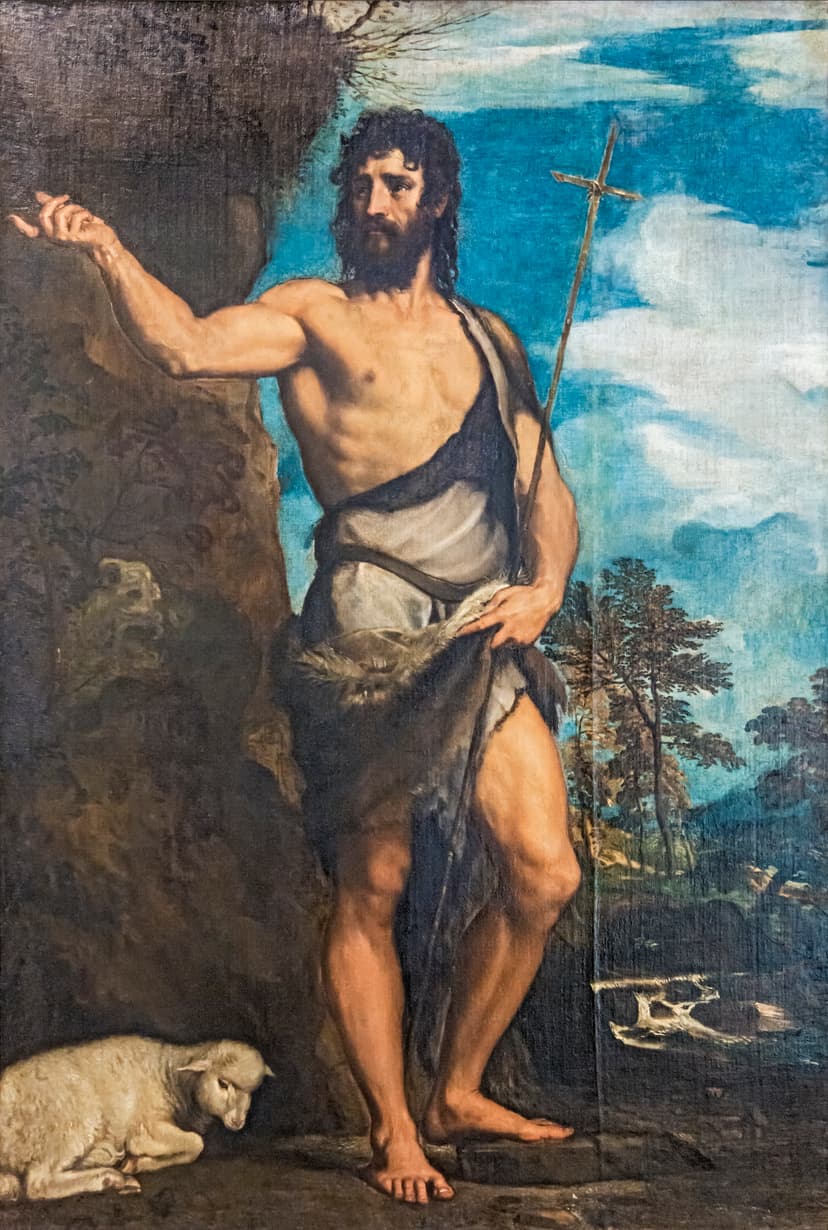
John the Baptist was a Jewish preacher active in the early first century AD along the Jordan River. Revered in Christianity, Islam, and other faiths, he is known for his ministry of repentance and baptism, anticipating a messianic figure greater than himself. According to the New Testament, he baptized Jesus and was later beheaded by Herod Antipas.
Abraham
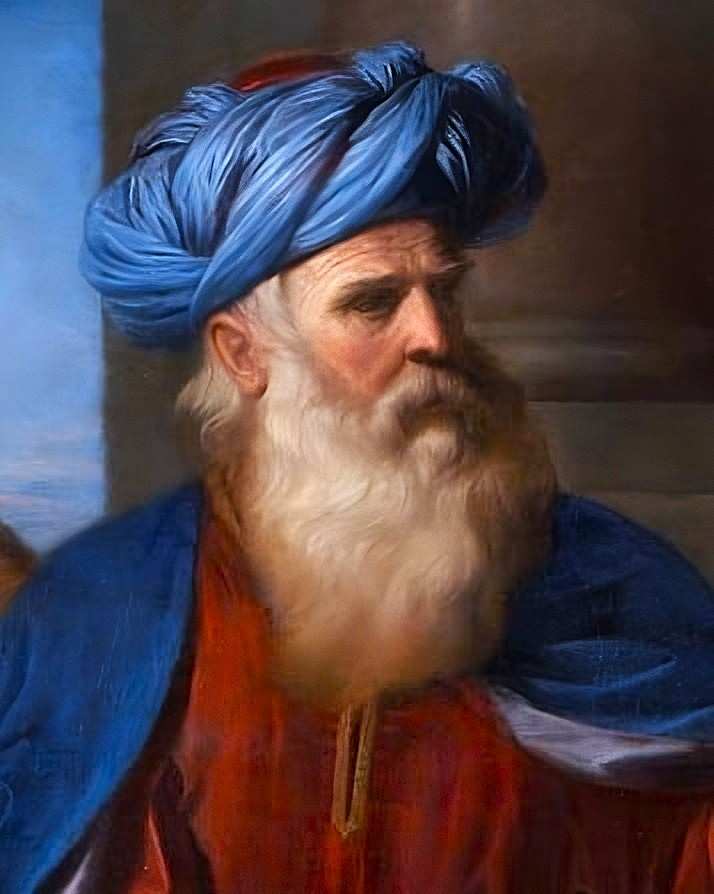
Abraham is a foundational figure in Judaism, Christianity, and Islam, revered as the first patriarch and the progenitor of the covenant between God and the Jewish people. He is also considered a spiritual ancestor to Christians and a prophet in the chain of prophets in Islam. His narrative in the Book of Genesis centers on God's promises of land and numerous descendants.
Enoch
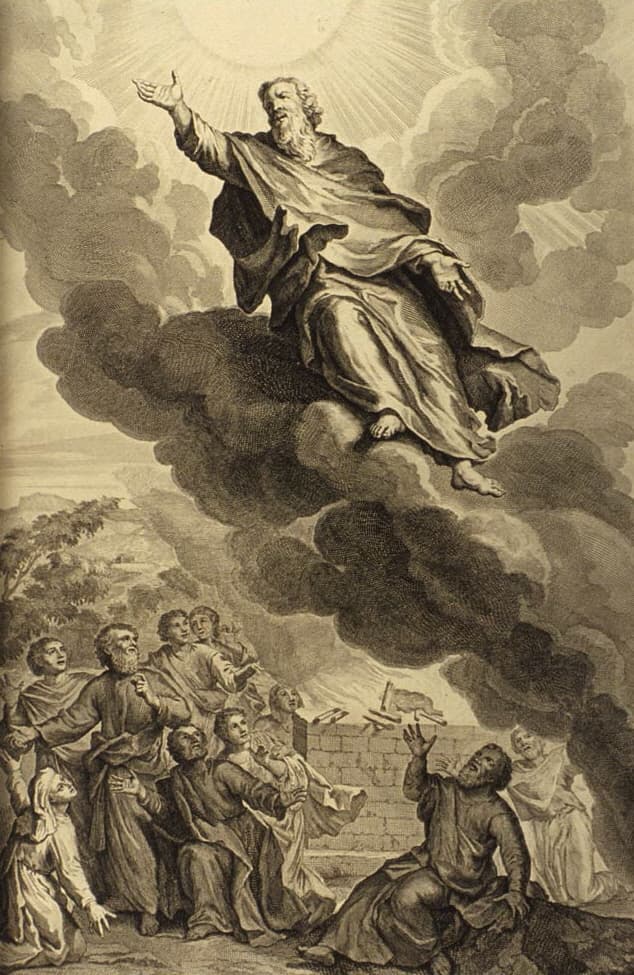
Enoch is a pre-Flood biblical patriarch mentioned in the Book of Genesis. He is renowned for "walking with God" and being taken by God without experiencing death, a unique event interpreted as his ascension into heaven. Enoch is also associated with various apocryphal texts, most notably the Book of Enoch, and is venerated as a saint in several Christian traditions.