
Enoch
Male
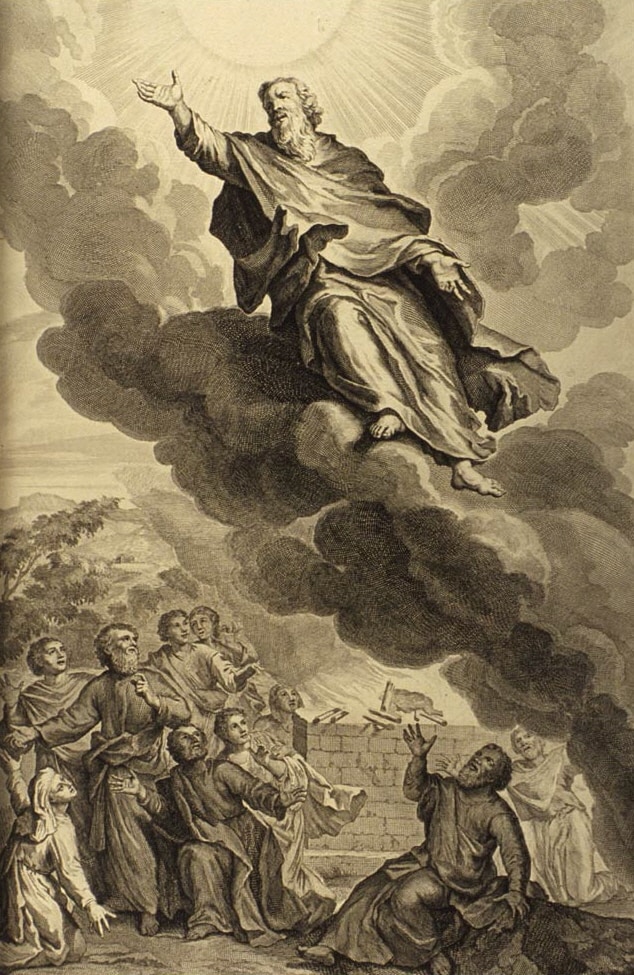
Enoch is a pre-Flood biblical patriarch mentioned in the Book of Genesis. He is renowned for "walking with God" and being taken by God without experiencing death, a unique event interpreted as his ascension into heaven. Enoch is also associated with various apocryphal texts, most notably the Book of Enoch, and is venerated as a saint in several Christian traditions.
Key Facts
- ›Son of Jared and father of Methuselah.
- ›Lived 365 years before being taken by God, according to Genesis.
- ›Described in Genesis as "walked with God."
- ›Subject of the apocryphal Book of Enoch, which details celestial journeys and divine secrets.
- ›Referenced in the New Testament Gospels and Epistles, including Jude, which quotes from the Book of Enoch.
- ›Venerated as a saint in the Catholic, Eastern Orthodox, and Oriental Orthodox Churches.
Book of Enoch, 2 Enoch, 3 Enoch
Idris (in Islam), Metatron (in some Jewish mysticism)
Jared, Methuselah, Noah, Adam
Saint
Biblical Figure, Patriarch
About Enoch
Enoch is a pivotal pre-Flood biblical figure and patriarch, primarily known from the Book of Genesis. He is the son of Jared and the father of Methuselah. The Genesis account notably states that Enoch lived for 365 years before "God took him," a phrase interpreted across various Jewish and Christian traditions as his ascension into heaven without experiencing death.
Life and Historical Context
Enoch is listed as the seventh of the ten pre-Diluvian patriarchs in Genesis chapter 5. The text emphasizes his unique relationship with the divine, stating twice that he "walked with God." This designation, along with his premature departure from life, sets him apart from his contemporaries, who are recorded as living for many centuries before dying. His lifespan of 365 years is also notably shorter than the others mentioned in the genealogy.
Major Contributions and Teachings
While the Book of Genesis provides a brief account of Enoch's life and departure, Enoch is extensively featured in a body of literature known as the Books of Enoch, most prominently the Book of Enoch (1 Enoch). These apocryphal texts attribute to him profound knowledge of celestial secrets, divine judgment, and the workings of the cosmos. He is often depicted as a scribe of judgment and an intermediary between God and humanity, though these texts are not considered canonical by most Jewish and Protestant traditions.
Important Relationships
Enoch's lineage connects him to significant figures in biblical history. He is the son of Jared and the father of Methuselah, who is recorded as the longest-living person in the Bible. He is also an ancestor of Noah, the builder of the ark, through whom humanity was preserved after the Great Flood.
Legacy and Impact
Enoch's unique fate—being taken by God without dying—has profoundly influenced theological thought. In Christianity, he is referenced in the New Testament, with the Epistle to the Hebrews highlighting his faith and translation. The Epistle of Jude even quotes from the Book of Enoch, indicating its early influence. He is venerated as a saint in the Catholic, Eastern Orthodox, and Oriental Orthodox Churches. In Islamic tradition, many identify Enoch with the prophet Idris, who is also described as having been raised to a high station by God. Latter-day Saint theology views Enoch as the founder of the righteous city of Zion, which was also taken from the earth without death.
Source: Wikipedia ↗
Frequently Asked Questions
Who was Enoch in the Bible?
Enoch was a biblical figure and patriarch who lived before the Great Flood. He is known for his close relationship with God, famously described as "walking with God."
What is the significance of Enoch being taken by God?
According to the Book of Genesis, Enoch was taken by God after living 365 years, without experiencing death. This event is widely interpreted in Jewish and Christian traditions as Enoch ascending directly into heaven alive.
What is the Book of Enoch?
The Book of Enoch is a collection of ancient Jewish religious texts attributed to Enoch. These texts describe his celestial journeys, visions of heaven and hell, and his role as a scribe of judgment, though they are not part of the standard biblical canon for most traditions.
How is Enoch viewed in different religious traditions?
In Judaism, Enoch is recognized as a righteous patriarch. In Christianity, he is referenced in the New Testament and venerated as a saint in many denominations. In Islam, he is often identified with the prophet Idris.
Where does Enoch appear in the Bible?
Enoch is primarily mentioned in the Book of Genesis, chapter 5, as part of the genealogy of pre-Flood patriarchs. He is also referenced in the New Testament, specifically in the Gospel of Luke, the Epistle to the Hebrews, and the Epistle of Jude.
Related Prophets

Malachi
Malachi is the author of the Book of Malachi, the final book in the Nevi'im section of the Tanakh. While "Malachi" means "messenger," it is debated whether this was his actual name or a pseudonym. Jewish tradition identifies him as Ezra the scribe and considers him the last of the prophets.
Abraham
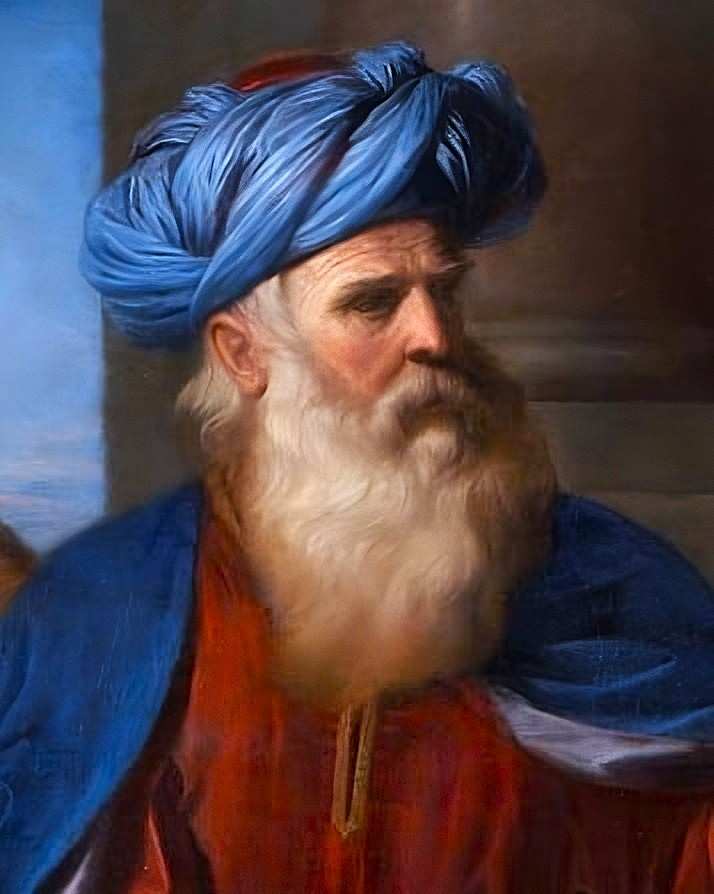
Abraham is a foundational figure in Judaism, Christianity, and Islam, revered as the first patriarch and the progenitor of the covenant between God and the Jewish people. He is also considered a spiritual ancestor to Christians and a prophet in the chain of prophets in Islam. His narrative in the Book of Genesis centers on God's promises of land and numerous descendants.
Noah
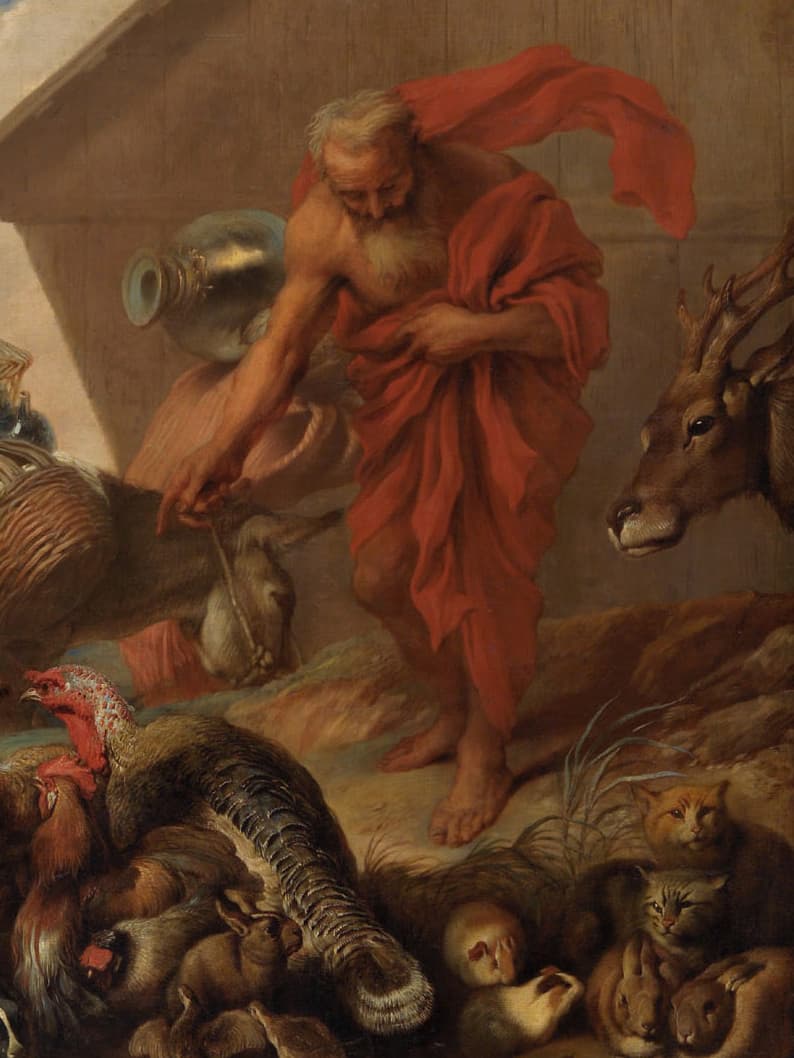
Noah is a pivotal figure in Abrahamic religions, recognized as the builder of the Ark and the survivor of a great flood sent by God to cleanse the Earth. His story, detailed in the Book of Genesis, highlights his faithfulness and obedience in saving humanity and all land animals from extinction, leading to a covenant between God and humankind. He is also credited as the first cultivator of the vine and is central to the establishment of the Seven Laws of Noah.