
Abraham
Male·2nd millennium BCE·Ancient Near East·Abrahamic religions
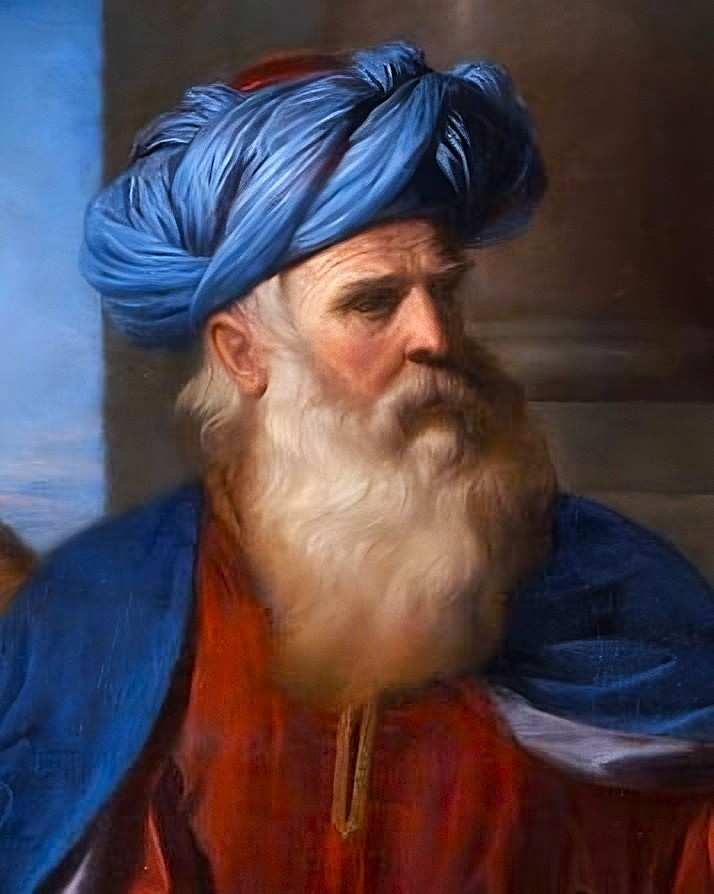
Abraham is a foundational figure in Judaism, Christianity, and Islam, revered as the first patriarch and the progenitor of the covenant between God and the Jewish people. He is also considered a spiritual ancestor to Christians and a prophet in the chain of prophets in Islam. His narrative in the Book of Genesis centers on God's promises of land and numerous descendants.
Key Facts
- ›Called by God to leave his home and settle in the land of Canaan, which was promised to him and his descendants.
- ›Married Sarah, who was initially barren, and later had a son, Isaac, with her. he also fathered Ishmael with Hagar.
- ›Purchased the Cave of the Patriarchs in Hebron as a burial place for Sarah, establishing a claim to the land.
- ›Engaged in a covenant ceremony with God, who renamed him Abraham ('father of a multitude') and promised him numerous descendants.
- ›Tested by God in the Binding of Isaac, where he was commanded to sacrifice his son but was ultimately prevented by an angel.
- ›Died at the age of 175 and was buried in the Cave of Machpelah by his sons Isaac and Ishmael.
Book of Genesis
Prophecy, Intercession
Abram
Sarah, Isaac, Ishmael, Hagar, Lot, Melchizedek, Abimelech, Terah
Patriarch, Prophet, Forefather, Friend of God
Patriarch, Prophet, Forefather, Spiritual Ancestor
Patriarch, Prophet, Legendary Figure
About Abraham
Abraham, originally named Abram, is a principal figure revered across Judaism, Christianity, and Islam, holding a foundational position as the first patriarch and a key link in the lineage of prophets. In Judaism, he is the ethnic ancestor of the Jewish people and the initiator of the covenantal relationship with God. Christianity views him as a spiritual ancestor of Jesus and all Christians, while Islam recognizes him as a significant prophet (Ibrahim) in the prophetic chain leading to Muhammad.
Life and Historical Context
The narrative of Abraham's life is primarily found in the Book of Genesis. He is depicted as being called by God to leave his homeland, Ur of the Chaldees, and settle in the land of Canaan, which God promised to him and his descendants. His story is marked by themes of divine promise, particularly concerning progeny and land, and the establishment of a covenant. While traditionally placed in the 2nd millennium BCE, most modern scholars consider the patriarchal narratives, including Abraham's story, to be a later literary construct, possibly developed orally over centuries and compiled during the Persian period to shape post-exilic Jewish identity and territorial claims.
Key Events and Relationships
Abraham's life is characterized by significant events and relationships. He married Sarah, who was initially barren, and later fathered Ishmael with her handmaiden Hagar. A pivotal moment was the birth of Isaac to Sarah in her old age, fulfilling God's promise. Abraham's faith was profoundly tested in the Binding of Isaac, where he was commanded to sacrifice his son but was divinely prevented. He also engaged in significant interactions with figures such as Lot, Melchizedek, and King Abimelech. His purchase of the Cave of the Patriarchs in Hebron served as a tangible claim to the promised land. Abraham later married Keturah and had several more sons before his death at the age of 175.
Legacy and Significance
Abraham's enduring legacy lies in his role as the common forefather of both the Jewish and Arab peoples and as the spiritual ancestor for Christians. His unwavering faith and obedience in the face of divine commands, particularly the promise of descendants and land, form the bedrock of the Abrahamic faiths. His narrative continues to inspire and guide the religious practices and theological understandings of billions worldwide, cementing his status as a central figure in religious history.
Source: Wikipedia ↗
Frequently Asked Questions
Who is Abraham?
Abraham is a pivotal figure in the Abrahamic religions, revered as the first patriarch in Judaism, a spiritual ancestor to Christians, and a prophet in Islam. He is considered the forefather of both the Jewish people through Isaac and the Arab people through Ishmael.
What are the main themes of Abraham's story?
The narrative of Abraham's life in the Book of Genesis primarily revolves around themes of divine blessing and promise, particularly the assurance of progeny and land. His story highlights themes of faith, obedience, and the establishment of a covenantal relationship with God.
What was Abraham's relationship with Sarah and Hagar?
Abraham was married to Sarah, who was initially unable to have children. At Sarah's suggestion, Abraham fathered Ishmael with her maidservant Hagar. Later, God miraculously enabled Sarah, despite her old age, to bear Abraham a son, Isaac.
What is the significance of the Binding of Isaac?
The Binding of Isaac is a pivotal test of Abraham's faith and obedience. Commanded by God to sacrifice his son Isaac, Abraham's willingness to obey was ultimately met by divine intervention, with a ram provided as a substitute sacrifice. This event reinforced God's promises to Abraham.
What is Abraham's role in Judaism?
In Judaism, Abraham is the first Hebrew patriarch and the ethnic ancestor of the Jewish people. He is recognized as the beginning of the covenantal relationship between the Jewish people and God, a relationship that continues to define Jewish identity and practice.
What is Abraham's role in Christianity and Islam?
In Christianity, Abraham is considered a spiritual ancestor of Jesus and the spiritual forefather of all believers. In Islam, he is revered as a prophet (Ibrahim) and a significant link in the chain of prophets that includes Adam and Muhammad.
What is the historical view of Abraham?
Most scholars view the patriarchal age, including Abraham's life, as a literary construct developed over time rather than a strictly historical account of a specific era. The traditions surrounding Abraham are believed to have been shaped during the Persian period to define post-exilic Jewish identity and territorial claims.
Related Prophets
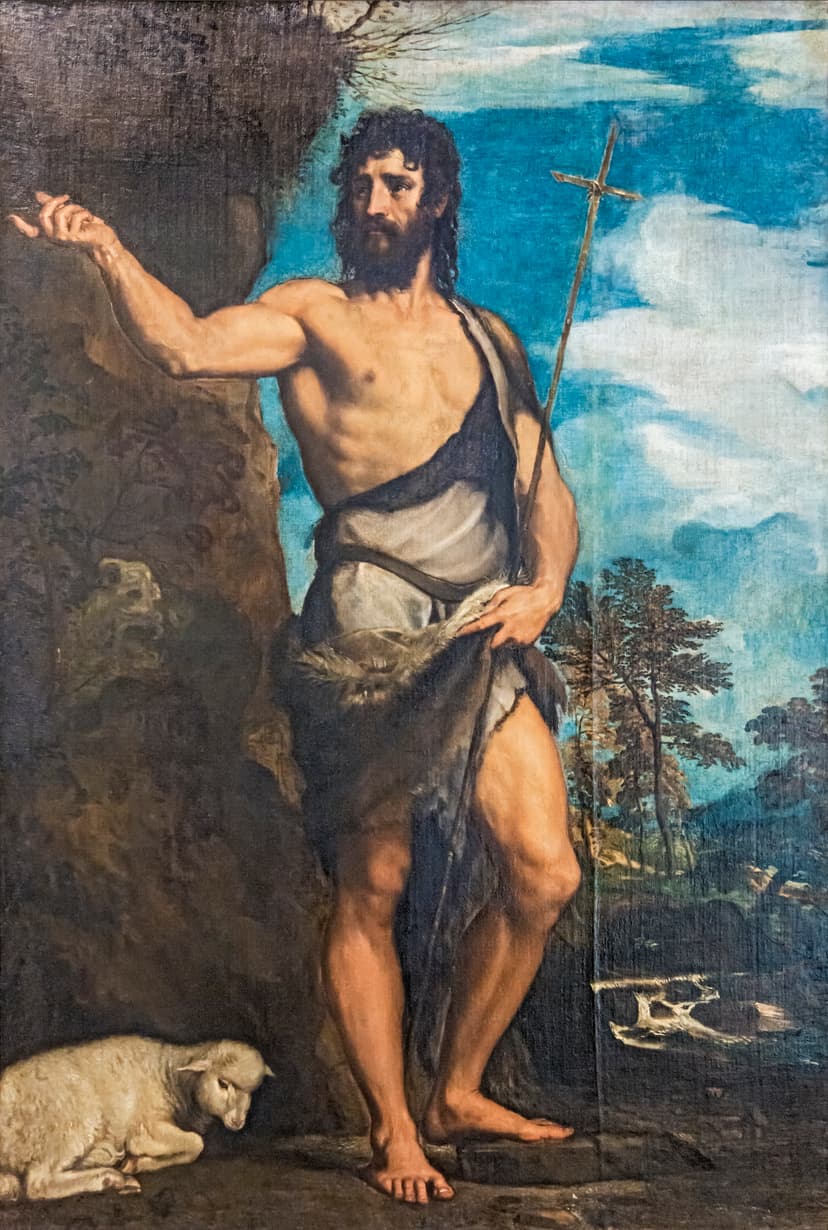
John the Baptist
John the Baptist was a Jewish preacher active in the early first century AD along the Jordan River. Revered in Christianity, Islam, and other faiths, he is known for his ministry of repentance and baptism, anticipating a messianic figure greater than himself. According to the New Testament, he baptized Jesus and was later beheaded by Herod Antipas.
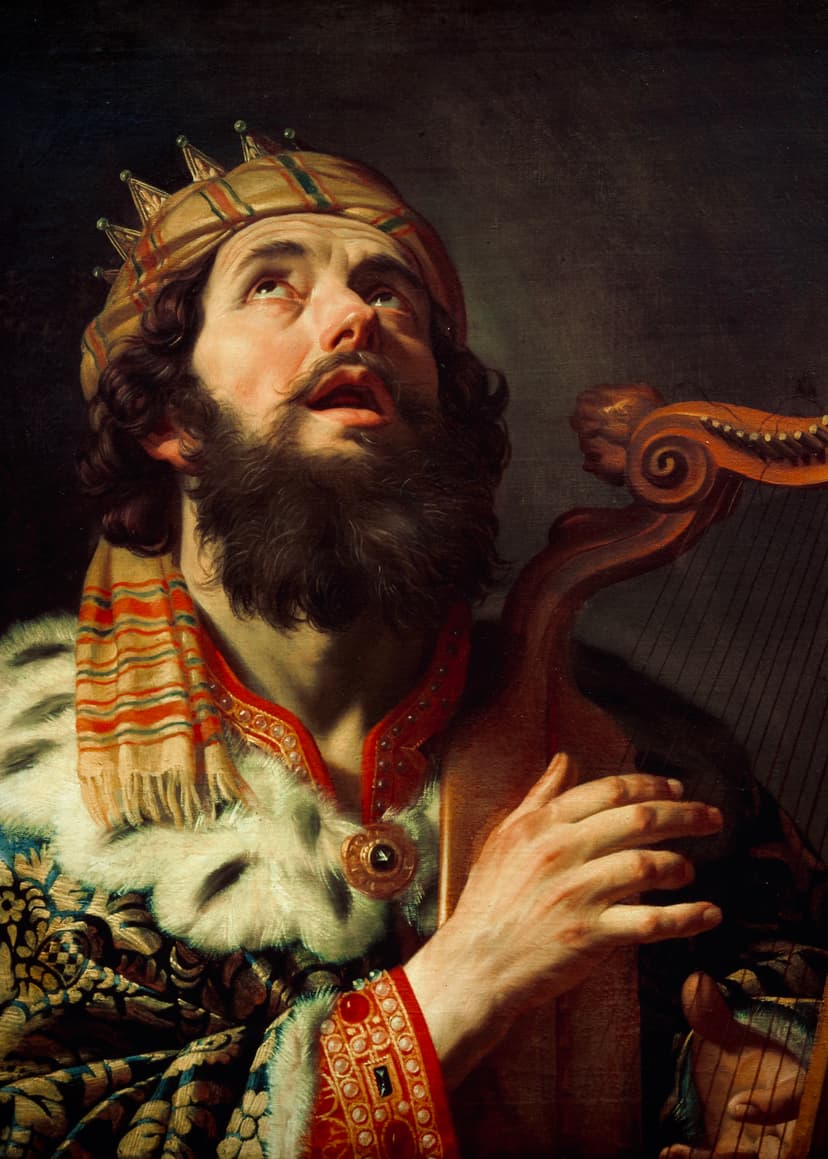
David
David was the second king of the united Kingdom of Israel, according to the Hebrew Bible. He is renowned for his military prowess, particularly for defeating the giant Goliath, and for his role as a psalmist. David is considered an ideal king and the forefather of the future Hebrew Messiah in Jewish tradition, and is recognized as a prophet in Islam.
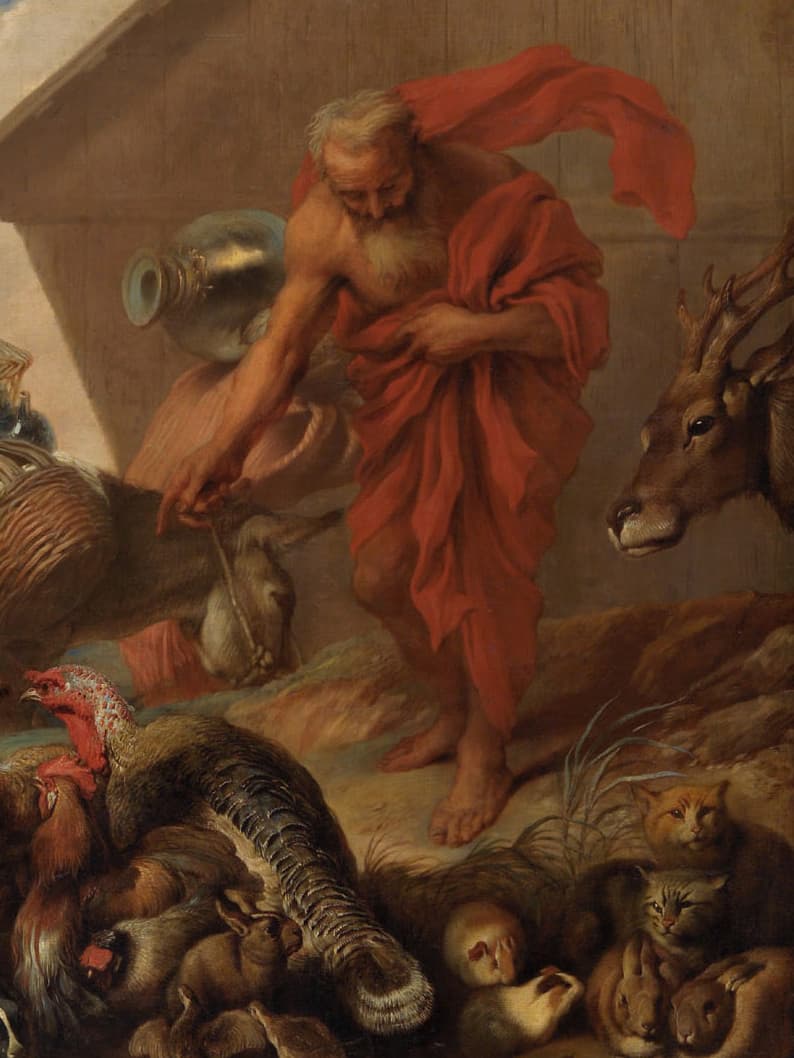
Noah
Noah is a pivotal figure in Abrahamic religions, recognized as the builder of the Ark and the survivor of a great flood sent by God to cleanse the Earth. His story, detailed in the Book of Genesis, highlights his faithfulness and obedience in saving humanity and all land animals from extinction, leading to a covenant between God and humankind. He is also credited as the first cultivator of the vine and is central to the establishment of the Seven Laws of Noah.