
David
Male·9th century BC·Ancient Israel·Tribe of Judah
David was the second king of the united Kingdom of Israel, according to the Hebrew Bible. He is renowned for his military prowess, particularly for defeating the giant Goliath, and for his role as a psalmist. David is considered an ideal king and the forefather of the future Hebrew Messiah in Jewish tradition, and is recognized as a prophet in Islam.
Key Facts
- ›Anointed king of Israel by the prophet Samuel, succeeding Saul.
- ›Defeated the Philistine giant Goliath with a sling.
- ›Conquered Jerusalem and made it the capital of the united Kingdom of Israel.
- ›Brought the Ark of the Covenant to Jerusalem.
- ›Composed many psalms, earning him the title 'sweet psalmist of Israel'.
- ›Considered a significant prophet and king in Jewish, Christian, and Islamic traditions.
Psalms
Dāwīḏ, Beloved one
Saul, Jonathan, Goliath, Bathsheba, Uriah the Hittite, Absalom, Solomon, Samuel, Nathan
Prophet, King, Saint, Ideal King
King, Prophet, Warrior, Psalmist, Forefather
King, Prophet, Biblical Figure
About David
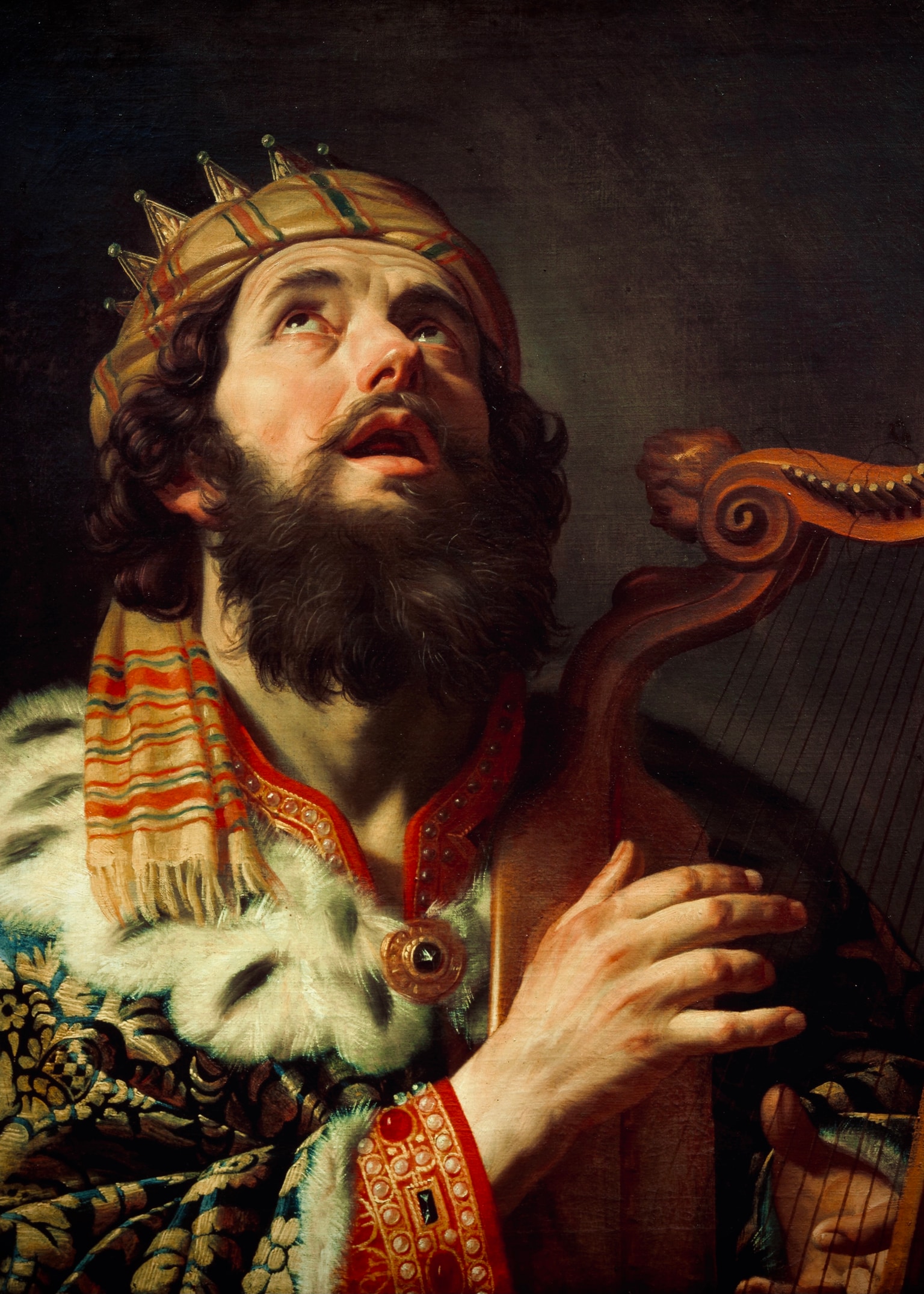
David was the second king of the united Kingdom of Israel, a pivotal figure in the Hebrew Bible and Old Testament. According to biblical narratives, David began as a young shepherd and harpist deeply devoted to Yahweh. He rose to prominence by defeating the Philistine giant Goliath, a feat that established him as a national hero.
Life and Historical Context
David's reign is traditionally placed around the 9th century BC, though the exact timeframe and the extent of his kingdom remain subjects of scholarly debate. Much of what is known about David comes from biblical literature, whose historicity is often challenged. Despite these challenges, the biblical account describes David's ascent from obscurity to kingship after the perceived failings of King Saul. He eventually unified the tribes of Israel, conquered Jerusalem, and established it as his capital, bringing the Ark of the Covenant to the city.
His reign was marked by both significant achievements and personal failings, including adultery with Bathsheba and the subsequent orchestration of her husband Uriah's death. These transgressions led to divine punishment and internal strife, most notably a rebellion led by his son Absalom. Despite these challenges, David is depicted as a remorseful figure who sought divine forgiveness.
Major Contributions and Teachings
David is celebrated as "the sweet psalmist of Israel," with tradition attributing numerous psalms to his authorship. These psalms cover a wide range of human emotions and spiritual experiences, from praise and thanksgiving to lament and repentance, forming a core part of Jewish and Christian worship. While the direct attribution of specific psalms is debated, the association highlights David's profound spiritual and musical legacy.
As a king, David is often portrayed as an ideal ruler, embodying courage, devotion, and leadership, though his reign was not without controversy. He is also credited with military victories over various neighboring peoples, consolidating Israel's power and territory.
Important Relationships
Key relationships in David's life include his complex dynamic with King Saul, his deep bond with Saul's son Jonathan, his controversial union with Bathsheba, and his tumultuous relationship with his son Absalom, who attempted to usurp his throne. The prophet Nathan plays a crucial role, both in anointing David and in confronting him about his sins.
Legacy
David's legacy is immense and multifaceted. In Judaism, he is revered as an ideal king and the progenitor of the Messiah. Christianity views Jesus as a descendant of David, fulfilling messianic prophecies. In Islam, David (Dāwūd) is recognized as a prophet (nabi) and king (malik) of Allah, granted divine wisdom and the Psalms. His story has inspired centuries of art, literature, and theological interpretation across the Abrahamic faiths, solidifying his place as one of history's most enduring religious and cultural figures.
Source: Wikipedia ↗
Frequently Asked Questions
Who was David in the Bible?
David was the second king of the united Kingdom of Israel, succeeding King Saul. He is a central figure in the Hebrew Bible, known for his military victories, his reign as king, and his role as a devout worshipper of God.
What is David most famous for?
David is most famous for his legendary battle against the Philistine giant Goliath, whom he defeated with a sling. He is also celebrated for his skill as a musician, particularly his harp playing, and for composing many of the Psalms.
What was David's relationship with Saul?
David initially served in King Saul's army and became a favorite, but Saul grew jealous of David's popularity and perceived him as a threat. This led Saul to plot against David, forcing David to flee and hide for a period.
What significant achievements are attributed to David as king?
As king, David conquered Jerusalem and established it as the capital of Israel. He also brought the Ark of the Covenant to the city and expanded his kingdom through military victories over surrounding nations.
How is David viewed in other religious traditions?
In Christianity, Jesus is presented as a descendant of David, fulfilling prophecies about the Messiah. In Islam, David (Dāwūd) is recognized as a prophet of Allah, granted kingship, wisdom, and the Psalms.
What is the significance of the Psalms attributed to David?
Many Psalms are attributed to David, and they are considered foundational to Jewish and Christian worship. These psalms express a wide range of human emotions, from praise and thanksgiving to lament and repentance.
Related Prophets
Jehu
Jehu was the tenth king of the northern Kingdom of Israel, reigning for 28 years. He is primarily known for his violent purge of the house of Ahab, an act of divine judgment that secured his dynasty's rule for four generations. His reign was marked by conflict with the Arameans and a submission to Assyrian tribute.
Abraham
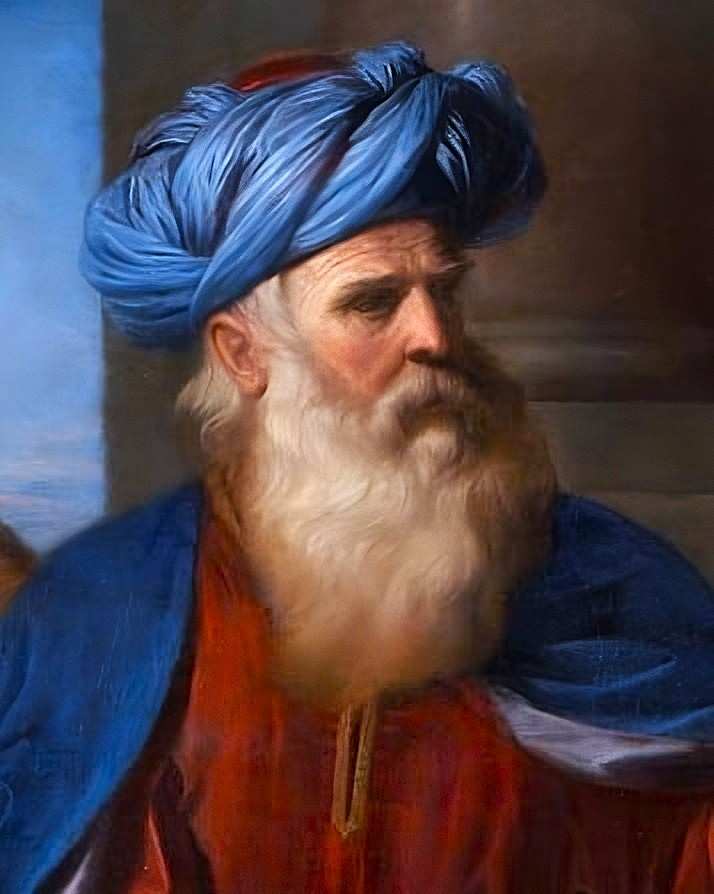
Abraham is a foundational figure in Judaism, Christianity, and Islam, revered as the first patriarch and the progenitor of the covenant between God and the Jewish people. He is also considered a spiritual ancestor to Christians and a prophet in the chain of prophets in Islam. His narrative in the Book of Genesis centers on God's promises of land and numerous descendants.
Joshua
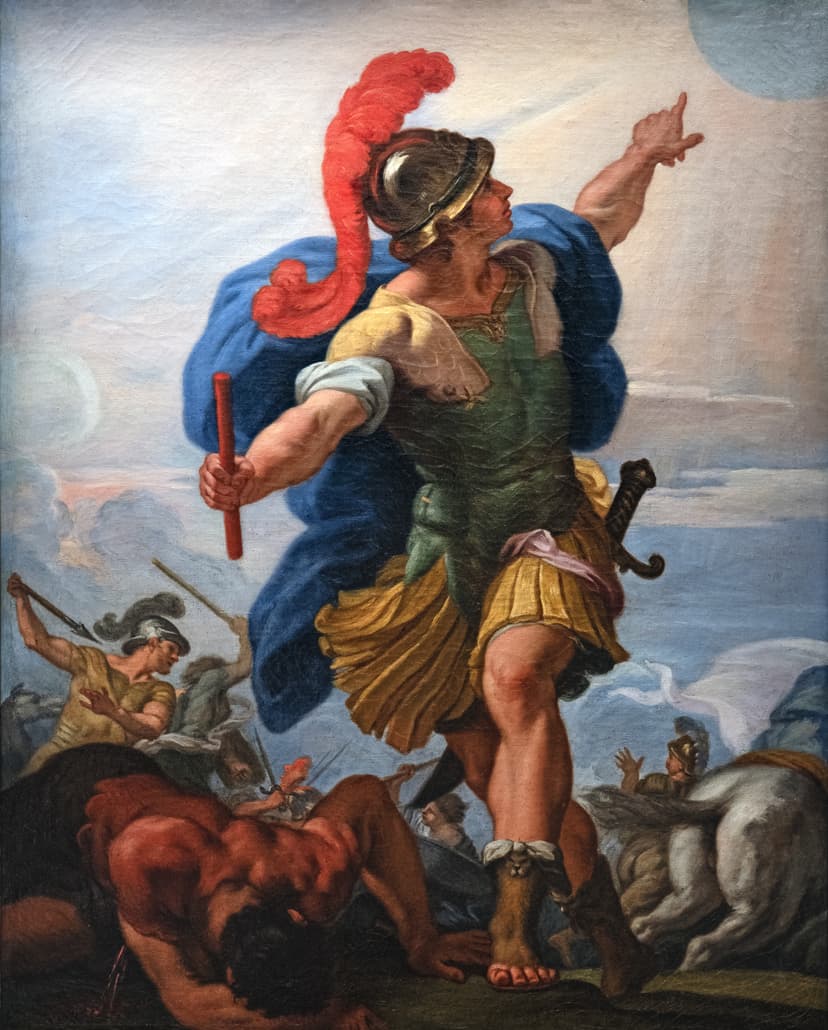
Joshua, originally named Hoshea, was a pivotal figure in the Hebrew Bible, succeeding Moses as the leader of the Israelite tribes. He is renowned for leading the Israelites in the conquest and division of the Promised Land of Canaan. Joshua is also recognized as a prophet and a significant figure in Islamic tradition, where he is known as Yusha bin Nun.