
Joshua
Male·Bronze Age·Ancient Near East·Israelites
Joshua, originally named Hoshea, was a pivotal figure in the Hebrew Bible, succeeding Moses as the leader of the Israelite tribes. He is renowned for leading the Israelites in the conquest and division of the Promised Land of Canaan. Joshua is also recognized as a prophet and a significant figure in Islamic tradition, where he is known as Yusha bin Nun.
Key Facts
- ›Moses changed his name from Hoshea to Yehoshua (Joshua), meaning 'Yahweh is salvation'.
- ›He was one of the twelve spies sent to scout the land of Canaan.
- ›Joshua led the Israelites in the conquest of Canaan, including the battles of Jericho and Ai.
- ›He is credited with causing the sun and moon to stand still during a battle to ensure victory.
- ›Joshua allocated the inherited lands to the twelve tribes of Israel.
- ›He died at the age of 110 and was buried in Timnath-heres in the hill country of Ephraim.
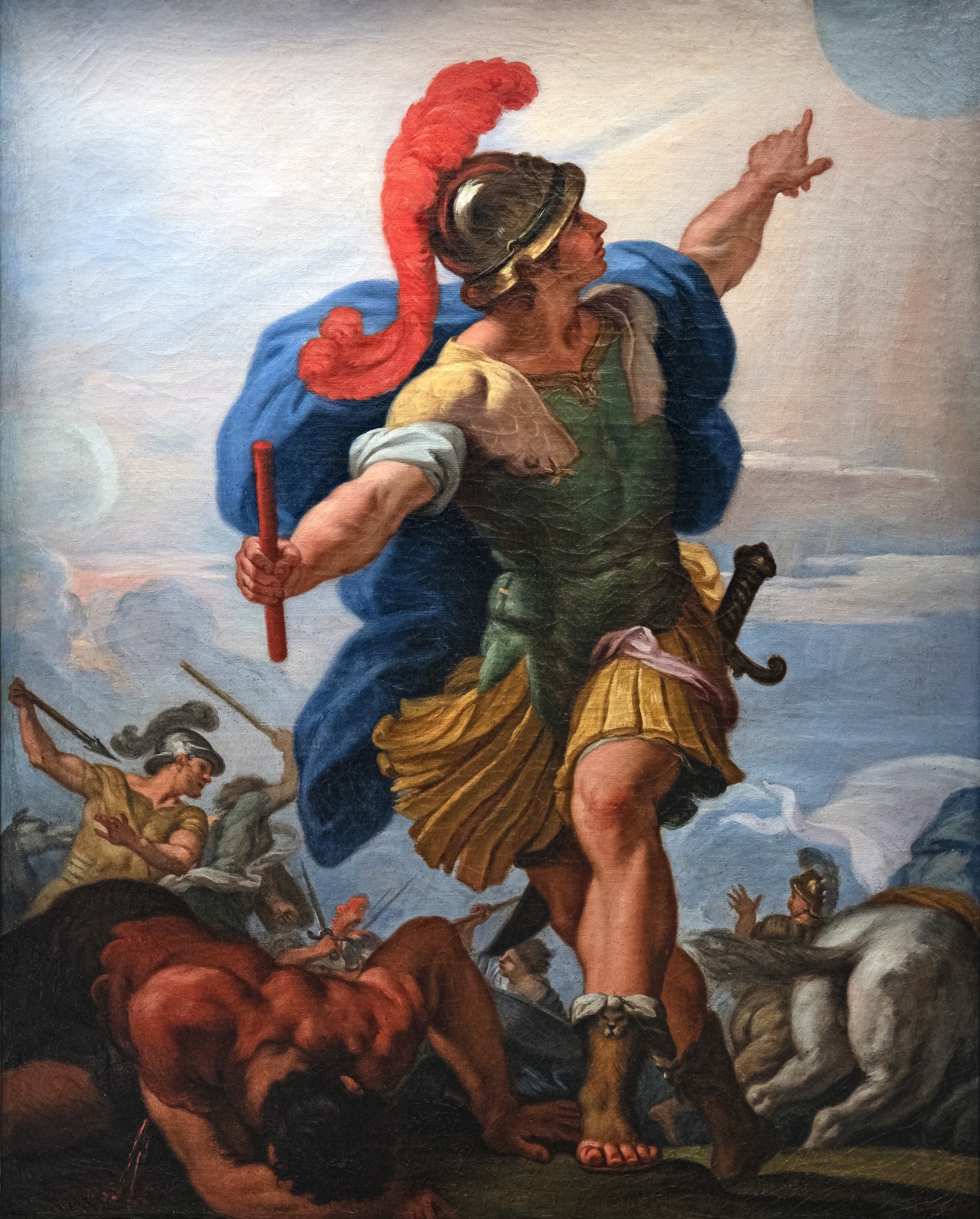
Book of Joshua
Divine Guidance, Victory In Battle, Miraculous Intervention
Yehoshua, Jehoshua, Josue, Yusha bin Nun
Moses, Caleb, Nun, Khidr
Prophet, Biblical Hero
Prophet, Biblical Figure, Leader
About Joshua
Joshua, whose original name was Hoshea, was a pivotal figure in ancient Israelite history and religious tradition. As Moses' trusted assistant and successor, he is most famously recognized for leading the Israelite tribes in their conquest and subsequent division of the Promised Land of Canaan, as detailed in the Hebrew Bible.
Life and Ministry
Born in Egypt prior to the Exodus, Joshua served Moses faithfully, accompanying him to Mount Sinai and acting as custodian of the Tabernacle. He was chosen as one of the twelve spies sent to explore Canaan, and unlike the others, he and Caleb brought back an encouraging report, for which they were rewarded by being the only ones of their generation permitted to enter the Promised Land. Upon Moses' death, Joshua was divinely appointed to lead the Israelites, receiving assurances of success and invincibility.
His leadership marked a period of significant military campaigns, including the miraculous fall of Jericho and the notable stopping of the sun and moon during a crucial battle against an alliance of Amorite kings. Following the conquest, Joshua presided over the allocation of land to the twelve tribes, fulfilling God's promise to their forefathers. He died at the age of 110 and was buried in Timnath-heres.
Religious Significance
In Judaism, Joshua is revered as a faithful and wise leader. Christianity views him as a precursor or 'type' of Jesus Christ, with Hebrews 4:8–10 contrasting Joshua leading the Israelites into the rest of Canaan with Jesus leading believers into God's eternal rest. In Islam, he is known as Yusha bin Nun, a respected prophet and the attendant of Moses, who played a role in the conquest of Jerusalem and is associated with miracles.
Historicity
While the Book of Joshua provides a narrative of conquest, contemporary scholarly consensus suggests that it is not a literal historical account. Archaeological findings often do not align with the biblical descriptions of the destruction and occupation of cities during the Late Bronze Age. Scholars often interpret the book as serving theological purposes, conveying messages about God's faithfulness and the importance of obedience, possibly reflecting the concerns and narratives of later periods in Israelite history.
Legacy
Joshua's legacy is profound, embodying themes of divine promise, leadership, faith, and the struggle for a homeland. His story continues to be a significant part of the religious and cultural heritage of Judaism, Christianity, and Islam, influencing concepts of divine covenant, territorial inheritance, and spiritual fortitude.
Source: Wikipedia ↗
Frequently Asked Questions
Who was Joshua in the Bible?
Joshua was Moses' assistant and successor, who led the Israelite tribes in the conquest and division of the Promised Land of Canaan. He is a central figure in the Book of Joshua in the Hebrew Bible.
What is Joshua known for?
Joshua is primarily known for leading the Israelites in the military conquest of Canaan and for allocating the land to the twelve tribes. He is also noted for miracles such as halting the sun and moon to complete a battle.
What was Joshua's original name?
Joshua's original name was Hoshea, son of Nun, of the tribe of Ephraim. Moses renamed him Yehoshua (Joshua).
What is the meaning of the name Joshua?
The Hebrew name Yehoshua is commonly interpreted to mean 'Yahweh is salvation'. It is derived from the Hebrew root 'y-š-ʿ', meaning 'to save, help, or deliver'.
What role does Joshua play in Islam?
In Islam, Joshua, known as Yusha bin Nun, is respected as a prophet and the faithful attendant of Moses. He is believed to have accompanied Moses on his journey to meet Khidr and is mentioned in Islamic literature as a leader of the faithful.
Is the Book of Joshua historically accurate?
Mainstream scholarly opinion suggests the Book of Joshua is not a factual historical account. Archaeological evidence often contradicts the biblical narrative regarding the timing and nature of the conquest of cities like Jericho and Ai.
Where is Joshua buried?
According to the Book of Joshua, he was buried in Timnath-heres, in the hill country of Ephraim. Jewish tradition also places his tomb at Kifl Haris near Nablus.
Related Prophets
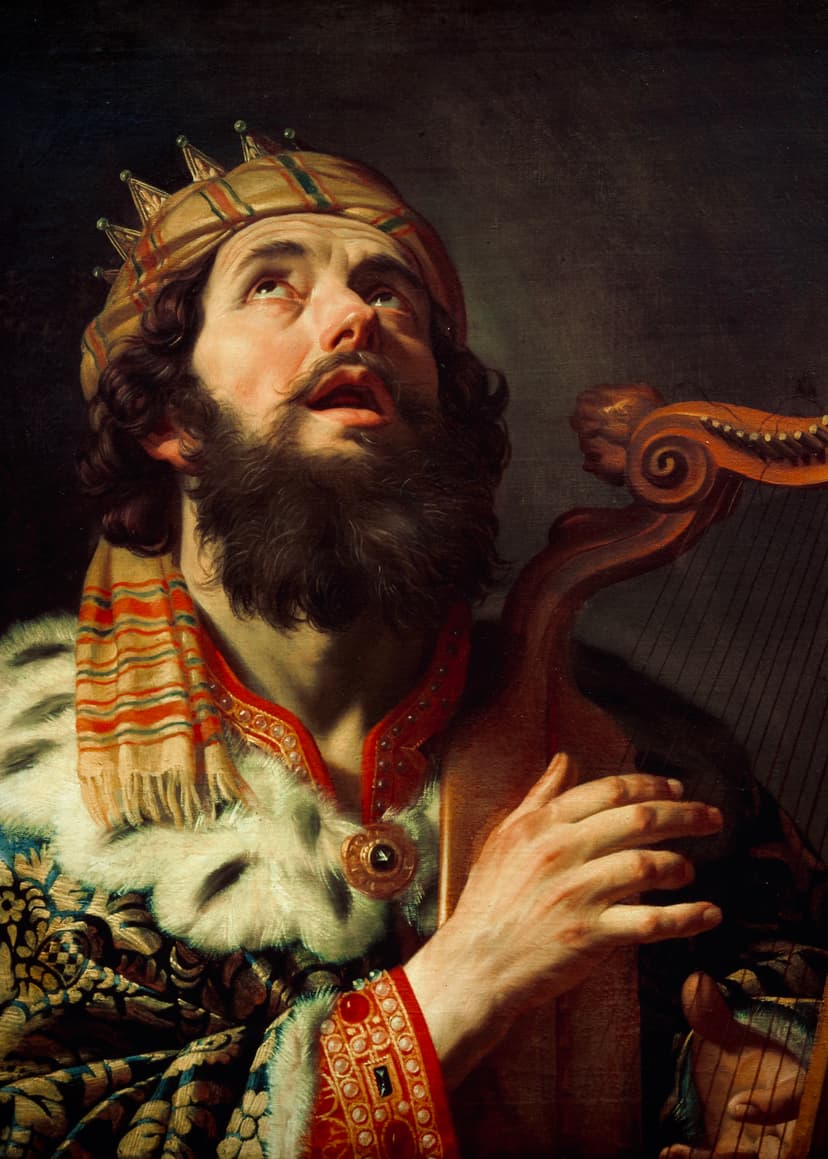
David
David was the second king of the united Kingdom of Israel, according to the Hebrew Bible. He is renowned for his military prowess, particularly for defeating the giant Goliath, and for his role as a psalmist. David is considered an ideal king and the forefather of the future Hebrew Messiah in Jewish tradition, and is recognized as a prophet in Islam.
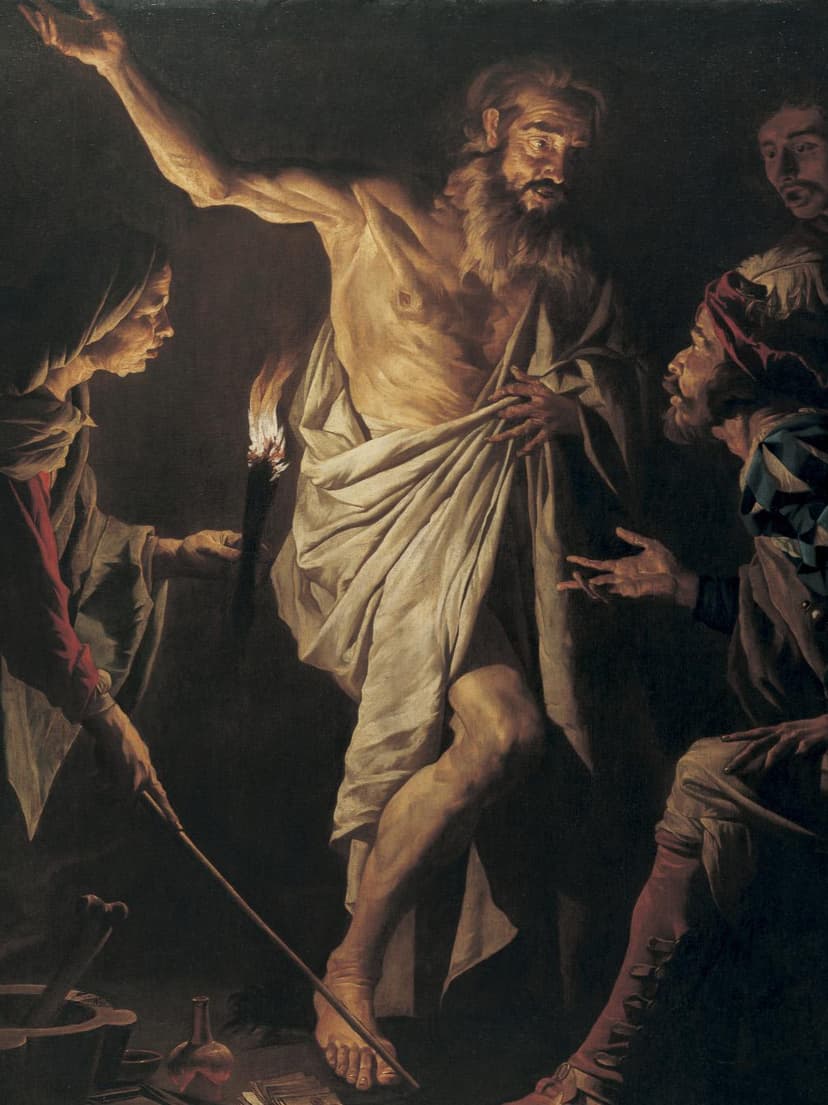
Samuel
Samuel was a prophet, judge, and seer in ancient Israel, revered in Judaism, Christianity, and Islam. He is primarily known for his pivotal role in the transition from the era of the Judges to the establishment of the Israelite monarchy, anointing both Saul and David as kings. His ministry marked a significant shift in Israelite governance and religious leadership.
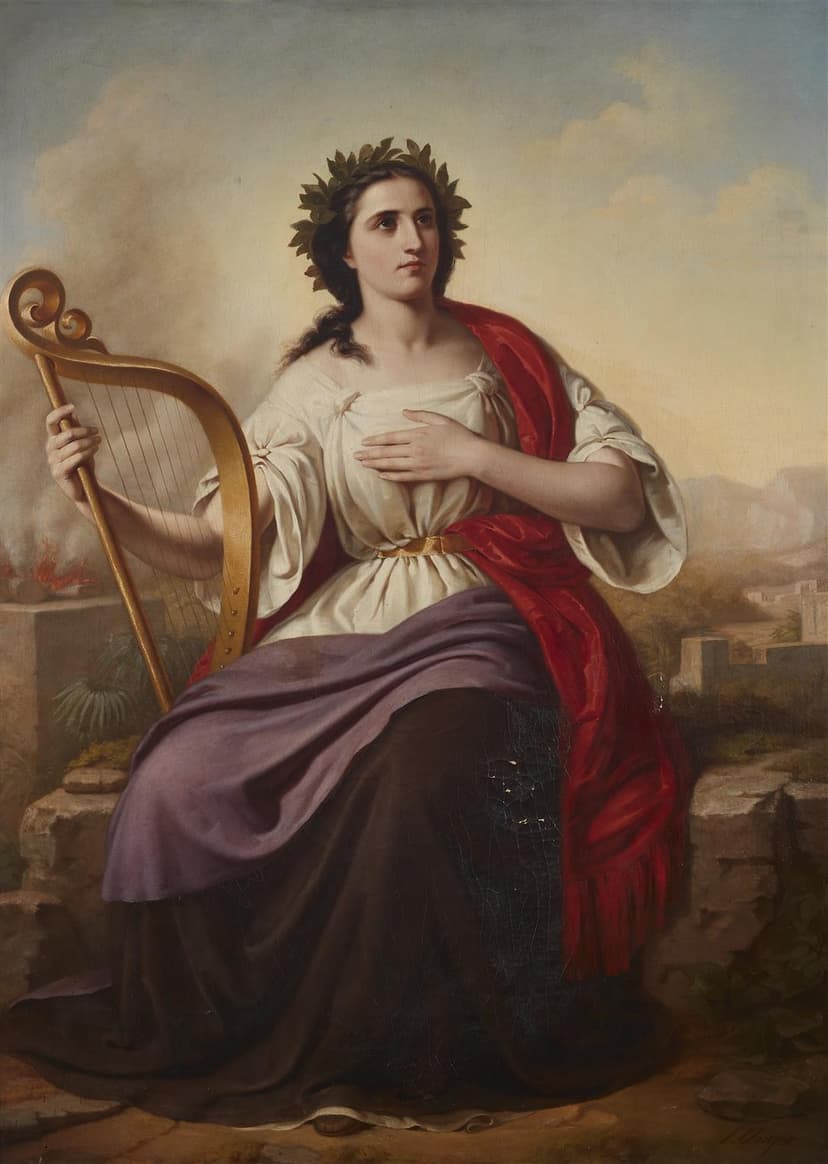
Deborah
Deborah was a prophetess and the fourth Judge of pre-monarchic Israel, serving as the only female judge mentioned in the Hebrew Bible. She is renowned for her divine guidance to the Israelite general Barak, leading to a significant victory against the Canaanite forces led by Sisera. Her story is preserved in the Book of Judges, including the "Song of Deborah," considered one of the earliest examples of Hebrew poetry.