
Samuel
Male·11th century BC·Ancient Israel·Levite (traditionally)
Samuel was a prophet, judge, and seer in ancient Israel, revered in Judaism, Christianity, and Islam. He is primarily known for his pivotal role in the transition from the era of the Judges to the establishment of the Israelite monarchy, anointing both Saul and David as kings. His ministry marked a significant shift in Israelite governance and religious leadership.
Key Facts
- ›Son of Hannah and Elkanah, born after his mother's fervent prayer.
- ›Called by God at a young age while serving under Eli, the priest of Shiloh.
- ›Led the Israelites to a decisive victory against the Philistines at Mizpah.
- ›Appointed his sons as successors, but they proved corrupt, leading to the demand for a king.
- ›Secretly anointed Saul as the first king of Israel.
- ›Later denounced Saul for disobedience and secretly anointed David as king.
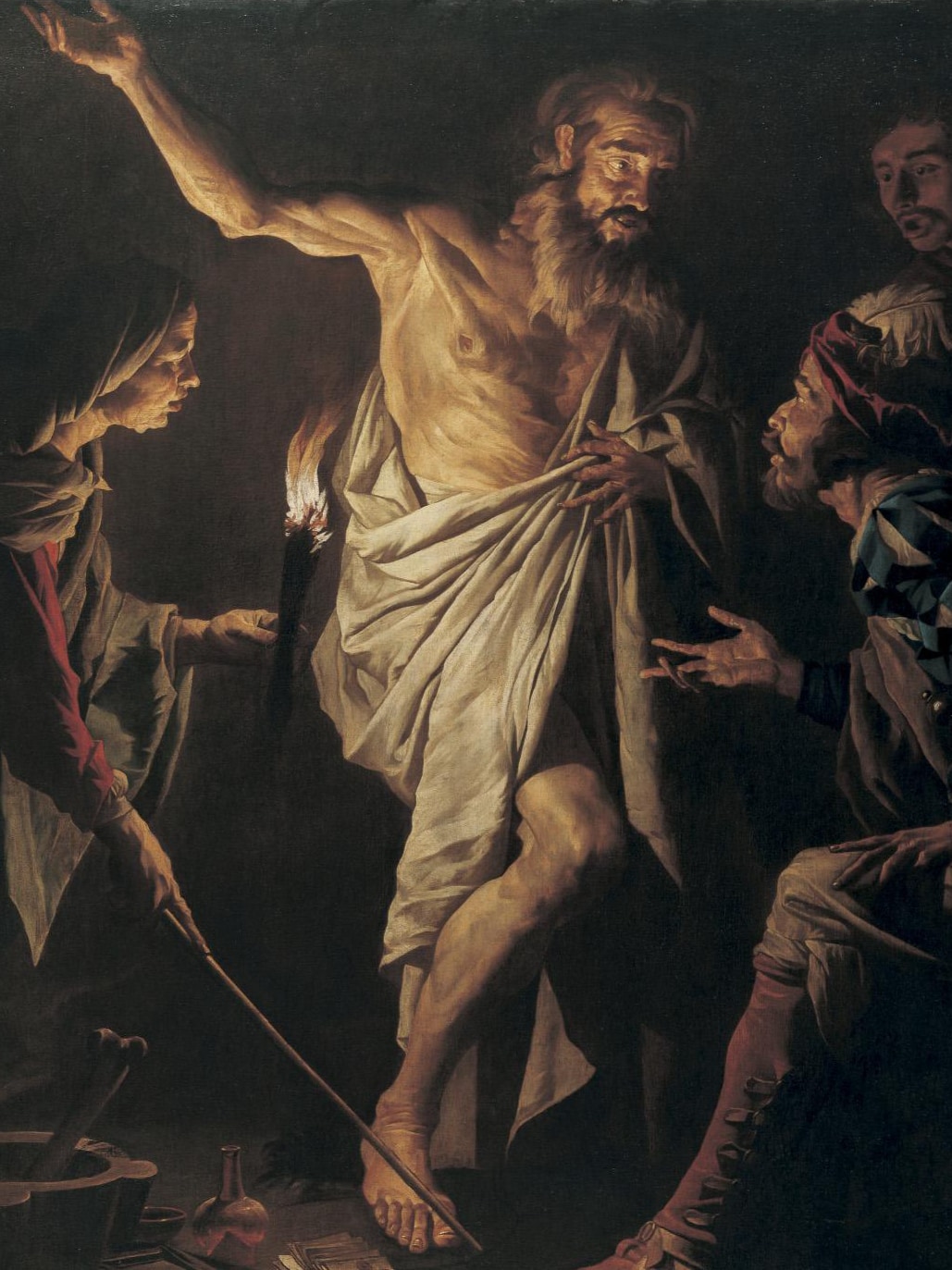
Book of Samuel
Prophecy, Seer Abilities
The Seer
Hannah, Elkanah, Eli, Saul, David, Agag
Prophet, Judge, Seer, Saint
Prophet, Judge, Biblical Figure
About Samuel
Samuel was a prominent prophet, judge, and seer in ancient Israel, revered across Judaism, Christianity, and Islam. He is most significantly known for his role in orchestrating the transition from the period of the biblical judges to the establishment of the United Kingdom of Israel, anointing both Saul and David as kings.
Life and Historical Context
Samuel's birth is recounted in the Hebrew Bible as the answer to his mother Hannah's fervent prayers. Dedicated to God from birth as a nazirite, he served under the priest Eli at Shiloh. His calling as a prophet occurred at a young age, when God spoke to him directly, revealing the doom of Eli's corrupt sons. Samuel grew to be recognized throughout Israel as a trustworthy prophet and judge.
During a period of Philistine oppression, Samuel emerged as a national leader, rallying the Israelites and leading them to a decisive victory at Mizpah. This solidified his authority and paved the way for the demand for a king, a concept he initially resisted but ultimately fulfilled.
Major Contributions
Samuel's most impactful contribution was his role as king-maker. He secretly anointed Saul as the first king of Israel, and later, after Saul's disobedience, he secretly anointed David as the future king. He also delivered a significant farewell address to the people, warning them about the responsibilities and potential pitfalls of monarchy and emphasizing the importance of worshipping God alone.
He was a vocal critic of King Saul when the king failed to follow divine commands, most notably in the campaign against the Amalekites. This led to God's rejection of Saul's dynasty and foreshadowed Samuel's role in David's eventual ascension.
Important Relationships
Key figures in Samuel's life include his parents, Hannah and Elkanah, his mentor Eli, and the two kings he anointed, Saul and David. His relationship with Saul later became strained due to Saul's disobedience, while his role in supporting David was crucial during David's persecution by Saul.
Legacy
Samuel's legacy is that of a pivotal transitional figure who shaped the religious and political landscape of ancient Israel. He is remembered as a prophet of integrity who upheld God's law, a judge who administered justice, and a seer who guided the nation through a critical period, laying the groundwork for the Davidic monarchy and continuing to be venerated in major Abrahamic faiths.
Source: Wikipedia ↗
Frequently Asked Questions
Who were Samuel's parents?
Samuel's mother was Hannah, and his father was Elkanah. Hannah was unable to have children and prayed fervently for a son, dedicating him to God as a nazirite.
How was Samuel called by God?
While Samuel was serving under Eli in Shiloh, he heard a voice calling his name. After three instances, Eli realized it was the Lord and instructed Samuel on how to respond, leading to God's message about Eli's corrupt sons.
What was Samuel's role in the establishment of the monarchy?
Samuel was instrumental in the transition from the rule of judges to kingship. After his sons proved unworthy, he reluctantly agreed to appoint a king and anointed both Saul and later David.
Why did Samuel denounce King Saul?
Samuel denounced Saul for disobedience, particularly for proceeding with a sacrifice without waiting for Samuel and for sparing King Agag and the best livestock during the campaign against the Amalekites, which violated God's command.
Where is Samuel buried?
Samuel is described in the biblical narrative as being buried in Ramah. Tradition identifies his tomb with a site in the West Bank village of Nabi Samwil.
How is Samuel viewed in other religions?
Samuel is venerated as a prophet in Judaism, Christianity, and Islam. Christians see him as a prophet, judge, and wise leader, while in Islam, he is considered a prophet and seer, though not named in the Quran.
Related Prophets
Deborah
Deborah was a prophetess and the fourth Judge of pre-monarchic Israel, serving as the only female judge mentioned in the Hebrew Bible. She is renowned for her divine guidance to the Israelite general Barak, leading to a significant victory against the Canaanite forces led by Sisera. Her story is preserved in the Book of Judges, including the "Song of Deborah," considered one of the earliest examples of Hebrew poetry.
Joshua
Joshua, originally named Hoshea, was a pivotal figure in the Hebrew Bible, succeeding Moses as the leader of the Israelite tribes. He is renowned for leading the Israelites in the conquest and division of the Promised Land of Canaan. Joshua is also recognized as a prophet and a significant figure in Islamic tradition, where he is known as Yusha bin Nun.
Jehu
Jehu was the tenth king of the northern Kingdom of Israel, reigning for 28 years. He is primarily known for his violent purge of the house of Ahab, an act of divine judgment that secured his dynasty's rule for four generations. His reign was marked by conflict with the Arameans and a submission to Assyrian tribute.