
Deborah
Female·12th century BC·Ancient Israel·Israelites
Deborah was a prophetess and the fourth Judge of pre-monarchic Israel, serving as the only female judge mentioned in the Hebrew Bible. She is renowned for her divine guidance to the Israelite general Barak, leading to a significant victory against the Canaanite forces led by Sisera. Her story is preserved in the Book of Judges, including the "Song of Deborah," considered one of the earliest examples of Hebrew poetry.
Key Facts
- ›A prophetess and judge of pre-monarchic Israel.
- ›Delivered divine commands to General Barak to attack King Jabin's forces.
- ›Presided over legal judgments from beneath a date palm tree.
- ›Her victory over Sisera is recounted in the Book of Judges and the poetic "Song of Deborah."
- ›The "Song of Deborah" is considered one of the earliest samples of Hebrew poetry.
- ›The biblical account states there was 40 years of peace after her victory.
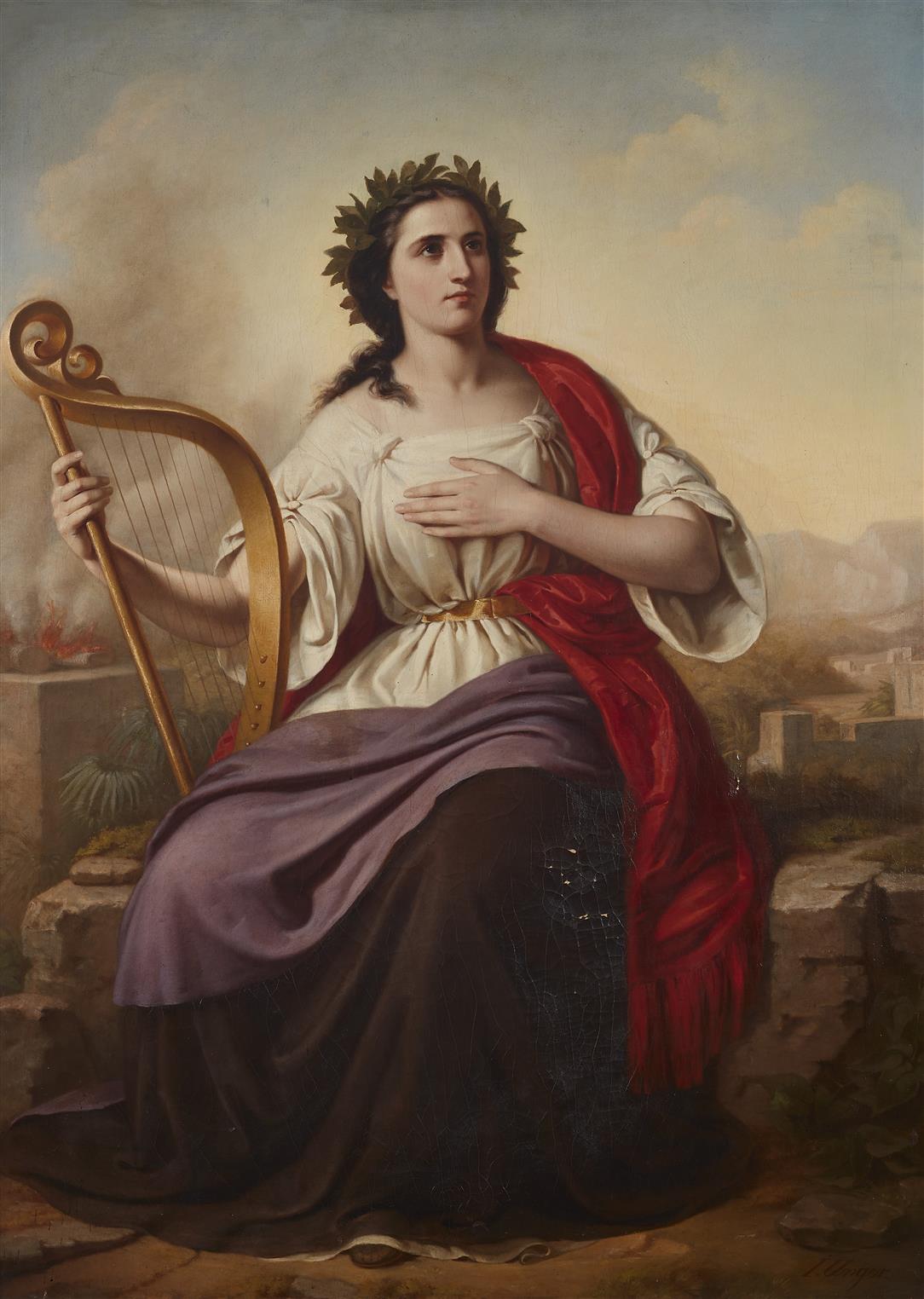
Book of Judges, Song of Deborah
Prophecy
Woman of Lappidoth
Barak, Sisera, Jabin, Jael
Prophetess, Judge
Prophet, Judge, Biblical Figure
About Deborah
Deborah was a pivotal figure in ancient Israel, serving as a prophetess and the fourth Judge, as detailed in the Book of Judges. She holds the unique distinction of being the only female judge mentioned in the Hebrew Bible. Her story is a significant narrative within the religious and historical context of pre-monarchic Israel.
Life and Ministry
According to the biblical account, Deborah was a "woman of Lappidoth," a phrase whose exact meaning is debated, with some interpretations suggesting it refers to her marital status or a metaphorical description of her character. She dispensed justice and offered divine counsel from beneath a date palm tree located between Ramah and Bethel. During a period when the Israelites were oppressed by Jabin, the king of Canaan, for twenty years, Deborah received a divine command.
Divine Guidance and Victory
Deborah communicated God's instruction to Barak, an Israelite general from Kedesh in Naphtali. She commanded him to muster ten thousand troops and lead an attack against Jabin's military commander, Sisera. Barak agreed to lead the charge but stipulated that Deborah must accompany him, to which she consented, predicting that the victory's glory would ultimately belong to a woman. As prophesied, Barak, with Deborah's guidance, led the Israelites to a decisive victory against Sisera's formidable army, which included nine hundred chariots of iron. Sisera himself was subsequently killed by Jael, the wife of Heber the Kenite, in a dramatic turn of events.
The Song of Deborah
A significant literary and historical artifact associated with Deborah is the "Song of Deborah," found in chapter 5 of the Book of Judges. This poetic victory hymn, sung by Deborah and Barak, recounts the triumph over the Canaanite forces. Scholars often cite this song as one of the earliest examples of Hebrew poetry, with some dating it as early as the twelfth century BCE. The song provides a slightly different account of the battle than the prose narrative in chapter 4, highlighting different participating tribes and offering a broader perspective on the conflict and its divine orchestration. The narrative concludes with the statement that peace reigned in the land for forty years following this victory.
Legacy
Deborah's enduring legacy is that of a wise prophetess, a courageous judge, and a divinely appointed leader who secured deliverance for her people. Her story continues to be studied for its theological significance, its portrayal of female leadership in antiquity, and its contribution to the earliest strata of biblical literature. The "Song of Deborah" remains a powerful testament to faith and national victory.
Source: Wikipedia ↗
Frequently Asked Questions
Who was Deborah in the Bible?
Deborah was a prophetess and the fourth Judge of Israel, according to the Book of Judges. She is the only female judge mentioned in the Hebrew Bible and played a crucial role in a military victory for the Israelites.
What is Deborah known for?
Deborah is primarily known for her role as a prophetess who received divine instructions from God. She is also famous for her leadership as a judge and for inspiring the Israelites to victory against their oppressors, the Canaanites.
What was Deborah's prophecy?
Deborah prophesied that God had commanded General Barak to lead an attack against Jabin, king of Canaan, and his commander Sisera. She also foretold that the glory of the victory would belong to a woman because Barak would not go without her.
What is the Song of Deborah?
The Song of Deborah is a victory hymn found in chapter 5 of the Book of Judges. It celebrates the defeat of the Canaanite adversaries and is sung by Deborah and Barak. It is considered one of the earliest surviving examples of Hebrew poetry.
Where did Deborah deliver her judgments?
According to the Book of Judges, Deborah rendered her judgments beneath a date palm tree situated between Ramah in Benjamin and Bethel in the land of Ephraim.
What was the outcome of Deborah's leadership?
Deborah's leadership led to a significant victory for the Israelites against the Canaanites. The biblical account states that after this battle, there was peace in the land for 40 years.
Related Prophets
Samuel
Samuel was a prophet, judge, and seer in ancient Israel, revered in Judaism, Christianity, and Islam. He is primarily known for his pivotal role in the transition from the era of the Judges to the establishment of the Israelite monarchy, anointing both Saul and David as kings. His ministry marked a significant shift in Israelite governance and religious leadership.
Joshua
Joshua, originally named Hoshea, was a pivotal figure in the Hebrew Bible, succeeding Moses as the leader of the Israelite tribes. He is renowned for leading the Israelites in the conquest and division of the Promised Land of Canaan. Joshua is also recognized as a prophet and a significant figure in Islamic tradition, where he is known as Yusha bin Nun.
Jehu
Jehu was the tenth king of the northern Kingdom of Israel, reigning for 28 years. He is primarily known for his violent purge of the house of Ahab, an act of divine judgment that secured his dynasty's rule for four generations. His reign was marked by conflict with the Arameans and a submission to Assyrian tribute.