
Jehu
Male·9th century BC·Israel·Kingdom of Israel
Jehu was the tenth king of the northern Kingdom of Israel, reigning for 28 years. He is primarily known for his violent purge of the house of Ahab, an act of divine judgment that secured his dynasty's rule for four generations. His reign was marked by conflict with the Arameans and a submission to Assyrian tribute.
Key Facts
- ›Anointed king by a prophet's student at Elisha's command to execute judgment on the house of Ahab.
- ›Orchestrated the deaths of King Jehoram of Israel and King Ahaziah of Judah.
- ›Ordered the massacre of Ahab's entire family, including Queen Jezebel, and 70 royal princes.
- ›Destroyed the temple and worshippers of Baal in Samaria.
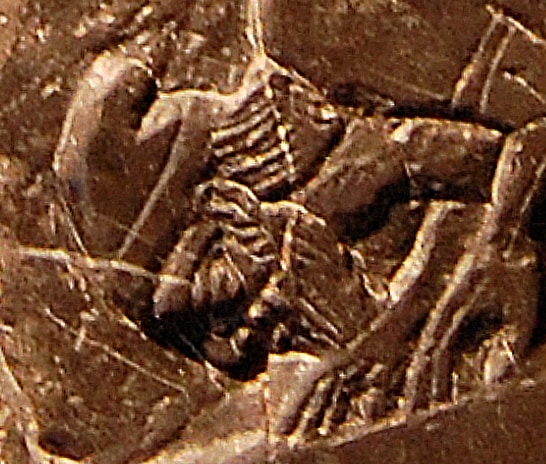
- ›Offered tribute to the Assyrian King Shalmaneser III, as depicted on the Black Obelisk.
- ›His dynasty ruled Israel for 102 years, but the House of Jehu was later punished by God for the massacre at Jezreel.
2 Kings
Yēhūʾ, Yaua, Iehu, son of Nimshi, son of Omri (Assyrian designation)
Elisha, Jehoram of Israel, Ahaziah of Judah, Jezebel, Jehonadab the Rechabite, Hazael of Damascus, Shalmaneser Iii
King, Biblical Figure
About Jehu
Jehu: King of Israel and Scourge of Ahab
Jehu served as the tenth king of the northern Kingdom of Israel, reigning for approximately 28 years from 842 to 815 BCE according to William F. Albright's chronology, or 841 to 814 BCE by E. R. Thiele's dating. His reign is prominently documented in the Hebrew Bible, particularly in the Second Book of Kings, and is primarily remembered for his violent and decisive extermination of the house of Ahab.
Rise to Power and Divine Mandate
Jehu's ascent to the throne was not through inheritance but through a divine mandate. The prophet Elisha dispatched one of his disciples to anoint Jehu, a prominent military commander, as king. This act was intended to fulfill God's judgment against the wicked Omride dynasty, specifically the house of Ahab, for their transgressions, including the promotion of Baal worship and the unjust execution of Naboth.
Bloody Purge and Religious Reform
Upon his anointing, Jehu meticulously planned and executed his coup. He confronted and killed King Jehoram of Israel, then pursued and killed King Ahaziah of Judah, who was allied with Jehoram. Jehu's actions extended to the ruthless elimination of Queen Jezebel, who was thrown from her palace window. He then systematically hunted down and killed Ahab's 70 sons and other royal relatives. Beyond the elimination of the royal line, Jehu also eradicated the worship of Baal in Samaria, destroying its temple and killing its priests, an act commended by the biblical narrative as a righteous cleansing.
Reign and External Relations
While Jehu's seizure of power and purge of Baal worship are well-documented, details of his extended reign are sparse. He is noted for his tolerance of the golden calves at Dan and Bethel, which later biblical commentators criticized. His reign was challenged by Hazael, the king of Aram-Damascus, who inflicted significant defeats on Jehu's armies in the territories east of the Jordan River. To counter this pressure, Jehu apparently offered tribute to the Assyrian king Shalmaneser III, a submission depicted on Shalmaneser's Black Obelisk. This act suggests a shift in alliances, severing ties with Phoenicia and Judah to seek Assyrian protection against Aramean aggression.
Legacy and Archaeological Corroboration
Jehu's dynasty, established by his violent actions, ruled Israel for four generations, totaling 102 years. However, the prophet Hosea later recorded that God punished the House of Jehu for the massacre at Jezreel. Archaeological evidence corroborates aspects of Jehu's reign, including the Tel Dan Stele, which mentions the deaths of the kings of Israel and Judah, and the Black Obelisk, which provides an Assyrian perspective on Jehu's tribute. These extra-biblical sources confirm his existence and his interactions with neighboring powers during the 9th century BCE.
Source: Wikipedia ↗
Frequently Asked Questions
Who was Jehu?
Jehu was the tenth king of the northern Kingdom of Israel. He is most famous for his swift and brutal extermination of the house of Ahab.
How did Jehu become king?
Jehu was a military commander who was secretly anointed king by a disciple of the prophet Elisha. This anointing was a divine command to judge the wicked house of Ahab.
What was Jehu's primary message or mission?
Jehu's primary mission, as divinely ordained, was to act as an agent of judgment against the house of Ahab for their wickedness. He was also tasked with eradicating the worship of Baal.
What significant actions did Jehu take upon becoming king?
Upon seizing power, Jehu systematically executed King Jehoram, Queen Jezebel, Ahab's remaining family, and many others associated with the house of Ahab. He also purged the land of Baal worship.
What is the evidence for Jehu's reign outside of the Bible?
Jehu is mentioned in Assyrian documents, notably the Black Obelisk of Shalmaneser III, which depicts him paying tribute. The Tel Dan Stele also refers to the deaths of the kings of Israel and Judah during his era.
What was the outcome of Jehu's actions according to the Bible?
The Bible states that Yahweh rewarded Jehu by allowing his descendants to rule Israel for four generations. However, the Book of Hosea indicates that God later punished the House of Jehu for the excessive bloodshed at Jezreel.
Related Prophets
Elijah
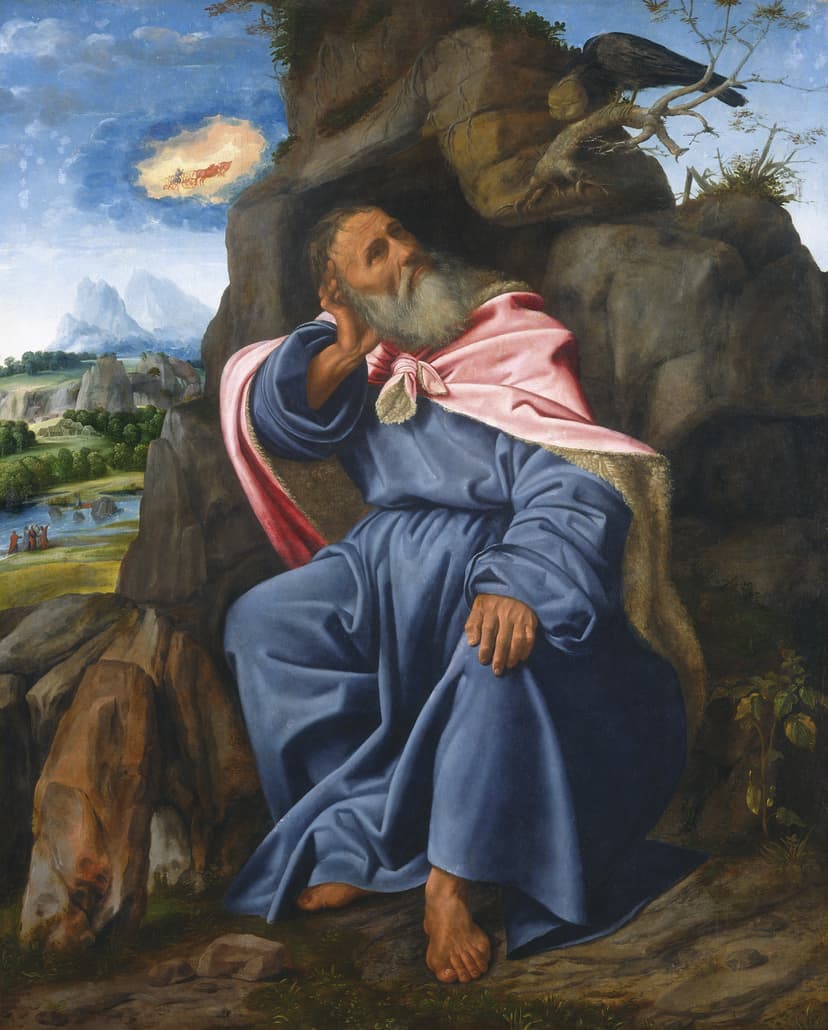
Elijah was a prophet and miracle worker in the northern Kingdom of Israel during the 9th century BC, known for defending the worship of Yahweh against the Canaanite deity Baal. He is credited with numerous miracles, including raising the dead and ascending to heaven alive, and is prophesied to return as a harbinger of the Messiah. Elijah's life and teachings significantly influenced Judaism, Christianity, and Islam, and he is venerated in various customs and texts across these traditions.
David
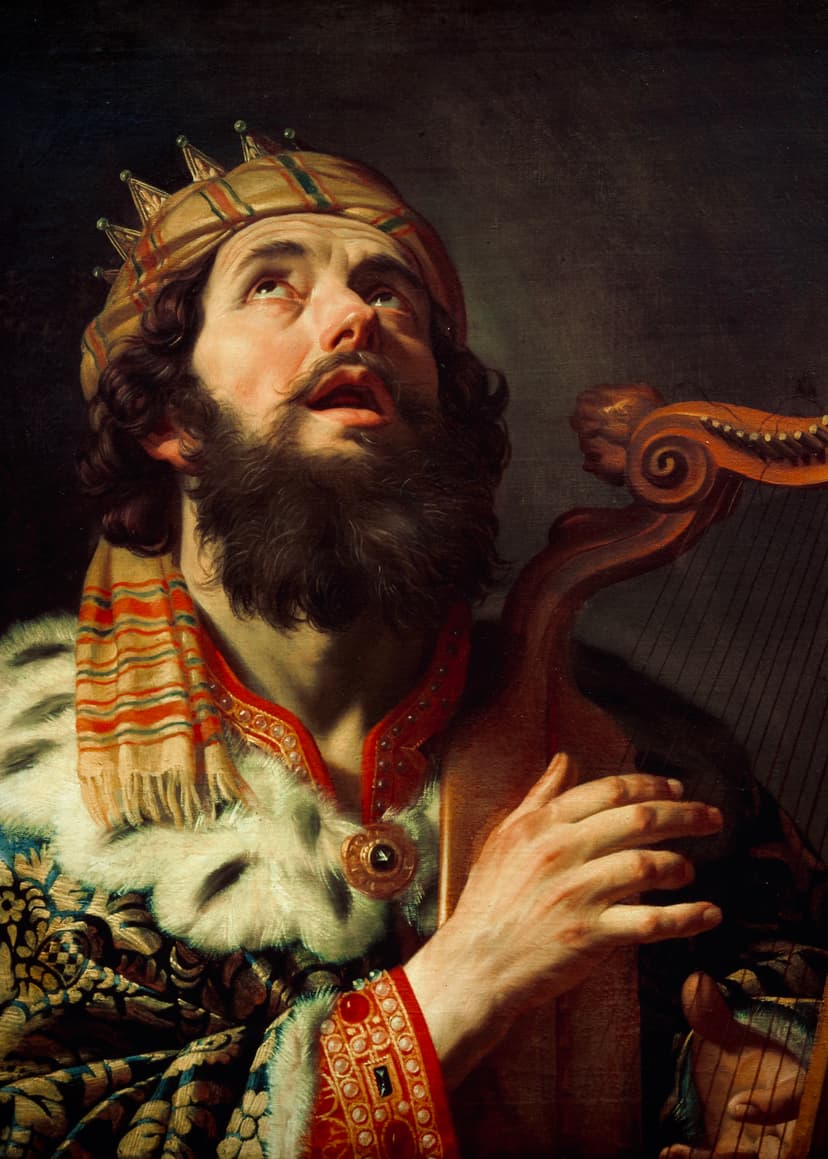
David was the second king of the united Kingdom of Israel, according to the Hebrew Bible. He is renowned for his military prowess, particularly for defeating the giant Goliath, and for his role as a psalmist. David is considered an ideal king and the forefather of the future Hebrew Messiah in Jewish tradition, and is recognized as a prophet in Islam.
Deborah
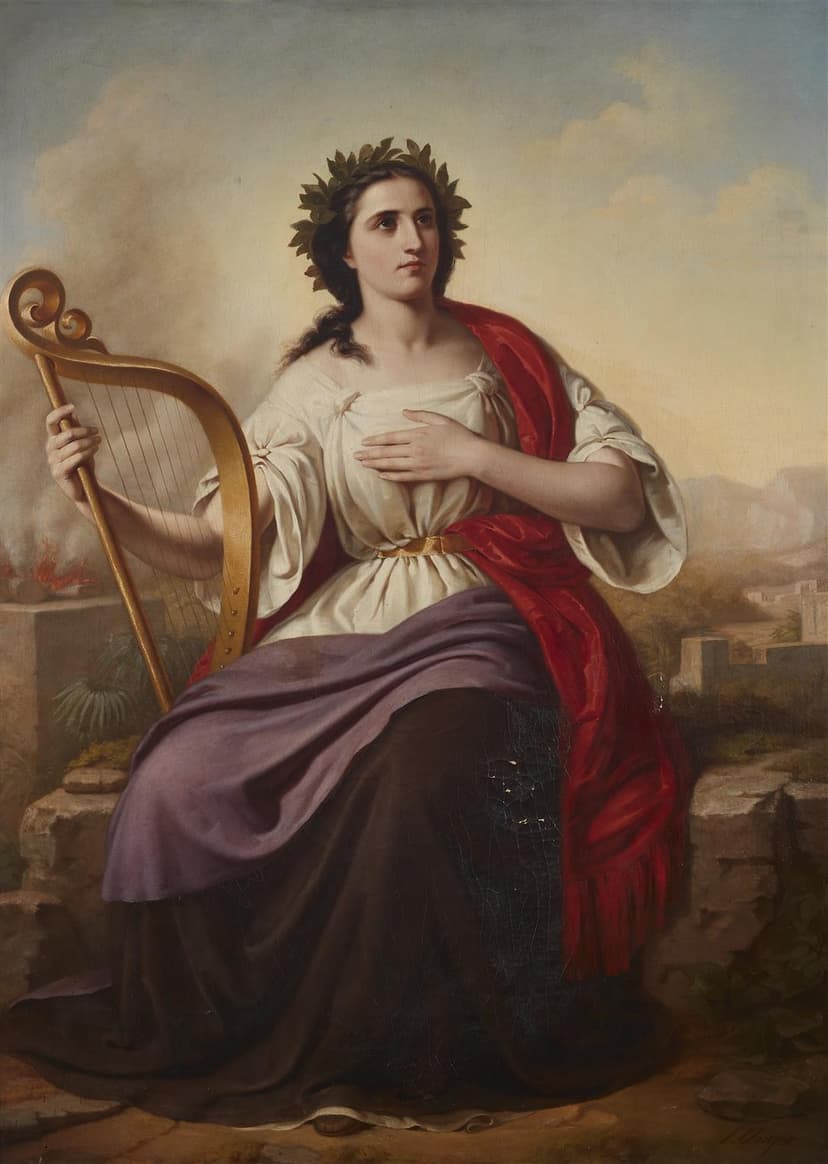
Deborah was a prophetess and the fourth Judge of pre-monarchic Israel, serving as the only female judge mentioned in the Hebrew Bible. She is renowned for her divine guidance to the Israelite general Barak, leading to a significant victory against the Canaanite forces led by Sisera. Her story is preserved in the Book of Judges, including the "Song of Deborah," considered one of the earliest examples of Hebrew poetry.