
Joshua
Joshua was a pivotal figure in biblical history, serving as Moses' successor and leading the Israelite tribes in the conquest of Canaan. He is remembered for his military leadership, his role in allocating land to the tribes, and his unwavering faith and obedience to God, which earned him a place of honor in Jewish, Christian, and Islamic traditions.
Key Facts
- ›Joshua's birth name was Hoshea, the son of Nun, from the tribe of Ephraim.
- ›He was chosen by Moses to succeed him as leader of the Israelite tribes.
- ›Joshua led the Israelites in the conquest of Canaan, including the famous battles of Jericho and Ai.
- ›He presided over the allocation of lands to the twelve tribes of Israel.
- ›According to biblical chronology, Joshua died at the age of 110.
- ›He is respected in Islam as Yusha bin Nun, an attendant of Moses and a leader of the faithful.
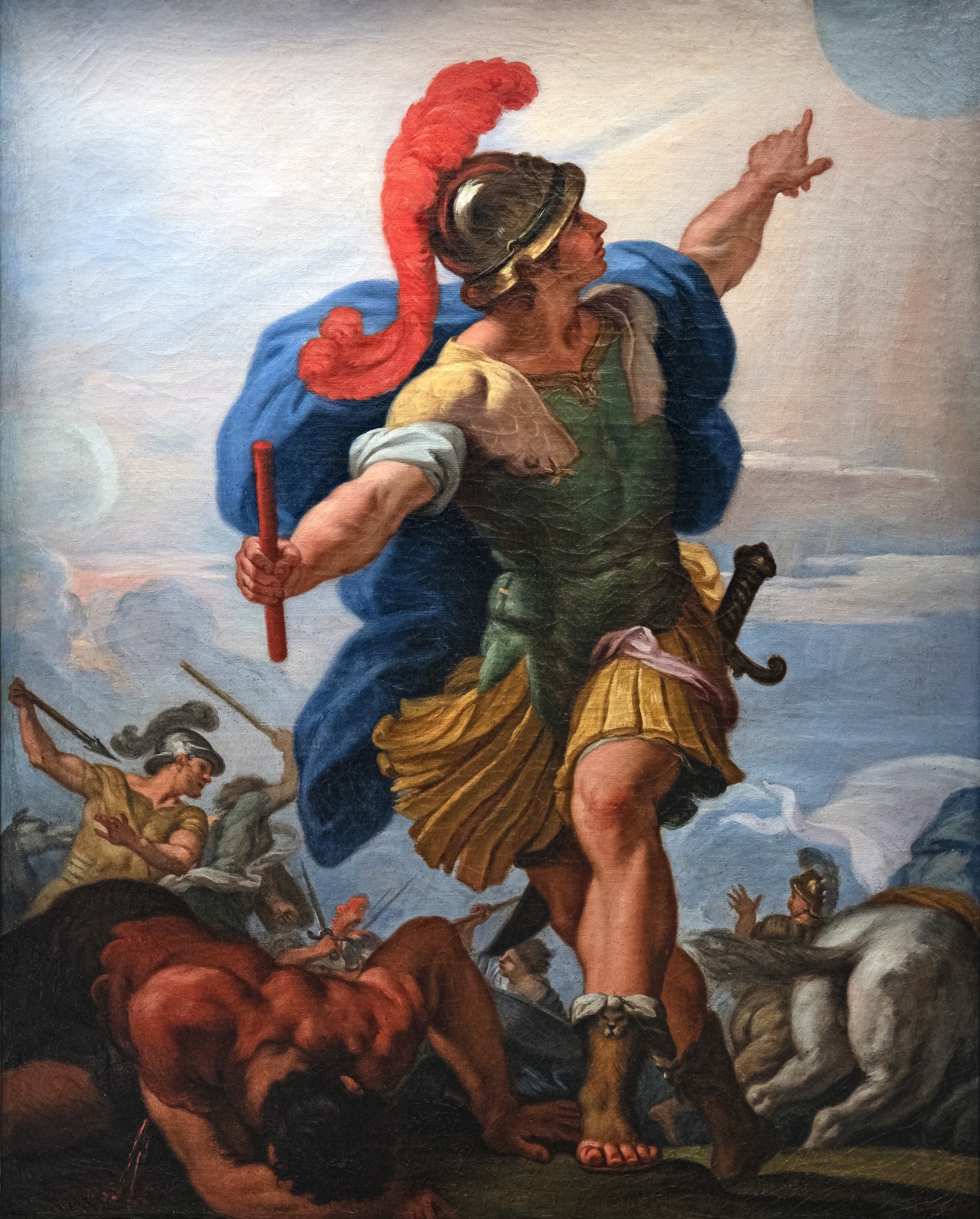
Yehoshua, Jehoshua, Josue, Hoshea, Yusha bin Nun
About Joshua
Joshua (Yehoshua)
Joshua, whose birth name was Hoshea and later known as Yehoshua (meaning 'Yahweh is salvation'), was a central figure in the Hebrew Bible, succeeding Moses as the leader of the Israelite tribes. Born in Egypt before the Exodus, he served as Moses' faithful attendant and was chosen to lead the Israelites in their conquest of Canaan and the subsequent allocation of land. His leadership and military campaigns are detailed in the Book of Joshua, marking a significant period in ancient Israelite history.
Biblical Narrative and Leadership
Joshua's early life is marked by his service to Moses, including accompanying him to Mount Sinai and acting as custodian of the Tent of Meeting. He was one of the twelve spies sent to explore Canaan, and importantly, he and Caleb were the only ones to bring back an encouraging report, earning them the promise of entering the Promised Land. Following Moses' death, God appointed Joshua to lead the Israelites, bestowing upon him a blessing of invincibility. His leadership in the conquest of Canaan involved significant events such as the miraculous parting of the Jordan River, the fall of Jericho, and a notable battle where the sun and moon reportedly stood still at his command to ensure victory.
Religious Significance and Legacy
Joshua holds a place of profound respect across Judaism, Christianity, and Islam. In Judaism, he is revered as a wise and faithful leader, and traditions attribute the composition of the Aleinu prayer to him. Christians often view Joshua as a prefigurement of Jesus Christ, who leads believers into a spiritual 'rest.' In Islam, known as Yusha bin Nun, he is recognized as a prophet and the attendant of Moses, playing a significant role in Islamic narratives and literature. While mainstream scholarship questions the historicity of the Book of Joshua's conquest accounts, his figure remains a symbol of divine guidance, faithfulness, and the fulfillment of God's promises.
Historicity and Interpretation
Contemporary scholarly consensus generally regards the Book of Joshua as a theological narrative rather than a strictly historical record. Archaeological evidence has often not corroborated the biblical accounts of widespread destruction of cities during the Late Bronze Age, with some key sites like Jericho and Ai showing little to no occupation during the period described. Scholars suggest the book may have served to consolidate national identity and legitimize territorial claims for later Israelite monarchies. Despite these historical debates, Joshua's story continues to be studied and interpreted for its theological and spiritual messages.
Source: Wikipedia ↗
Frequently Asked Questions
What was Joshua's original name?
Joshua's original name was Hoshea, meaning 'Save'. Moses later renamed him Yehoshua, meaning 'Yahweh is salvation'.
What was Joshua's role in the Exodus?
Joshua served as Moses' assistant and accompanied him to Mount Sinai. He was also one of the twelve spies sent to scout Canaan and was appointed by God to succeed Moses as leader of the Israelites.
What were Joshua's major accomplishments?
Joshua is credited with leading the Israelite conquest of Canaan, including the fall of Jericho and Ai. He also oversaw the division of the land among the twelve tribes.
How is Joshua viewed in Islam?
In Islam, Joshua is known as Yusha bin Nun and is considered a prophet and an attendant of Moses. He is respected as a leader of the faithful and plays a role in Islamic literature.
What is the historical accuracy of the Book of Joshua?
Mainstream scholarly opinion suggests the Book of Joshua is not a literal historical account. Archaeological evidence often contradicts the biblical narrative regarding the destruction of cities and their occupation during the Late Bronze Age.
Where is Joshua's tomb traditionally located?
According to biblical accounts and Jewish tradition, Joshua was buried in Timnath-heres in the hill country of Ephraim. His tomb is traditionally identified with Kifl Haris in the West Bank, where thousands make pilgrimages.
Related Saints
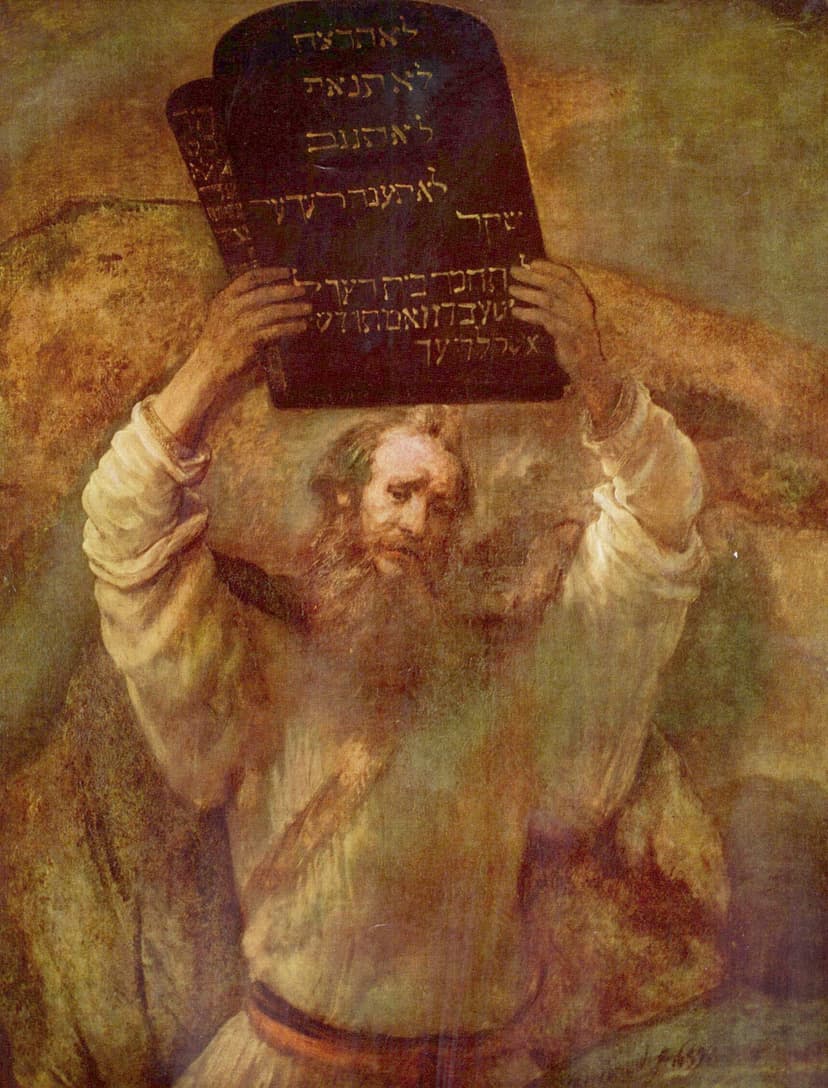
Moses
Moses was a Hebrew prophet central to Abrahamic religions, revered as the most important prophet in Judaism and Samaritanism, and a significant figure in Christianity and Islam. He is credited with leading the Israelites out of slavery in Egypt during the Exodus and receiving the Mosaic Law from God, which formed the basis of the Torah. Moses' life is a foundational narrative of liberation, divine covenant, and the establishment of law.
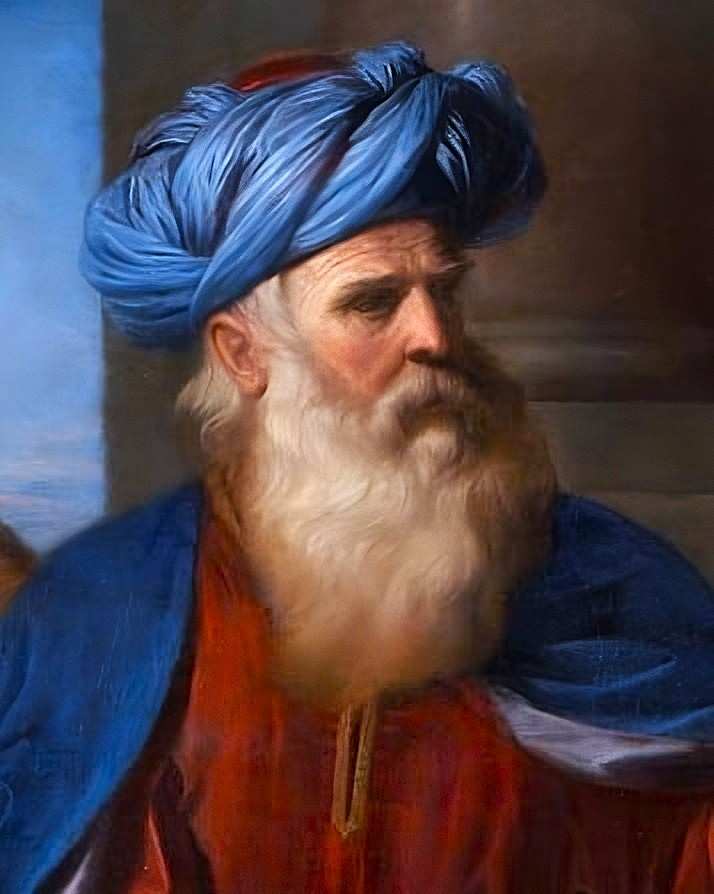
Abraham
Abraham is a foundational patriarch in Judaism, Christianity, and Islam, revered as the ancestor of the Jewish and Arab peoples. His story, primarily found in the Book of Genesis, emphasizes God's promises of progeny and land, and his unwavering faith and obedience to divine commands. He is remembered for his covenant with God, his role in establishing the lineage of Isaac and Ishmael, and his willingness to sacrifice his son Isaac, an act that solidified his status as a model of faith.
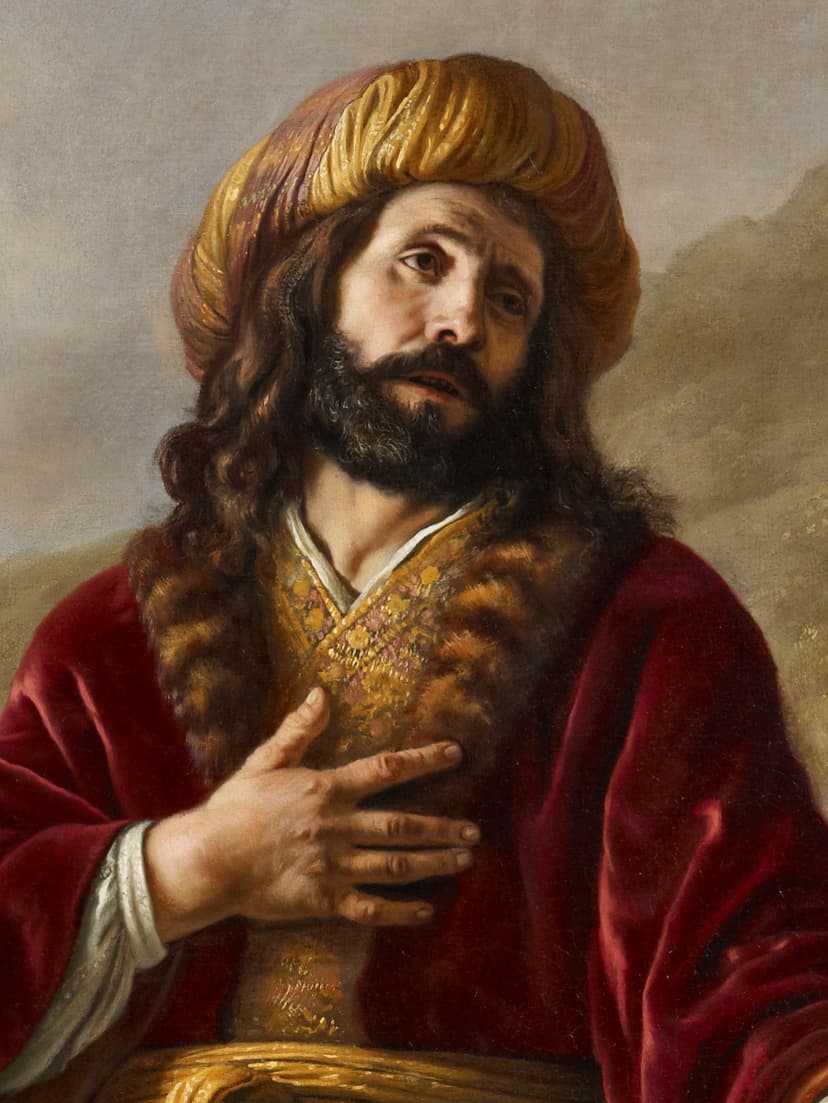
Jacob
Jacob, later known as Israel, is a pivotal figure in Judaism and other Abrahamic religions, recognized as the third Hebrew patriarch. He is primarily remembered for his complex familial relationships, his wrestling match with a divine being that led to his renaming, and for being the father of the twelve tribes of Israel. His life story, detailed in the Book of Genesis, involves deception to obtain his father's blessing, a long sojourn in Haran, and eventual migration to Egypt with his descendants.