
Moses
Moses was a Hebrew prophet central to Abrahamic religions, revered as the most important prophet in Judaism and Samaritanism, and a significant figure in Christianity and Islam. He is credited with leading the Israelites out of slavery in Egypt during the Exodus and receiving the Mosaic Law from God, which formed the basis of the Torah. Moses' life is a foundational narrative of liberation, divine covenant, and the establishment of law.
Key Facts
- ›Moses led the Israelites out of slavery in the Exodus from Egypt.
- ›He is considered the most important prophet in Judaism and Samaritanism.
- ›According to scripture, God dictated the Mosaic Law to Moses, forming part of the Torah.
- ›He received the ten Commandments from God on Mount Sinai.
- ›Moses died at the age of 120 on Mount Nebo, within sight of the Promised Land.
- ›Scholars generally view the biblical Moses as a legendary figure, though a Moses-like figure may have existed in the 13th century BCE.
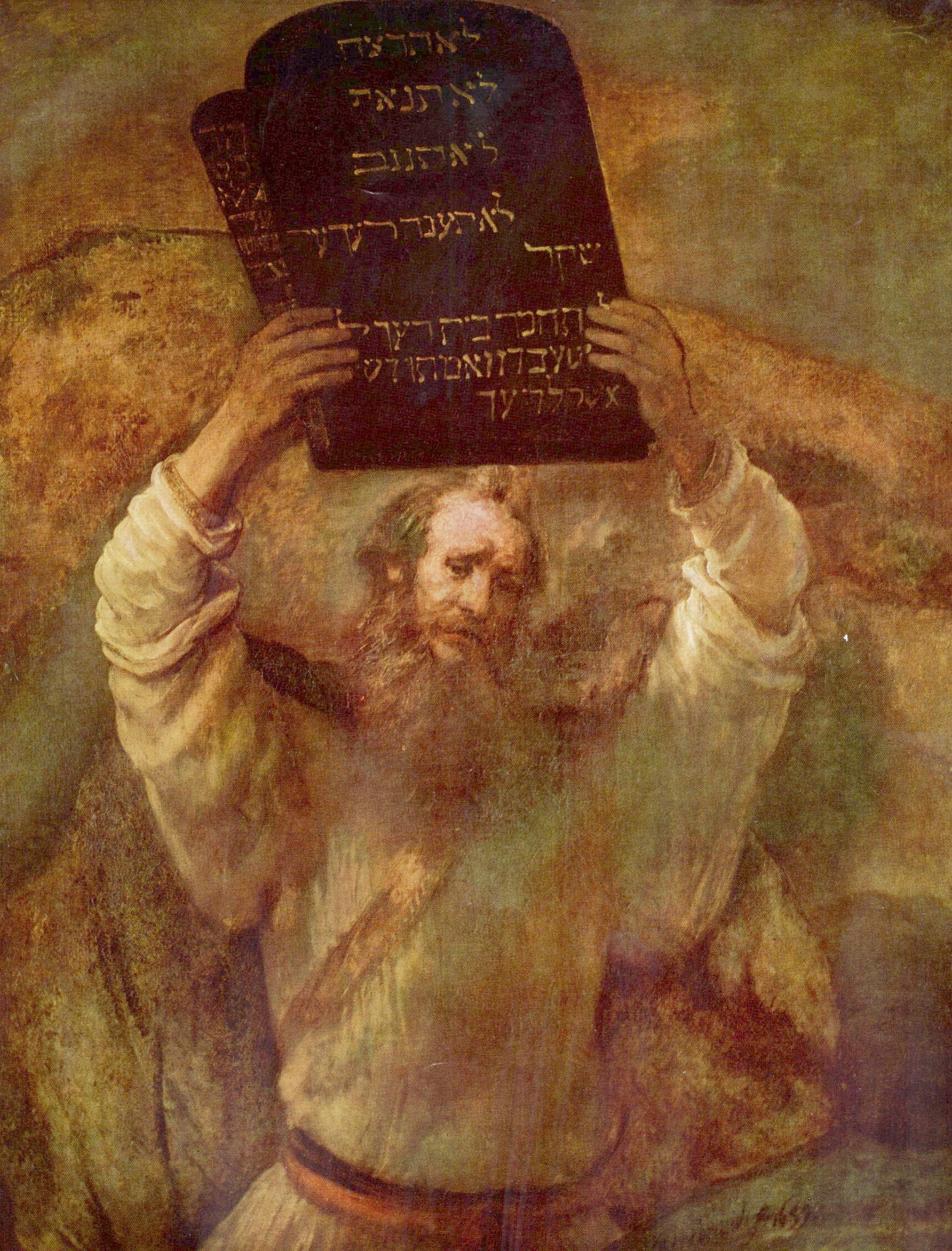
Mōše, Mose, Mōusês
Burning Bush, Ten Commandments, Staff
About Moses
Moses is a central figure in Abrahamic religions, primarily revered as the Hebrew prophet who led the Israelites out of slavery in the Exodus from Egypt. He is considered the most important prophet in Judaism and Samaritanism, and a highly significant prophet in Christianity, Islam, and the Baháʼí Faith. His life narrative forms the foundation for key tenets of these faiths, particularly concerning liberation from oppression, divine covenant, and the establishment of law.
Life and Historical Context
The biblical account describes Moses being born into the enslaved Israelite population in Egypt. Fearing their growing numbers, the Pharaoh ordered the killing of all newborn Hebrew boys. Moses' mother, Jochebed, hid him in the bulrushes along the Nile, where he was found and adopted by the Pharaoh's daughter. He was raised within the Egyptian royal family. As an adult, after killing an Egyptian who was beating a Hebrew, Moses fled to Midian. There, he encountered God speaking from a burning bush on Mount Horeb, who commanded him to return to Egypt and demand the release of the Israelites.
Moses, with his brother Aaron acting as his spokesperson, confronted the Pharaoh. Following a series of ten plagues inflicted upon Egypt, Pharaoh finally relented, and Moses led the Israelites out of Egypt. After crossing the Red Sea, they journeyed to Mount Sinai, where Moses received the Ten Commandments and the Mosaic Law from God. The Israelites then wandered in the desert for forty years, a period during which Moses delivered God's laws and guided his people. He died at the age of 120 on Mount Nebo, having viewed the Promised Land but not entered it.
Lawgiver and Prophet
Moses is primarily known as the "lawgiver of Israel." He delivered multiple sets of laws recorded in the Torah, including the Ten Commandments and the Covenant Code. Traditionally, he is regarded as the author of the Torah, the first five books of the Hebrew Bible. His role as a prophet involved communicating God's will to the Israelites, mediating their covenant with God, and guiding them through their formative years as a people.
Historicity and Scholarship
Scholarly consensus generally views the biblical Moses as a legendary figure, acknowledging the profound theological and cultural importance of his narrative without necessarily confirming his historical existence. While some scholars suggest a possibility of a Moses-like figure in the 13th century BCE, there is no direct extrabiblical evidence or archaeological proof to substantiate the biblical account. The name 'Moses' itself has been linked to Egyptian roots, such as 'msy' meaning 'child of,' and also carries a Hebrew folk etymology related to 'drawing out' from water, as described in the biblical narrative of his rescue.
Legacy
The legacy of Moses is immense and enduring. He is the figure through whom God's law was revealed to Israel, shaping Jewish tradition and profoundly influencing Western legal and ethical thought. His role as the liberator of his people from bondage provides a foundational narrative of redemption and divine intervention that resonates across cultures and religions. Moses remains a symbol of leadership, faith, and the struggle for freedom.
Source: Wikipedia ↗
Frequently Asked Questions
Who was Moses?
Moses was a Hebrew prophet who led the Israelites out of slavery in Egypt during the Exodus. He is considered the most important prophet in Judaism and Samaritanism and a significant prophet in Christianity and Islam.
What is Moses most remembered for?
Moses is chiefly remembered for leading the Exodus of the Israelites from Egypt and for receiving the Ten Commandments and the Mosaic Law from God on Mount Sinai, which forms a core part of the Torah.
What is the etymology of Moses' name?
The name Moses has an Egyptian etymology, possibly meaning 'child of' or an abbreviation of a theophoric name. The biblical account provides a folk etymology linking it to the Hebrew root for 'to draw out,' referring to his rescue from the water.
What is the historicity of Moses?
The majority of scholars view the biblical Moses as a legendary figure, though some suggest that a Moses-like figure may have existed in the 13th century BCE. There is no direct extra-biblical or archaeological evidence confirming his existence.
When did Moses live?
Rabbinic tradition calculates Moses' lifespan as 1391–1271 BCE. Some historical estimates place his existence around the 13th century BCE, though this is debated among scholars.
How did Moses die?
According to the biblical narrative, Moses died at the age of 120 on Mount Nebo, in the land of Moab, after seeing the Promised Land. His burial place is not known.
Related Saints
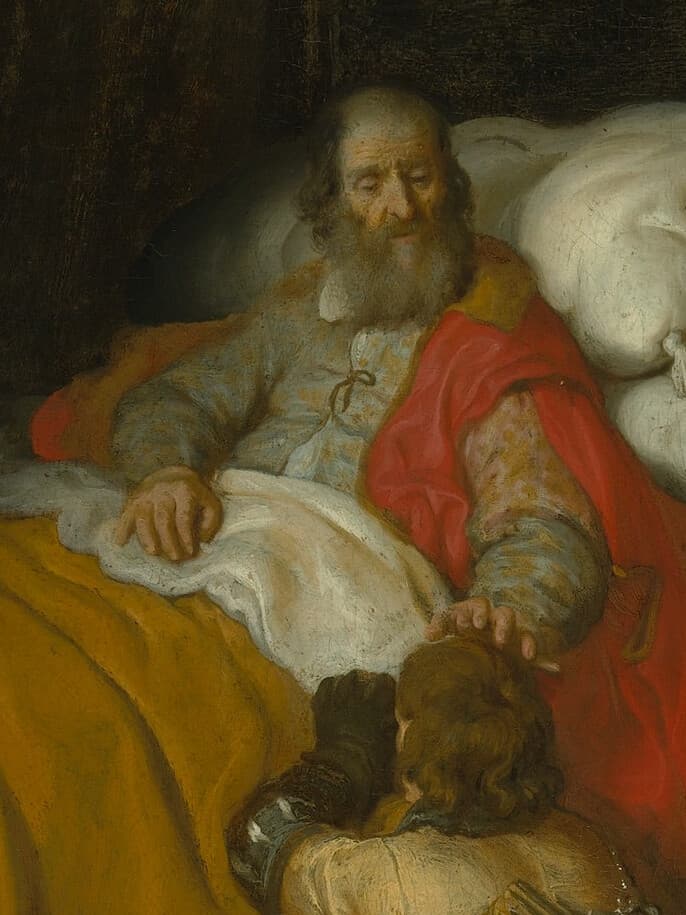
Isaac
Isaac is a central patriarchal figure in Judaism, Christianity, and Islam, revered as the son of Abraham and Sarah and the father of Jacob. He is chiefly remembered for his near-sacrifice by his father, an event seen as a supreme test of faith and a prefiguration of Christ's sacrifice in Christian tradition. Isaac's name, meaning "he will laugh," reflects the disbelief and subsequent joy of his elderly parents upon learning of his promised birth.
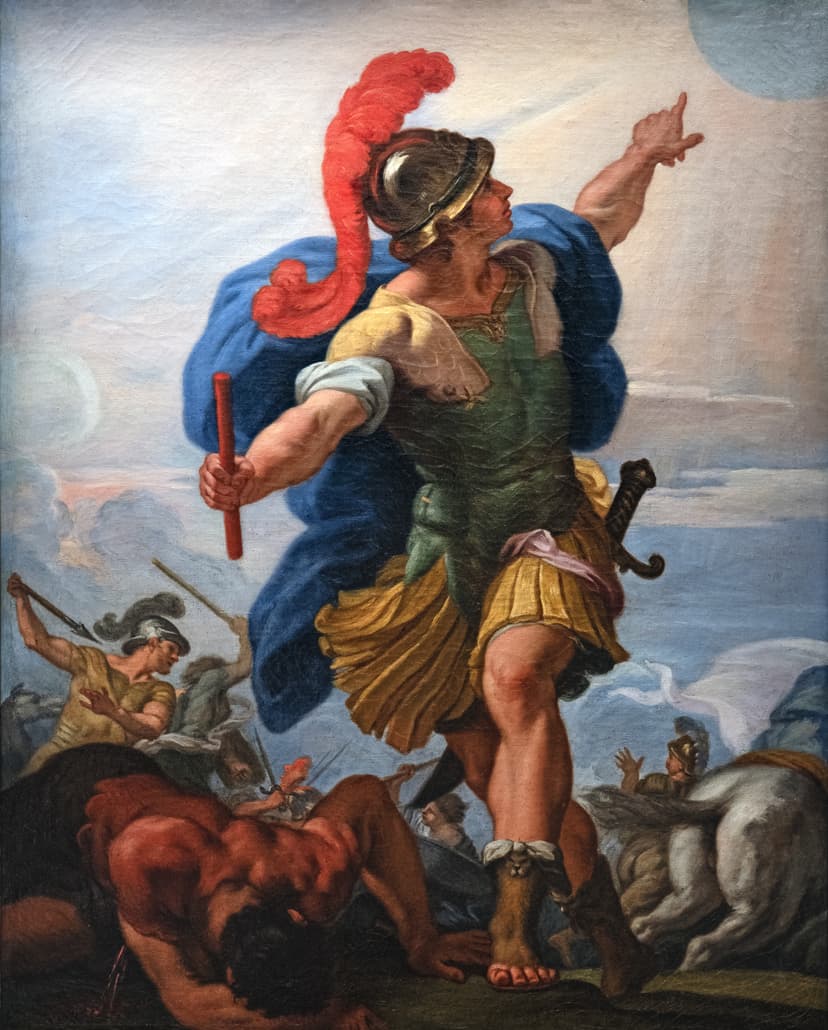
Joshua
Joshua was a pivotal figure in biblical history, serving as Moses' successor and leading the Israelite tribes in the conquest of Canaan. He is remembered for his military leadership, his role in allocating land to the tribes, and his unwavering faith and obedience to God, which earned him a place of honor in Jewish, Christian, and Islamic traditions.
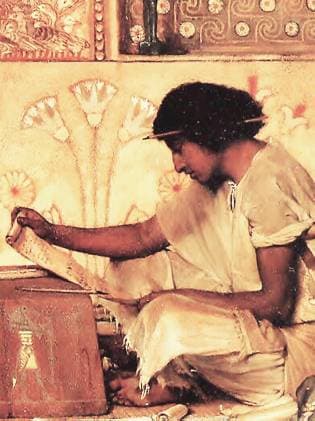
Joseph, son of Jacob
Joseph was a significant figure in the Hebrew Bible, known as the favored son of Jacob and Rachel and the founder of the Tribe of Joseph. His story, detailed in the Book of Genesis, recounts his betrayal by his envious brothers, his enslavement and imprisonment in Egypt, and his eventual rise to become second-in-command. He is remembered for interpreting Pharaoh's dreams, saving Egypt and his own family from famine, and for his role in establishing the Israelites' settlement in the Land of Goshen.