
Moses
Male·13th century BC·Ancient Near East·Israelites
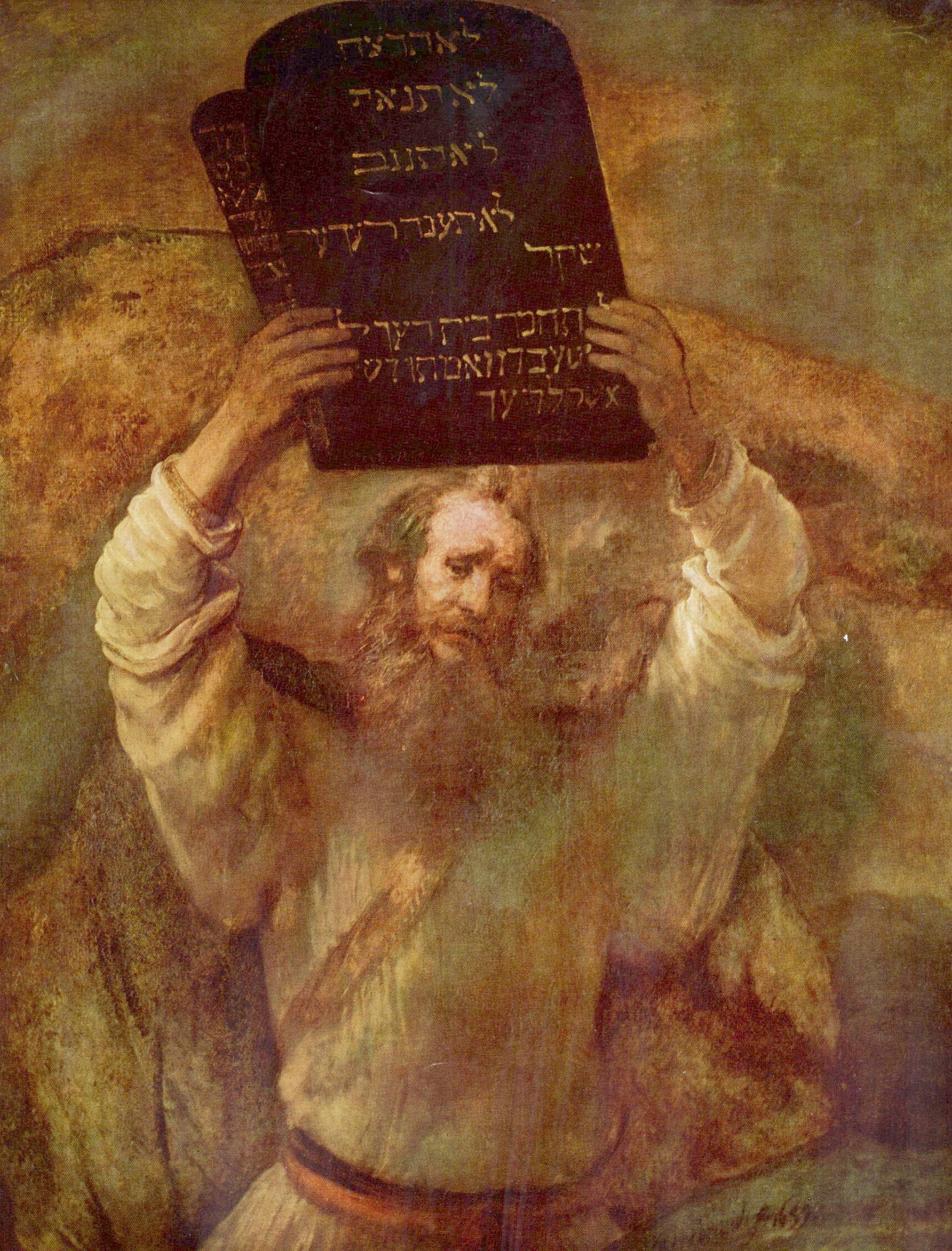
Moses is the central figure of the Exodus narrative in Abrahamic religions, revered as the prophet who led the Israelites out of slavery in Egypt. He is most significantly known for receiving the Ten Commandments and the Mosaic Law from God, which form the foundation of Jewish tradition. While considered legendary by many scholars, Moses remains a pivotal figure in Judaism, Christianity, Islam, and other faiths.
Key Facts
- ›Led the Israelites out of slavery in Egypt during the Exodus.
- ›Received the ten Commandments and the Mosaic Law from God on Mount Sinai.
- ›Brother of Aaron and Miriam.
- ›Fled Egypt after killing an Egyptian, later encountered God in a burning bush.
- ›Died at the age of 120 in the land of Moab, within sight of the Promised Land.
- ›Traditionally credited as the author of the Torah.
Judaism, Christianity, Islam, Samaritanism, Baháʼí Faith
Torah
Receiving Divine Revelation, Performing Miracles
Moshe, Mōše, Mōysēs
Aaron, Miriam, Jochebed, Pharaoh's Daughter, Joshua, Zipporah, Jethro
Prophet, Lawgiver
Prophet, Legendary Figure
About Moses
Moses is arguably the most significant prophet in Judaism and a pivotal figure in Christianity, Islam, and other Abrahamic faiths. He is primarily known as the Hebrew prophet who led the Israelites out of their enslavement in ancient Egypt, an event known as the Exodus.
Life and Historical Context
The biblical narrative describes Moses as born into a period of intense oppression for the Israelites in Egypt, where a new Pharaoh feared their growing numbers. Under Pharaoh's decree to kill all newborn Hebrew males, Moses's mother, Jochebed, hid him in the Nile, where he was discovered and adopted by the Pharaoh's daughter. He was raised within the Egyptian royal family, though his Hebrew heritage remained.
Later in life, after killing an Egyptian who was mistreating a Hebrew, Moses fled to Midian. There, on Mount Horeb, he encountered God speaking from a burning bush, an event that marked his divine commission. God instructed Moses to return to Egypt and demand the release of the Israelites. Initially hesitant due to his perceived lack of eloquence, Moses was aided by his brother, Aaron, who served as his spokesperson.
Following a series of ten plagues inflicted upon Egypt, Pharaoh finally relented, allowing the Israelites to depart. Moses then led them across the Red Sea, an event central to the Exodus narrative. The Israelites subsequently journeyed to Mount Sinai, where Moses received the Ten Commandments and the Mosaic Law from God, which would guide their covenant with the divine and their future lives.
Major Contributions
Moses's most enduring contribution is the delivery of the Mosaic Law, which forms the core of the Torah and is foundational to Jewish religious and legal tradition. This includes the Ten Commandments, as well as numerous other statutes and ordinances that govern every aspect of life. He is traditionally regarded as the author of the Torah, the first five books of the Hebrew Bible.
Important Relationships
Moses's immediate family included his elder siblings, Aaron, who became his chief assistant and the first High Priest, and Miriam, a prophetess. He was married to Zipporah, daughter of Jethro, a Midianite priest, with whom he had sons. His leadership was challenged at times by figures like Korah, who led a revolt against his authority.
Legacy and Historicity
Moses died at the age of 120 in the land of Moab, overlooking the Promised Land, which he had led his people towards but would not enter himself. His burial place remains unknown, adding to his mystique. While the biblical account presents Moses as a historical figure, the majority of modern scholars view him as a legendary or mythical character. No contemporary extra-biblical sources or archaeological evidence definitively confirm his existence or the events of the Exodus as described. Nevertheless, Moses remains a profoundly influential figure, shaping the religious, ethical, and cultural landscape of Judaism and profoundly impacting Christianity, Islam, and broader Western civilization through his role as lawgiver, liberator, and prophet.
Source: Wikipedia ↗
Frequently Asked Questions
Who was Moses?
Moses was a Hebrew prophet in Abrahamic religions, most revered in Judaism as the one who led the Israelites out of slavery in Egypt. He is credited with receiving God's laws, including the Ten Commandments, which are fundamental to Jewish tradition.
What is Moses known for?
Moses is best known for leading the Exodus of the Israelites from Egypt, receiving the Ten Commandments from God on Mount Sinai, and delivering God's laws to the people. He is considered the most important prophet in Judaism.
What is the story of Moses' birth?
According to the biblical narrative, Moses was born to Hebrew slaves in Egypt during a time when the Pharaoh ordered the killing of all newborn Hebrew boys. His mother hid him in the bulrushes, where he was found and adopted by the Pharaoh's daughter.
Where did Moses die?
Moses died on Mount Nebo in the land of Moab at the age of 120. He died after seeing the Promised Land from a distance but before entering it.
Is Moses a historical figure?
The historicity of Moses is debated among scholars. While many view the biblical Moses as a legendary figure, some retain the possibility that a Moses-like figure existed in the 13th century BCE. There is no extra-biblical evidence or contemporary archaeological proof of his existence.
What is the significance of Moses' name?
The biblical account suggests Moses' name comes from the Hebrew 'to draw out,' referring to his rescue from the water. Egyptian etymologies suggest it might be an abbreviation of a theophoric name, meaning 'child of,' possibly 'child of the Nile.'
Related Prophets
Elijah
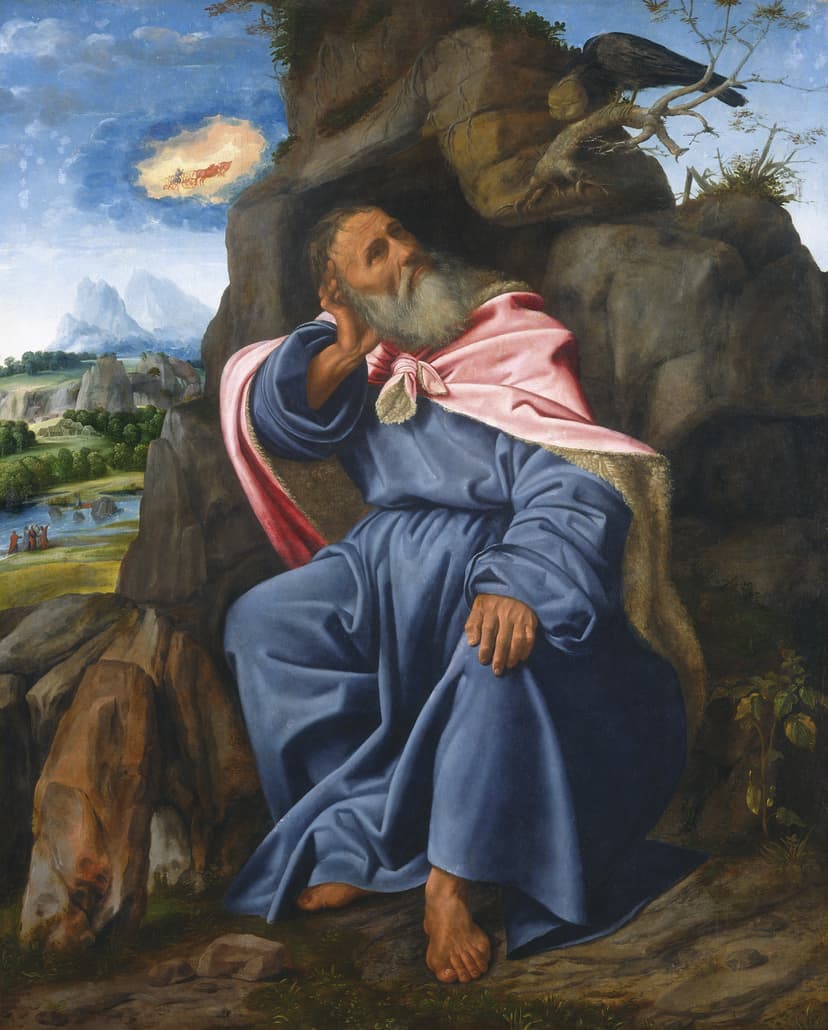
Elijah was a prophet and miracle worker in the northern Kingdom of Israel during the 9th century BC, known for defending the worship of Yahweh against the Canaanite deity Baal. He is credited with numerous miracles, including raising the dead and ascending to heaven alive, and is prophesied to return as a harbinger of the Messiah. Elijah's life and teachings significantly influenced Judaism, Christianity, and Islam, and he is venerated in various customs and texts across these traditions.
Jeremiah
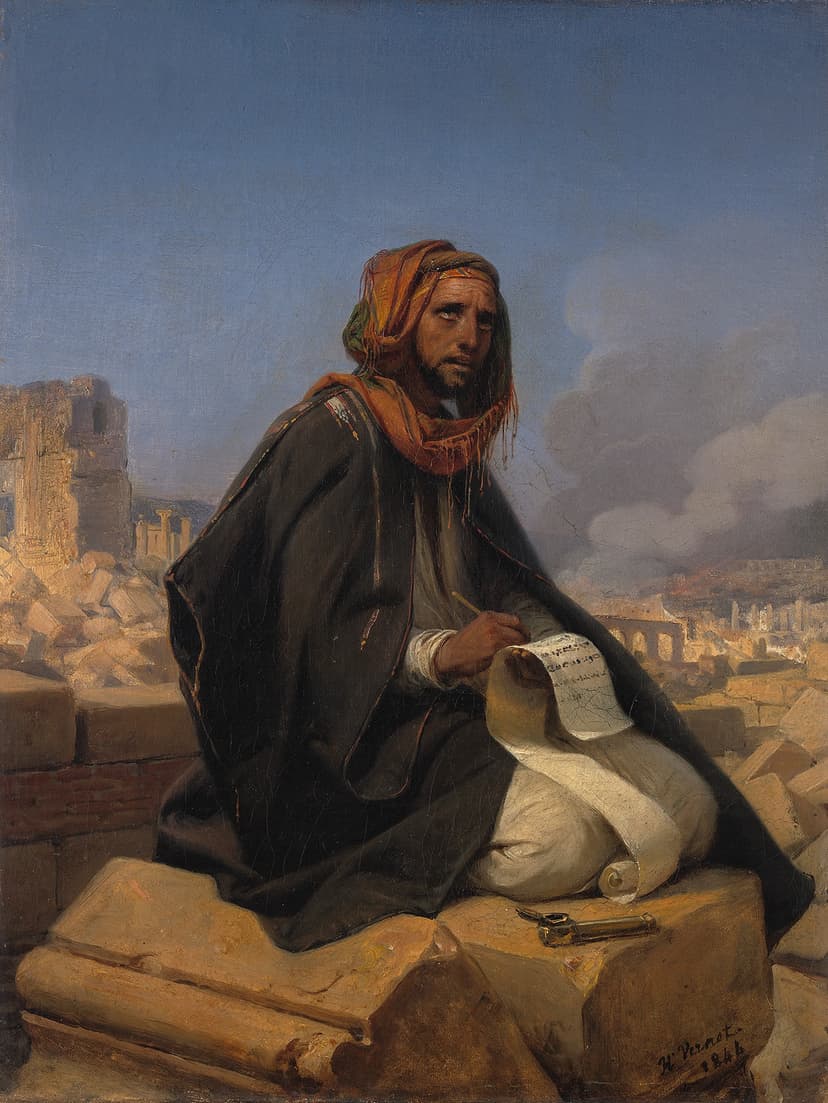
Jeremiah, also known as Jeremias or Jeremy, was a major prophet in the Hebrew Bible active in the late 7th and early 6th centuries BC. Born into a priestly family, he was called to prophesy the impending destruction of Jerusalem and the Kingdom of Judah due to idolatry and social injustice. His ministry was marked by significant persecution, but his prophecies are central to Judaism, Christianity, and Islam.
Abraham
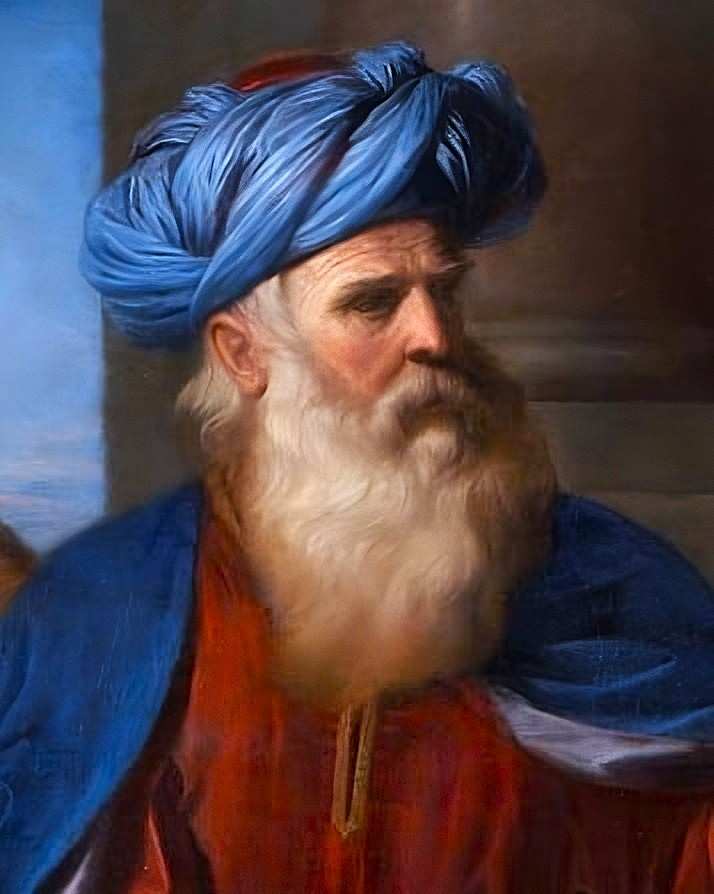
Abraham is a foundational figure in Judaism, Christianity, and Islam, revered as the first patriarch and the progenitor of the covenant between God and the Jewish people. He is also considered a spiritual ancestor to Christians and a prophet in the chain of prophets in Islam. His narrative in the Book of Genesis centers on God's promises of land and numerous descendants.