
Jeremiah
Male·6th century BC·Ancient Near East·Priestly lineage
Jeremiah, also known as Jeremias or Jeremy, was a major prophet in the Hebrew Bible active in the late 7th and early 6th centuries BC. Born into a priestly family, he was called to prophesy the impending destruction of Jerusalem and the Kingdom of Judah due to idolatry and social injustice. His ministry was marked by significant persecution, but his prophecies are central to Judaism, Christianity, and Islam.
Key Facts
- ›Called to prophethood around 626 BC, ministered through the reigns of five kings of Judah.
- ›Prophesied the destruction of Jerusalem and Babylonian captivity as divine judgment.
- ›Known as the "weeping prophet" due to his laments and personal struggles.
- ›His scribe and disciple was Baruch ben Neriah, who assisted in recording his prophecies.
- ›Accused priests and scribes of altering scriptures to accommodate foreign deities.
- ›His prophecies are quoted in the New Testament, particularly concerning the new covenant.
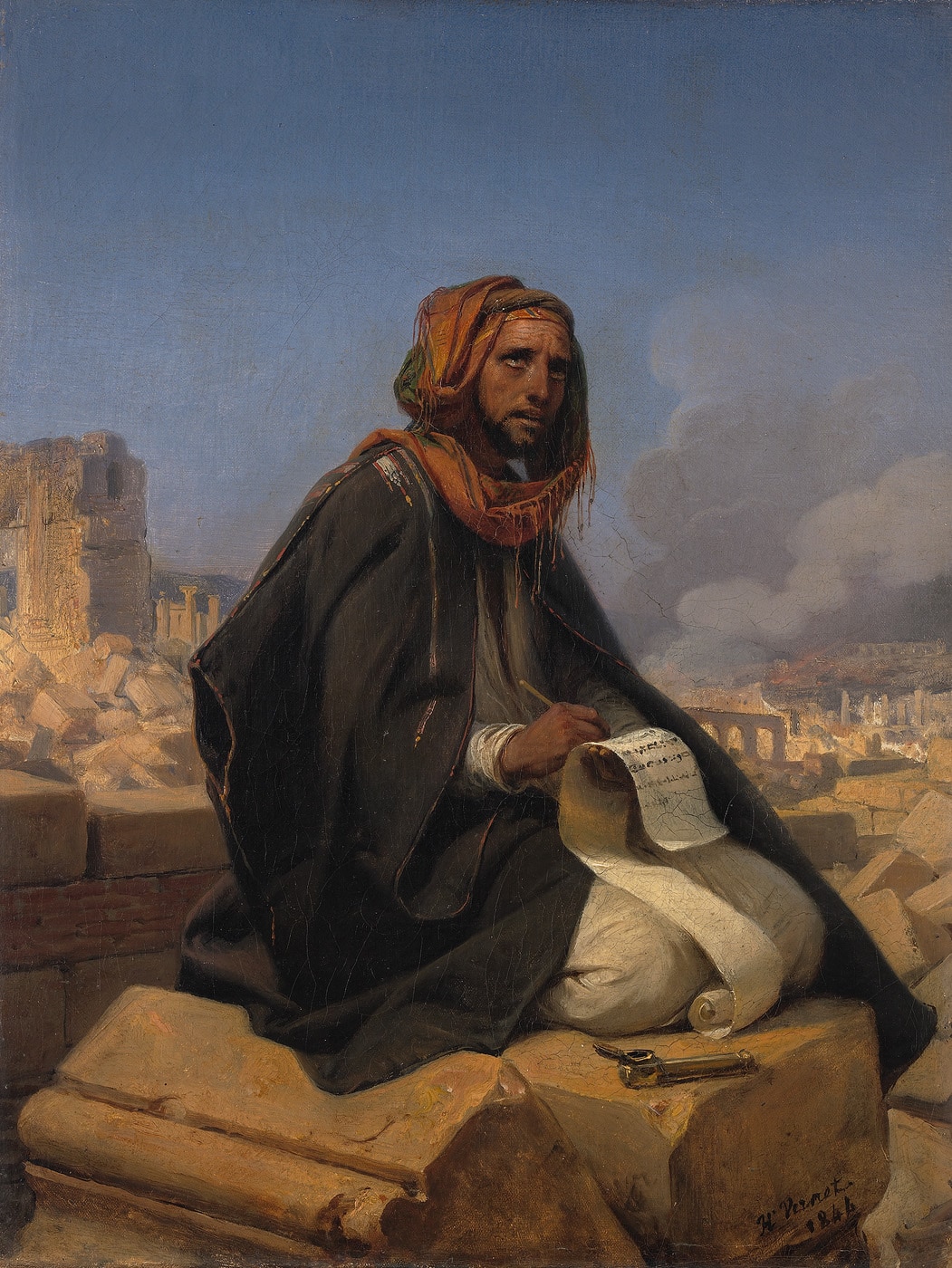
Book of Jeremiah, Books of Kings, Book of Lamentations
Prophecy
Jeremias, Jeremy, The weeping prophet
Baruch Ben Neriah, Huldah, Zephaniah, Josiah, Jehoahaz, Jehoiakim, Jehoiachin, Zedekiah, Pashur, Hananiah, Ebed-Melech, Gedaliah, Johanan
Prophet
Prophet
About Jeremiah
Jeremiah, also known as Jeremias or Jeremy in older English texts, stands as one of the major prophets of the Hebrew Bible. Active from approximately 650 to 570 BC, he emerged as a pivotal figure in the Kingdom of Judah during the late 7th and early 6th centuries BC. Born into a priestly family from Anathoth, Jeremiah reluctantly embraced his divine calling to prophesy, embarking on a ministry that spanned over five decades and was characterized by considerable opposition, imprisonment, and personal hardship.
Ministry and Message
Jeremiah's prophetic career began around 626 BC, during the reign of King Josiah. His primary message centered on forewarning the people of Judah about impending divine judgment, a consequence of their widespread idolatry, social injustices, and moral corruption. He prophesied the inevitable siege of Jerusalem and subsequent Babylonian captivity, viewing these events as divine retribution for the nation's disobedience and the breaking of their covenant with God. His teachings included lamentations, oracles, and symbolic acts, all underscoring the critical need for repentance.
Persecution and Relationships
The prophet's unyielding message often led to severe persecution. His own priestly kin from Anathoth plotted against him, and in Jerusalem, he was beaten and confined by temple officials like Pashur, son of Immer. He famously clashed with false prophets who offered messages of peace, contrasting their pronouncements with his warnings of an "iron yoke" of Babylonian rule. Jeremiah also demonstrated sympathy towards the Northern Kingdom of Israel, sharing linguistic similarities and marital imagery with the earlier prophet Hosea. His scribe and faithful disciple, Baruch ben Neriah, played a crucial role in recording his prophecies.
Later Life and Legacy
Jeremiah was imprisoned for his prophecies, even being cast into a cistern, from which he was rescued by Ebed-Melech. After Jerusalem fell to the Babylonians in 587 BC, he was released and allowed to reside in Mizpah. Later, he was taken to Egypt by refugees, where he likely spent the remainder of his life. While there is no definitive record of his death, his influence persists across religious traditions. In Judaism, his book is a core text, and he is often paired with Moses in rabbinic literature. Christianity recognizes his prophecies as fulfilled in Jesus, quoting him extensively in the New Testament. Islam also reveres Jeremiah as a prophet, with his narratives recounted in historical accounts.
The cultural impact of Jeremiah is notable; the term "jeremiad" derives from his name, signifying a lamentation or a lengthy, mournful complaint. His name has also endured as a popular given name in various cultures.
Source: Wikipedia ↗
Frequently Asked Questions
When was Jeremiah active?
Jeremiah was active from the thirteenth year of Josiah, king of Judah (626 BC), until after the fall of Jerusalem and the destruction of Solomon's Temple in 587 BC. This period spanned the late 7th and early 6th centuries BC.
What was Jeremiah's main message?
Jeremiah's central message focused on prophecies of impending divine judgment due to the nation's idolatry, social injustices, and moral decay. He emphasized the urgency of repentance and the restoration of a covenant relationship with God.
What challenges did Jeremiah face?
Jeremiah faced significant opposition, including plots against his life by his own priestly kin, imprisonment, and being cast into a cistern. He was beaten and put in stocks by temple officials.
Who was Baruch ben Neriah?
Baruch ben Neriah was Jeremiah's scribe and disciple. According to Jewish tradition, he assisted Jeremiah in authoring the Book of Jeremiah and also helped with the Books of Kings and the Book of Lamentations.
How is Jeremiah viewed in different religions?
Jeremiah is considered a major prophet in Judaism, with his words read in synagogues. In Christianity, he is recognized, and his prophecies are quoted in the New Testament. Islam also regards Jeremiah as a prophet, recounting his narrative in Islamic tradition.
Related Prophets

Ezekiel
Ezekiel was an Israelite priest and prophet, known for his prophetic visions and acts recorded in the Book of Ezekiel. He prophesied the destruction of Jerusalem and the Babylonian captivity, but also foretold the eventual restoration of the Jewish people to the Land of Israel. He is recognized as a prophet in Abrahamic religions and is venerated in Jewish, Christian, and Islamic traditions.

Zechariah (son of Berechiah)
Zechariah (son of Berechiah) is traditionally identified as the author of the Book of Zechariah, the eleventh of the Twelve Minor Prophets in the Hebrew Bible. His prophetic career likely began around 520 BCE during the reign of Darius the Great, with a primary focus on encouraging the rebuilding of the Second Temple in Jerusalem. He is distinguished from other biblical figures named Zechariah and Iddo, with his lineage debated but often presented as son of Berechiah and grandson of Iddo.
Abraham
Abraham is a foundational figure in Judaism, Christianity, and Islam, revered as the first patriarch and the progenitor of the covenant between God and the Jewish people. He is also considered a spiritual ancestor to Christians and a prophet in the chain of prophets in Islam. His narrative in the Book of Genesis centers on God's promises of land and numerous descendants.