
Ezekiel
Male·6th century BC·Ancient Judah / Babylonia·Priesthood (Kohen)
Ezekiel was an Israelite priest and prophet, known for his prophetic visions and acts recorded in the Book of Ezekiel. He prophesied the destruction of Jerusalem and the Babylonian captivity, but also foretold the eventual restoration of the Jewish people to the Land of Israel. He is recognized as a prophet in Abrahamic religions and is venerated in Jewish, Christian, and Islamic traditions.
Key Facts
- ›Born into a priestly lineage, son of Buzi.
- ›Experienced his call to prophecy around 593 BC, during the Babylonian captivity.
- ›Prophesied the destruction of Jerusalem and the First Temple in 587 BC.
- ›Also foretold the future restoration and spiritual renewal of the Jewish people.
- ›His prophecies span approximately 22 years, with the last recorded in 571 BC.
- ›His name, 'Ezekiel', means 'God is strong' or 'God strengthens'.
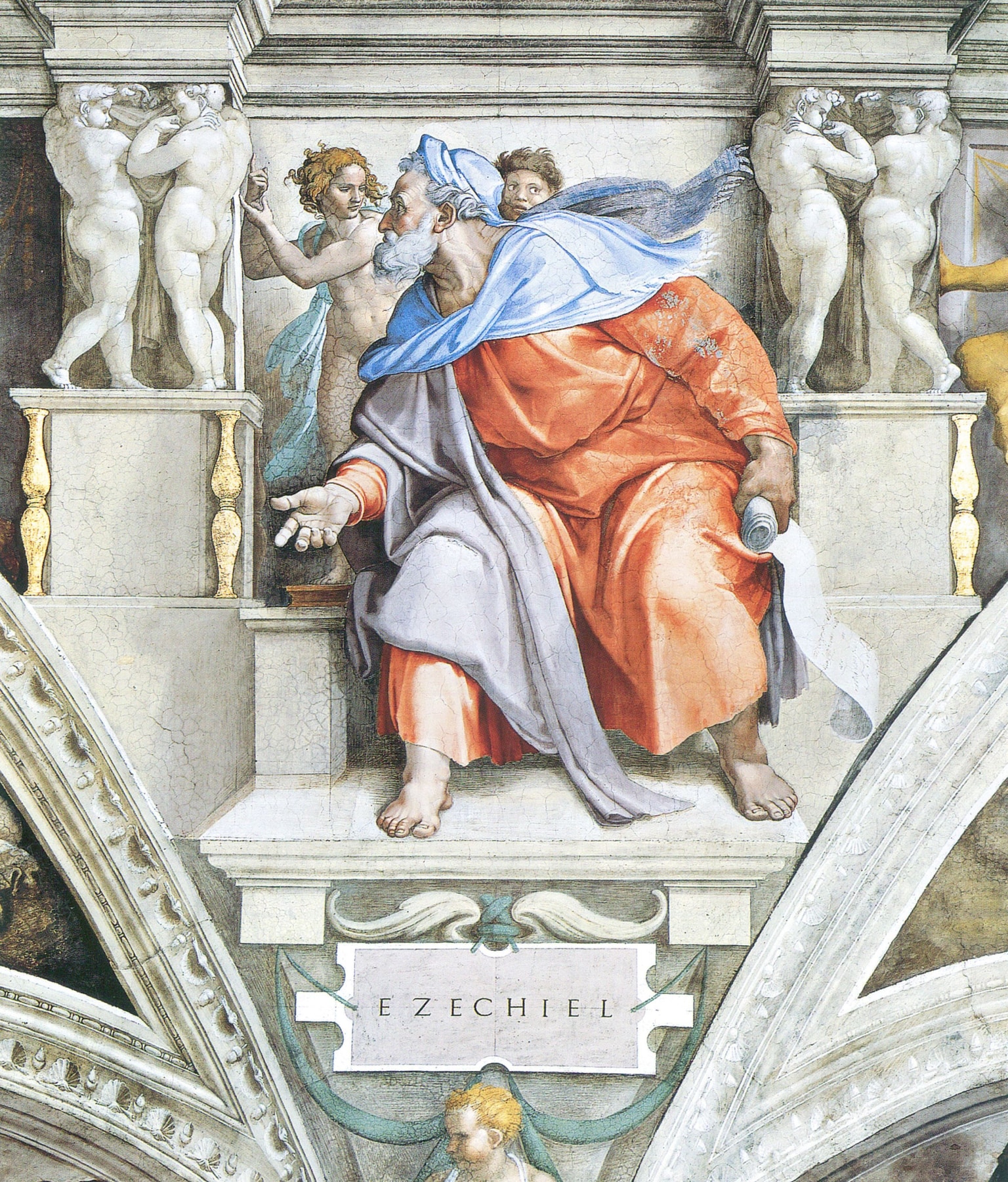
Book of Ezekiel
Visions, Prophecy
Ezechiel, Yəḥezqēl, Iezekiḗl, Ḥazqiyāl, Dhū al-Kifl (identified)
Jeremiah, Joshua, Rahab, Hananiah, Mishael, and Azariah, Nebuchadnezzar Ii, Cyrus the Great
Prophet, Saint
Prophet
About Ezekiel
Ezekiel was an Israelite priest and prophet whose life and ministry are chronicled in the Book of Ezekiel. His name, "Ezekiel," translates to "God is strong" or "God strengthens" in Hebrew. He is recognized as a prophet within Judaism, Christianity, and Islam.
Life and Historical Context
Born into a priestly lineage, Ezekiel's call to prophecy is described as occurring in "the thirtieth year," which historical interpretation places around 593 BC. At this time, he was living among the exiles on the banks of the Kebar Canal in Tel Abib, near Nippur, in Babylonia. His prophecies spanned approximately 22 years, with his last recorded prophecy dating to April 571 BC, about sixteen years after the destruction of Jerusalem.
Ezekiel's ministry coincided with a tumultuous period for the Kingdom of Judah. He prophesied the impending destruction of Jerusalem, the conquest by the Neo-Babylonian Empire, and the subsequent Babylonian captivity, events that took place in 587 BC. However, his message was not solely one of doom; he also proclaimed the eventual restoration of the Jewish people to the Land of Israel and foretold a future spiritual renewal and a "renewed covenant."
Major Contributions and Teachings
Ezekiel's prophecies are characterized by vivid visions, symbolic acts, and direct pronouncements. Among his most significant visions are the encounter with God's throne-chariot (the merkavah), the dry bones coming to life symbolizing the resurrection of Israel, and the vision of a river flowing from a future temple, bringing life and healing. His teachings emphasized God's sovereignty, justice, and faithfulness, even amidst judgment. He also articulated the concept of individual responsibility for sin, a departure from earlier emphasis on collective guilt.
Religious Significance and Legacy
Ezekiel's prophecies have had a profound and lasting impact on religious thought. In Jewish tradition, his writings are a cornerstone of prophetic literature, shaping understanding of exile, redemption, and messianic hope. Christian tradition views him as a prophet whose words prefigured the coming of Christ, with his concept of a "renewed covenant" being echoed by the Apostle Paul and his visions interpreted allegorically, such as the "closed gate" symbolizing the Virgin Mary.
In Islamic tradition, Ezekiel is recognized as a prophet, often identified with the figure Dhū al-Kifl mentioned in the Quran. His tomb is venerated in al-Kifl, Iraq, and another site in Turkey also claims his burial place. The Book of Ezekiel continues to be studied for its theological depth and its enduring message of divine judgment and ultimate restoration.
Source: Wikipedia ↗
Frequently Asked Questions
Who was Ezekiel?
Ezekiel was an Israelite priest and prophet recognized in Abrahamic religions. He is best known for his visions and prophecies concerning the destruction and eventual restoration of the Jewish people and the Land of Israel, as recorded in the Book of Ezekiel.
When did Ezekiel live and prophesy?
Ezekiel's prophetic activity is dated from 593 BC to 571 BC, spanning approximately 22 years. This period coincides with the Babylonian exile, including the destruction of Jerusalem in 587 BC.
What is the Book of Ezekiel about?
The Book of Ezekiel contains his visions, prophecies, and symbolic acts. It includes pronouncements of judgment against Judah and surrounding nations, as well as messages of hope and future restoration, including visions of a new temple and a revitalized people.
Where is Ezekiel believed to be buried?
Ezekiel's Tomb is traditionally located in al-Kifl, Iraq, a site that has historically been an important Jewish pilgrimage destination. Another tomb in Ergani, Turkey, is also believed by some to be his resting place.
How is Ezekiel recognized in different religious traditions?
Ezekiel is acknowledged as a prophet in Judaism, Christianity, and Islam. In Christianity, he is commemorated as a saint in various liturgical calendars, and his prophecies are referenced by the Apostle Paul and in the Book of Revelation. In Islam, he is recognized as a prophet, often identified with Dhū al-Kifl.
Related Prophets
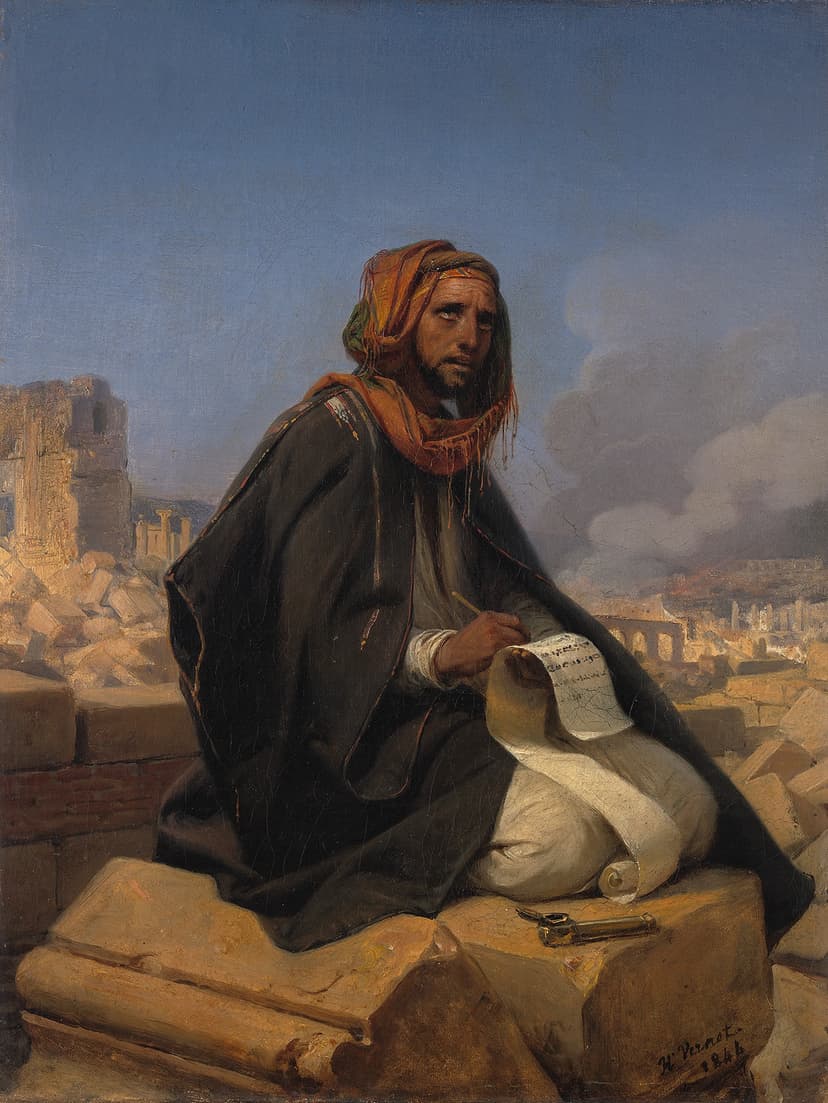
Jeremiah
Jeremiah, also known as Jeremias or Jeremy, was a major prophet in the Hebrew Bible active in the late 7th and early 6th centuries BC. Born into a priestly family, he was called to prophesy the impending destruction of Jerusalem and the Kingdom of Judah due to idolatry and social injustice. His ministry was marked by significant persecution, but his prophecies are central to Judaism, Christianity, and Islam.

Zechariah (son of Berechiah)
Zechariah (son of Berechiah) is traditionally identified as the author of the Book of Zechariah, the eleventh of the Twelve Minor Prophets in the Hebrew Bible. His prophetic career likely began around 520 BCE during the reign of Darius the Great, with a primary focus on encouraging the rebuilding of the Second Temple in Jerusalem. He is distinguished from other biblical figures named Zechariah and Iddo, with his lineage debated but often presented as son of Berechiah and grandson of Iddo.

Aaron
Aaron was an Israelite prophet and the elder brother of Moses, primarily known as the first High Priest of the Israelites. His role as spokesman for Moses to the Pharaoh and his establishment of the priesthood are central to his narrative. Aaron's lineage is considered the origin of the Levitical priesthood (kohanim) in Judaism.