
Ezekiel
Ezekiel was an Israelite priest and prophet in the Abrahamic religions, best known for the Book of Ezekiel which details his visions and prophecies. He prophesied the destruction of Jerusalem and the Babylonian captivity, but also foretold the eventual restoration of the Jewish people to the Land of Israel. His name, meaning "God is strong" or "God strengthens," reflects his prophetic role.
Key Facts
- ›Ezekiel was an Israelite priest and prophet.
- ›He prophesied the destruction of Jerusalem and the Babylonian captivity.
- ›He also foretold the eventual restoration of the Jewish people to the Land of Israel.
- ›His name means "God is strong" or "God strengthens" in Hebrew.
- ›The Book of Ezekiel is named after him and relates his visions and acts.
- ›He is believed to have died around 570 BC.
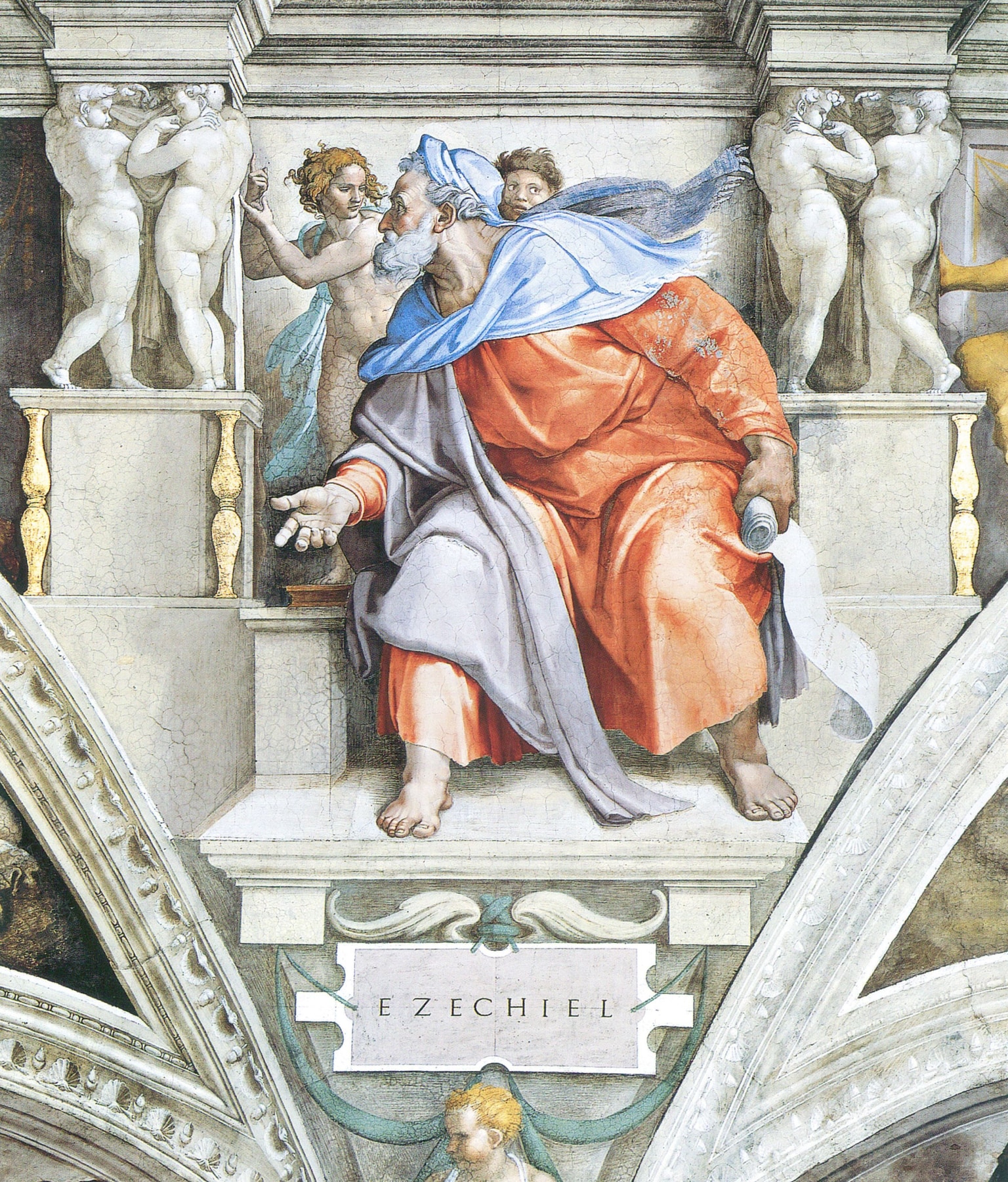
Ezechiel, Yəḥezqēl, Iezekiḗl, Ḥazqiyāl, Dhū al-Kifl
Throne of God, Four Living Creatures
About Ezekiel
Ezekiel, also known by the transliterated Hebrew name Yəḥezqēl and the Greek name Iezekiḗl, was an Israelite priest and prophet whose life and visions are documented in the Book of Ezekiel. His name carries the meaning "God is strong" or "God strengthens."
Life and Prophetic Ministry
According to the biblical account, Ezekiel, the son of Buzi, was born into a priestly lineage. He experienced his first divine encounter and calling to prophecy in "the thirtieth year," which scholars date to 593 BC. He lived among the exiles from the Kingdom of Judah on the banks of the Kebar Canal in Tel Abib, near Nippur, during the Babylonian captivity.
Ezekiel's prophecies primarily addressed the impending destruction of Jerusalem and the Temple by the Neo-Babylonian Empire, an event that occurred in 587 BC. He also foretold the subsequent Babylonian captivity of the Judahite upper classes. However, his prophetic message also included a strong element of hope, proclaiming the eventual restoration of the Jewish people to the Land of Israel and the establishment of a renewed covenant.
His prophetic ministry spanned approximately 22 years, with his last recorded prophecy dating to April 571 BC. Historical accounts suggest he died around 570 BC.
Significance and Veneration
Ezekiel is recognized as a prophet in Judaism, Christianity, and Islam. In Christian tradition, his prophecies and visions, such as the "renewed covenant" and his visions of living creatures and a river flowing from the temple, have been interpreted and referenced in the New Testament, notably by the Apostle Paul and in the Book of Revelation. Christian veneration includes commemorations in the liturgical calendars of various denominations, including the Eastern Orthodox Church and the Roman Martyrology.
In Islamic tradition, while not named in the Quran, Ezekiel is acknowledged as a prophet, often identified with the figure Dhū al-Kifl. His tomb is traditionally located in al-Kifl, Iraq, and is a site of historical significance.
Legacy
Ezekiel's Book is a foundational text of biblical prophecy, offering profound insights into divine justice, covenant faithfulness, and the future of God's people. His symbolic language and visions have deeply influenced theological thought and artistic expression across different religious traditions.
Source: Wikipedia ↗
Frequently Asked Questions
What does the name Ezekiel mean?
The name Ezekiel is of Hebrew origin and means "God is strong" or "God strengthens."
When did Ezekiel prophesy?
Ezekiel's prophecies are believed to have occurred over a period of about 22 years, from approximately 593 BC to 571 BC.
What are the main themes of the Book of Ezekiel?
The Book of Ezekiel contains prophecies of judgment against Judah and other nations, visions of God's glory and the destruction of the Temple, and promises of future restoration and a new covenant.
Where is Ezekiel believed to be buried?
Ezekiel's Tomb is traditionally located in al-Kifl, Iraq, a site that has historically been important for Jewish pilgrimage.
Is Ezekiel recognized as a prophet in Islam?
Yes, Ezekiel is recognized as a prophet in Islamic tradition, although he is not explicitly named in the Quran. He is often identified with the figure Dhū al-Kifl.
Related Saints
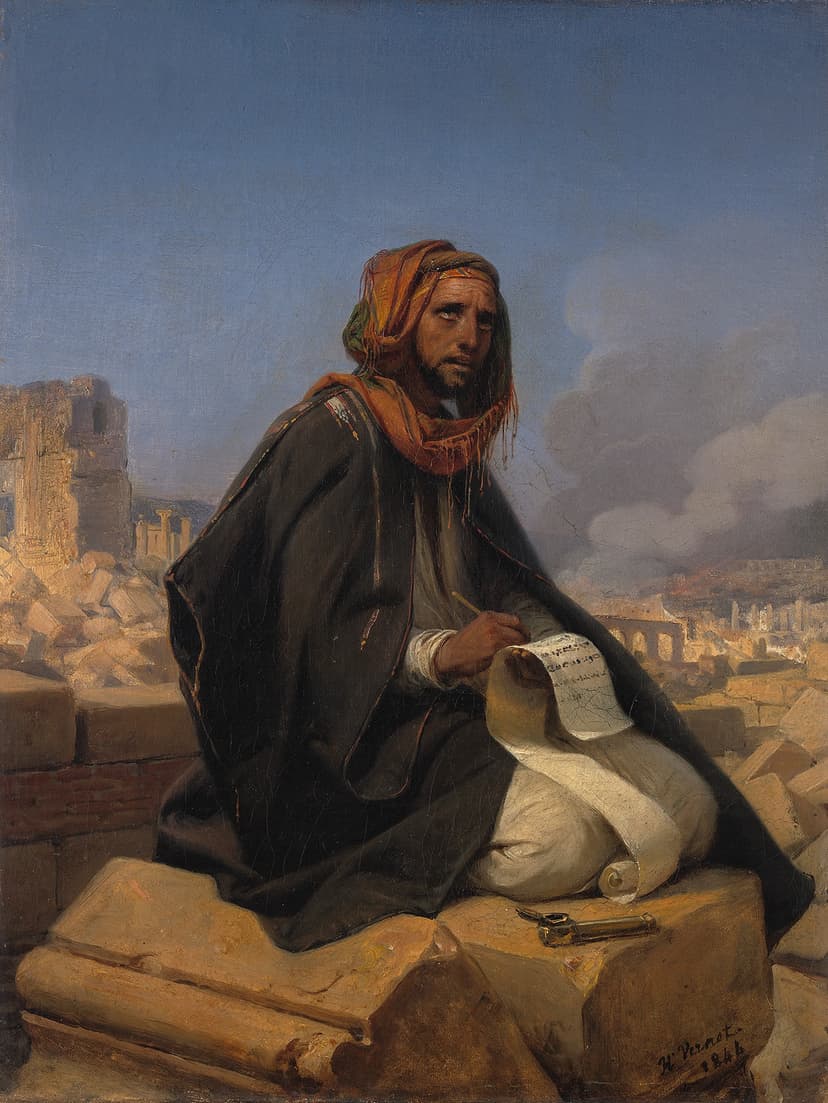
Jeremiah
Jeremiah was a major prophet in the Hebrew Bible, active in the late 7th and early 6th centuries BC. He is chiefly remembered for his prophecies of divine judgment against Judah for its idolatry and social injustices, forewarning of the Babylonian captivity and the destruction of Jerusalem. His ministry, marked by personal struggle and opposition, emphasized repentance and the restoration of a covenant relationship with God.
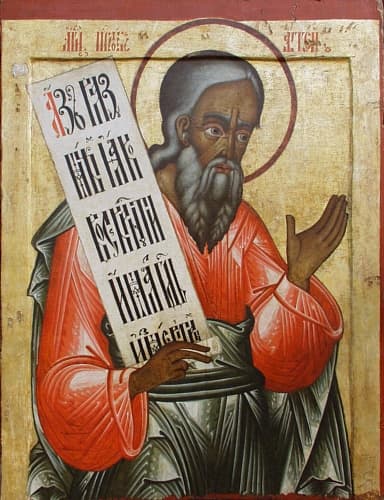
Haggai
Haggai was a Hebrew prophet active in the 6th century BCE, known for his role in inspiring the rebuilding of the Second Temple in Jerusalem. He is one of the twelve minor prophets in the Hebrew Bible and is credited with delivering four prophecies in 520 BCE that urged the Jewish people to resume construction of the Temple after it had been halted. Haggai's message emphasized divine favor and prosperity contingent on the completion of this sacred structure.
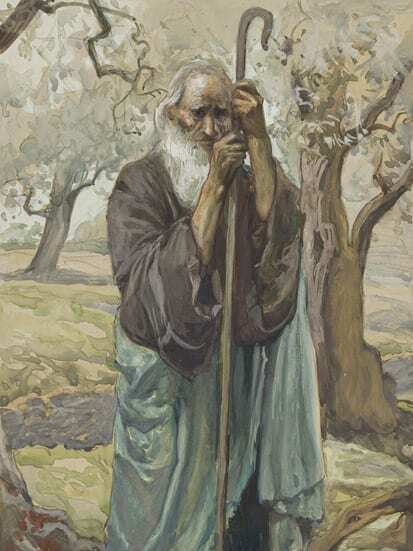
Obadiah
Obadiah, also known as Abdias, was a biblical prophet traditionally credited with authorship of the Book of Obadiah. His prophetic ministry is debated by scholars, with some dating his work to the 9th century BCE and others to the 6th century BCE, shortly after the fall of Jerusalem. He is remembered for his prophecy against Edom and, in rabbinic tradition, for his act of hiding one hundred prophets from Jezebel's persecution.