
Haggai
December 16·6th century BC·Jerusalem
Haggai was a Hebrew prophet active in the 6th century BCE, known for his role in inspiring the rebuilding of the Second Temple in Jerusalem. He is one of the twelve minor prophets in the Hebrew Bible and is credited with delivering four prophecies in 520 BCE that urged the Jewish people to resume construction of the Temple after it had been halted. Haggai's message emphasized divine favor and prosperity contingent on the completion of this sacred structure.
Key Facts
- ›Haggai was a Hebrew prophet active in 520 BCE.
- ›He is known for his prophecies encouraging the rebuilding of the Second Temple in Jerusalem.
- ›He was one of the twelve minor prophets in the Hebrew Bible.
- ›His prophecies are recorded in the Book of Haggai.
- ›He is considered an important figure in the period of Jewish history following the Babylonian Exile.
- ›In the Eastern Orthodox Church, Haggai is commemorated as a saint and prophet.
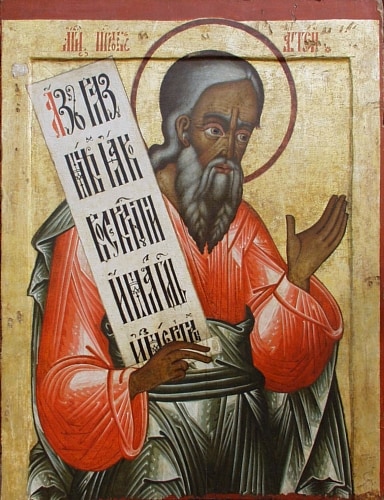
Aggeus, Aggaeus
About Haggai
Haggai, also known by the Greek name Aggeus, was a significant Hebrew prophet whose activity centered on the rebuilding of the Second Temple in Jerusalem. He is recognized as one of the twelve minor prophets in the Hebrew Bible and is the author or subject of the Book of Haggai. His prophecies, delivered in 520 BCE, played a crucial role in motivating the Jewish people to resume the construction of the Temple after a period of interruption.
Life and Historical Context
Scant biographical details are known about Haggai's personal life, with the Book of Haggai offering no information regarding his ancestry or early life. He is mentioned in the Book of Ezra, and some commentators suggest he may have been an elderly man who had seen the First Temple before its destruction, based on his references to its former glory. Haggai began his prophetic ministry approximately sixteen years after the return of the Jews to Judah, around 520 BCE. The work of rebuilding the Temple had been suspended for eighteen years due to the opposition of the Samaritans, and it was through the combined efforts of Haggai and his contemporary, the prophet Zechariah, that the work was restarted. Their exhortations roused the people from their apathy and encouraged them to take advantage of a favorable shift in Persian government policy under Darius I.
Prophecies and Message
Haggai delivered four distinct messages in Jerusalem during the latter half of 520 BCE, with his pronouncements occurring between August 29 and December 18. His central theme was the imperative for the people to complete the building of the Temple. He prophesied that the new Temple would surpass the former in its glory. Haggai warned that poverty, famine, and drought would afflict the Jewish nation if the Temple construction remained unfinished. While scholars often attribute the editing of his prophecies to his students, Jewish tradition holds that the Men of the Great Assembly were responsible for compiling his messages.
Role in Leadership and Diplomacy
Haggai actively supported the leading officials of his time, namely Zerubbabel, the governor of Judah, and Joshua, the High Priest. In the Book of Haggai, God refers to Zerubbabel with high honor, comparing him to King David and stating he would be made like a signet ring, a symbol of authority and divine favor. This implicitly suggested that Zerubbabel would preside over a restored Davidic kingdom. Haggai perceived the weakening of the Persian Empire as an opportune moment to reassert Jewish influence and restore the Davidic Kingdom, believing this restoration would put an end to Jewish idol worship.
Legacy and Commemoration
In rabbinic tradition, Haggai is often counted among the Men of the Great Assembly. The Babylonian Talmud records traditions attributed to him concerning matters of Jewish law and proselytism. In the Eastern Orthodox Church, Haggai is commemorated as a saint and prophet on December 16th. He is also remembered with other Old Testament righteous figures on the Sunday of the Holy Fathers and is commemorated with other Minor Prophets in the Armenian Apostolic Church on July 31st. In Freemasonry, Haggai, along with Zerubbabel and Joshua, are honored as the Three Principals of the Chapter in the Holy Royal Arch degree.
Source: Wikipedia ↗
Frequently Asked Questions
When did the prophet Haggai live and prophesy?
Haggai was a Hebrew prophet active around 520 BCE. He delivered his prophecies during the period of the rebuilding of the Second Temple in Jerusalem, approximately sixteen years after the return of the Jews from Babylonian captivity.
What is Haggai primarily remembered for?
Haggai is chiefly remembered for his active role in encouraging the Jews to resume the construction of the Second Temple. His prophecies urged them to overcome lethargy and political obstacles to complete this crucial religious and national project.
What is the Book of Haggai about?
The Book of Haggai contains the prophecies delivered by the prophet Haggai in late 520 BCE. It details his four messages to the people and officials of Jerusalem, emphasizing the importance of completing the Temple and the consequences of its neglect.
Who did Haggai support during his time?
Haggai supported the key officials of his era, specifically Zerubbabel, who served as the governor of Judah, and Joshua, the High Priest. He conveyed God's messages of encouragement and divine favor towards them.
How is Haggai commemorated in religious traditions?
In the Eastern Orthodox Church, Haggai is venerated as a saint and prophet and is commemorated on December 16th. He is also recognized in the Armenian Apostolic Church's Calendar of Saints on July 31st.
Related Saints
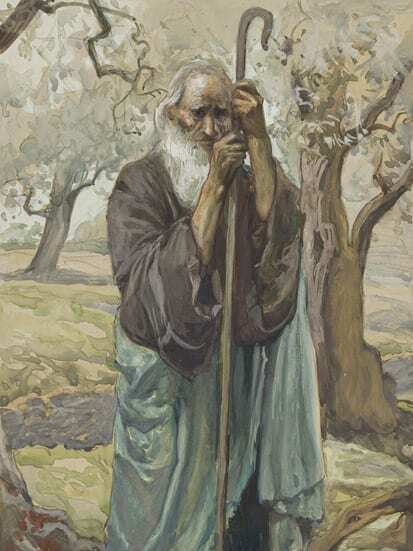
Obadiah
Obadiah, also known as Abdias, was a biblical prophet traditionally credited with authorship of the Book of Obadiah. His prophetic ministry is debated by scholars, with some dating his work to the 9th century BCE and others to the 6th century BCE, shortly after the fall of Jerusalem. He is remembered for his prophecy against Edom and, in rabbinic tradition, for his act of hiding one hundred prophets from Jezebel's persecution.
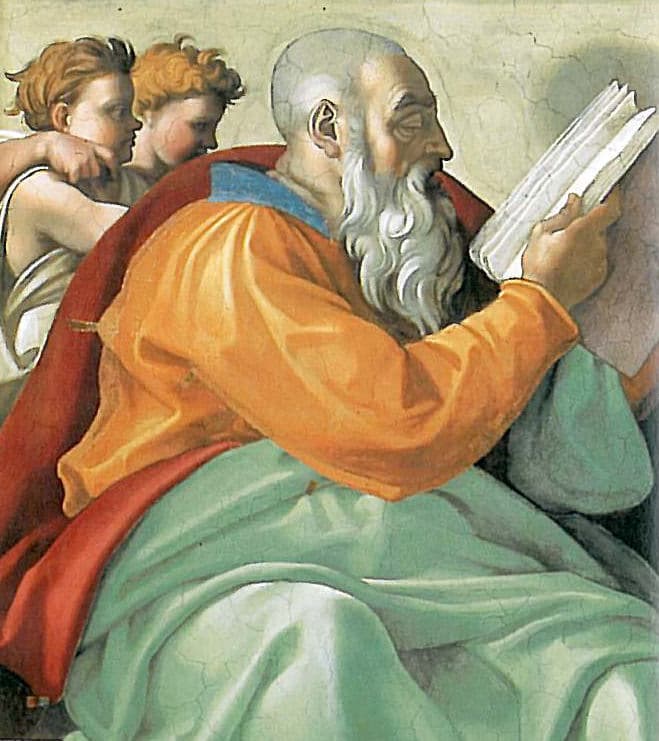
Zechariah the Sickle-Seer
Zechariah the Sickle-Seer was a prophet in the Hebrew Bible, traditionally credited with authorship of the Book of Zechariah. His prophetic career likely began in 520 BCE during the reign of Darius the Great, with a primary concern for the rebuilding of the Second Temple. He is commemorated liturgically by various Christian traditions.
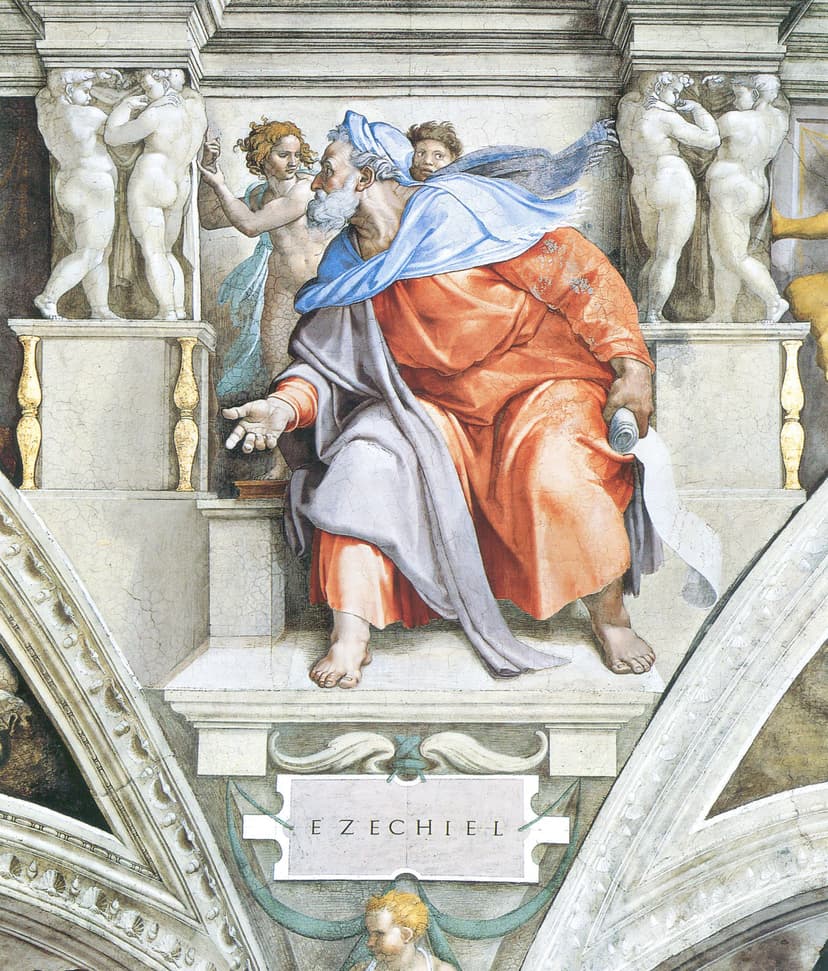
Ezekiel
Ezekiel was an Israelite priest and prophet in the Abrahamic religions, best known for the Book of Ezekiel which details his visions and prophecies. He prophesied the destruction of Jerusalem and the Babylonian captivity, but also foretold the eventual restoration of the Jewish people to the Land of Israel. His name, meaning "God is strong" or "God strengthens," reflects his prophetic role.