
Obadiah
Obadiah, also known as Abdias, was a biblical prophet traditionally credited with authorship of the Book of Obadiah. His prophetic ministry is debated by scholars, with some dating his work to the 9th century BCE and others to the 6th century BCE, shortly after the fall of Jerusalem. He is remembered for his prophecy against Edom and, in rabbinic tradition, for his act of hiding one hundred prophets from Jezebel's persecution.
Key Facts
- ›Obadiah's name means "servant/slave of Yah" in Hebrew.
- ›The Book of Obadiah is traditionally attributed to the prophet Obadiah.
- ›Scholars debate the date of the Book of Obadiah, with some placing it in the 9th century BCE and others in the 6th century BCE.
- ›Jewish traditions identify Obadiah as an Edomite convert to Judaism and a descendant of Eliphaz.
- ›Rabbinic tradition states Obadiah hid one hundred prophets from Jezebel's persecution.
- ›He is venerated as a saint in several Eastern churches, with various feast days.
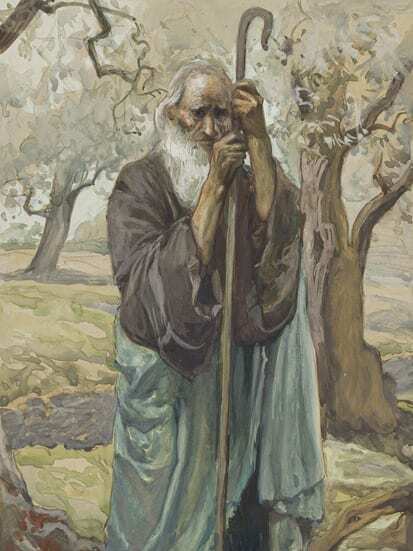
Abdias, Adbiyya ibn Shāmiyya
Oriental Orthodox Churches, Eastern Orthodox Church, Syriac Churches, Malankara Churches
About Obadiah
Obadiah, whose Hebrew name means "servant/slave of Yah," is recognized as a biblical prophet, with his name also appearing in other traditions as Abdias and Adbiyya ibn Shāmiyya. The authorship of the Book of Obadiah, a short prophetic text, is traditionally attributed to him. However, the precise historical context and dating of his ministry remain subjects of scholarly debate.
Dating and Biblical Context
Scholars generally place the composition of the Book of Obadiah either in the 9th century BCE, during the reign of Jehoram of Judah, which would make him a contemporary of the prophet Elijah, or in the late 7th to early 6th century BCE, following the Babylonian conquest of Jerusalem and preceding the Babylonian captivity, aligning him with the prophet Jeremiah. The book's focus on Edom's actions against Judah during Jerusalem's downfall is central to these dating discussions. Some scholars suggest a later date, perhaps in the mid-5th century BCE, and view the text as having evolved through redaction.
Rabbinic and Islamic Traditions
Jewish tradition, particularly the Talmud, identifies Obadiah as an Edomite convert to Judaism and a descendant of Eliphaz, a companion of Job. He is further associated with Obadiah, the faithful steward of King Ahab, who is praised for his piety. A significant story within rabbinic tradition recounts Obadiah's act of courage in hiding one hundred prophets from Jezebel's persecution, concealing them in two caves to ensure their survival. In Islamic tradition, Adbiyya ibn Shāmiyya is considered a prophet sent to the children of Israel, possibly during the era of Elijah or shortly thereafter, and some scholars identify him with the figure Dhu al-Kifl.
Christian Tradition and Veneration
In various Christian traditions, Obadiah is regarded as a saint. He is commemorated with distinct feast days in several Eastern churches. The Coptic Orthodox Church celebrates him on January 23 or 24, while the Eastern Orthodox Church observes his memory on November 19. The Syriac and Malankara Churches celebrate him on February 28, and the Armenian Apostolic Church includes him among the Minor Prophets on July 31. According to tradition, his relics are believed to be interred in Sebastia, sharing a burial site with Elisha and later associated with the burial place of John the Baptist.
Source: Wikipedia ↗
Frequently Asked Questions
What is the meaning of the name Obadiah?
The name Obadiah is of Hebrew origin and means "servant" or "slave" of Yah (God).
When did the prophet Obadiah live and prophesy?
The exact dating of Obadiah's ministry is debated among scholars. Some place him in the 9th century BCE, contemporary with Elijah, while others date his prophecies to shortly after the fall of Jerusalem in 587 BCE, making him a contemporary of Jeremiah. The content of his prophecy against Edom is key to these differing scholarly opinions.
What is traditionally believed about Obadiah in Jewish sources?
According to the Talmud, Obadiah was an Edomite convert to Judaism and a descendant of Eliphaz, one of Job's friends. He is identified with Obadiah, the servant of King Ahab, and is credited with hiding one hundred prophets from Jezebel's persecution in two caves, thus saving them from death.
Who was Obadiah's prophecy about?
Obadiah's prophecy, contained in the Book of Obadiah, is primarily directed against the nation of Edom. It foretells their destruction due to their pride and their mistreatment of Judah during the fall of Jerusalem.
How is Obadiah venerated in Christian traditions?
Obadiah is recognized as a saint in several Eastern Christian churches. He is commemorated on different feast days, including January 23/24 in the Coptic Orthodox Church, November 19 in the Eastern Orthodox Church, February 28 in the Syriac and Malankara Churches, and July 31 in the Armenian Apostolic Church.
Where are Obadiah's relics said to be located?
An old tradition states that Obadiah is buried in Sebastia, at the same site where Elisha was interred and where the body of John the Baptist was later believed to have been placed.
Related Saints
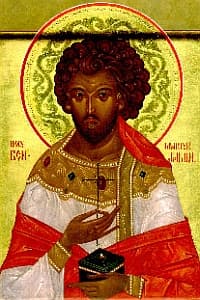
Benjamin the Deacon
Benjamin the Deacon was a Christian deacon martyred in Persia around 424 AD during a period of intense persecution. He is remembered for his unwavering commitment to preaching Christianity despite imprisonment and torture, ultimately giving his life for his faith.
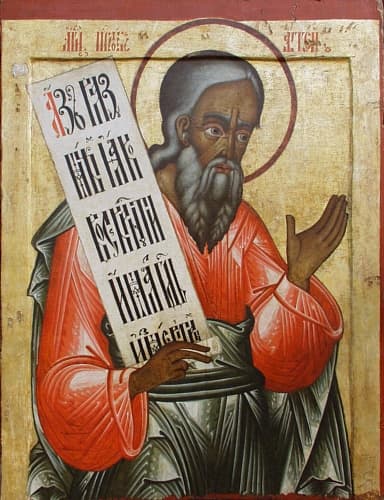
Haggai
Haggai was a Hebrew prophet active in the 6th century BCE, known for his role in inspiring the rebuilding of the Second Temple in Jerusalem. He is one of the twelve minor prophets in the Hebrew Bible and is credited with delivering four prophecies in 520 BCE that urged the Jewish people to resume construction of the Temple after it had been halted. Haggai's message emphasized divine favor and prosperity contingent on the completion of this sacred structure.

Zechariah the Sickle-Seer
Zechariah the Sickle-Seer was a prophet in the Hebrew Bible, traditionally credited with authorship of the Book of Zechariah. His prophetic career likely began in 520 BCE during the reign of Darius the Great, with a primary concern for the rebuilding of the Second Temple. He is commemorated liturgically by various Christian traditions.