
Obadiah
Male·6th century BC·Ancient Near East·Prophetic tradition
Obadiah is a biblical prophet whose authorship of the Book of Obadiah is traditionally accepted. The book, which focuses on God's judgment against Edom, is debated in its dating, with scholars placing it either during the reign of King Jehoram of Judah or following the Babylonian destruction of Jerusalem. Rabbinic and Christian traditions offer further details on his life and veneration.
Key Facts
- ›Traditionally considered the author of the Book of Obadiah, a prophecy against Edom.
- ›Scholarly debate exists on the dating of the Book of Obadiah, with possibilities including the 9th century BCE or shortly after the fall of Jerusalem in 587 BCE.
- ›Rabbinic tradition identifies him as an Edomite convert to Judaism and a descendant of Eliphaz, a companion of Job.
- ›He is said to have hidden one hundred prophets from Jezebel's persecution and expended his wealth to feed them.
- ›Christian traditions sometimes associate him with Shechem and as a captain sent against Elijah.
- ›He is venerated as a saint in several Eastern churches with feast days in January and November.
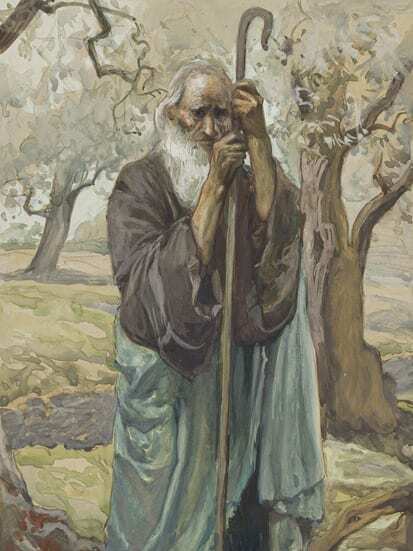
Book of Obadiah
Prophecy
Abdias, Adbiyya ibn Shāmiyya
Elijah, Jeremiah, Jezebel, Ahab, Jehoram, Eliphaz the Temanite, Job, Nebuchadnezzar Ii
Prophet, Saint
Prophet
About Obadiah
Obadiah is recognized as a biblical prophet, traditionally credited with authoring the shortest book in the Hebrew Bible, the Book of Obadiah. His name, derived from Hebrew, signifies "servant of Yah." While the exact period of his ministry is a subject of scholarly debate, the prophecy itself centers on divine judgment against the nation of Edom for their complicity in the destruction of Jerusalem and the mistreatment of Judah.
Life and Historical Context
Scholarly consensus often dates the Book of Obadiah to shortly after the fall of Jerusalem in 587 BCE, during the Babylonian exile. This placement suggests Obadiah was a contemporary of the prophet Jeremiah. However, some scholars propose an earlier dating, potentially during the reign of King Jehoram of Judah (circa 853–841 BCE), which would align him with the prophet Elijah. This earlier period is favored by some Jewish traditions.
Rabbinic tradition offers additional details, identifying Obadiah as an Edomite convert to Judaism and a descendant of Eliphaz, one of Job's friends. According to these traditions, Obadiah was chosen to prophesy against Edom because of his own Edomite heritage. He is also linked to the figure of Obadiah, King Ahab's steward, who is said to have hidden one hundred prophets from Jezebel's persecution, expending his considerable wealth to feed them.
Prophetic Message and Significance
The primary message of Obadiah's prophecy is God's unwavering judgment against nations that act with pride and malice towards His chosen people. The prophecy specifically condemns Edom for their gloating and participation in the plundering of Jerusalem when it fell to the Babylonians. It foretells a day of reckoning for Edom and a restoration for the house of Jacob.
Veneration and Legacy
In Christian traditions, Obadiah is venerated as a saint in several Eastern churches, with feast days observed in late January and November. Some traditions place his birthplace in Shechem and associate him with incidents involving the prophet Elijah. In Islamic tradition, while not explicitly named, some scholars equate him with the prophet Dhu al-Kifl or refer to him as Adbiyya ibn Shāmiyya, an Isra'iliyyat prophet.
Obadiah's legacy endures through his prophetic book, which remains a significant text within the biblical canon, offering insights into divine justice, historical grievances, and the interconnectedness of ancient Near Eastern nations. His story also highlights themes of faith, courage, and divine protection, resonating across different religious traditions.
Source: Wikipedia ↗
Frequently Asked Questions
Who was the prophet Obadiah?
Obadiah was a biblical prophet, traditionally credited with writing the Book of Obadiah. His name means 'servant of Yah'.
What is the Book of Obadiah about?
The Book of Obadiah is a prophecy that pronounces judgment against the nation of Edom for their actions against Judah, particularly during Jerusalem's fall.
When did Obadiah live?
The exact dating of Obadiah's ministry is disputed among scholars. Some suggest the 9th century BCE, making him a contemporary of Elijah, while others place him in the 6th century BCE, contemporary with Jeremiah, following the Babylonian exile.
What do Jewish traditions say about Obadiah?
According to the Talmud, Obadiah was an Edomite convert to Judaism and a descendant of Eliphaz. He is also identified with Obadiah, the servant of King Ahab, who hid prophets from Jezebel.
How is Obadiah venerated in Christian traditions?
In some Christian traditions, Obadiah is regarded as a saint, particularly in Eastern churches. He has feast days in various churches, including the Coptic Orthodox Church and the Eastern Orthodox Church.
Is Obadiah mentioned in the Quran?
While not explicitly named, some Islamic scholars identify the prophet Dhu al-Kifl with Obadiah. He is also referred to as Adbiyya ibn Shāmiyya, an Isra'iliyyat prophet.
Related Prophets
Hosea
Hosea was an 8th-century BC prophet in the northern Kingdom of Israel, known as the primary author of the Book of Hosea. His prophecies, often seen as messages of doom, also contained underlying promises of restoration. He is considered a significant figure in Judaism, Christianity, and Islam, with his life and marriage serving as a powerful metaphor for God's relationship with Israel.
John of Patmos
John of Patmos is traditionally identified as the author of the Book of Revelation. He is believed by some to have been exiled to the Aegean island of Patmos by Roman authorities during the late 1st century due to anti-Christian persecution, where he received his vision. While traditionally equated with John the Apostle, modern scholarship often distinguishes the author of Revelation from the disciple of Jesus.
Jeremiah
Jeremiah, also known as Jeremias or Jeremy, was a major prophet in the Hebrew Bible active in the late 7th and early 6th centuries BC. Born into a priestly family, he was called to prophesy the impending destruction of Jerusalem and the Kingdom of Judah due to idolatry and social injustice. His ministry was marked by significant persecution, but his prophecies are central to Judaism, Christianity, and Islam.