
John of Patmos
Male·1st century·Roman Asia Minor·Early Christianity
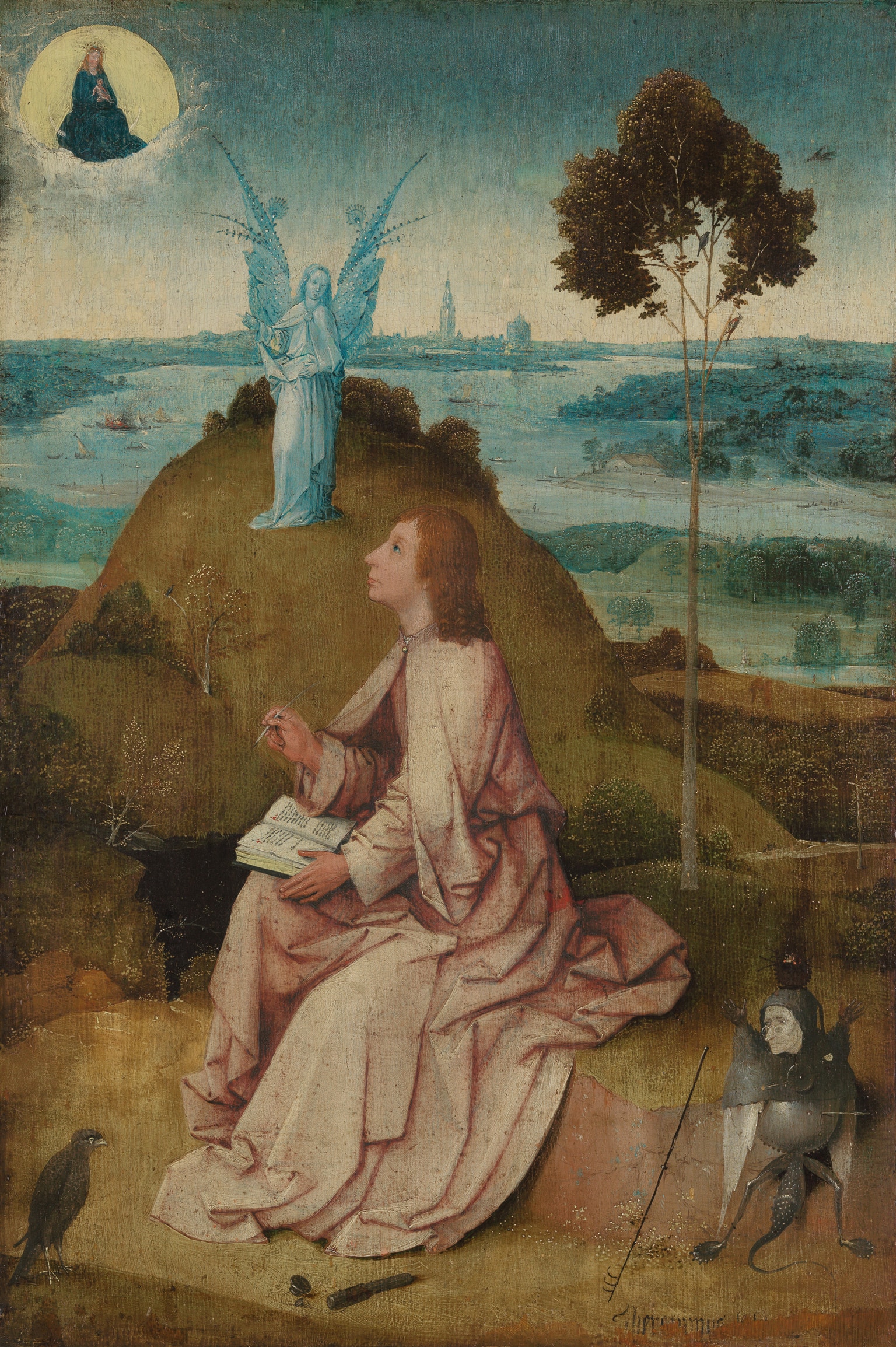
John of Patmos is traditionally identified as the author of the Book of Revelation. He is believed by some to have been exiled to the Aegean island of Patmos by Roman authorities during the late 1st century due to anti-Christian persecution, where he received his vision. While traditionally equated with John the Apostle, modern scholarship often distinguishes the author of Revelation from the disciple of Jesus.
Key Facts
- ›Traditionally identified as the author of the Book of Revelation.
- ›Stated in Revelation 1:9 to be on the island of Patmos.
- ›Exiled to Patmos during the reign of Roman Emperor Domitian.
- ›Banishment was a common punishment for practices perceived as threats to Roman order, including prophecy.
- ›Tertullian claimed John was plunged into boiling oil in Rome and suffered no harm.
- ›Some Christian traditions equate him with John the Apostle, but many scholars differentiate them.
Book of Revelation
Prophecy, Vision
John the Revelator, John the Divine, John the Theologian, Ἰωάννης ὁ Θεολόγος
Domitian, John the Apostle, John the Presbyter, Eusebius, Tertullian, Justin Martyr, Dionysius of Alexandria
Saint
Prophet, Biblical Author
About John of Patmos
John of Patmos is the name traditionally assigned to the author of the New Testament's Book of Revelation. He is identified in Revelation 1:9 as being on the island of Patmos, an Aegean island off the coast of Roman Asia, where he experienced divine visions.
Exile and Visions
According to tradition, John was exiled to Patmos by Roman authorities during a period of persecution under Emperor Domitian in the late 1st century CE. This banishment was a common punishment for individuals whose activities, such as prophecy, were perceived as a threat to Roman political power and order. It is recorded that Tertullian, an early Christian writer, claimed John survived being plunged into boiling oil in Rome, an event that may have preceded his exile.
Authorship Debates
Traditionally, the author of Revelation was often equated with John the Apostle, one of Jesus' twelve disciples, and also believed to be the author of the Gospel of John. However, beginning in medieval times and continuing with modern scholarship, many Christian scholars have questioned this identification. Differences in language, theological perspective, and style between the Book of Revelation and the Gospel of John have led some to distinguish the author of Revelation from John the Apostle. Some scholars propose that John the Presbyter, a figure mentioned by early Christian writers like Papias, may have authored Revelation. The prevailing view among contemporary scholars is that the author of Revelation is distinct from John the Apostle.
Significance
The Book of Revelation, attributed to John of Patmos, is a pivotal text in Christian eschatology. Its apocalyptic visions and prophecies have significantly influenced Christian theology, art, and literature throughout history, offering a framework for understanding divine judgment and the ultimate triumph of God.
Source: Wikipedia ↗
Frequently Asked Questions
Who is John of Patmos?
John of Patmos is the name traditionally given to the author of the Book of Revelation. He is known for his prophetic visions recorded in this scripture.
Why was John of Patmos on Patmos?
According to Revelation 1:9 and historical tradition, John was exiled to the island of Patmos by Roman authorities. This banishment was likely a consequence of anti-Christian persecution under Emperor Domitian.
Is John of Patmos the same person as John the Apostle?
Christian tradition has often identified John of Patmos with John the Apostle, one of Jesus' disciples. However, some scholars, particularly since medieval times, distinguish between the two, citing differences in writing style and theology.
What is the Book of Revelation about?
The Book of Revelation is a book of the New Testament that contains prophetic visions attributed to John of Patmos. It is known for its apocalyptic themes and imagery.
What was the nature of John of Patmos' exile?
Banishment to islands like Patmos was a common punishment in the Roman Empire for various offenses, including practices like magic, astrology, and prophecy that were seen as potential threats to Roman authority and order. John's prophecy in Revelation, with its political implications, would have been viewed as such a threat.
Related Prophets
Obadiah
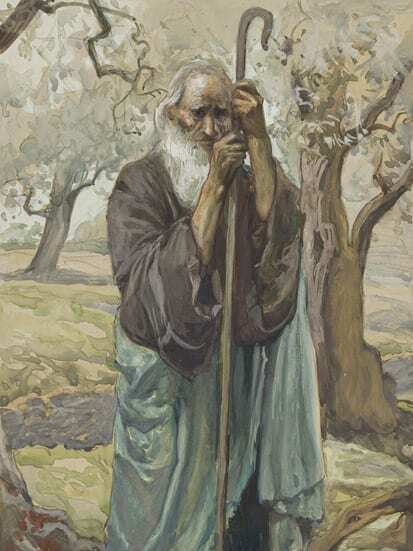
Obadiah is a biblical prophet whose authorship of the Book of Obadiah is traditionally accepted. The book, which focuses on God's judgment against Edom, is debated in its dating, with scholars placing it either during the reign of King Jehoram of Judah or following the Babylonian destruction of Jerusalem. Rabbinic and Christian traditions offer further details on his life and veneration.
Hosea
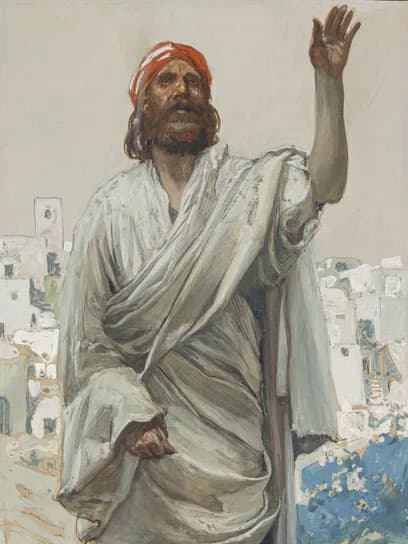
Hosea was an 8th-century BC prophet in the northern Kingdom of Israel, known as the primary author of the Book of Hosea. His prophecies, often seen as messages of doom, also contained underlying promises of restoration. He is considered a significant figure in Judaism, Christianity, and Islam, with his life and marriage serving as a powerful metaphor for God's relationship with Israel.
John the Baptist
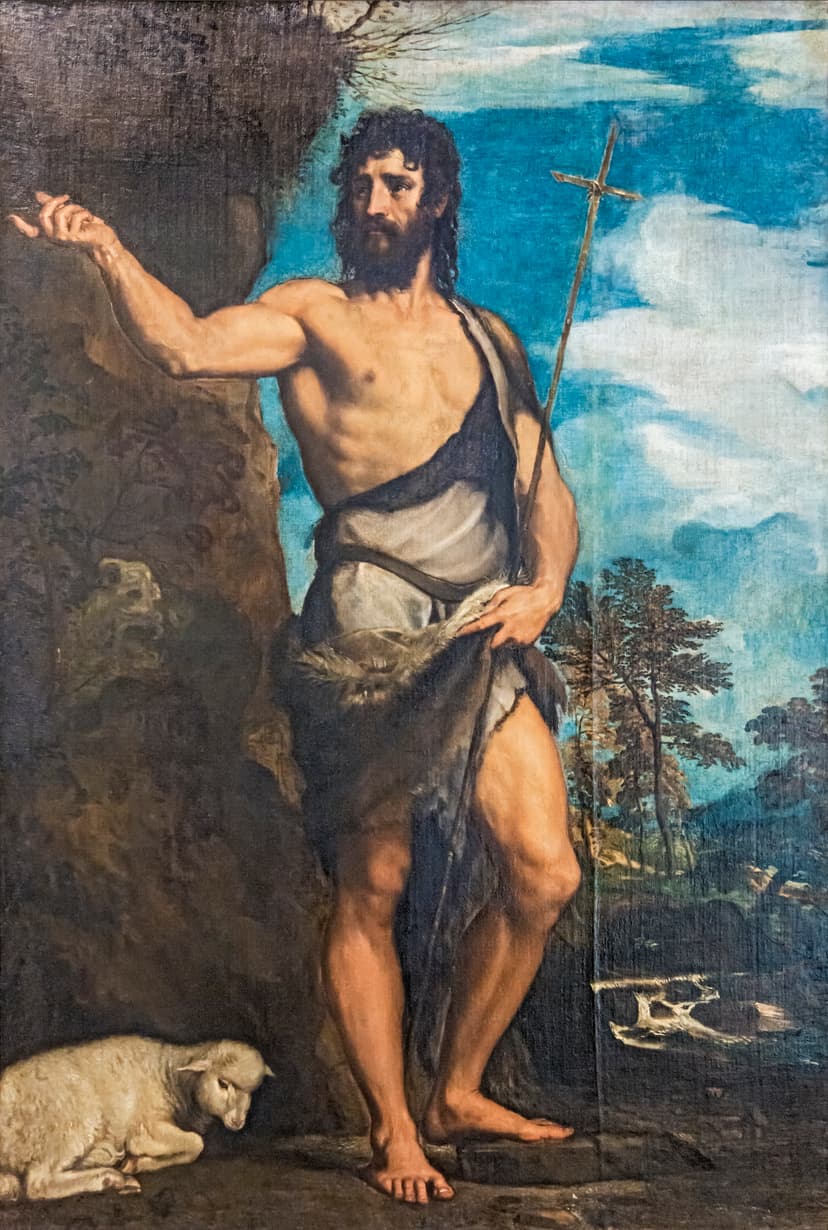
John the Baptist was a Jewish preacher active in the early first century AD along the Jordan River. Revered in Christianity, Islam, and other faiths, he is known for his ministry of repentance and baptism, anticipating a messianic figure greater than himself. According to the New Testament, he baptized Jesus and was later beheaded by Herod Antipas.