
Hosea
Male·8th century BC·Israel·Prophet of Israel
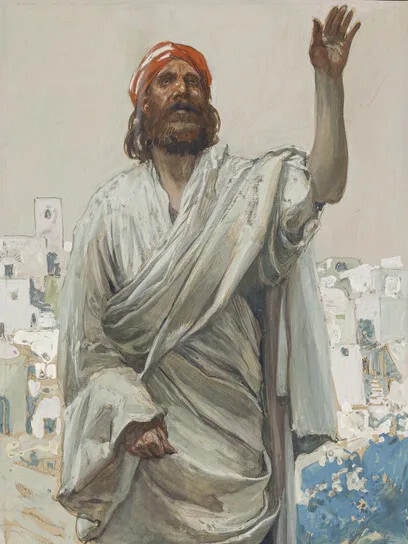
Hosea was an 8th-century BC prophet in the northern Kingdom of Israel, known as the primary author of the Book of Hosea. His prophecies, often seen as messages of doom, also contained underlying promises of restoration. He is considered a significant figure in Judaism, Christianity, and Islam, with his life and marriage serving as a powerful metaphor for God's relationship with Israel.
Key Facts
- ›Considered the first of the twelve Minor Prophets in the Hebrew Bible.
- ›His ministry likely took place in the northern Kingdom of Israel.
- ›His marriage to Gomer, an unfaithful woman, served as a symbolic representation of God's relationship with unfaithful Israel.
- ›His children, Lo-ruhamah ('not pitied') and Lo-ammi ('not my people'), had names prophesying God's displeasure.
- ›His prophetic activity spanned from the reign of Jeroboam II to Hoshea, likely ending before the fall of Samaria.
- ›Rabbinic literature suggests his prayers averted three divine decrees against Israel.
Book of Hosea
Osee, Hōšēaʿ, Ḥushayā ibn Bīrī
Gomer, Diblaim, Jeroboam Ii, Hoshea, Amos, Isaiah, Joshua Son of Nun
Prophet, Minor Prophet, Commemorated On July 31, Commemorated On October 17
Prophet
About Hosea
Hosea, whose name means 'Salvation,' was a prophet active in the northern Kingdom of Israel during the 8th century BCE. He is recognized as the primary author of the Book of Hosea, one of the Twelve Minor Prophets in the Hebrew Bible. While often characterized as a "prophet of doom" due to his pronouncements of judgment against Israel's idolatry and unfaithfulness, his message also contained a profound undercurrent of restoration and enduring divine love.
Life and Ministry
Little is definitively known about Hosea's personal life beyond what is recounted in his prophetic book. He is believed to have been a native of the northern Kingdom of Israel, and his ministry likely spanned from the reign of Jeroboam II until the time of King Hoshea, possibly concluding before the fall of Samaria in 722/721 BCE. His prophetic activities are thought to align with those of Amos and Isaiah.
Central to Hosea's prophetic witness was his divinely commanded marriage to Gomer, the daughter of Diblaim. Gomer proved to be unfaithful, a situation that mirrored Israel's spiritual adultery through its worship of foreign gods. This deeply personal experience served as a living metaphor for God's broken covenant relationship with His people. The names of their children further emphasized this estrangement: Lo-ruhamah, meaning 'not pitied,' and Lo-ammi, meaning 'not my people.'
Message and Significance
Hosea's core message was a stark warning against the pervasive idolatry and moral corruption within Israel. He condemned their turning away from the Lord to worship other deities, predicting severe consequences. However, woven into this message of judgment was a consistent promise of God's ultimate mercy and a future restoration of His people. This duality of judgment and hope is a hallmark of his prophecy.
Religious Traditions
Hosea holds significant status across multiple religious traditions. In Judaism, he is revered as one of the major Minor Prophets. Christianity views his marriage and God's persistent love for an unfaithful Israel as a prefiguration of Christ's relationship with the Church, and the act of buying back Gomer is seen as symbolic of Christ's redemptive sacrifice. In Islam, he is known as Ḥushayā ibn Bīrī and is considered a prophet sent to the Children of Israel.
Legacy
The Book of Hosea remains a powerful testament to God's unwavering love even in the face of human betrayal. The prophet's personal saga of heartbreak and continued devotion has resonated through centuries, inspiring theological reflection and artistic interpretation. His teachings continue to be studied for their insights into divine justice, covenant faithfulness, and the possibility of redemption.
Source: Wikipedia ↗
Frequently Asked Questions
What is the meaning of the name Hosea?
The name Hosea is derived from a Hebrew verb meaning 'salvation'. It was also the original name of Joshua, son of Nun, before Moses gave him the longer name Yehoshua.
Where did Hosea conduct his ministry?
While not explicitly stated, the detailed geographical references in the Book of Hosea strongly indicate that he ministered in the northern Kingdom of Israel. He was a native of this region.
What was the significance of Hosea's marriage?
Hosea's marriage to Gomer, who was unfaithful, was divinely orchestrated to symbolize Israel's unfaithfulness to God. This personal experience dramatized the breakdown in the covenantal relationship between God and His people.
What do Hosea's children's names signify?
The names of Hosea's children, Lo-ruhamah ('not pitied') and Lo-ammi ('not my people'), were prophetic signs of God's estrangement and displeasure with Israel due to their worship of false gods.
How is Hosea viewed in Islamic tradition?
In Islam, Hosea is referred to as Ḥushayā ibn Bīrī and is considered an Israelite prophet sent to guide the Children of Israel. His story and the Book of Hosea have been used in Qur'anic exegesis.
What is the Christian interpretation of Hosea's message?
Christians often see the relationship between Hosea and Gomer as a parallel to the relationship between Christ and the Church. They interpret his forgiveness of Gomer as a representation of God's redemptive love and Christ's sacrifice.
Where is Hosea traditionally believed to be buried?
Jewish tradition holds that Hosea is buried in the Jewish cemetery of Safed. However, this tradition is considered historically questionable by some scholars.
Related Prophets
Jonah
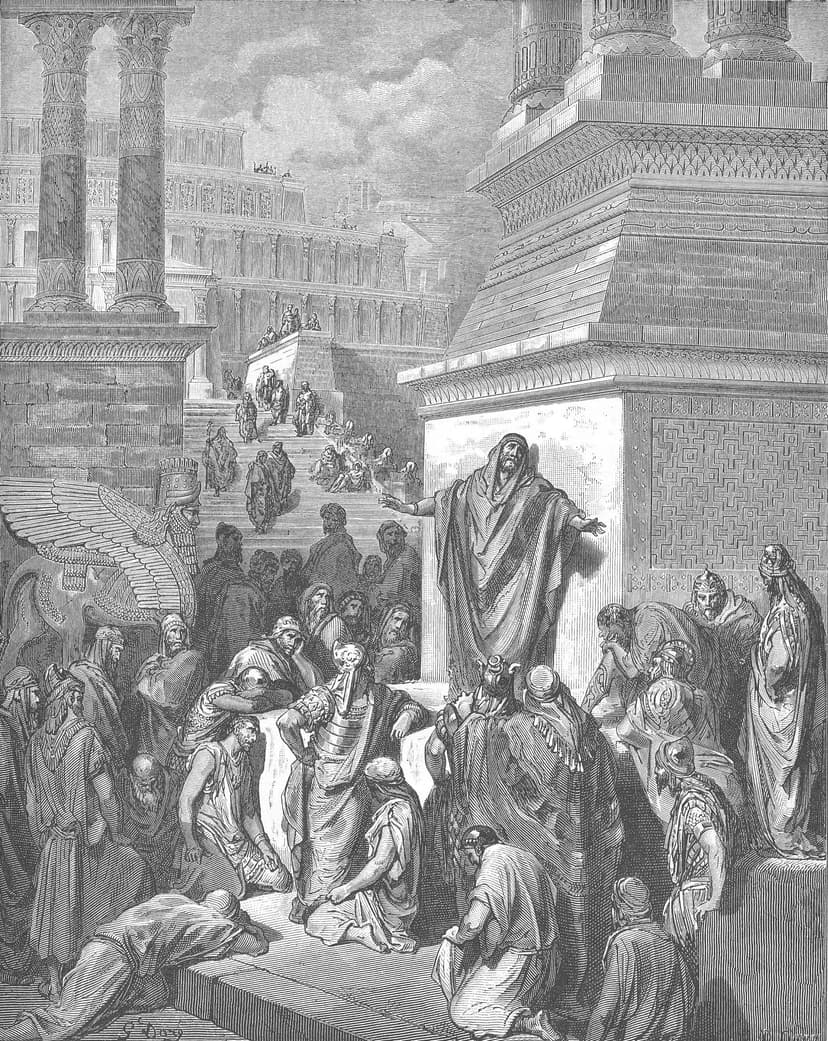
Jonah, a Jewish prophet from the Northern Kingdom of Israel in the 8th century BCE, is primarily known as the central figure of the Book of Jonah. This scripture details his reluctance to deliver God's judgment to the wicked city of Nineveh, his miraculous survival after being swallowed by a large fish, and his eventual obedience. His story is significant in Judaism for its emphasis on repentance and in Christianity and Islam as a prophetic figure.
Obadiah
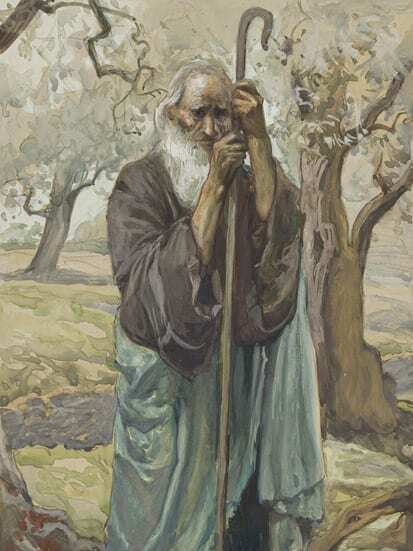
Obadiah is a biblical prophet whose authorship of the Book of Obadiah is traditionally accepted. The book, which focuses on God's judgment against Edom, is debated in its dating, with scholars placing it either during the reign of King Jehoram of Judah or following the Babylonian destruction of Jerusalem. Rabbinic and Christian traditions offer further details on his life and veneration.
John of Patmos
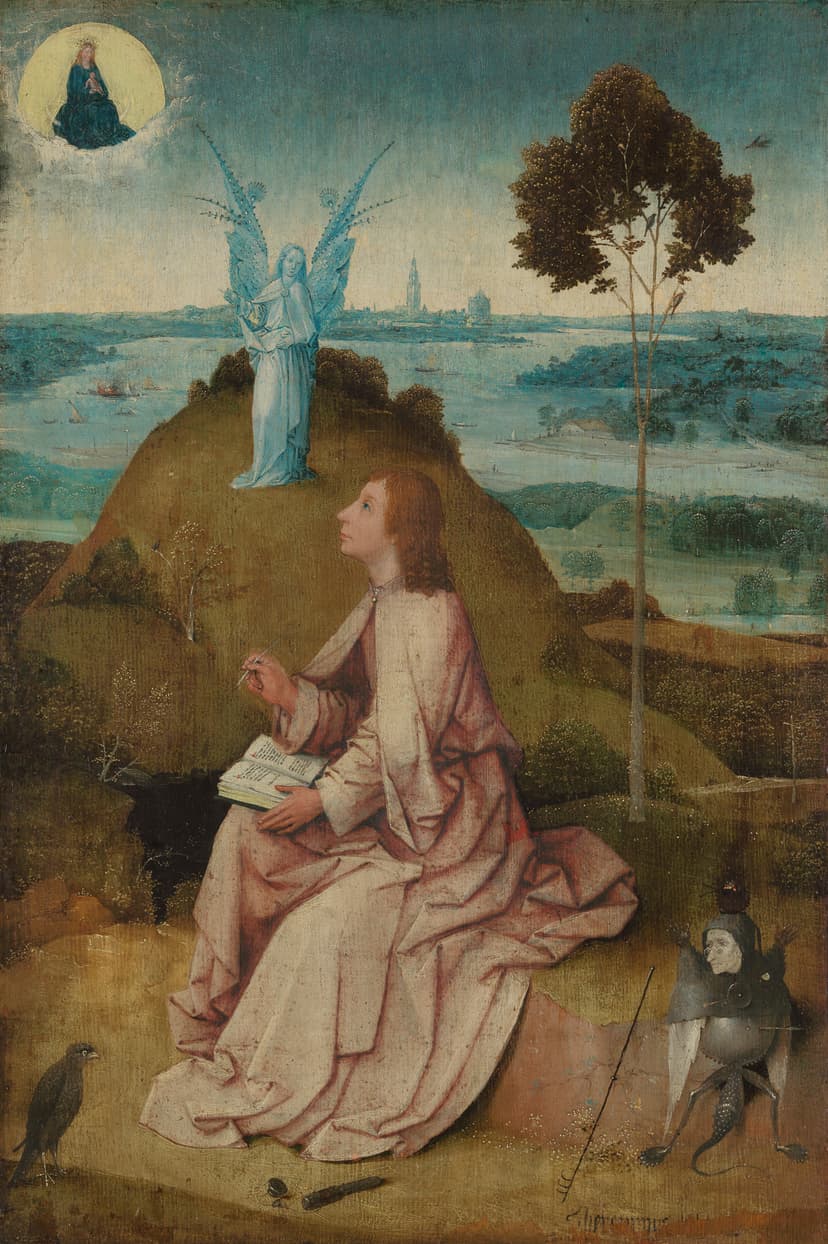
John of Patmos is traditionally identified as the author of the Book of Revelation. He is believed by some to have been exiled to the Aegean island of Patmos by Roman authorities during the late 1st century due to anti-Christian persecution, where he received his vision. While traditionally equated with John the Apostle, modern scholarship often distinguishes the author of Revelation from the disciple of Jesus.