
Jonah
Male·8th century BC·Israel
Jonah, a Jewish prophet from the Northern Kingdom of Israel in the 8th century BCE, is primarily known as the central figure of the Book of Jonah. This scripture details his reluctance to deliver God's judgment to the wicked city of Nineveh, his miraculous survival after being swallowed by a large fish, and his eventual obedience. His story is significant in Judaism for its emphasis on repentance and in Christianity and Islam as a prophetic figure.
Key Facts
- ›A Jewish prophet from Gath-hepher in the Northern Kingdom of Israel, active around the 8th century BCE.
- ›Central figure in the Book of Jonah, one of the twelve minor prophets.
- ›Famously reluctant to prophesy against the city of Nineveh.
- ›Swallowed by a 'large fish' (often depicted as a whale) and survived for three days and three nights.
- ›His story highlights the themes of divine mercy, repentance, and the prophet's struggle with God's will.
- ›Mentioned in the New Testament by Jesus as a sign prefiguring his resurrection.
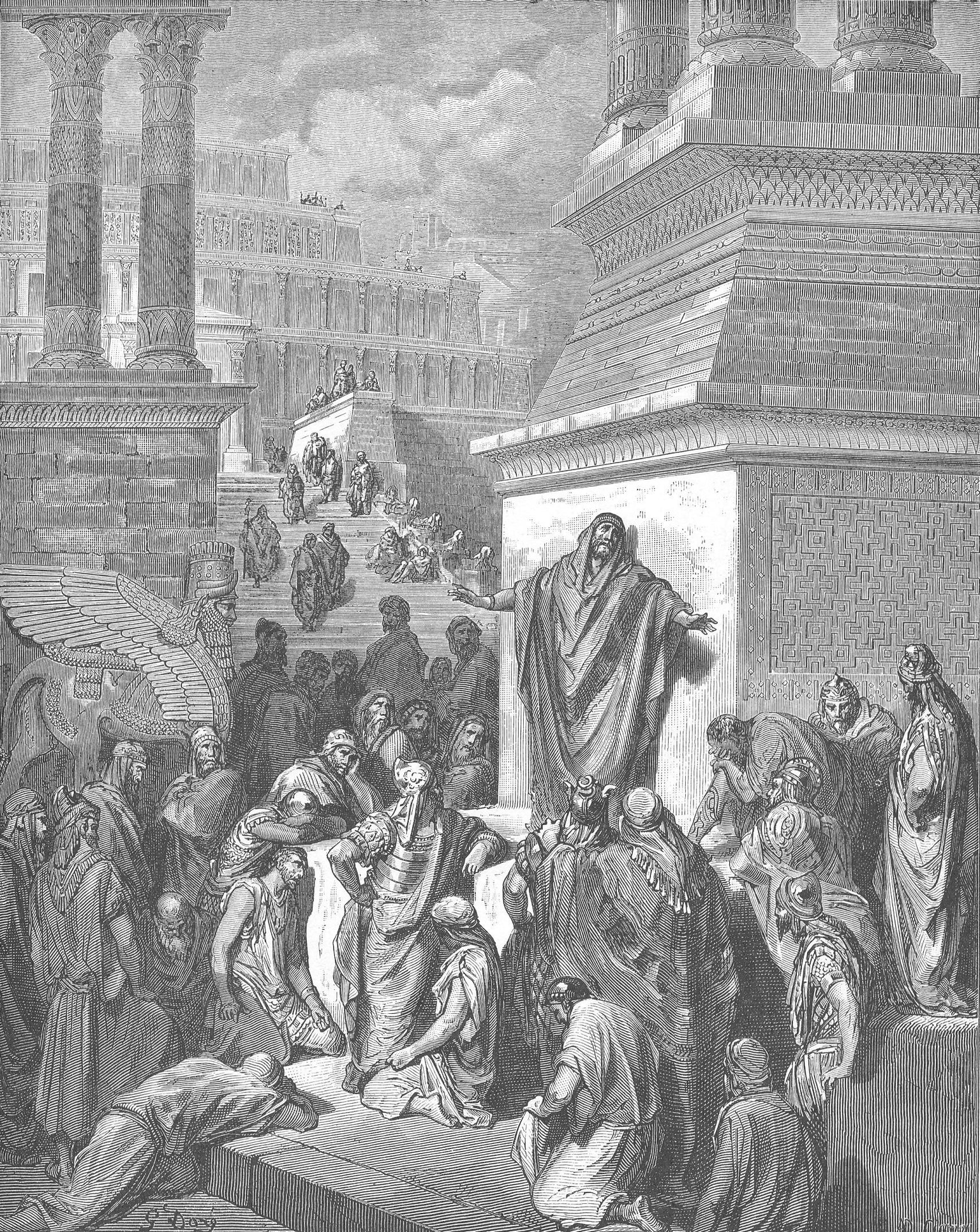
Book of Jonah
Yūnā (Hebrew), Yūnus (Arabic)
Elijah, Elisha, Jesus
Prophet, Saint
Prophet
About Jonah
Jonah, also known as Yūnā in Hebrew and Yūnus in Arabic, was a Jewish prophet who lived in the Northern Kingdom of Israel around the 8th century BCE. He is most famously recognized as the central figure in the Book of Jonah, one of the minor prophets in the Hebrew Bible. The narrative recounts his divine commission to prophesy against the wicked city of Nineveh, his initial flight from this mission, and his miraculous survival after being swallowed by a "large fish" for three days and three nights before ultimately fulfilling his prophetic duty.
Life and Ministry
The Book of Jonah details a reluctant prophet's journey. Commanded by God to denounce the sins of Nineveh, the capital of the Neo-Assyrian Empire, Jonah instead attempts to escape God's presence by sailing to Tarshish. A violent storm ensues, and the sailors, discovering Jonah is the cause, cast him into the sea. He is then swallowed by a great fish, within which he prays to God. After three days and nights, the fish vomits him onto dry land. God then sends Jonah a second time to Nineveh, where his prophecy of impending destruction leads the entire city, including its king, to repent through fasting and wearing sackcloth. This repentance prompts God to spare the city, an outcome that displeases Jonah, who laments God's mercy. The story concludes with God teaching Jonah a lesson about compassion for all living beings.
Religious Significance
In Judaism, the Book of Jonah is a pivotal text read annually on Yom Kippur, the Day of Atonement, emphasizing the Jewish concept of repentance (teshuvah) and God's boundless mercy. The story illustrates that repentance is possible for all, even those considered enemies of Israel.
In Christianity, Jesus himself references Jonah, stating that "as Jonah was three days and three nights in the belly of a huge fish, so the Son of Man will be three days and three nights in the heart of the earth." This comparison positions Jonah's experience as a prefiguration of Jesus' resurrection. Christian tradition often views Jonah as a "type" of Christ.
In Islam, Jonah is revered as a prophet named Yūnus. His story is recounted in the Quran, particularly in Surah Yūnus, highlighting his faithfulness to God and his deliverance from the fish. He is also referred to as Dhū al-Nūn, "the one of the fish."
Scholarly Views and Legacy
While the character of Jonah son of Amittai may have been a historical prophet mentioned in 2 Kings, many modern scholars view the Book of Jonah as a literary work, possibly satirical, composed centuries after the presumed events. The narrative's allegorical nature and the fantastical elements, such as surviving inside a fish, lead to debates about its historicity. Despite these scholarly discussions, Jonah's story endures as a profound illustration of divine sovereignty, human responsibility, and the transformative power of repentance across major Abrahamic faiths.
Source: Wikipedia ↗
Frequently Asked Questions
Who was Jonah?
Jonah was a Jewish prophet from the Northern Kingdom of Israel around the 8th century BCE, best known as the central figure of the Book of Jonah.
What is the Book of Jonah about?
The Book of Jonah describes God commanding Jonah to prophesy against the wicked city of Nineveh, Jonah's attempt to flee, his miraculous survival after being swallowed by a large fish, and his eventual mission to Nineveh, whose inhabitants repent.
What is the significance of the large fish that swallowed Jonah?
The Hebrew text refers to a 'large fish' that swallowed Jonah, an event often depicted as a whale in art. He remained inside for three days and three nights, a period that Jesus later used as a sign prefiguring his own resurrection.
How is Jonah viewed in Judaism?
In Judaism, the story of Jonah is read annually on Yom Kippur and represents the core teaching of repentance and the possibility of forgiveness through turning to God.
How is Jonah viewed in Christianity?
In Christianity, Jesus referred to Jonah as a sign of his own resurrection. Early Christian interpreters viewed Jonah as a type of Christ, with his entombment in the fish foreshadowing Jesus' crucifixion and three-day entombment.
How is Jonah viewed in Islam?
In Islam, Jonah is regarded as a prophet named Yūnus and is the subject of the tenth surah of the Quran. His narrative is retold, emphasizing his faithfulness to God and his deliverance from the fish.
Is the Book of Jonah considered historical?
Many modern Bible scholars consider the Book of Jonah to be fictional, possibly satirical, and likely composed long after the events it describes, with the historical prophet Jonah son of Amittai potentially serving as an inspiration.
Related Prophets
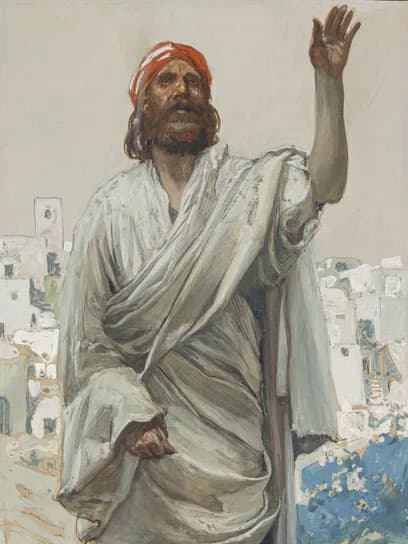
Hosea
Hosea was an 8th-century BC prophet in the northern Kingdom of Israel, known as the primary author of the Book of Hosea. His prophecies, often seen as messages of doom, also contained underlying promises of restoration. He is considered a significant figure in Judaism, Christianity, and Islam, with his life and marriage serving as a powerful metaphor for God's relationship with Israel.
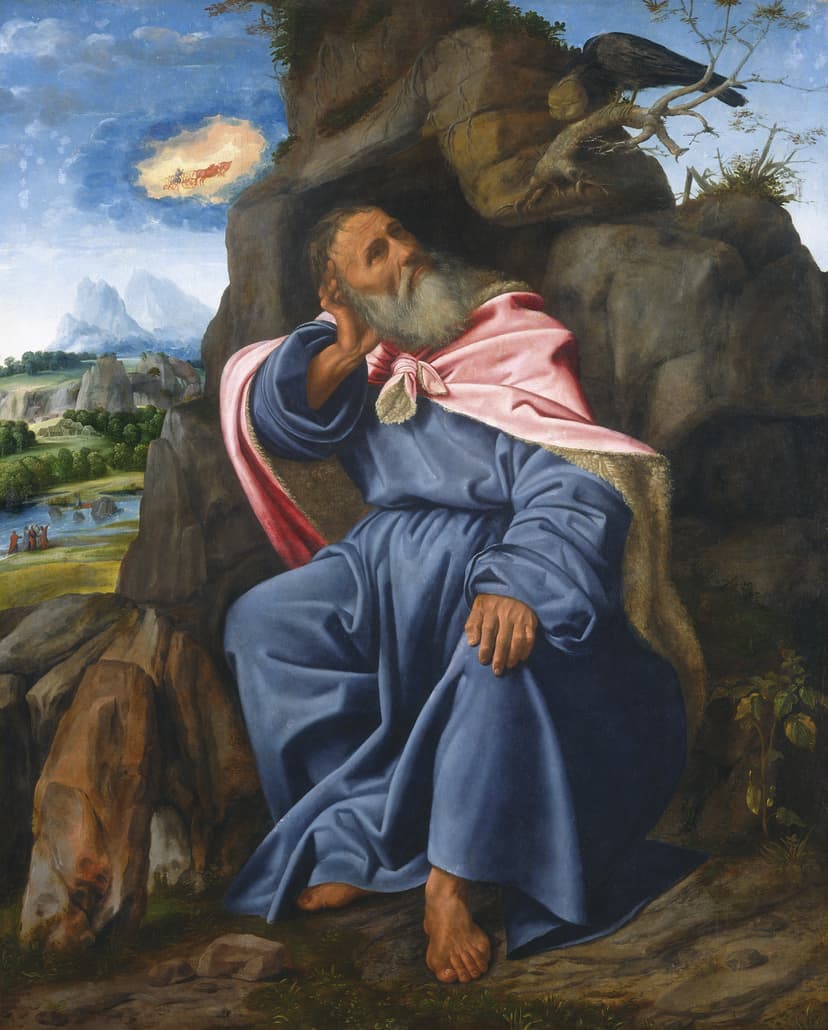
Elijah
Elijah was a prophet and miracle worker in the northern Kingdom of Israel during the 9th century BC, known for defending the worship of Yahweh against the Canaanite deity Baal. He is credited with numerous miracles, including raising the dead and ascending to heaven alive, and is prophesied to return as a harbinger of the Messiah. Elijah's life and teachings significantly influenced Judaism, Christianity, and Islam, and he is venerated in various customs and texts across these traditions.
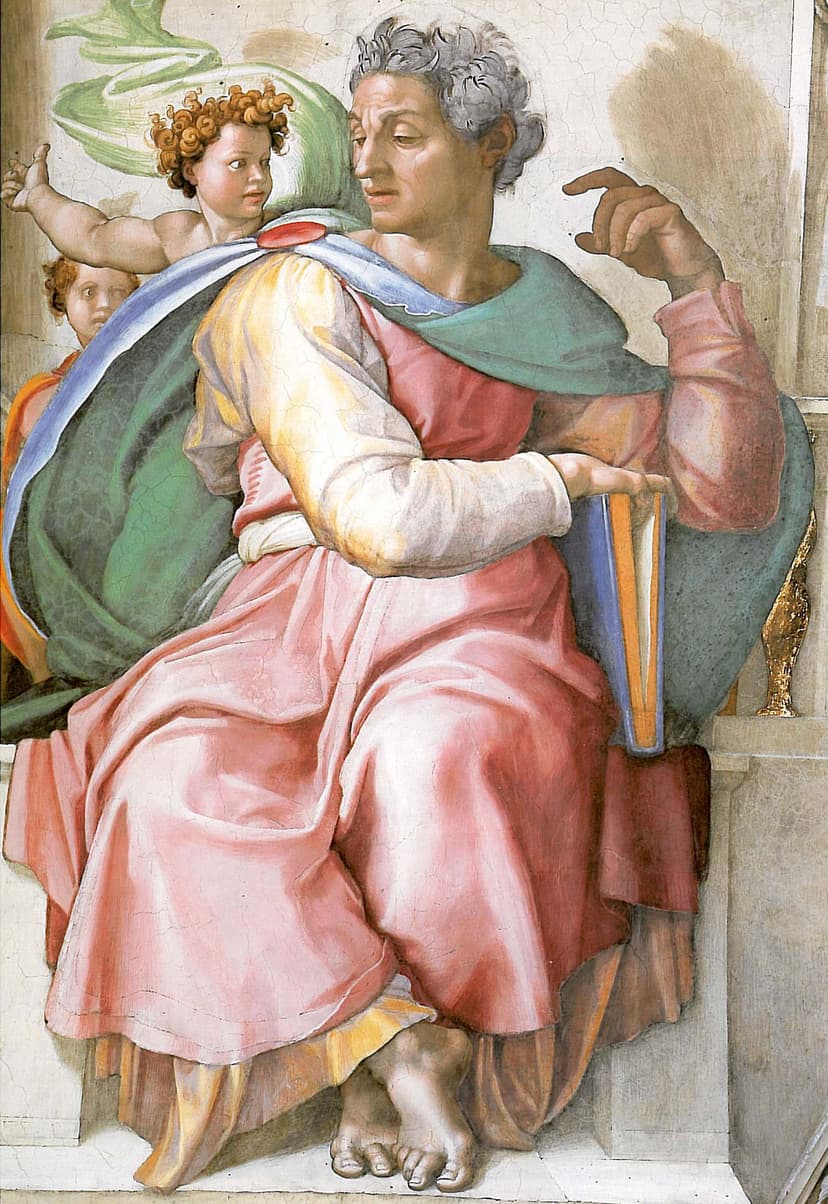
Isaiah
Isaiah was an 8th-century BC Israelite prophet after whom the Book of Isaiah is named. He is known for his prophecies concerning Judah, the Assyrian threat, and future redemption. His teachings and prophecies are deeply influential in Judaism, Christianity, and Islam, with Christians interpreting some of his writings as foretelling the coming of Jesus.