
Isaiah
Male·8th century BC·Ancient Israel·Prophet of Yahweh
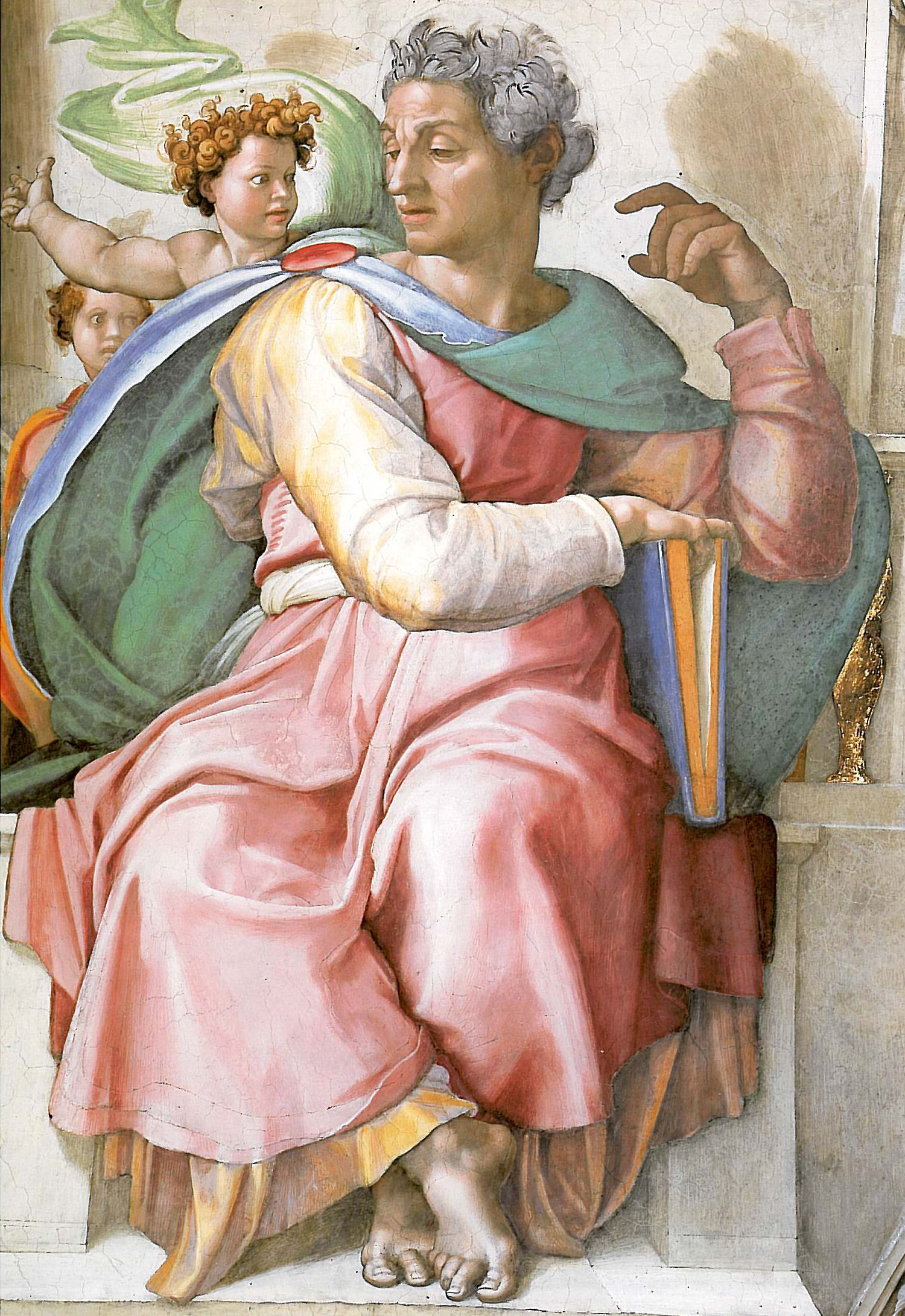
Isaiah was an 8th-century BC Israelite prophet after whom the Book of Isaiah is named. He is known for his prophecies concerning Judah, the Assyrian threat, and future redemption. His teachings and prophecies are deeply influential in Judaism, Christianity, and Islam, with Christians interpreting some of his writings as foretelling the coming of Jesus.
Key Facts
- ›Prophesied during the reigns of Uzziah, Jotham, Ahaz, and Hezekiah in Judah.
- ›His wife was called "the prophetess," and they had two sons named Shear-Jashub and Maher-Shalal-Hash-Baz.
- ›Encouraged Hezekiah to resist Sennacherib's Assyrian invasion.
- ›According to Jewish tradition, he was martyred by being sawn in two under King Manasseh.
- ›Considered a significant prophet in Judaism, Christianity, and Islam, though not explicitly named in the Quran.
- ›The Book of Isaiah is extensively quoted in the New Testament.
Book of Isaiah
Prophecy
Yəšaʿyāhū, Isaias, Esaias, Ishaʿyāʾ
Uzziah, Jotham, Ahaz, Hezekiah, Manasseh, Sennacherib, Jesus Christ, Muhammad
Prophet, Saint
Prophet
About Isaiah
Isaiah was a pivotal Israelite prophet active in the 8th century BC, whose ministry centered on the Kingdom of Judah during a period of significant political and spiritual upheaval. He is the namesake of the Book of Isaiah, a collection of prophetic writings that forms a cornerstone of the Hebrew Bible and holds immense significance in Judaism, Christianity, and Islam.
Life and Ministry
The Book of Isaiah states that the prophet's ministry spanned the reigns of kings Uzziah, Jotham, Ahaz, and Hezekiah. This period was marked by the ascendant power of the Assyrian empire, posing a constant threat to Judah. Isaiah's prophecies often addressed the people's need for repentance, warned of impending divine judgment for their sins, and offered messages of hope and future restoration. His wife is referred to as "the prophetess," and they had two sons whose names, Shear-Jashub ("A remnant shall return") and Maher-Shalal-Hash-Baz ("Quickly to spoils, plunder speedily"), carried symbolic meaning.
A significant event in Isaiah's prophetic career involved his counsel to King Hezekiah during the Assyrian invasion led by Sennacherib. Isaiah encouraged Hezekiah to resist the Assyrians, and according to biblical accounts, a divine intervention led to the destruction of the Assyrian army, averting the fall of Jerusalem.
The Book of Isaiah
The exact relationship between the historical prophet Isaiah and the entirety of the Book of Isaiah is a subject of scholarly discussion. While traditional views hold that Isaiah authored all 66 chapters, many scholars believe the book evolved over time, with later sections possibly written by disciples or subsequent prophets who continued his tradition, particularly those active during and after the Babylonian exile.
Legacy and Veneration
Isaiah's impact is profound and multifaceted. In Judaism, he is one of the most important prophets, whose writings are integral to understanding God's covenant with Israel and the anticipation of a messianic era. Christians view Isaiah as a key prophetic voice, with numerous passages interpreted as foretelling the birth, suffering, and redemptive work of Jesus Christ.
In Islamic tradition, Isaiah (Isha'ya) is recognized as a prophet, although not explicitly named in the Quran. His teachings are seen as aligning with the broader prophetic message of submission to God and foretelling the coming of future prophets.
Traditional accounts, found in the Talmud and other Jewish sources, as well as Islamic exegesis, describe Isaiah's martyrdom by being sawn in two under King Manasseh. In the 21st century, archaeological discoveries, including a bulla potentially bearing his name, continue to shed light on the historical context of this significant biblical figure.
Source: Wikipedia ↗
Frequently Asked Questions
Who was Isaiah?
Isaiah was an Israelite prophet who lived in the 8th century BC. He is the figure after whom the Book of Isaiah in the Hebrew Bible is named. His prophecies addressed the political and spiritual state of Judah during a time of significant foreign threat.
When did Isaiah prophesy?
Isaiah prophesied during the reigns of several kings of Judah, including Uzziah, Jotham, Ahaz, and Hezekiah. His ministry likely began in the 740s BC and may have continued for over 60 years.
What is the Book of Isaiah?
The Book of Isaiah is a collection of prophetic writings named after the prophet Isaiah. While traditionally attributed to Isaiah, modern scholarship suggests that parts of the book may have been written by his disciples or later prophets.
What is Isaiah's significance in Christianity?
In Christianity, Isaiah is highly revered, with many New Testament writers quoting his prophecies. Christians often interpret passages, particularly the songs of the Suffering Servant, as direct foretellings of Jesus Christ's life, death, and mission.
How is Isaiah viewed in Islam?
While not explicitly named in the Quran, Isaiah is recognized as a prophet in Islamic tradition. Muslim scholars include him among the prophets who foretold the coming of Jesus and Muhammad, and his narrative is found in various Islamic historical and exegetical works.
What is known about Isaiah's death?
The exact circumstances of Isaiah's death are not specified in the Hebrew Bible. However, both Jewish and Islamic traditions recount a legend of his martyrdom, stating he was sawn in two under the orders of King Manasseh.
Is there any archaeological evidence for Isaiah?
In 2018, archaeologists announced the discovery of a bulla (seal impression) in Jerusalem that may belong to Isaiah the prophet. The inscription is partially damaged, leading to some debate about its definitive attribution to the prophet.
Related Prophets
Jonah
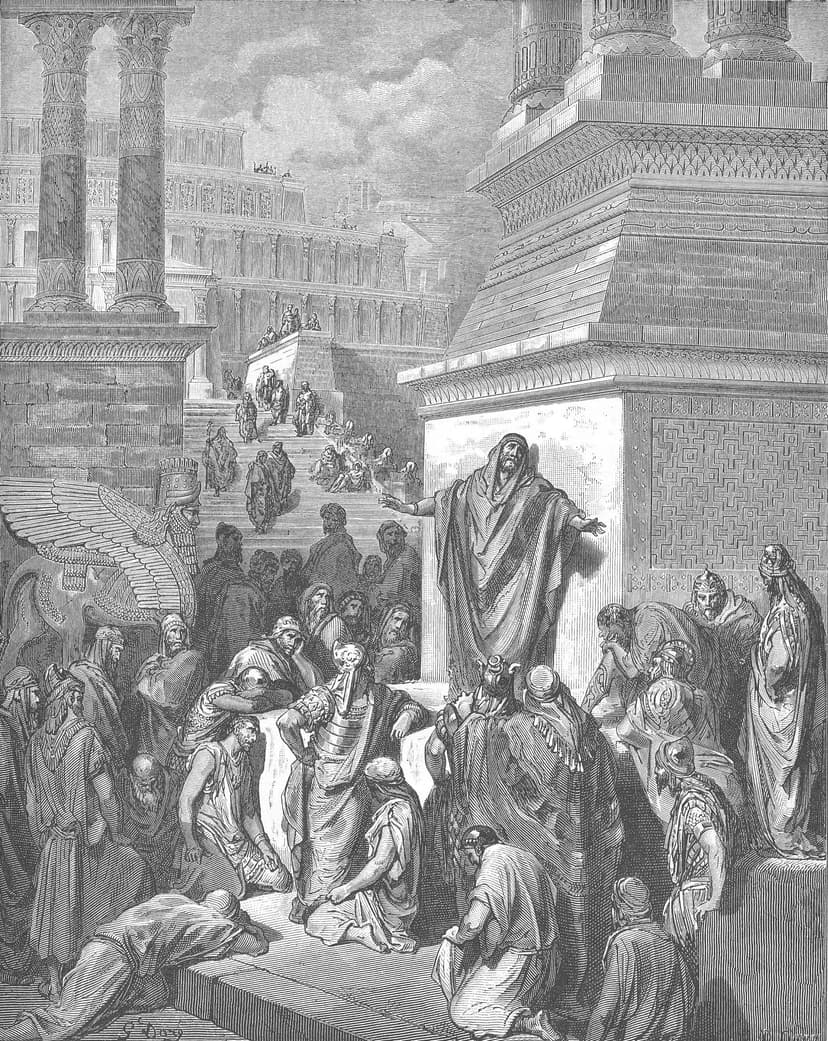
Jonah, a Jewish prophet from the Northern Kingdom of Israel in the 8th century BCE, is primarily known as the central figure of the Book of Jonah. This scripture details his reluctance to deliver God's judgment to the wicked city of Nineveh, his miraculous survival after being swallowed by a large fish, and his eventual obedience. His story is significant in Judaism for its emphasis on repentance and in Christianity and Islam as a prophetic figure.
Elisha
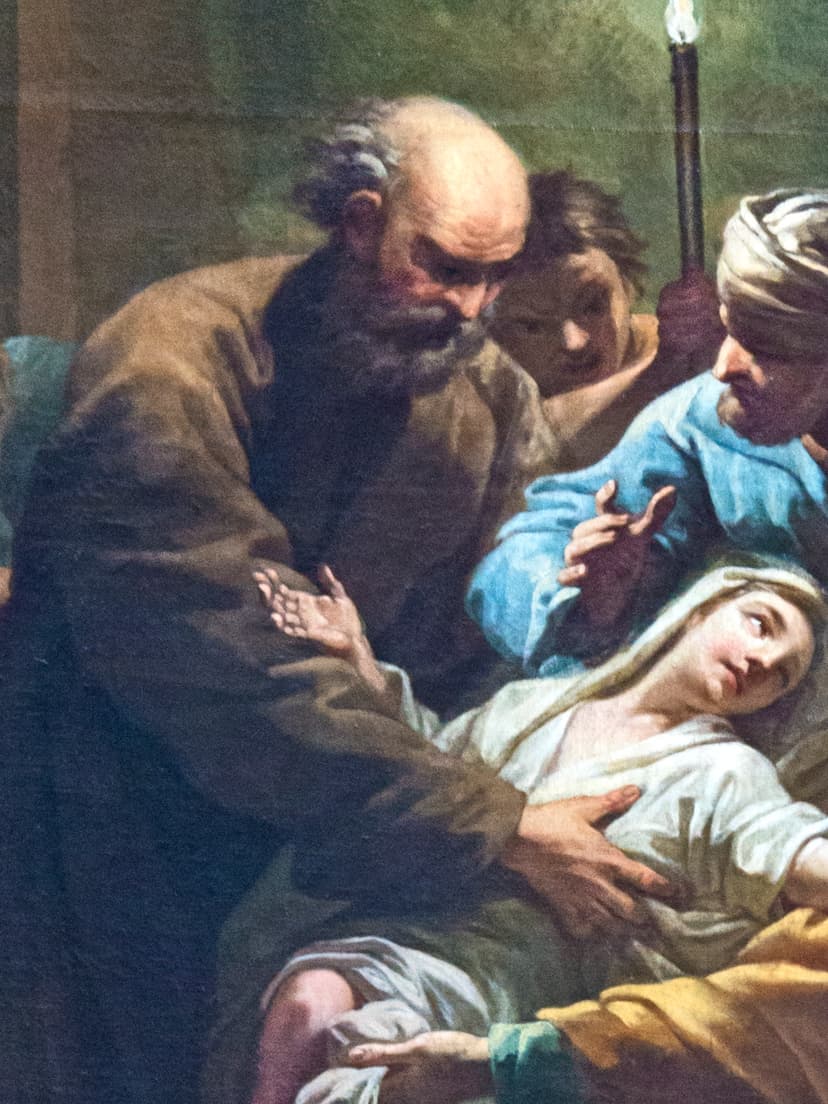
Elisha was an Israelite prophet and wonder-worker mentioned in the Hebrew Bible, New Testament, and Quran, revered in Judaism, Christianity, and Islam. He served as an advisor to several kings of Judah and was known for performing numerous miracles, often in succession to the prophet Elijah. Elisha's ministry is primarily documented in the Books of Kings, where he is depicted as a powerful figure who corrected kings and leaders and intervened in various significant events.
Hosea
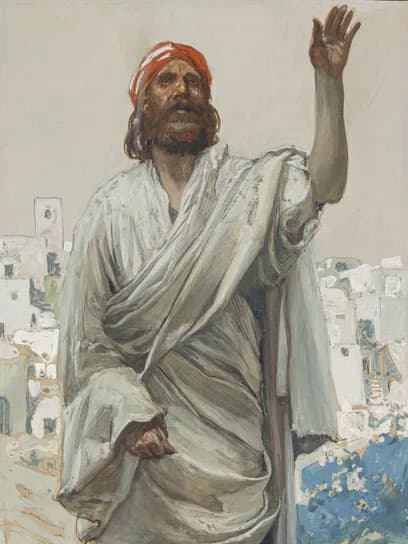
Hosea was an 8th-century BC prophet in the northern Kingdom of Israel, known as the primary author of the Book of Hosea. His prophecies, often seen as messages of doom, also contained underlying promises of restoration. He is considered a significant figure in Judaism, Christianity, and Islam, with his life and marriage serving as a powerful metaphor for God's relationship with Israel.