
Isaiah
May 9·8th century BC·Judah
Isaiah was an 8th-century BC Israelite prophet, whose prophecies form the basis of the Book of Isaiah. He is remembered for his pronouncements on the kingdoms of Judah and Israel, his warnings against Assyrian power, and his visions of future salvation and the coming of the Messiah. Christian tradition particularly emphasizes his prophetic insights into the life and death of Jesus Christ.
Key Facts
- ›Isaiah prophesied during the reigns of Uzziah, Jotham, Ahaz, and Hezekiah, kings of Judah.
- ›His ministry likely began in the 740s BC and may have lasted for as long as 64 years.
- ›He had two sons, Shear-Jashub and Maher-Shalal-Hash-Baz, whose names carried prophetic meaning.
- ›Christian tradition views Isaiah's writings, especially the Songs of the Suffering Servant, as foretelling the death of Jesus Christ.
- ›Jewish tradition, particularly the Talmud, recounts his martyrdom by being sawn in two under King Manasseh.
- ›An archaeological discovery in 2018 in Jerusalem included a seal impression bearing the name Isaiah, though some doubt remains about its definitive attribution to the prophet.
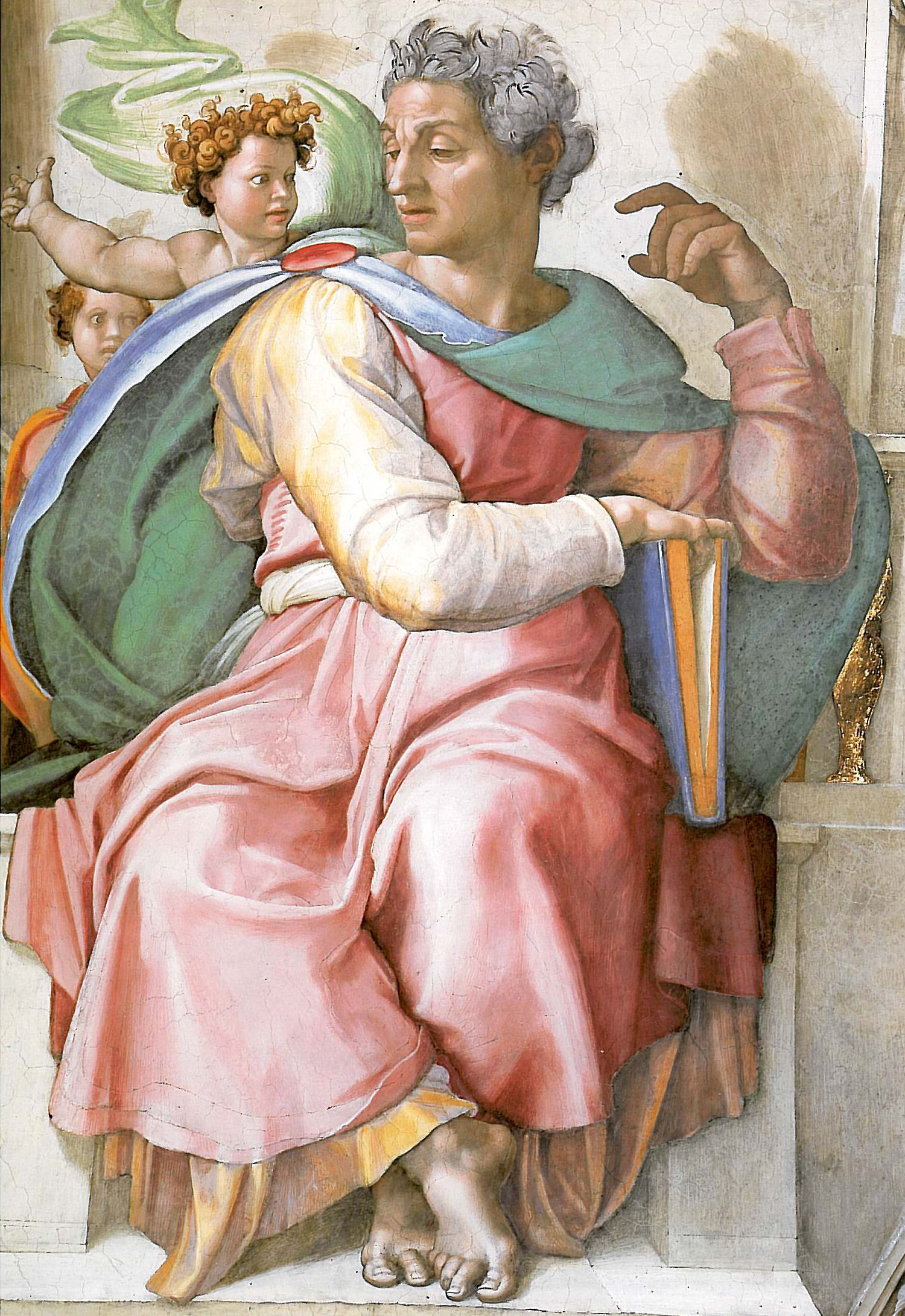
Isaias, Esaias, Yəšaʿyāhū
About Isaiah
Isaiah was a prominent Israelite prophet who lived in the 8th century BC, and his prophecies form the core of the biblical Book of Isaiah. His ministry spanned the reigns of several Judean kings, including Uzziah, Jotham, Ahaz, and Hezekiah, and historical estimates suggest he may have been active for as long as 64 years, beginning around the 740s BC.
Life and Ministry
The Book of Isaiah identifies him as "the prophet" and details his pronouncements concerning the political and spiritual state of Judah and Israel. He is depicted as a counselor to King Hezekiah, particularly during the Assyrian threat posed by Sennacherib. Isaiah's wife is referred to as "the prophetess," and they had two sons, Shear-Jashub and Maher-Shalal-Hash-Baz, whose names carried prophetic significance. Jewish tradition, particularly elaborated in the Talmud, recounts a dramatic martyrdom for Isaiah, stating he was sawn in two by order of King Manasseh, a fate interpreted as a consequence of his words against the people.
Theological Significance
Isaiah's prophecies are deeply revered in Judaism and have had a profound impact on Christian theology. Christians interpret many passages, especially the Songs of the Suffering Servant, as direct predictions of the life, death, and Atonement of Jesus Christ. The Book of Isaiah is frequently quoted in the New Testament, underscoring its importance in Christian understanding of salvation history. In Islam, Isaiah is recognized as a prophet, though his narrative is less detailed than in the Hebrew Bible and Christian scriptures.
Legacy and Scholarship
Beyond religious interpretation, Isaiah's figure is a subject of ongoing scholarly study regarding the composition of the Book of Isaiah, with some scholars positing multiple authors or periods of composition. Archaeological findings, such as a seal impression bearing his name discovered near the Temple Mount, have provided tangible links to the historical context of his life, although definitive attribution remains a subject of discussion. The prophet Isaiah remains a central figure in the Abrahamic faiths, celebrated for his visionary pronouncements and enduring theological insights.
Source: Wikipedia ↗
Frequently Asked Questions
When did the prophet Isaiah live and prophesy?
Isaiah was an Israelite prophet active in the 8th century BC. Historical accounts suggest his ministry began in the 740s BC and may have spanned approximately 64 years, potentially continuing into the reign of King Manasseh.
What is the relationship between the prophet Isaiah and the Book of Isaiah?
The Book of Isaiah is named after the prophet, but the exact authorship and composition of the book are complex. Traditional views hold that Isaiah wrote all 66 chapters, while modern scholarship suggests that later parts of the book may have been written by disciples or followers over subsequent centuries.
How is Isaiah remembered in Jewish tradition regarding his death?
According to the Talmud and other rabbinic literature, Isaiah suffered martyrdom by being sawn in two under the orders of King Manasseh. This account explains his death as a punishment for his words concerning the "unclean lips" of the people.
What is the significance of Isaiah in Christian tradition?
In Christianity, Isaiah is highly regarded for his prophecies that are interpreted as foretelling the birth, suffering, death, and resurrection of Jesus Christ. His visions of the Suffering Servant are considered a key prophetic revelation of Christ's mission.
Is Isaiah recognized as a prophet in Islam?
While not explicitly named in the Quran or Hadith, Isaiah is recognized as a prophet in Islamic tradition and literature. Muslim scholars accept him as a prophet of Judea who prophesied during the reign of King Hezekiah.
What is the significance of the archaeological discovery related to Isaiah?
In 2018, an archaeological team in Jerusalem discovered a seal impression with the name Isaiah, found near a bulla belonging to King Hezekiah. While the name is clear, some scholars express caution in definitively attributing the seal to the prophet Isaiah due to damage on the artifact.
Related Saints
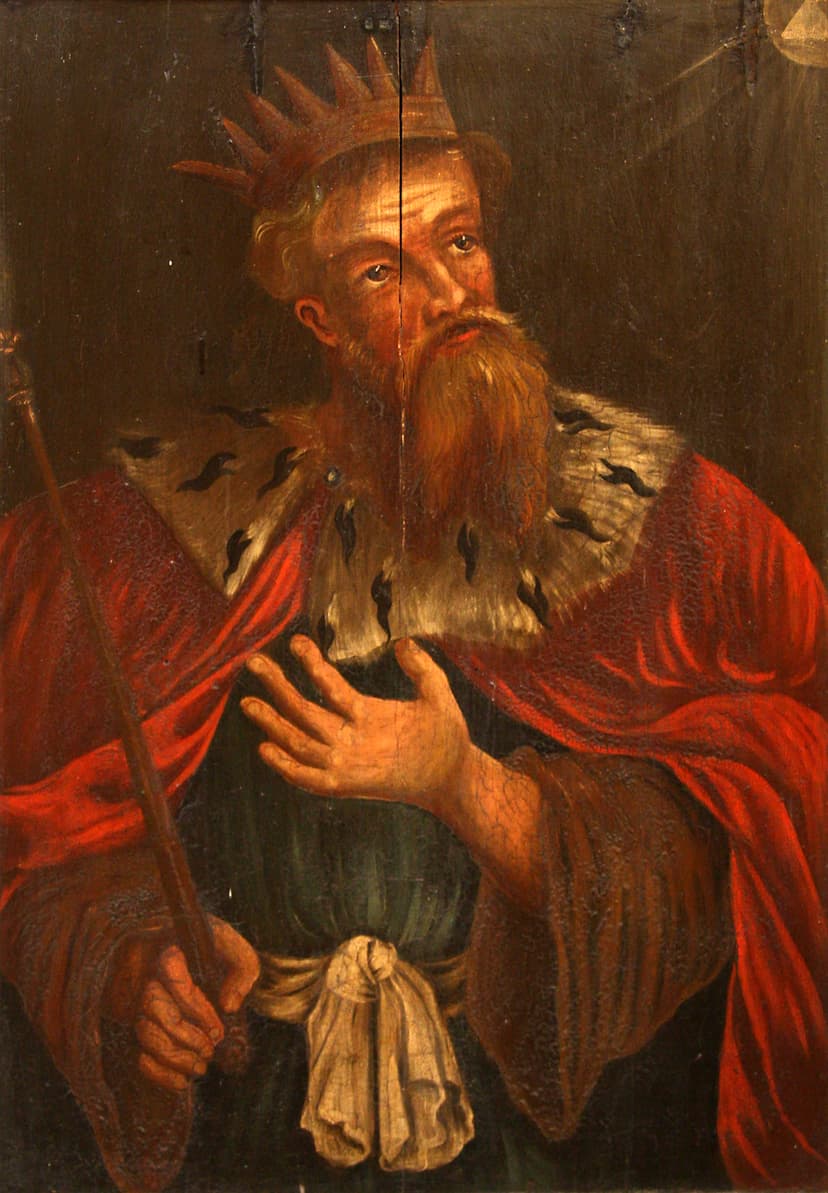
Hezekiah
Hezekiah was a king of Judah, renowned for his significant religious reforms that centralized worship in Jerusalem and his resistance against the Assyrian Empire. He is remembered as one of the most righteous kings in biblical history, credited with consolidating Judah's power and spiritual focus during a turbulent era.
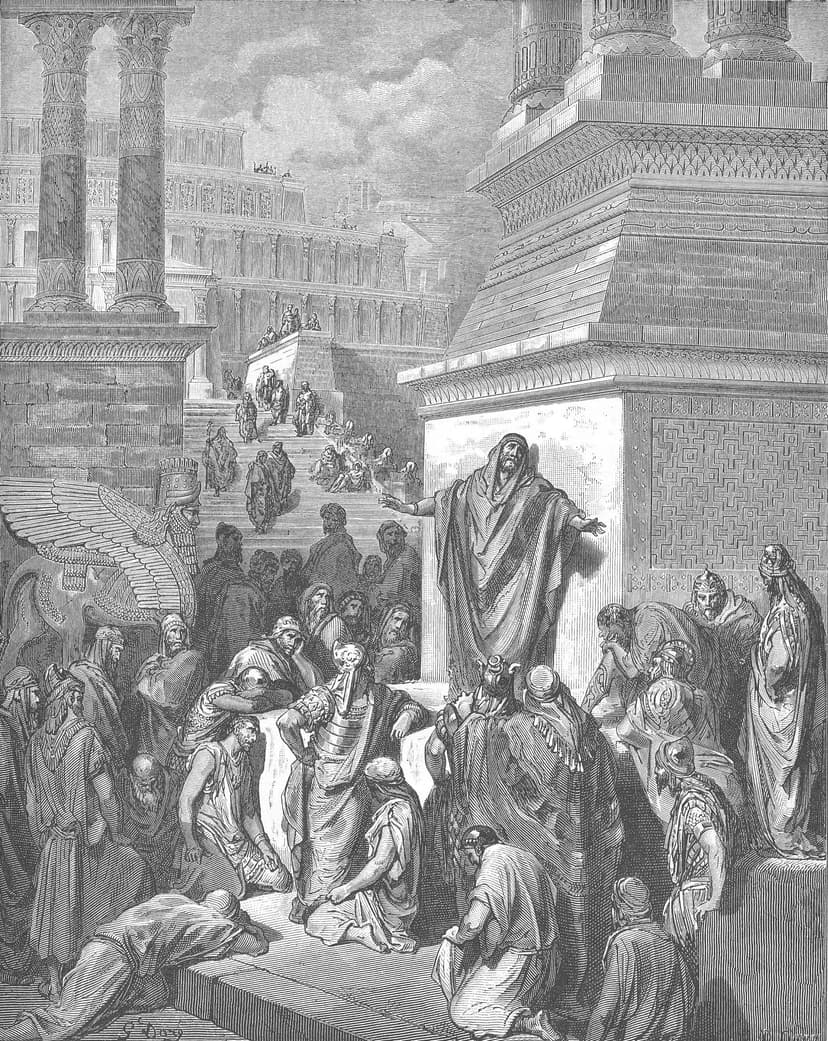
Jonah
Jonah was a Jewish prophet from the Northern Kingdom of Israel in the 8th century BCE, central to the Book of Jonah. He is remembered for his reluctance to deliver God's judgment to Nineveh and his miraculous survival after being swallowed by a large fish. His story is significant in Judaism for its teachings on repentance, in Christianity as a prefigurement of Jesus' resurrection, and in Islam as a revered prophet.
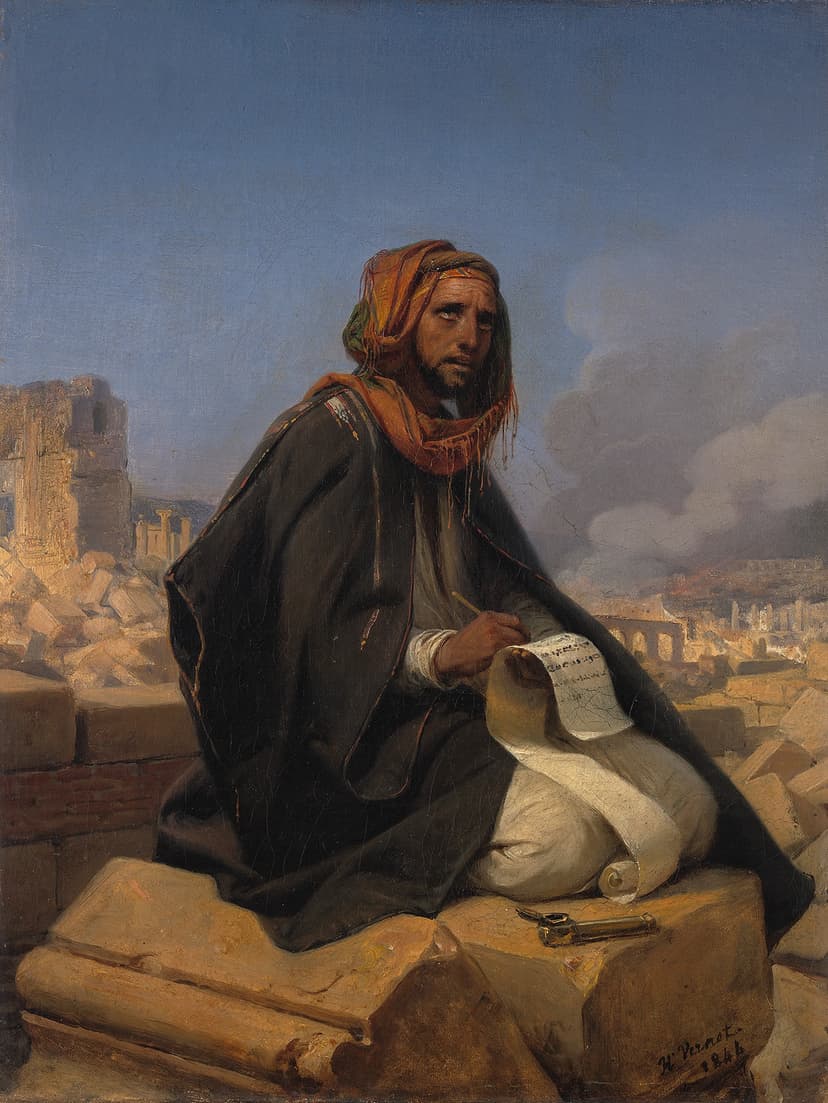
Jeremiah
Jeremiah was a major prophet in the Hebrew Bible, active in the late 7th and early 6th centuries BC. He is chiefly remembered for his prophecies of divine judgment against Judah for its idolatry and social injustices, forewarning of the Babylonian captivity and the destruction of Jerusalem. His ministry, marked by personal struggle and opposition, emphasized repentance and the restoration of a covenant relationship with God.