
Jonah
Jonah was a Jewish prophet from the Northern Kingdom of Israel in the 8th century BCE, central to the Book of Jonah. He is remembered for his reluctance to deliver God's judgment to Nineveh and his miraculous survival after being swallowed by a large fish. His story is significant in Judaism for its teachings on repentance, in Christianity as a prefigurement of Jesus' resurrection, and in Islam as a revered prophet.
Key Facts
- ›Jonah was a Jewish prophet from Gath-hepher in the 8th century BCE.
- ›He is the central figure of the Book of Jonah, which details his mission to Nineveh.
- ›Jonah attempted to flee God's command by sailing to Tarshish but was swallowed by a large fish for three days and nights.
- ›Upon his release, Jonah prophesied to Nineveh, leading to their repentance and God sparing the city.
- ›In Judaism, the story emphasizes repentance; in Christianity, it prefigures Jesus' resurrection; in Islam, he is a revered prophet named Yūnus.
- ›Many scholars view the Book of Jonah as fictional or satirical, possibly composed long after the events described.
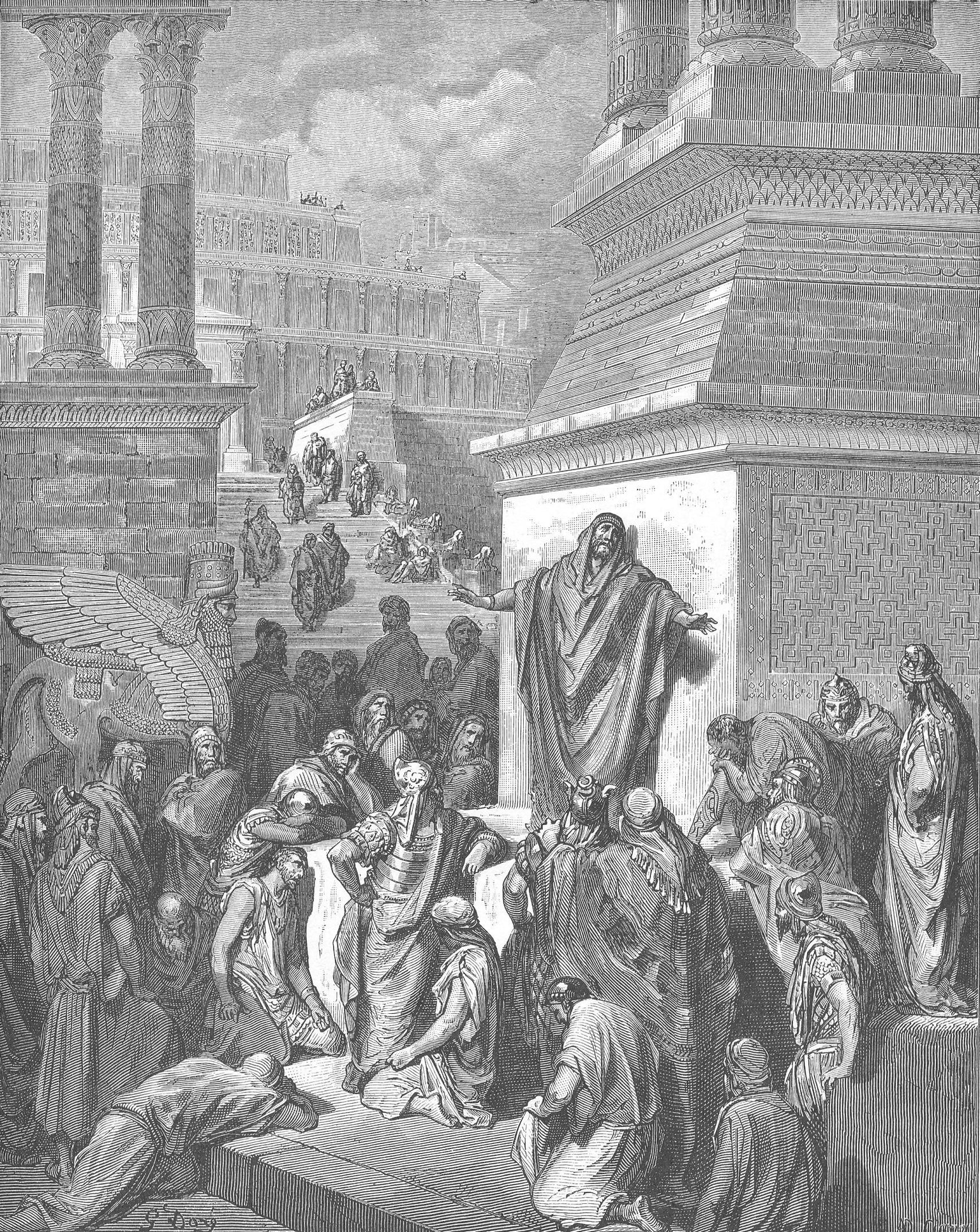
Yōnā (Hebrew), Yūnus (Arabic), Dhul-Nūn ('The One of the Fish')
Large Fish, Plant
About Jonah
Jonah, whose Hebrew name Yōnā means 'dove', was a Jewish prophet from Gath-hepher in the Northern Kingdom of Israel, believed to have lived around the 8th century BCE. He is the central figure of the biblical Book of Jonah, one of the minor prophets. The book recounts his resistance to God's command to prophesy against the wicked city of Nineveh, his subsequent flight, a dramatic encounter with a large sea creature that swallowed him for three days and nights, and his eventual, reluctant fulfillment of his divine mission. His story is a foundational narrative in Judaism, Christianity, and Islam.
Life and Historical Context
According to the Hebrew Bible, God commanded Jonah to travel to Nineveh, the capital of the Neo-Assyrian Empire, to condemn its inhabitants for their wickedness. Jonah, however, attempted to flee from God's presence by sailing to Tarshish. A violent storm arose, and the sailors, discovering Jonah was the cause, cast him overboard. He was then swallowed by a 'large fish' (often depicted as a whale, though the Hebrew text is less specific). Inside the fish, Jonah prayed to God, and after three days and three nights, he was vomited onto dry land. God then commanded Jonah a second time to go to Nineveh, which he did, prophesying that the city would be overthrown in forty days. The people of Nineveh, including their king, repented by fasting and wearing sackcloth, leading God to spare the city. Jonah, displeased by this mercy, questioned God's compassion. The book concludes with a dialogue between Jonah and God about God's concern for all living beings, including the people of Nineveh and their livestock.
Scholarly consensus suggests that the Book of Jonah was likely composed centuries after the time of the prophet, possibly during the Achaemenid Empire. Its linguistic features and cultural motifs indicate a postexilic origin. Many scholars view the book as a work of fiction, satire, or allegory, rather than a literal historical account, though a historical prophet named Jonah son of Amittai is mentioned in 2 Kings.
Religious Significance and Interpretation
In Judaism, the Book of Jonah is read annually on Yom Kippur, the Day of Atonement, serving as a powerful illustration of repentance (teshuva) and God's boundless mercy. The narrative highlights the concept that even the most wicked can turn to God for forgiveness. Traditions within Judaism offer various interpretations of the events, with some arguing for the literal survival of Jonah and others, like Abraham ibn Ezra, viewing the experiences as prophetic visions.
In Christianity, Jonah is seen as a significant figure, particularly in relation to Jesus. Jesus himself referred to 'the sign of Jonah,' stating that just as Jonah was three days and three nights in the belly of the fish, so would the Son of Man be in the heart of the earth for three days and nights, alluding to his own death and resurrection. Early Christian interpreters viewed Jonah as a type or prefigurement of Christ. His feast day is observed in the Roman Catholic and Eastern Orthodox Churches.
In Islam, Jonah is recognized as a prophet named Yūnus. The tenth chapter of the Quran is titled Yūnus, and the narrative of his encounter with the fish is retold. He is referred to as 'Dhul-Nūn,' meaning 'The One of the Fish.' Muslim tradition holds him in high regard as a faithful messenger of God. Muhammad himself stated, "One should not say that I am better than Jonah," indicating his respect for the earlier prophet.
Legacy and Veneration
The story of Jonah continues to resonate across cultures and religions, embodying themes of divine judgment, mercy, obedience, and the nature of prophecy. His mission to Nineveh underscores the universality of God's concern and the transformative power of repentance. While the historicity of the Book of Jonah is debated among scholars, its theological and spiritual impact remains profound. Reputed tombs of Jonah exist in various locations, including Nineveh (Mosul), Gath-hepher (Israel), and Halhul (West Bank), attracting pilgrims from different faiths.
Source: Wikipedia ↗
Frequently Asked Questions
Who was the prophet Jonah?
Jonah was a Jewish prophet from the Northern Kingdom of Israel in the 8th century BCE, known for his role in the Book of Jonah. His story details his resistance to a divine command to prophesy against the wicked city of Nineveh.
What is the significance of Jonah being swallowed by a large fish?
The event of Jonah being swallowed by a large fish (often depicted as a whale) for three days and nights is central to his narrative. In Christianity, this is seen as a prefiguration of Jesus' resurrection, while in Judaism, it highlights themes of divine intervention and miraculous survival.
How is Jonah viewed in different religions?
In Judaism, the Book of Jonah is read on Yom Kippur and emphasizes the power of repentance. In Christianity, Jesus referred to Jonah as a sign of his own resurrection. In Islam, Jonah (Yūnus) is recognized as a prophet and has a chapter in the Quran named after him.
Is the story of Jonah historically accurate?
Many modern Bible scholars consider the Book of Jonah to be fictional or satirical, possibly written centuries after the supposed events. They point to linguistic and thematic evidence suggesting a later composition date, though a historical prophet named Jonah son of Amittai is mentioned in 2 Kings.
Where is Jonah's tomb traditionally located?
Several locations are claimed as Jonah's tomb, including the Al-Nabi Yunus Mosque in Nineveh (near Mosul), the village of Mashhad in Israel (site of Gath-hepher), and a mosque in Halhul in the West Bank. The mosque in Nineveh, a pilgrimage site for Jews, Christians, and Muslims, was destroyed by ISIL in 2014.
Related Saints
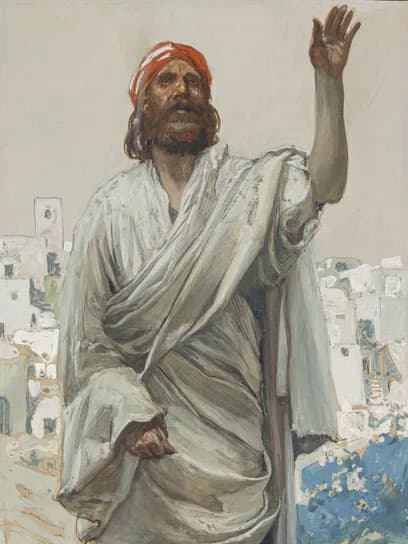
Hosea
Hosea was an 8th-century BC prophet in Israel, considered the primary author of the Book of Hosea and the first of the Twelve Minor Prophets. He is remembered for his message of doom coupled with a promise of restoration, and for his personal life serving as a symbol of God's relationship with unfaithful Israel. Rabbinic tradition claims he was the greatest prophet of his generation.
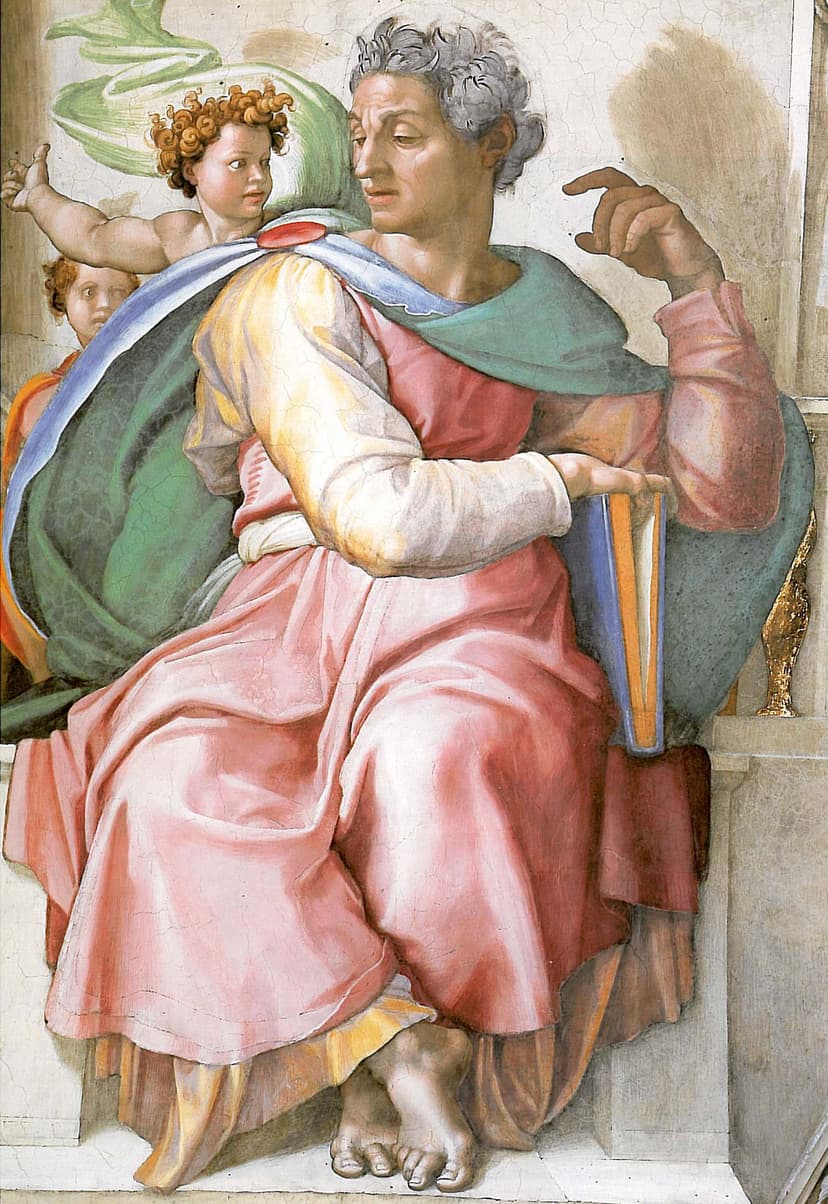
Isaiah
Isaiah was an 8th-century BC Israelite prophet, whose prophecies form the basis of the Book of Isaiah. He is remembered for his pronouncements on the kingdoms of Judah and Israel, his warnings against Assyrian power, and his visions of future salvation and the coming of the Messiah. Christian tradition particularly emphasizes his prophetic insights into the life and death of Jesus Christ.
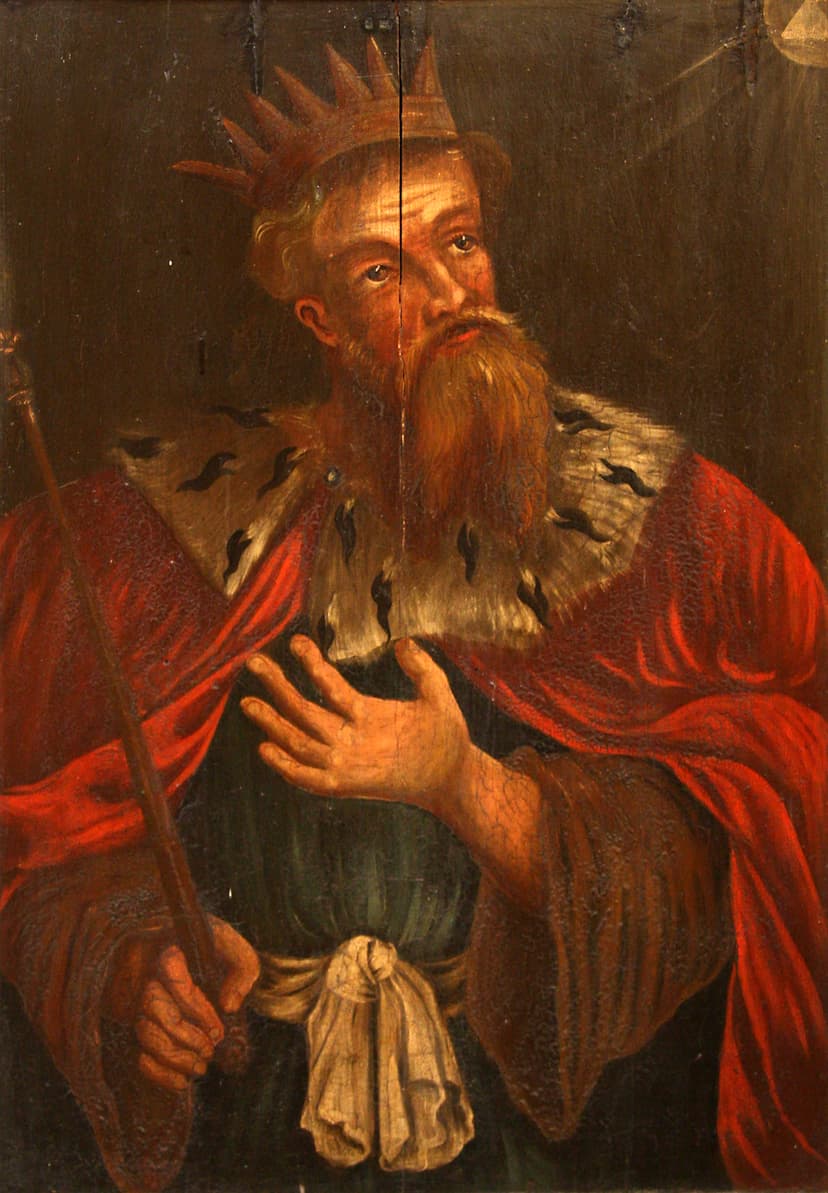
Hezekiah
Hezekiah was a king of Judah, renowned for his significant religious reforms that centralized worship in Jerusalem and his resistance against the Assyrian Empire. He is remembered as one of the most righteous kings in biblical history, credited with consolidating Judah's power and spiritual focus during a turbulent era.