
Hosea
October 17·8th century BC·Israel
Hosea was an 8th-century BC prophet in Israel, considered the primary author of the Book of Hosea and the first of the Twelve Minor Prophets. He is remembered for his message of doom coupled with a promise of restoration, and for his personal life serving as a symbol of God's relationship with unfaithful Israel. Rabbinic tradition claims he was the greatest prophet of his generation.
Key Facts
- ›Hosea was an 8th-century BC prophet in the northern Kingdom of Israel.
- ›He is the nominal primary author of the Book of Hosea, the first of the twelve Minor Prophets.
- ›His ministry is believed to have lasted about sixty years, ending before the fall of Samaria in 722/721 BCE.
- ›His marriage to the unfaithful Gomer symbolized Israel's infidelity to God.
- ›His children were named Lo-ruhamah ('not pitied') and Lo-ammi ('not my people') to signify God's estrangement from Israel.
- ›Rabbinic literature considers him the greatest prophet of his generation.
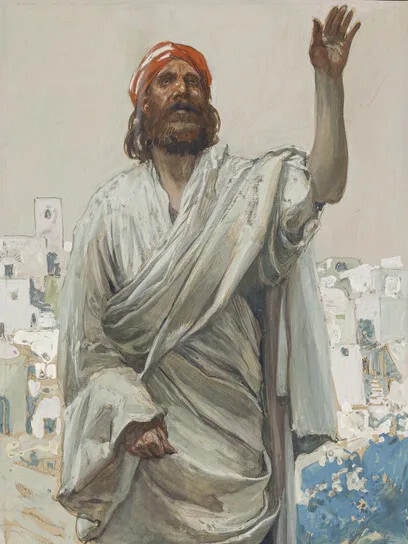
Osee, Hōšēaʿ, Ḥushāyā ibn Bīrī
About Hosea
Hosea (Hebrew: הוֹשֵׁעַ, Hōšēaʿ), also known as Osee, was an 8th-century BC prophet in the northern Kingdom of Israel. He is recognized as the nominal primary author of the Book of Hosea, which is the first book among the Twelve Minor Prophets. His prophetic ministry is estimated to have spanned approximately sixty years and concluded shortly before the fall of Samaria in 722/721 BCE.
Life and Ministry
Little is explicitly recorded about Hosea's personal life or social standing. The Book of Hosea, however, details his divinely commanded marriage to Gomer, the daughter of Diblaim, who proved unfaithful. This marriage served as a powerful symbol of Israel's own unfaithfulness to God, mirroring the nation's worship of foreign deities. His children were given prophetic names: Lo-ruhamah, meaning 'not pitied,' and Lo-ammi, meaning 'not my people,' to signify God's judgment and alienation from Israel.
Theological Significance
Hosea's message is often characterized as one of doom, warning Israel of impending destruction due to idolatry and sin. However, beneath this pronouncement of judgment lies a profound message of restoration and enduring divine love. He is seen as foreshadowing God's persistent covenantal faithfulness, even when His people stray. In Christian interpretation, the relationship between Hosea and Gomer is often paralleled with the relationship between Christ and the Church, with Christ as the devoted husband and the Church as his bride.
Rabbinic and Islamic Views
Within Rabbinic literature, Hosea is regarded as the greatest prophet of his generation. Islamic tradition also recognizes him as a prophet, known as Ḥushāyā ibn Bīrī, who was sent to guide the Children of Israel. His prophecies have been utilized in Quranic exegesis.
Veneration and Legacy
Hosea is commemorated in the liturgical calendars of the Armenian Apostolic Church and the Eastern Orthodox Church. Jewish tradition venerates a tomb site attributed to him in Safed, though this is not historically verified. The narrative and theological themes of the Book of Hosea continue to resonate, inspiring modern retellings in literature and film, and serving as a testament to the enduring themes of divine love, judgment, and redemption.
Source: Wikipedia ↗
Frequently Asked Questions
What is the meaning of the name Hosea?
The name Hosea is derived from a Hebrew verb meaning 'salvation'. It is similar to the name Joshua, originally Hosea, to whom Moses gave the longer name Yehoshua, meaning 'God may save'.
Where did Hosea conduct his prophetic ministry?
Based on the detailed geographical references in his book, it is widely believed that Hosea conducted his prophetic ministries in the northern Kingdom of Israel. He was a native of this region.
What was the significance of Hosea's marriage?
Hosea's marriage to Gomer, who was unfaithful, was commanded by God to serve as a symbol of Israel's unfaithfulness to the Lord. This personal drama was intended to illustrate the breakdown in the relationship between God and his people.
What do the names of Hosea's children signify?
The names of Hosea's children, Lo-ruhamah ('not pitied') and Lo-ammi ('not my people'), were chosen to represent God's displeasure and estrangement from the people of Israel due to their worship of false gods.
How is Hosea viewed in Islamic tradition?
In Islam, Hosea is recognized as a prophet named Ḥushāyā ibn Bīrī, sent to guide the Children of Israel when they strayed from God. Muslim scholars have used the Book of Hosea in Quranic exegesis.
Where is Hosea traditionally believed to be buried?
Jewish tradition holds that the tomb of Hosea is located in the Jewish cemetery of Safed. However, historical scholarship regards this tradition as lacking historical basis.
Related Saints
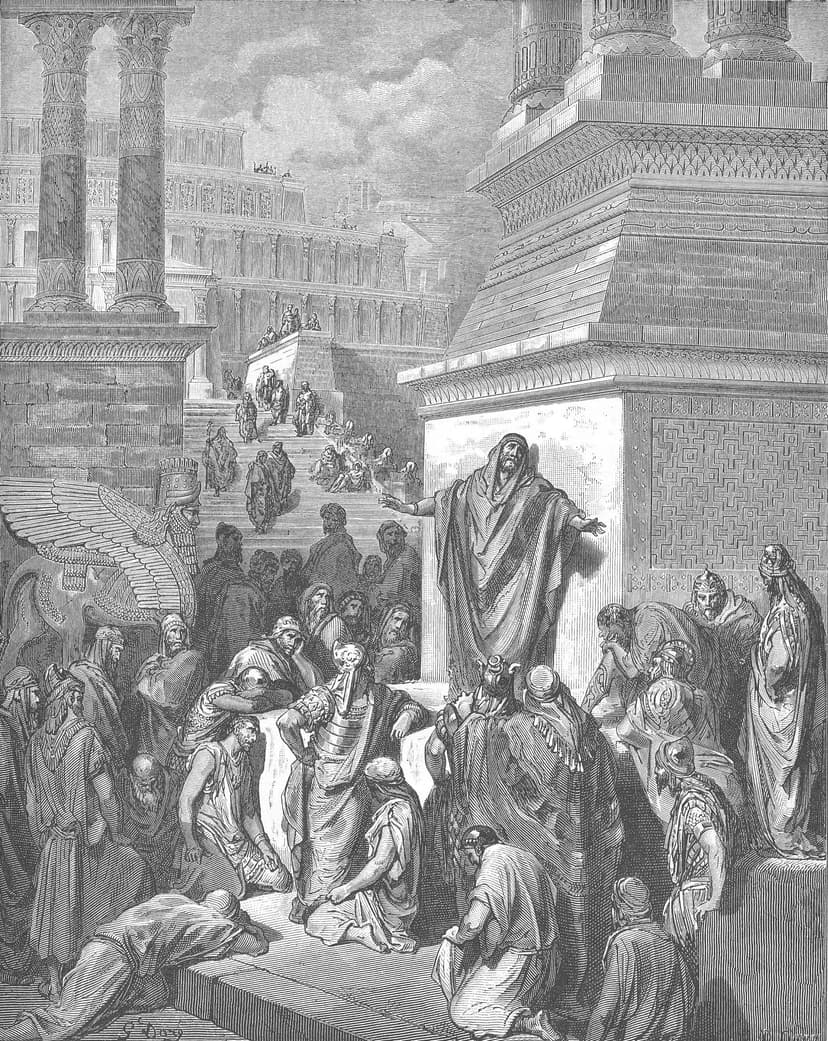
Jonah
Jonah was a Jewish prophet from the Northern Kingdom of Israel in the 8th century BCE, central to the Book of Jonah. He is remembered for his reluctance to deliver God's judgment to Nineveh and his miraculous survival after being swallowed by a large fish. His story is significant in Judaism for its teachings on repentance, in Christianity as a prefigurement of Jesus' resurrection, and in Islam as a revered prophet.
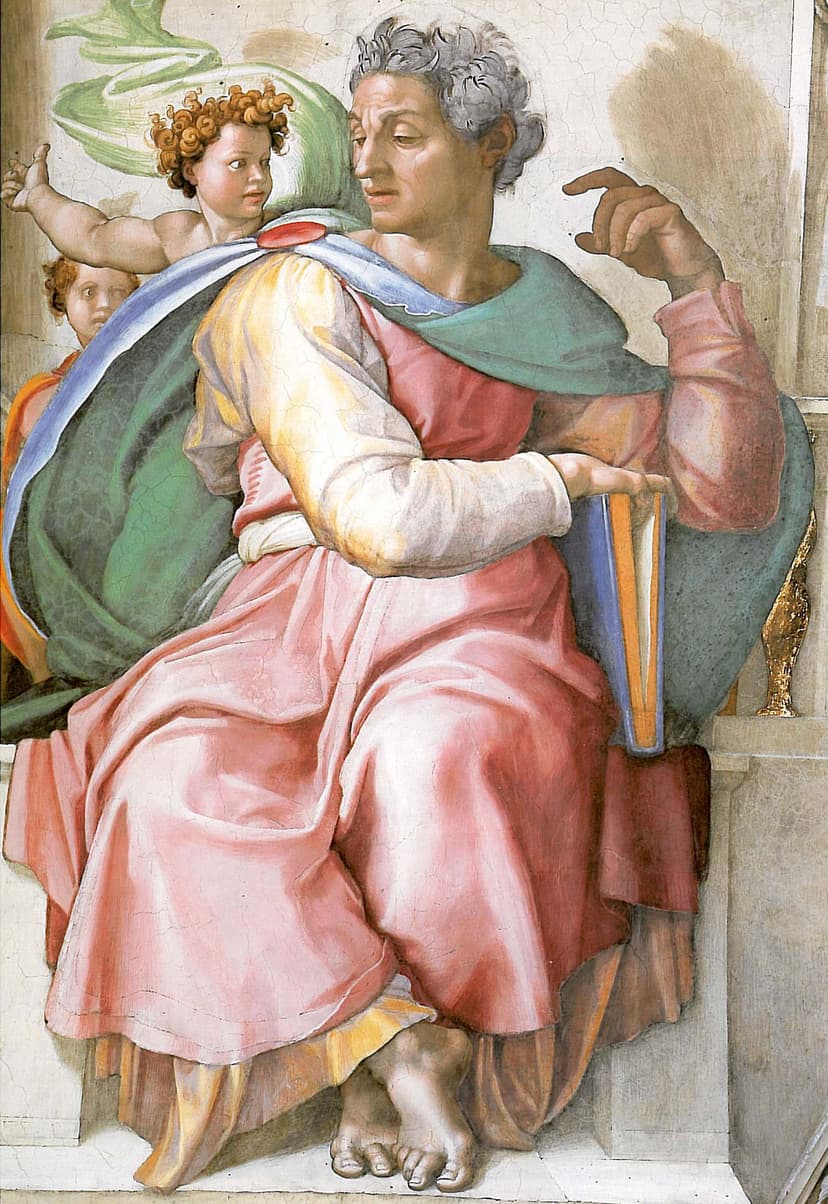
Isaiah
Isaiah was an 8th-century BC Israelite prophet, whose prophecies form the basis of the Book of Isaiah. He is remembered for his pronouncements on the kingdoms of Judah and Israel, his warnings against Assyrian power, and his visions of future salvation and the coming of the Messiah. Christian tradition particularly emphasizes his prophetic insights into the life and death of Jesus Christ.
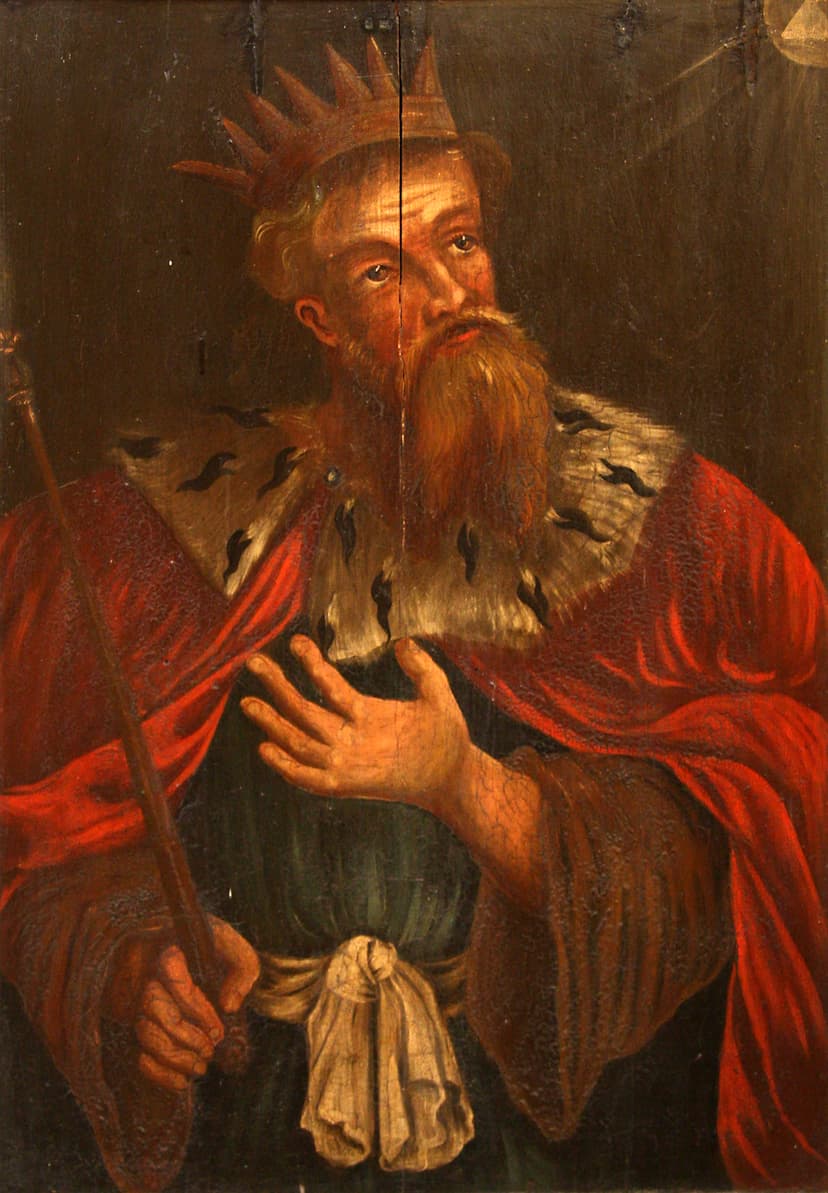
Hezekiah
Hezekiah was a king of Judah, renowned for his significant religious reforms that centralized worship in Jerusalem and his resistance against the Assyrian Empire. He is remembered as one of the most righteous kings in biblical history, credited with consolidating Judah's power and spiritual focus during a turbulent era.