
Hezekiah
Hezekiah was a king of Judah, renowned for his significant religious reforms that centralized worship in Jerusalem and his resistance against the Assyrian Empire. He is remembered as one of the most righteous kings in biblical history, credited with consolidating Judah's power and spiritual focus during a turbulent era.
Key Facts
- ›Hezekiah was the thirteenth king of Judah, son of Ahaz.
- ›His reign is well-documented in biblical texts and external sources, particularly Assyrian inscriptions.
- ›He instituted major religious reforms, centralizing worship in Jerusalem and destroying idolatrous objects.
- ›He faced the Assyrian siege of Jerusalem by King Sennacherib in 701 BC.
- ›He oversaw the construction of the Siloam Tunnel to ensure Jerusalem's water supply during sieges.
- ›Hezekiah is mentioned in the genealogy of Jesus in the Gospel of Matthew.
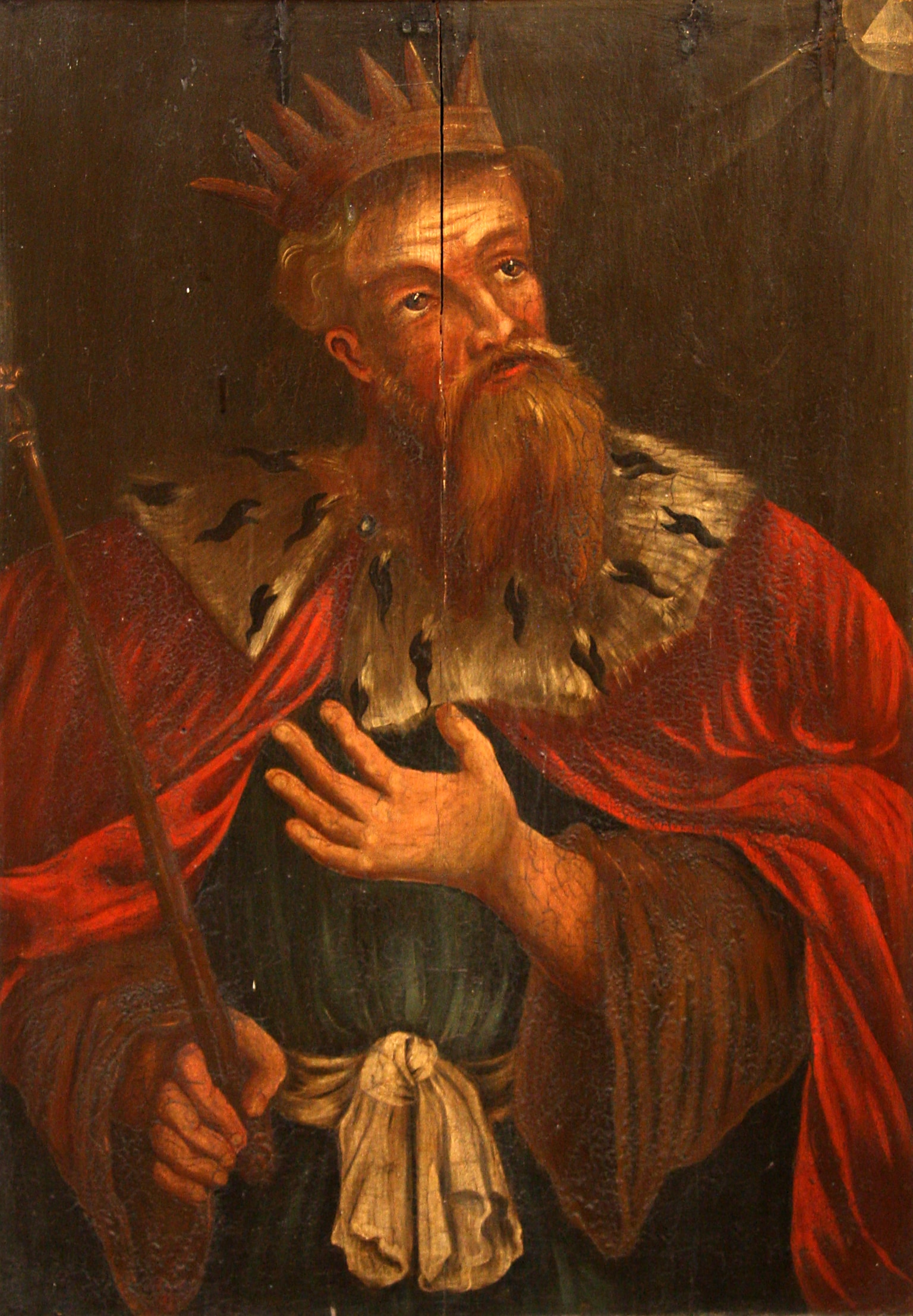
Ezekias
About Hezekiah
Hezekiah, whose name means "Yahweh strengthens," was the thirteenth king of Judah, reigning from approximately 716/715 to 687/686 BC. He is widely regarded as one of the most righteous kings in biblical history, due to extensive documentation in both the Hebrew Bible and external historical sources, particularly Assyrian inscriptions. His reign was a pivotal period marked by significant religious reforms and a determined resistance against the encroaching Assyrian Empire.
Life and Reign
Born around 741 BC, Hezekiah ascended to the throne of Judah at the age of 25, ruling for 29 years. He was the son of King Ahaz and Abijah, daughter of the high priest Zechariah. His marriage was to Hephzibah, and he was succeeded by his son Manasseh. Historical and biblical chronologies offer slightly varying dates for his reign, but generally place him in the late 8th century BC.
Hezekiah's reign coincided with the fall of the Northern Kingdom of Israel to the Assyrians around 722 BC, a momentous event that heightened the precarious position of Judah. He later faced the formidable Assyrian King Sennacherib, who besieged Jerusalem in 701 BC.
Religious Reforms
A central theme of Hezekiah's rule was his comprehensive religious reform. He sought to centralize the worship of Yahweh exclusively in the Temple in Jerusalem, dismantling "high places" (sanctuaries outside Jerusalem) and destroying objects associated with the worship of other deities, including the "bronze serpent" (Nehushtan), which had become an object of veneration. This consolidation of worship was seen as a means to unify the kingdom religiously and politically, especially in the wake of the northern kingdom's destruction and the influx of Israelite refugees.
Resistance and Construction
Facing the Assyrian threat, Hezekiah undertook significant defensive preparations. He fortified Jerusalem's walls, built towers, and most notably, commissioned the construction of the Siloam Tunnel. This remarkable engineering feat channeled water from the Gihon Spring into the city, ensuring a vital supply during the impending siege. The Siloam Inscription, found within the tunnel, commemorates the moment the two teams of diggers met.
The Assyrian Siege
The confrontation with Sennacherib is a key event of Hezekiah's reign. While Assyrian records, such as the Sennacherib Prism, detail his campaign and the siege of Jerusalem, claiming Hezekiah paid tribute, the biblical narrative presents a more defiant stance. The Bible recounts that after tribute was paid, Sennacherib continued his assault, and Jerusalem was ultimately spared through divine intervention, with the Assyrian army suffering catastrophic losses overnight. While Sennacherib's inscriptions do not claim to have captured Jerusalem, they do record levying a significant tribute upon Hezekiah, suggesting a degree of capitulation.
Legacy
Hezekiah is remembered for his faith, his commitment to reforming the worship of Yahweh, and his effective leadership during a period of existential threat. His reign is considered a high point for the Kingdom of Judah, marked by increased state power, population growth in Jerusalem, and significant construction projects. He is one of the few Judean kings explicitly mentioned in the genealogy of Jesus in the Gospel of Matthew, underscoring his importance in the religious historical narrative.
Source: Wikipedia ↗
Frequently Asked Questions
What does the name Hezekiah mean?
The name Hezekiah means "Yahweh strengthens" or "Yahweh is my strength" in Hebrew. This meaning reflects the biblical narrative of his reliance on God during challenging times.
What were Hezekiah's major religious reforms?
Hezekiah centralized the worship of Yahweh in Jerusalem's Temple, destroying "high places" (bamot) and idolatrous objects like the "bronze serpent" (Nehushtan). He aimed to purge his kingdom of other cult gods and goddesses.
What was the significance of the Siloam Tunnel?
Hezekiah commissioned the construction of the Siloam Tunnel to bring water from the Gihon Spring into the city of Jerusalem. This engineering feat was crucial for the city's survival during potential sieges, particularly the Assyrian invasion.
How did Hezekiah deal with the Assyrian invasion under Sennacherib?
Hezekiah faced the Assyrian siege of Jerusalem in 701 BC. While Assyrian records claim he paid tribute to lift the siege, the Bible states that tribute was paid, but Sennacherib renewed his assault before divine intervention or other factors led to the Assyrian army's withdrawal.
Is the historicity of Hezekiah's reign debated?
Yes, while Hezekiah's existence is corroborated by extra-biblical sources, the exact historicity of certain biblical accounts, such as the extent of his religious reforms and the details of the Assyrian siege, is debated by scholars.
What archaeological evidence supports Hezekiah's reign?
Archaeological findings include storage jars with "LMLK" seals, suggesting preparations for invasion, and a bulla bearing the inscription "Belonging to Hezekiah King of Judah." Evidence of iconoclasm and the decommissioning of rural sanctuaries also aligns with his reforms.
Related Saints
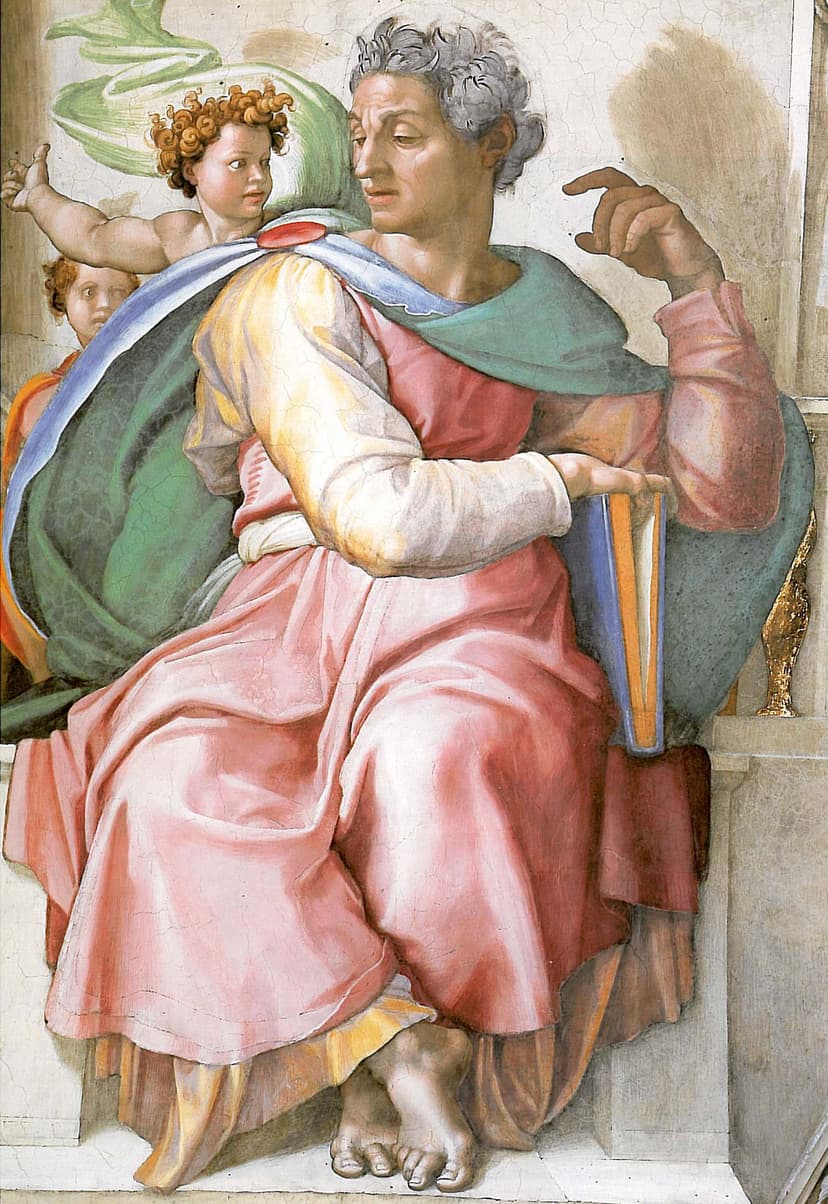
Isaiah
Isaiah was an 8th-century BC Israelite prophet, whose prophecies form the basis of the Book of Isaiah. He is remembered for his pronouncements on the kingdoms of Judah and Israel, his warnings against Assyrian power, and his visions of future salvation and the coming of the Messiah. Christian tradition particularly emphasizes his prophetic insights into the life and death of Jesus Christ.
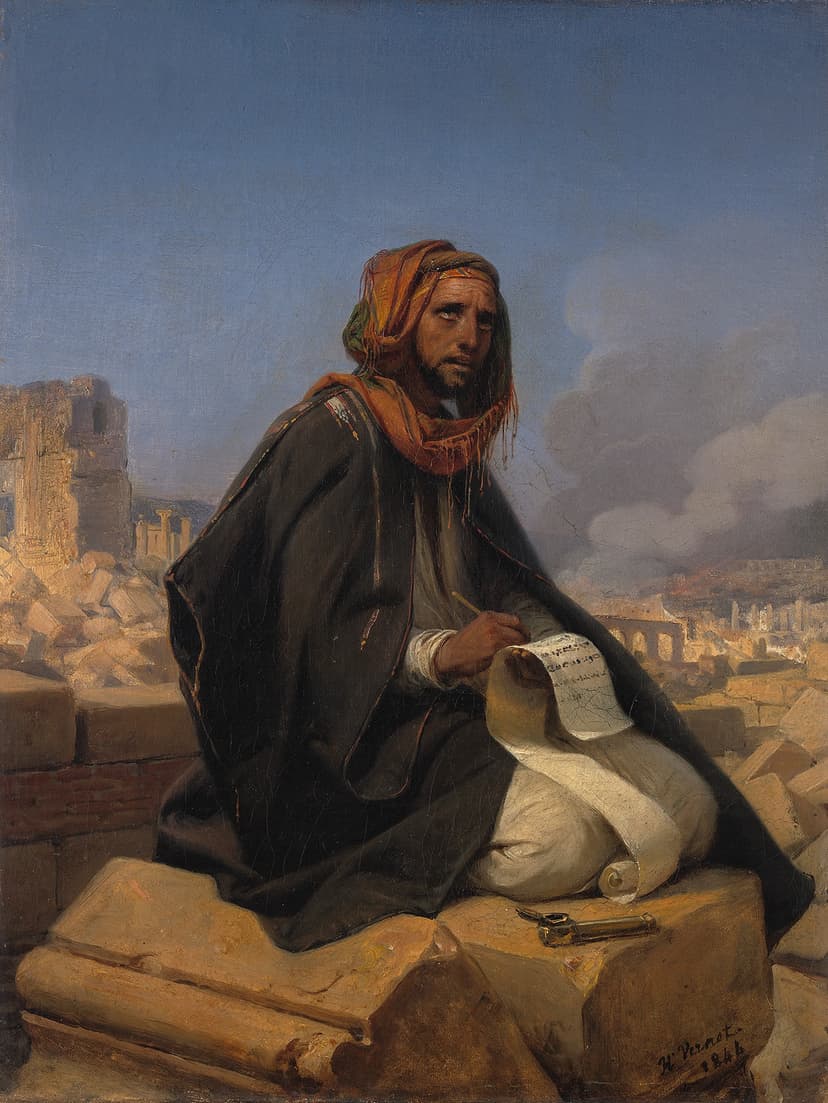
Jeremiah
Jeremiah was a major prophet in the Hebrew Bible, active in the late 7th and early 6th centuries BC. He is chiefly remembered for his prophecies of divine judgment against Judah for its idolatry and social injustices, forewarning of the Babylonian captivity and the destruction of Jerusalem. His ministry, marked by personal struggle and opposition, emphasized repentance and the restoration of a covenant relationship with God.
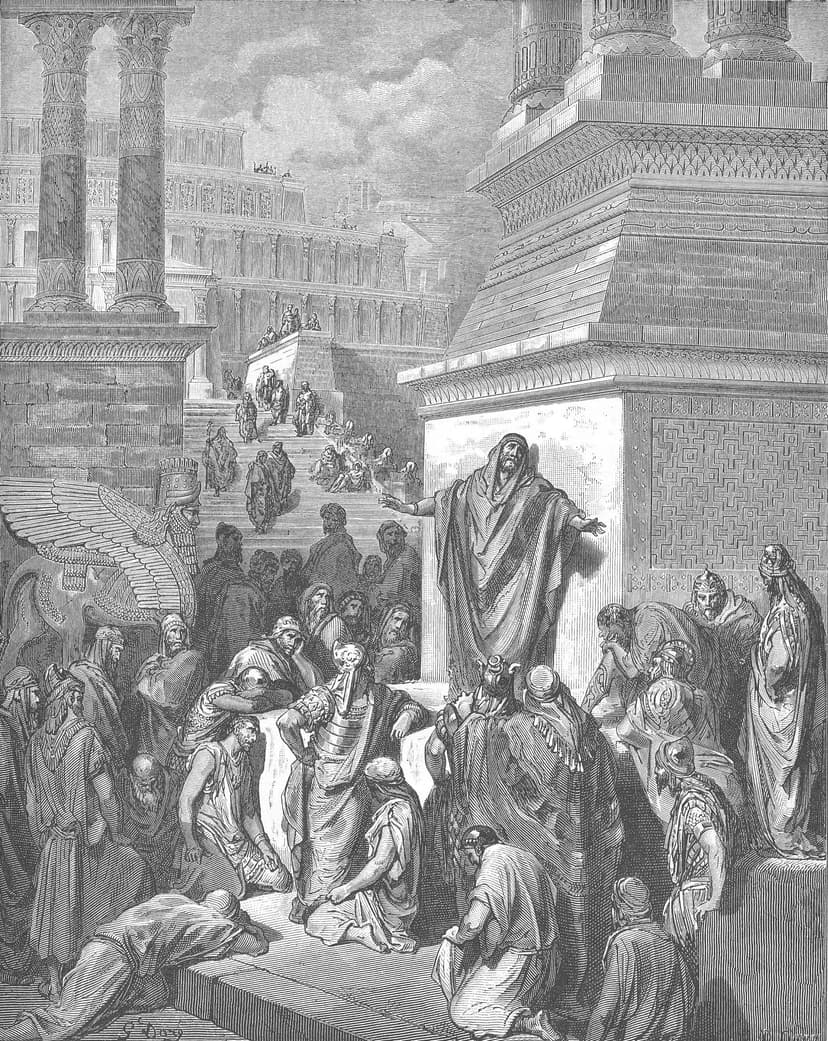
Jonah
Jonah was a Jewish prophet from the Northern Kingdom of Israel in the 8th century BCE, central to the Book of Jonah. He is remembered for his reluctance to deliver God's judgment to Nineveh and his miraculous survival after being swallowed by a large fish. His story is significant in Judaism for its teachings on repentance, in Christianity as a prefigurement of Jesus' resurrection, and in Islam as a revered prophet.