
Jeremiah
Jeremiah was a major prophet in the Hebrew Bible, active in the late 7th and early 6th centuries BC. He is chiefly remembered for his prophecies of divine judgment against Judah for its idolatry and social injustices, forewarning of the Babylonian captivity and the destruction of Jerusalem. His ministry, marked by personal struggle and opposition, emphasized repentance and the restoration of a covenant relationship with God.
Key Facts
- ›Jeremiah was called to prophethood around 626 BC and ministered for over five decades.
- ›He was born into a priestly lineage in the village of Anathoth.
- ›His prophecies foretold the siege of Jerusalem and Babylonian captivity as consequences of the nation's disobedience.
- ›Jeremiah faced opposition, imprisonment, and mockery for his messages.
- ›He is considered a prophet in Judaism, Christianity, and Islam.
- ›The term 'jeremiad' originates from his lamentations and mournful complaints.
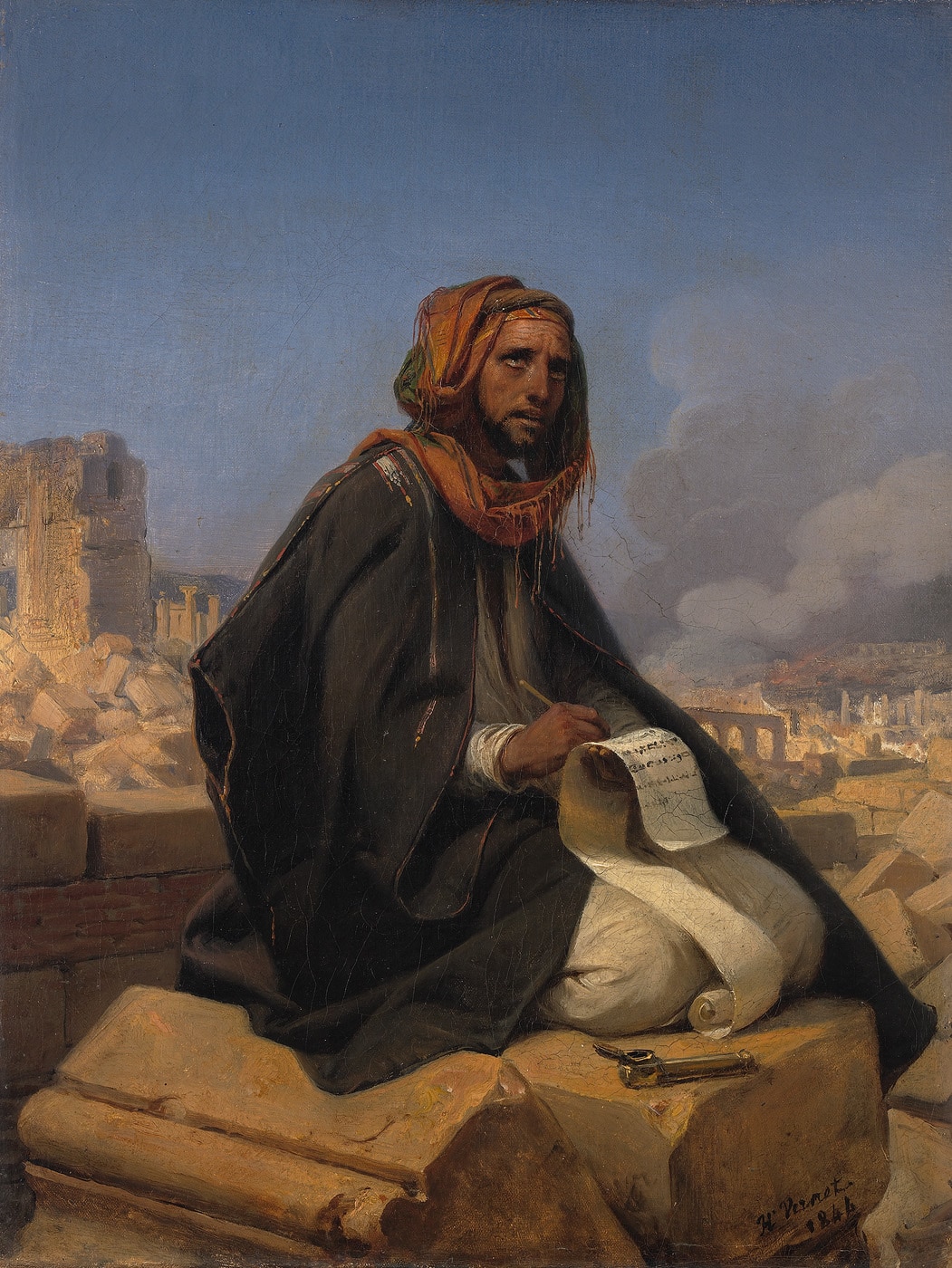
Jeremias, Jeremy, the weeping prophet, Irmiya ibn Halqiya
Yoke of Wood/Iron, Cistern
About Jeremiah
Jeremiah was one of the major prophets of the Hebrew Bible, whose ministry spanned the late 7th and early 6th centuries BC. According to tradition, he authored the Book of Jeremiah, the Books of Kings, and the Book of Lamentations, with the assistance of his scribe and disciple, Baruch ben Neriah. His life and prophecies are central to understanding the events leading up to the Babylonian conquest of Jerusalem and the subsequent exile.
Life and Ministry
Born into a priestly family in the village of Anathoth, Jeremiah was called to prophethood around 626 BC. He reluctantly accepted his divine commission, embarking on a ministry that lasted more than five decades, encompassing the reigns of five kings of Judah: Josiah, Jehoahaz, Jehoiakim, Jehoiachin, and Zedekiah. His message was largely one of divine judgment, forewarning the people of Judah about the consequences of their idolatry, social injustices, and moral decay. He prophesied the impending siege of Jerusalem and the Babylonian captivity as a direct result of their disobedience and breach of covenant with God.
Jeremiah's prophetic activities were not without significant personal cost. He faced considerable opposition, including plots against his life by his own priestly kin and the men of Anathoth, as well as persecution from temple officials like Pashur the son of Immer. He was beaten, put in stocks, and later cast into a cistern with the intent of letting him starve. Despite these hardships, he remained steadfast in proclaiming God's word, often lamenting his difficult calling, which earned him the epithet "the weeping prophet."
Religious Significance and Legacy
Jeremiah's influence extends across multiple religious traditions. In Judaism, his words are read as part of the prophetic readings (haftara) in synagogues, and he is considered a pivotal figure in understanding God's covenant with Israel. Christianity recognizes Jeremiah as a significant prophet, with many direct quotations from his book appearing in the New Testament, particularly in the Gospel of Matthew and the Book of Revelation, linking his prophecies to the life, death, and resurrection of Jesus.
Islam also regards Jeremiah (Irmiya) as a prophet, and Islamic literature recounts narratives that align with the biblical account of his life and prophecies, especially concerning the Siege of Jerusalem. The term "jeremiad," meaning a lamentation or mournful complaint, derives directly from his prophetic style and the sorrowful tone of his message. His enduring legacy lies in his powerful articulation of divine justice, the necessity of repentance, and the hope for eventual restoration and a renewed covenant.
Source: Wikipedia ↗
Frequently Asked Questions
Who was Jeremiah?
Jeremiah was a major prophet in the Hebrew Bible, active in the Kingdom of Judah during a tumultuous period in the late 7th and early 6th centuries BC. He is known for his prophecies of impending divine judgment and the Babylonian exile.
What is Jeremiah chiefly remembered for?
He is remembered for his warnings about the consequences of Judah's idolatry and social injustices, which he prophesied would lead to the destruction of Jerusalem and the Babylonian captivity. His ministry emphasized repentance and the restoration of a covenant relationship with God.
What challenges did Jeremiah face during his ministry?
Jeremiah's ministry was marked by significant opposition, including plots against his life by his own kin, imprisonment, and mockery from other prophets and officials. He often expressed personal anguish over the suffering and disbelief he encountered.
What is the significance of Jeremiah's prophecies?
His prophecies are central to understanding the historical and theological context of the Babylonian exile. They are quoted in the New Testament and have informed the understanding of divine judgment, repentance, and covenant in Judaism and Christianity.
Is Jeremiah recognized in Islam?
Yes, Jeremiah (known as Irmiya ibn Halqiya in Arabic) is regarded as a prophet in Islam, though his name is not explicitly mentioned in the Quran. Islamic tradition recounts narratives that closely parallel the accounts found in the Hebrew Bible.
Related Saints
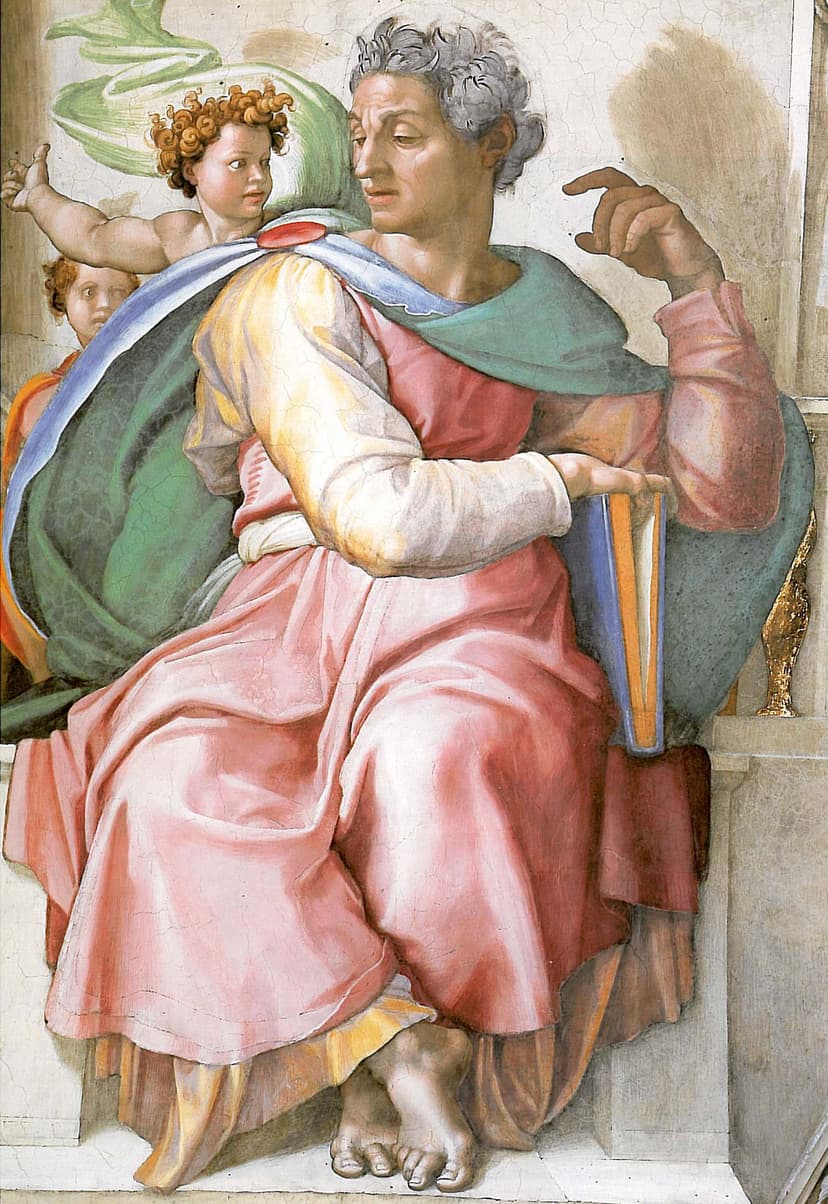
Isaiah
Isaiah was an 8th-century BC Israelite prophet, whose prophecies form the basis of the Book of Isaiah. He is remembered for his pronouncements on the kingdoms of Judah and Israel, his warnings against Assyrian power, and his visions of future salvation and the coming of the Messiah. Christian tradition particularly emphasizes his prophetic insights into the life and death of Jesus Christ.

Ezekiel
Ezekiel was an Israelite priest and prophet in the Abrahamic religions, best known for the Book of Ezekiel which details his visions and prophecies. He prophesied the destruction of Jerusalem and the Babylonian captivity, but also foretold the eventual restoration of the Jewish people to the Land of Israel. His name, meaning "God is strong" or "God strengthens," reflects his prophetic role.

Hezekiah
Hezekiah was a king of Judah, renowned for his significant religious reforms that centralized worship in Jerusalem and his resistance against the Assyrian Empire. He is remembered as one of the most righteous kings in biblical history, credited with consolidating Judah's power and spiritual focus during a turbulent era.