
Benjamin the Deacon
Benjamin the Deacon was a Christian deacon martyred in Persia around 424 AD during a period of intense persecution. He is remembered for his unwavering commitment to preaching Christianity despite imprisonment and torture, ultimately giving his life for his faith.
Key Facts
- ›Benjamin was a deacon martyred in Persia around 424 AD.
- ›He was executed during a forty-year persecution of Christians under Persian kings Isdegerd I and Varanes V.
- ›Benjamin was imprisoned for a year for his faith and released on the condition he stop preaching.
- ›He refused to cease preaching and was tortured to death with sharpened reeds and a stake.
- ›His feast day is celebrated on October 13 in the Eastern Orthodox Church and on March 31 in the Catholic Church and Syriac churches.
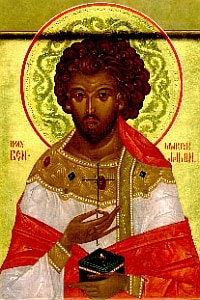
Saint Benjamin the Deacon and Martyr
About Benjamin the Deacon
Benjamin the Deacon was a Christian figure martyred in Persia around 424 AD. His life and death are situated within a period of significant persecution against Christians in the Sasanian Empire, which spanned forty years and included the reigns of Kings Isdegerd I and his son, Varanes V. The latter ruler intensified these persecutions, subjecting Christians to extreme tortures.
Life and Martyrdom
Born in 329 AD, Benjamin served as a deacon. Historical accounts indicate he was imprisoned for his faith for a year. His release was eventually facilitated by an ambassador from the Eastern Roman Emperor Theodosius II, with the stipulation that Benjamin cease preaching or speaking about his religion. However, Benjamin declared his duty to preach Christ and could not remain silent. Consequently, he was subjected to horrific torture. Hagiographic accounts describe the use of sharpened reeds inserted under the nails of his fingers and toes, as well as a "knotty stake" thrust into his bowels, which caused his death in 424 AD.
Veneration
Benjamin is venerated as a martyr in several Christian traditions. His feast day is celebrated on October 13 by the Eastern Orthodox Church and Byzantine Rite Eastern Catholic Churches. The Catholic Church and various Syriac churches commemorate him on March 31. He is also mentioned in the Roman Martyrology, though he has not been included in the General Roman Calendar.
Source: Wikipedia ↗
Frequently Asked Questions
When was Benjamin the Deacon martyred?
Benjamin the Deacon was martyred around the year 424 AD. His execution occurred during a period of intense persecution of Christians in Persia.
What led to Benjamin the Deacon's death?
Benjamin was imprisoned for his Christian faith and later released with the condition that he cease preaching. When he refused, he was subjected to severe torture, including the insertion of sharpened reeds under his nails and a stake into his bowels, leading to his death.
Who was Benjamin the Deacon?
Benjamin was a deacon in Persia who lived from 329 to approximately 424 AD. He is venerated as a martyr for his unwavering commitment to his faith and his refusal to abandon his preaching.
When is Benjamin the Deacon's feast day celebrated?
Benjamin the Deacon's feast day is observed on October 13 in the Eastern Orthodox Church and Byzantine Rite Eastern Catholic Churches. The Catholic Church and Syriac churches celebrate his feast day on March 31.
Related Saints
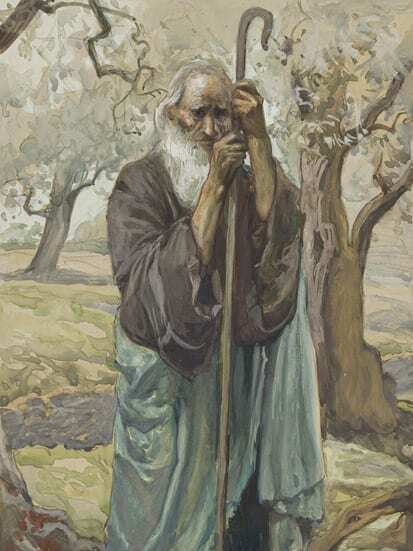
Obadiah
Obadiah, also known as Abdias, was a biblical prophet traditionally credited with authorship of the Book of Obadiah. His prophetic ministry is debated by scholars, with some dating his work to the 9th century BCE and others to the 6th century BCE, shortly after the fall of Jerusalem. He is remembered for his prophecy against Edom and, in rabbinic tradition, for his act of hiding one hundred prophets from Jezebel's persecution.
Tarasius of Constantinople
Tarasius of Constantinople served as the Ecumenical Patriarch from 25 December 784 until his death on 25 February 806. He is primarily remembered for his role as acting chairman of the Second Council of Nicaea, which condemned Iconoclasm and formally approved the veneration of icons. Despite facing criticism for his perceived pliability to imperial power, he is revered in Eastern Orthodox Churches for his defense of icons and his efforts for Church unity.
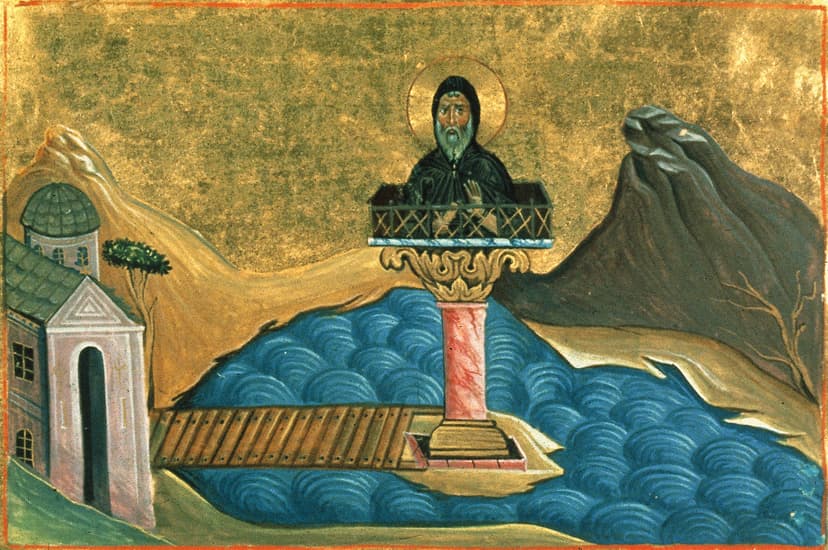
Luke the Stylite
Venerable Luke the Stylite was a 10th-century Byzantine monk and ascetic who lived in Constantinople and its environs. After a military career, he dedicated himself to a life of prayer and penance, most notably living atop a pillar for 45 years. He is remembered for his extreme asceticism and pursuit of sanctity.