
Luke the Stylite
December 11·10th century·Byzantine Empire
Venerable Luke the Stylite was a 10th-century Byzantine monk and ascetic who lived in Constantinople and its environs. After a military career, he dedicated himself to a life of prayer and penance, most notably living atop a pillar for 45 years. He is remembered for his extreme asceticism and pursuit of sanctity.
Key Facts
- ›Luke the Stylite lived in Constantinople during the 10th century.
- ›He served as a soldier before becoming a monk and presbyter.
- ›Luke practiced the ascetic life of a stylite, living atop a pillar for 45 years.
- ›He lived near the city of Chalcedon.
- ›His feast day is commemorated on December 11 in the Eastern Orthodox and Byzantine Rite Eastern Catholic Churches.
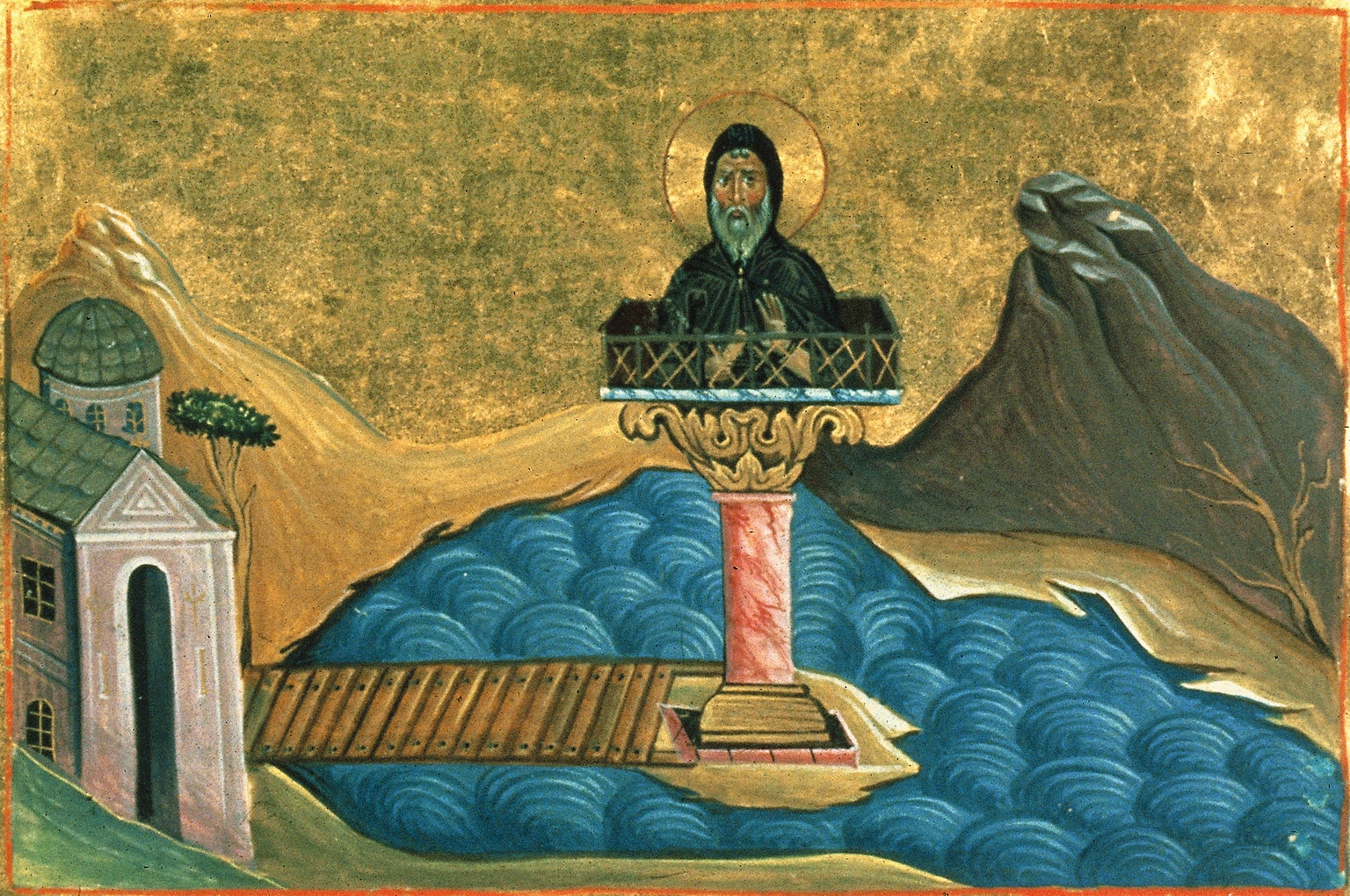
Luke the Stylite
Pillar
About Luke the Stylite
Venerable Luke the Stylite (c. 879–979?) was a 10th-century Byzantine ascetic renowned for his extreme dedication to prayer and penance, particularly his life as a stylite. He lived in Constantinople and its surrounding regions during a period of significant Byzantine history.
Life and Asceticism
Luke's early life included a period of service as a soldier in the Byzantine army, during which he experienced the horrors of war. Following a battle against the Bulgarians, which resulted in thousands of deaths, Luke believed his life had been preserved by divine intervention. This experience led him to renounce his military career and embrace the monastic life. He was ordained as a presbyter and subsequently chose to adopt the eremitic and ascetic lifestyle of a stylite.
For three years, Luke lived atop a pillar, a practice characteristic of stylites. Afterward, he moved to Mount Olympos, then to Constantinople, and finally settled near Chalcedon. It was near Chalcedon that he spent the remaining 45 years of his life, continuously living atop a pillar in pursuit of spiritual perfection and closeness to Christ. He is believed to have died around 970 AD.
Veneration
Luke the Stylite is commemorated on December 11 in the liturgical calendars of the Eastern Orthodox Church and the Byzantine Rite Eastern Catholic Churches. He is remembered as a confessor for his unwavering commitment to his ascetic practices and his spiritual dedication.
Source: Wikipedia ↗
Frequently Asked Questions
Who was Luke the Stylite?
Luke the Stylite was a 10th-century Byzantine monk and ascetic venerated in the Eastern Orthodox and Byzantine Catholic Churches. He is known for his life of extreme prayer and penance.
What is a stylite?
A stylite, also known as a pillar-saint, was an ascetic who lived a life of penance and prayer atop a pillar. Luke the Stylite lived in this manner for 45 years.
When is Luke the Stylite's feast day?
Luke the Stylite is commemorated on December 11. This date is observed in the Eastern Orthodox and Byzantine Rite Eastern Catholic Churches.
What was Luke the Stylite's life like before becoming a monk?
Before dedicating himself to monastic life, Luke the Stylite served as a soldier in the Byzantine army. He witnessed significant loss of life during a battle against the Bulgarians, which influenced his decision to become a monk.
Related Saints
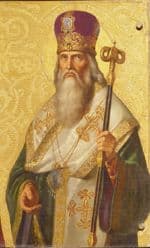
Tarasius of Constantinople
Tarasius of Constantinople served as the Ecumenical Patriarch from 25 December 784 until his death on 25 February 806. He is primarily remembered for his role as acting chairman of the Second Council of Nicaea, which condemned Iconoclasm and formally approved the veneration of icons. Despite facing criticism for his perceived pliability to imperial power, he is revered in Eastern Orthodox Churches for his defense of icons and his efforts for Church unity.
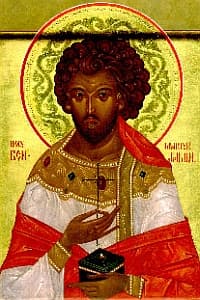
Benjamin the Deacon
Benjamin the Deacon was a Christian deacon martyred in Persia around 424 AD during a period of intense persecution. He is remembered for his unwavering commitment to preaching Christianity despite imprisonment and torture, ultimately giving his life for his faith.
Symeon the Studite
Symeon the Studite was an influential lay monk at the Monastery of Stoudios in 10th-century Constantinople, serving as the spiritual father to Symeon the New Theologian. He is remembered for his practical teachings on the spiritual life, documented in forty chapters attributed to him, and for being revered as a saint by his prominent disciple, which caused controversy among church officials. Some contemporary accounts also described him as a Holy Fool.