
Tarasius of Constantinople
February 25·8th century·Byzantine Empire
Tarasius of Constantinople served as the Ecumenical Patriarch from 25 December 784 until his death on 25 February 806. He is primarily remembered for his role as acting chairman of the Second Council of Nicaea, which condemned Iconoclasm and formally approved the veneration of icons. Despite facing criticism for his perceived pliability to imperial power, he is revered in Eastern Orthodox Churches for his defense of icons and his efforts for Church unity.
Key Facts
- ›Tarasius was born and raised in Constantinople and was related to important families, including that of Patriarch Photios I.
- ›He held the rank of senator and served as imperial secretary to Emperor Constantine VI and Empress Irene.
- ›Empress Irene selected him as Ecumenical Patriarch in 784, despite him being a layman at the time.
- ›He demanded and obtained the promise of the restoration of icon veneration before accepting the patriarchate.
- ›He presided over the Second Council of Nicaea in 787, which condemned Iconoclasm.
- ›He reluctantly condoned Emperor Constantine VI's divorce, which caused controversy among monks.
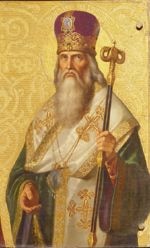
Saint Tarasius, Saint Tarasios
About Tarasius of Constantinople
Tarasius of Constantinople (c. 730 – February 25, 806) was a significant figure in the Byzantine Church, serving as the Ecumenical Patriarch of Constantinople from December 25, 784, until his death. Born and raised in Constantinople, he came from a prominent family and pursued a career in secular administration, eventually holding the rank of senator and serving as imperial secretary to Emperor Constantine VI and Empress Irene. His election as patriarch was unusual, as he was a layman at the time, recommended by his predecessor, Patriarch Paul IV.
Background and Election
Tarasios's appointment was influenced by his Iconodule sympathies and his willingness to follow imperial directives that did not contradict the faith. Empress Irene selected him, and to qualify for the patriarchal office, he underwent ordination as a deacon and then a priest before his consecration as a bishop. His acceptance of the patriarchate was conditional on the restoration of church unity with Rome and the Oriental Patriarchs, and the convening of a council to address the Iconoclast controversy.
The Second Council of Nicaea
A pivotal moment in Tarasius's patriarchate was his leadership in the Second Council of Nicaea, convened in 787. He served as the acting chairman of the council, which formally condemned Iconoclasm and re-established the veneration of religious images. This council was a crucial step in resolving the long-standing iconoclastic dispute within the Byzantine Empire. Tarasius adopted a moderate stance towards former Iconoclasts, which later drew criticism from figures like Theodore the Studite.
Controversies and End of Patriarchate
Later in his tenure, Tarasius became involved in a significant controversy surrounding Emperor Constantine VI's divorce from his wife Maria of Amnia and subsequent remarriage to Theodote. Tarasius reluctantly condoned the divorce, leading to widespread scandal among the monastic community. Although he refused to officiate the emperor's second marriage, his consent to the divorce drew sharp criticism. He eventually excommunicated the priest who performed the ceremony under pressure from Theodore the Studite.
Tarasios continued to serve under subsequent imperial regimes, including those of Irene and Nikephoros I. His reputation was sometimes marred by accusations of tolerance of simony (the buying and selling of church offices). However, his perceived pliability proved advantageous to the emperors, allowing him to remain in office until his death. The precedent set by Tarasius's election as a layman may have influenced the later selections of Nikephoros I and Photios I as patriarchs.
Sainthood and Legacy
Despite some scholarly criticism regarding his perceived deference to imperial authority, Tarasius is venerated as a saint in the Eastern Orthodox and Byzantine Rite Eastern Catholic Churches. He is honored for his staunch defense of icon veneration and his efforts to maintain peace and unity within the Church. His feast day is celebrated on February 25. The Catholic Church also commemorates him on February 18.
Source: Wikipedia ↗
Frequently Asked Questions
When was Tarasius of Constantinople patriarch?
Tarasius served as the Ecumenical Patriarch of Constantinople from December 25, 784, until his death on February 25, 806.
What is Tarasius of Constantinople most remembered for?
He is primarily remembered for his role as the acting chairman of the Second Council of Nicaea in 787, which condemned Iconoclasm and re-established the veneration of icons.
Was Tarasius of Constantinople a layman when elected patriarch?
Yes, Tarasius was a layman, a senator and imperial secretary, when he was chosen to be the Ecumenical Patriarch. He was subsequently ordained as a deacon and priest before his consecration as bishop.
Did Tarasius of Constantinople face any controversies?
Yes, Tarasius faced controversy when he reluctantly condoned Emperor Constantine VI's divorce and subsequent remarriage. This action drew strong opposition from monks like Theodore the Studite.
How is Tarasius of Constantinople venerated today?
He is revered in the Eastern Orthodox Churches and Byzantine Rite Eastern Catholic Churches for his defense of icons and his struggle for church peace and unity. His feast day is celebrated on February 25.
Related Saints
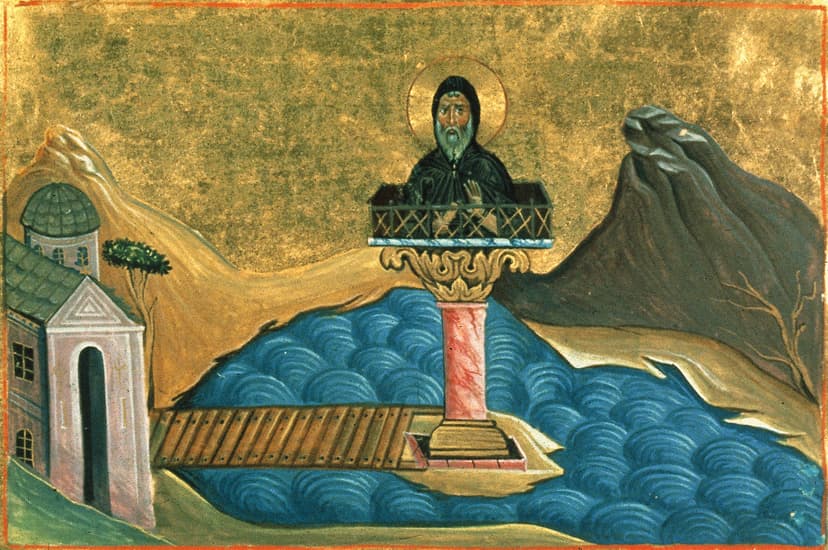
Luke the Stylite
Venerable Luke the Stylite was a 10th-century Byzantine monk and ascetic who lived in Constantinople and its environs. After a military career, he dedicated himself to a life of prayer and penance, most notably living atop a pillar for 45 years. He is remembered for his extreme asceticism and pursuit of sanctity.
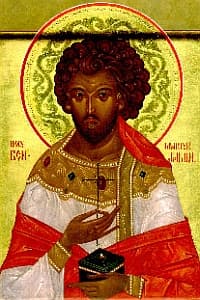
Benjamin the Deacon
Benjamin the Deacon was a Christian deacon martyred in Persia around 424 AD during a period of intense persecution. He is remembered for his unwavering commitment to preaching Christianity despite imprisonment and torture, ultimately giving his life for his faith.
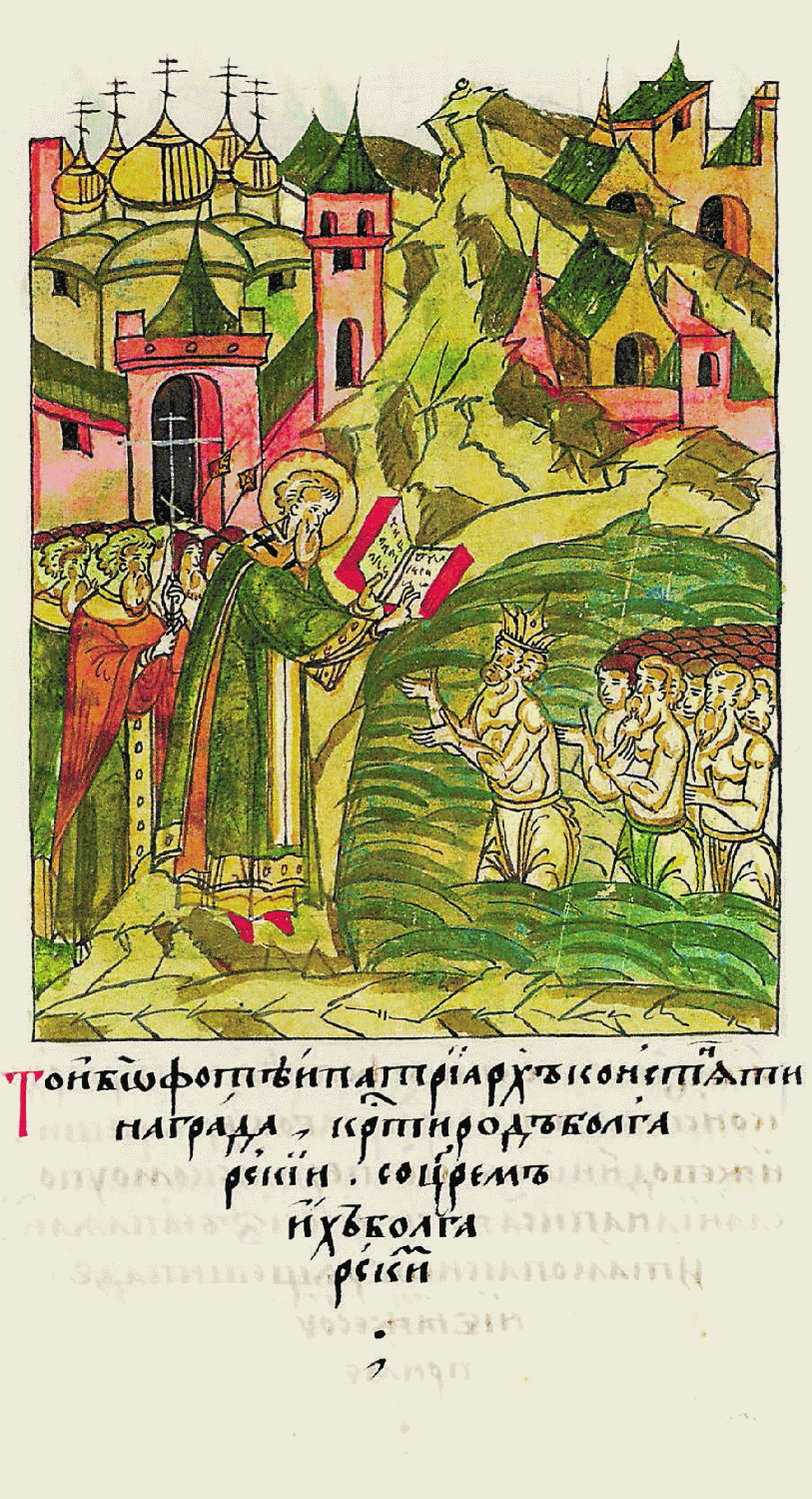
Photius the Great
Photius I of Constantinople, also known as Saint Photius the Great, was a towering intellectual and influential church leader of the 9th century. He served as Ecumenical Patriarch of Constantinople twice and played a pivotal role in the conversion of the Slavs and the Photian schism. He is remembered as a brilliant scholar, a systematic compiler of Church Law, and a defender of Greek spiritual independence.