
Symeon the Studite
Symeon the Studite was an influential lay monk at the Monastery of Stoudios in 10th-century Constantinople, serving as the spiritual father to Symeon the New Theologian. He is remembered for his practical teachings on the spiritual life, documented in forty chapters attributed to him, and for being revered as a saint by his prominent disciple, which caused controversy among church officials. Some contemporary accounts also described him as a Holy Fool.
Key Facts
- ›He was born around 918 AD.
- ›He became a monk at the Monastery of Stoudios in 942.
- ›He died in 986 or 987.
- ›Forty chapters on the spiritual life are credited to him as 'Symeon the Devout'.
- ›He was described as a Holy Fool by some contemporary writings.
- ›Symeon the New Theologian revered him as a saint.
Symeon the Pious, Symeon Eulabes, Symeon the Elder, Symeon the Devout
About Symeon the Studite
Symeon the Studite, also known as Symeon the Pious or Symeon Eulabes, was a significant figure in 10th-century Byzantine monasticism. He was a lay monk at the renowned Monastery of Stoudios in Constantinople, a center of spiritual and intellectual life. His influence is most notably recognized through his role as the spiritual father and teacher of Symeon the New Theologian, a highly esteemed theologian and saint in the Eastern Orthodox Church.
Life and Historical Context
Little is definitively known about Symeon the Studite's early life. He is recorded as being born around 918 AD and entering the Monastery of Stoudios as a monk in 942. This close association with the monastery led to his appellation "the Studite." He died sometime between 986 and 987. His teachings, which focused on the practical aspects of the spiritual life, are preserved in a collection of forty chapters attributed to him under the title "Symeon the Devout" (Eulabes in Greek).
Spiritual Teachings and Veneration
Symeon the Studite's writings suggest a grounded, practical approach to spiritual development. Alongside these scholarly attributions, some contemporary accounts also referred to him as a "Holy Fool," a recognized ascetic figure within Eastern Christianity. His disciple, Symeon the New Theologian, held him in such high esteem that he openly revered Symeon the Studite as a saint. This veneration, however, drew criticism from some church officials who questioned the legitimacy of honoring someone they did not consider entirely saintly, highlighting the complex dynamics of sanctity and ecclesiastical authority at the time.
Source: Wikipedia ↗
Frequently Asked Questions
Who was Symeon the Studite?
Symeon the Studite was an influential lay monk of the Monastery of Stoudios in Constantinople during the 10th century. He served as the spiritual father and teacher to Symeon the New Theologian and is remembered for his practical teachings on the spiritual life.
What is Symeon the Studite known for?
He is chiefly remembered for his writings on the spiritual life, with forty chapters attributed to him as 'Symeon the Devout'. He was also revered as a saint by his disciple, Symeon the New Theologian, a status that caused some controversy among church officials of the time.
When did Symeon the Studite live?
Historical records indicate Symeon the Studite was born around 918 AD and died in either 986 or 987. His primary period of activity and influence was thus in the 10th century.
What was Symeon the Studite's relationship with Symeon the New Theologian?
Symeon the Studite was the spiritual father, or teacher, of Symeon the New Theologian. The younger Symeon held his teacher in such high regard that he revered him as a saint, a sentiment that was not universally accepted by church authorities.
Related Saints
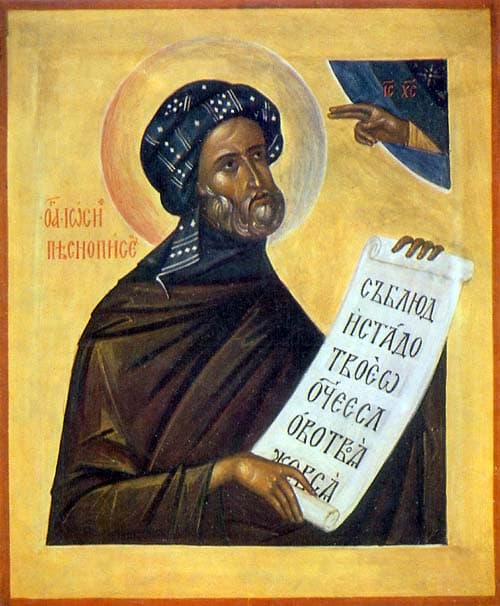
Joseph the Hymnographer
Joseph the Hymnographer was a ninth-century Greek monk, celebrated as one of the Eastern Orthodox Church's greatest liturgical poets and hymnographers. He is also remembered for his staunch confession of Orthodox faith against Iconoclasm. His prolific writings and monastic foundations left a significant mark on Byzantine liturgical tradition.
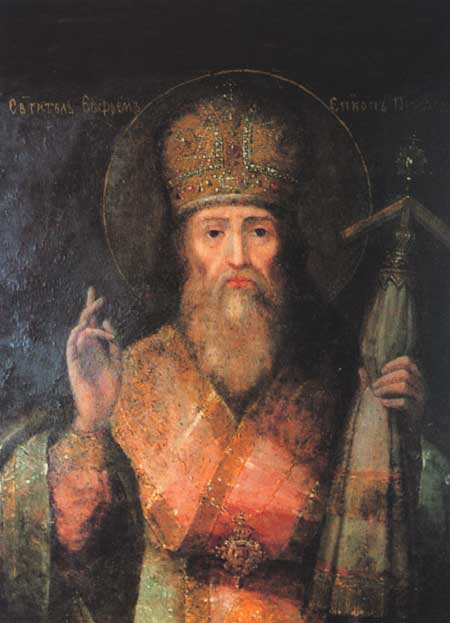
Ephraim of Pereyaslavl
Ephraim of Pereyaslavl was a bishop of Pereyaslavl in the Eastern Orthodox Church, venerated as a saint. He is remembered for his administrative skills before monasticism, his role in implementing the Studite monastic rule in Kiev, and for his extensive building projects in Pereyaslavl, including churches, public buildings, and infrastructure for the poor.
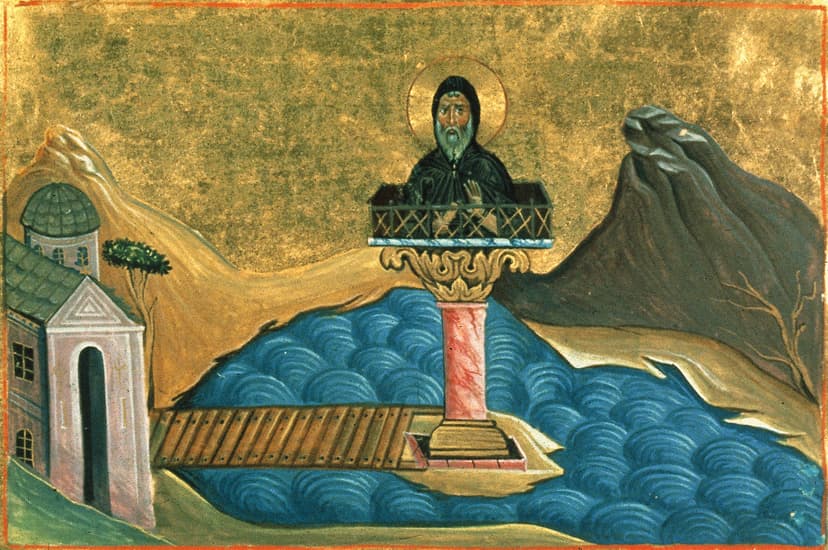
Luke the Stylite
Venerable Luke the Stylite was a 10th-century Byzantine monk and ascetic who lived in Constantinople and its environs. After a military career, he dedicated himself to a life of prayer and penance, most notably living atop a pillar for 45 years. He is remembered for his extreme asceticism and pursuit of sanctity.