
Ephraim of Pereyaslavl
Ephraim of Pereyaslavl was a bishop of Pereyaslavl in the Eastern Orthodox Church, venerated as a saint. He is remembered for his administrative skills before monasticism, his role in implementing the Studite monastic rule in Kiev, and for his extensive building projects in Pereyaslavl, including churches, public buildings, and infrastructure for the poor.
Key Facts
- ›Ephraim served as treasurer and steward at the court of Grand Prince Iziaslav Yaroslavich before becoming a monk.
- ›He was tonsured a monk at the Kiev Pechersk Lavra on March 23 by Nikon.
- ›Ephraim journeyed to Constantinople and brought a copy of the Studite monastic rule back to Kiev.
- ›He was made bishop of Pereyaslavl with the title of metropolitan after 1072.
- ›He commissioned the construction of numerous churches, public buildings, and amenities for the poor in Pereyaslavl.
- ›Ephraim participated in the solemn transfer of the relics of Theodosius in 1091.
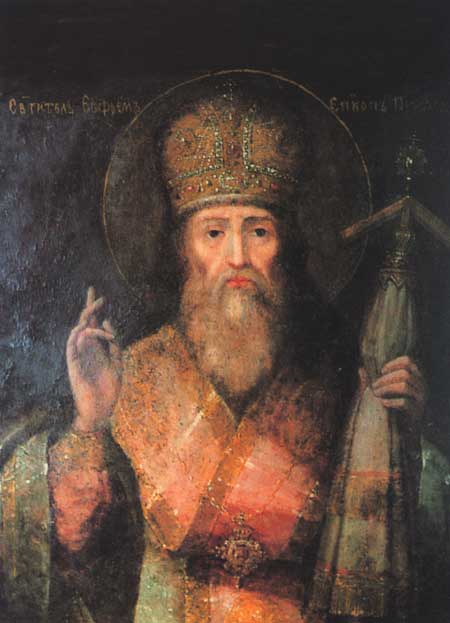
Ephraim II of Pereyaslav, Ephraim of the Caves
About Ephraim of Pereyaslavl
Ephraim of Pereyaslavl, also known as Ephraim II of Pereyaslav or Ephraim of the Caves, was a prominent bishop and saint venerated in the Eastern Orthodox Church. His life, which concluded between 1091 and 1101, saw him transition from a high-ranking court official to a dedicated monastic and influential church leader.
Life and Historical Context
Believed to be of Greek descent, Ephraim's early career involved significant administrative responsibilities. Between 1054 and 1068, he served as treasurer and steward of household affairs for Grand Prince Iziaslav Yaroslavich. Discontent with this worldly life, he sought monasticism and was tonsured at the Kiev Pechersk Lavra on March 23 by Nikon, the hegumen at the time. His departure caused considerable consternation, with Iziaslav threatening to close the monastery, though he eventually relented.
Ephraim later embarked on a pilgrimage to Constantinople, where he resided in a monastery. During his time there, he acquired a copy of the Studite monastic rule. Upon his return to Kiev, at the behest of Theodosius of Kiev, he presented this rule, which was subsequently implemented in the Kiev Pechersk Lavra, becoming the standard for many Russian monasteries.
Ministry and Legacy
After 1072, Ephraim was appointed bishop of Pereyaslavl, holding the title of metropolitan. His tenure was marked by extensive urban development and philanthropic endeavors. He commissioned the construction of numerous churches and public buildings, enhancing the city's infrastructure. Notably, he ordered the erection of stone walls around Pereyaslavl in the Greek style, and established free hospices for the poor and travelers, alongside public bath-houses, demonstrating a deep concern for the welfare of his flock.
Ephraim also played a role in significant religious events, participating in the solemn opening and transfer of the relics of St. Theodosius in 1091. While a specific Life of St. Ephraim has not survived, accounts of his life and contributions are preserved in the Life of St. Theodosius and various Russian chronicles. A tale and encomium for Nicholas the Wonderworker is also attributed to him.
Veneration
Ephraim of Pereyaslavl is venerated as a saint in the Eastern Orthodox Church. He was buried in the Church of the Presentation in the Near Caves of the Kiev Pechersk Lavra. His memory is observed on several feast days, including January 28, September 28, and on the second Sunday of Great Lent.
Source: Wikipedia ↗
Frequently Asked Questions
When did Ephraim of Pereyaslavl live?
Ephraim of Pereyaslavl died between 1091 and 1101, with records specifically mentioning his death in 1098. His period of activity falls within the 11th century.
What was Ephraim's role before becoming a monk?
Before his tonsure into monasticism, Ephraim served as the treasurer and steward of household affairs at the court of Grand Prince Iziaslav Yaroslavich from 1054 to 1068.
What was Ephraim's contribution to monastic life?
Ephraim journeyed to Constantinople, where he obtained a copy of the Studite monastic rule. He brought this rule back to Kiev at the request of Theodosius of Kiev, leading to its implementation in the Kiev Pechersk Lavra and its subsequent prevalence in Russian monasteries.
What significant construction projects did Ephraim undertake?
As bishop of Pereyaslavl, Ephraim adorned the city with many churches and public buildings. He also built stone walls around the city in the Greek manner, established free hospices for the poor and travelers, and constructed several public bath-houses.
Where are Ephraim's relics located?
Ephraim of Pereyaslavl was buried in the Church of the Presentation in the Near Caves of the Kiev Pechersk Lavra. His memory is also commemorated on several feast days, including January 28 and September 28.
Related Saints
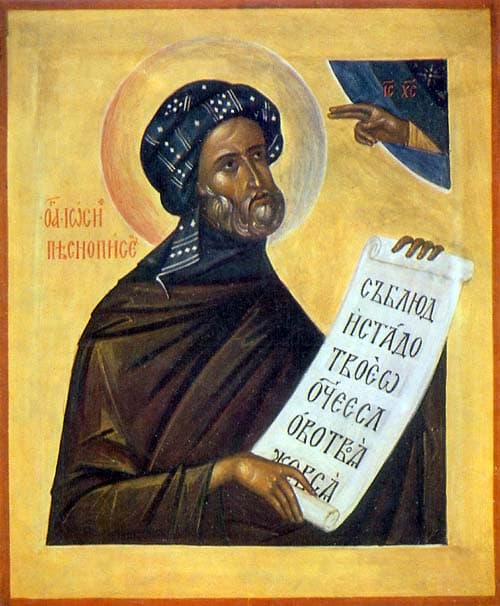
Joseph the Hymnographer
Joseph the Hymnographer was a ninth-century Greek monk, celebrated as one of the Eastern Orthodox Church's greatest liturgical poets and hymnographers. He is also remembered for his staunch confession of Orthodox faith against Iconoclasm. His prolific writings and monastic foundations left a significant mark on Byzantine liturgical tradition.
Symeon the Studite
Symeon the Studite was an influential lay monk at the Monastery of Stoudios in 10th-century Constantinople, serving as the spiritual father to Symeon the New Theologian. He is remembered for his practical teachings on the spiritual life, documented in forty chapters attributed to him, and for being revered as a saint by his prominent disciple, which caused controversy among church officials. Some contemporary accounts also described him as a Holy Fool.
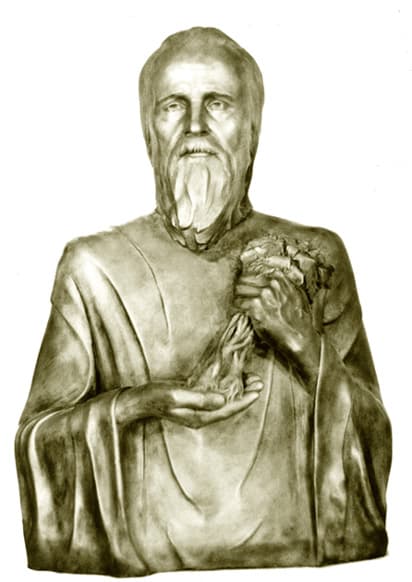
Agapetus of Pechersk
Agapetus of Pechersk was an Orthodox Christian saint, doctor, and monk venerated at the Kiev Pechersk Lavra. He is chiefly remembered for providing free medical services to the poor and for his healing of Grand Prince Vladimir II Monomakh.