
Agapetus of Pechersk
June 14·11th century·Ukraine
Agapetus of Pechersk was an Orthodox Christian saint, doctor, and monk venerated at the Kiev Pechersk Lavra. He is chiefly remembered for providing free medical services to the poor and for his healing of Grand Prince Vladimir II Monomakh.
Key Facts
- ›He was born in Kiev and admitted to monastic vows by Saint Anthony of Kiev.
- ›Agapetus provided free medical care to impoverished individuals.
- ›He is credited with healing Grand Prince Vladimir II Monomakh.
- ›His relics are housed in the near Caves of Kiev Pechersk Lavra.
- ›Several churches in Ukraine and Russia are named in his honor.
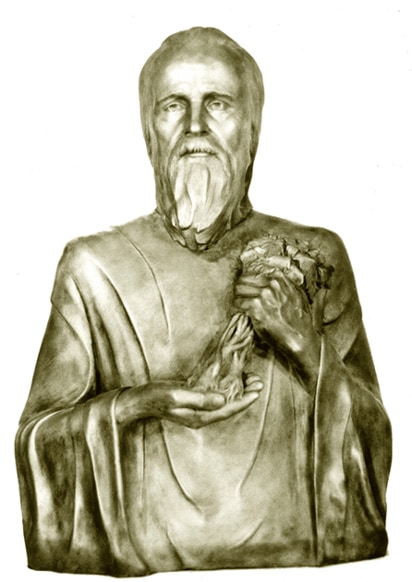
Agapetus of the Kiev Caves
Monk, Doctor, Missionary
Doctors, Healers, the Sick
Medical Instruments
About Agapetus of Pechersk
Agapetus of Pechersk, also known as Agapetus of the Kiev Caves, was an Orthodox Christian saint, monk, and doctor who lived in the 11th century. He was born in Kiev and became a monk at the Kiev Pechersk Lavra, having been taught and admitted to monastic vows by Saint Anthony of Kiev. His life and ministry are primarily remembered for his profound acts of charity and his skill in healing.
Life and Ministry
Agapetus famously dedicated himself to providing free medical services to the poor, a significant act of compassion for his time. His healing abilities were not limited to commoners; historical accounts also credit him with healing Grand Prince Vladimir II Monomakh. This suggests that his reputation extended to the highest levels of society, highlighting the effectiveness and perhaps miraculous nature of his medical interventions.
Veneration and Legacy
Agapetus died in 1095 and is venerated as a saint in Orthodox Christianity. His relics are preserved and venerated in the Near Caves of the Kiev Pechersk Lavra. Several churches in Ukraine and Russia have been named in his honor, reflecting his enduring importance and devotion among believers. His feast day is observed on June 14 by Orthodox Churches, and on June 1 by Catholic Christians. He is recognized for his role as a healer and a compassionate servant of the poor, embodying the Christian ideals of mercy and selfless service.
Source: Wikipedia ↗
Frequently Asked Questions
Who was Agapetus of Pechersk?
Agapetus of Pechersk was an 11th-century Orthodox Christian monk and doctor. He was a member of the Kiev Pechersk Lavra and is recognized as a saint for his charitable work and healing abilities.
What is Agapetus of Pechersk remembered for?
He is best known for providing free medical care to the poor and for healing Grand Prince Vladimir II Monomakh. His selfless service and miraculous healings are central to his veneration.
Where are Agapetus of Pechersk's relics kept?
The relics of Saint Agapetus of Pechersk are preserved in the Near Caves of the Kiev Pechersk Lavra, a significant monastery in Ukraine.
When is the feast day of Saint Agapetus of Pechersk?
His feast day is observed by Orthodox Churches on June 14. Catholic Christians also observe his commemoration on June 1.
Was Agapetus of Pechersk a trained physician?
While referred to as a doctor, historical texts emphasize his role as a monk who used his healing gifts for the benefit of others. His medical expertise is often seen as divinely inspired.
Related Saints
Anthony of Kiev
Anthony of Kiev was a monk and the founder of the monastic tradition in Kievan Rus'. Alongside Theodosius of Kiev, he co-founded the Kiev Pechersk Lavra, a significant monastic center. He is remembered for his strict asceticism and his role in establishing monasticism in the region.
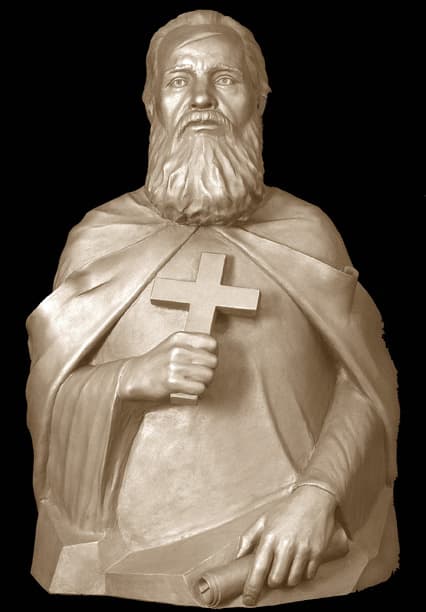
Barlaam of Kiev
Barlaam of Kiev was the first abbot of the Kiev Pechersk Lavra, serving alongside St. Anthony of Kiev. He is remembered for founding a church and making pilgrimages to the Holy Land and Constantinople. He is venerated as a saint in the Eastern Orthodox Church.
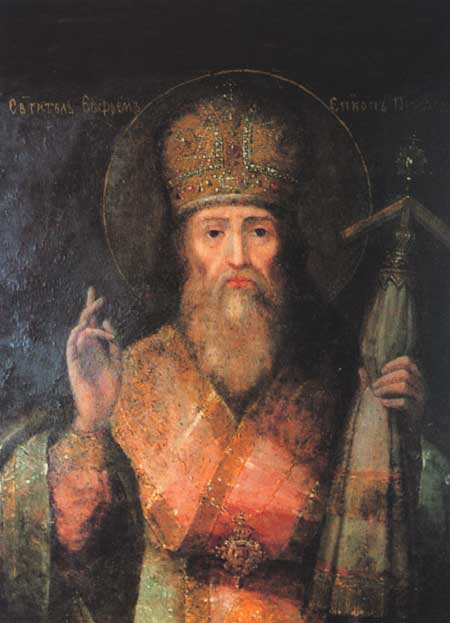
Ephraim of Pereyaslavl
Ephraim of Pereyaslavl was a bishop of Pereyaslavl in the Eastern Orthodox Church, venerated as a saint. He is remembered for his administrative skills before monasticism, his role in implementing the Studite monastic rule in Kiev, and for his extensive building projects in Pereyaslavl, including churches, public buildings, and infrastructure for the poor.