
Haggai
Male·6th century BC·Jerusalem·Post-exilic Jewish community
Haggai was a Hebrew prophet active in Jerusalem around 520 BCE, during the period of the Second Temple's construction. He is recognized as one of the twelve minor prophets in the Hebrew Bible and is credited with inspiring the Jews to resume rebuilding the Temple after it had been halted. He is considered the first of the post-exilic prophets who emerged after the Babylonian Exile.
Key Facts
- ›Prophesied in 520 BCE, urging the Jews to rebuild the Second Temple in Jerusalem.
- ›Considered one of the twelve minor prophets in the Hebrew Bible.
- ›Active during the Neo-Babylonian Exile period, after the return from captivity in Babylon.
- ›Supported Zerubbabel, the governor of Judah, and Joshua, the High Priest, in their efforts to rebuild the Temple.
- ›His prophecies are recorded in the Book of Haggai, which contains four messages delivered between August 29 and December 18, 520 BCE.
- ›Associated with the restoration of the Davidic Kingdom and an end to Jewish idol worship.
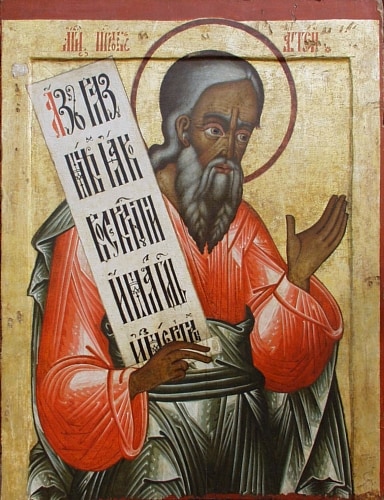
Book of Haggai
Aggeus, Aggaeus
Zechariah, Malachi, Zerubbabel, Joshua the High Priest, Ezra, Nehemiah
Saint, Prophet
Prophet, Minor Prophet
About Haggai
Haggai, whose name means "my holidays," was a significant Hebrew prophet active in Jerusalem around 520 BCE. He is recognized as one of the twelve minor prophets within the Hebrew Bible and is credited as the author or subject of the Book of Haggai. His prophetic ministry coincided with the crucial period of rebuilding the Second Temple following the Babylonian Exile.
Life and Ministry
Scarcely any personal details about Haggai's life are recorded. The Book of Haggai itself provides no biographical information regarding his ancestry or life outside of his prophecies from 520 BCE. He is mentioned in the Book of Ezra, and some scholars suggest he may have been an older man who witnessed the glory of the First Temple before its destruction. Haggai began his prophetic work approximately sixteen years after the return of the Jews to Judah, when the Temple's reconstruction had been halted for eighteen years due to opposition, notably from the Samaritans.
Prophecies and the Second Temple
Haggai delivered four distinct messages in Jerusalem during late 520 BCE, all centered on the necessity of completing the Second Temple. These prophecies, delivered between August 29 and December 18 of that year, aimed to rouse the people from their lethargy. He assured them that the new Temple would surpass the former in glory and warned that continued neglect would lead to national afflictions such as poverty, famine, and drought. The work of rebuilding was resumed through the combined efforts of Haggai and his contemporary, Zechariah, who successfully encouraged the people to act upon a favorable shift in Persian policy under Darius I.
Associations and Influence
Haggai actively supported the prominent officials of his time, specifically Zerubbabel, the governor of Judah, and Joshua, the High Priest. In the Book of Haggai, God refers to Zerubbabel with high honor, implying a potential restoration of the Davidic kingdom under his leadership. Haggai's message also carried political undertones, as he perceived the weakening Persian Empire as an opportunity for the restoration of Jewish self-governance and the end of idol worship. His prophecies were directed towards the nobility and Zerubbabel, envisioning him as the first restored Davidic monarch.
Later Tradition and Legacy
In rabbinic literature, Haggai is often associated with the Men of the Great Assembly. Tradition attributes to him teachings on matters of levirate marriage, the separation of produce tithes during the Sabbatical year, and the acceptance of proselytes. In the Eastern Orthodox Church, Haggai is commemorated as a saint and prophet, with a feast day on December 16. He is also recognized in the Armenian Apostolic Church. Within Freemasonry, Haggai is a significant figure in the Holy Royal Arch degree, appearing alongside Zerubbabel and Joshua.
Haggai's primary legacy lies in his role in galvanizing the Jewish community to complete the Second Temple, a structure central to their religious and national identity in the post-exilic period. His prophecies provided both encouragement and a spiritual imperative for this monumental task.
Source: Wikipedia ↗
Frequently Asked Questions
What is Haggai known for?
Haggai is primarily known for his prophecies in 520 BCE, which commanded the Jews to rebuild the Second Temple in Jerusalem. He played a significant role in inspiring the resumption of this crucial construction project.
When was Haggai active?
Haggai was active in the year 520 BCE, during the period when the Second Temple was being built in Jerusalem. This was after the return of the Jews from their captivity in Babylon.
Who were Haggai's contemporaries?
Haggai was a contemporary of the prophet Zechariah, and he is considered the first of the post-exilic prophets, followed by Zechariah and then Malachi about a century later.
What is the Book of Haggai about?
The Book of Haggai contains the prophecies attributed to Haggai, detailing his messages to the people of Judah. These messages focused on the urgency of rebuilding the Temple and warned of consequences like poverty and famine if the work was neglected.
What was Haggai's role in relation to Zerubbabel and Joshua?
Haggai supported Zerubbabel, the governor of Judah, and Joshua, the High Priest. He conveyed divine messages concerning them, suggesting Zerubbabel would preside over a restored Davidic kingdom.
What does Haggai's name mean?
Haggai's name means 'my holidays' in Hebrew. He is also sometimes referred to by the Greek name Aggeus and the Latin name Aggaeus.
What is Haggai's significance in Jewish tradition?
In Jewish tradition, Haggai is often referred to as one of the men of the Great Assembly and is credited with specific teachings on matters of law and proselytism.
Related Prophets
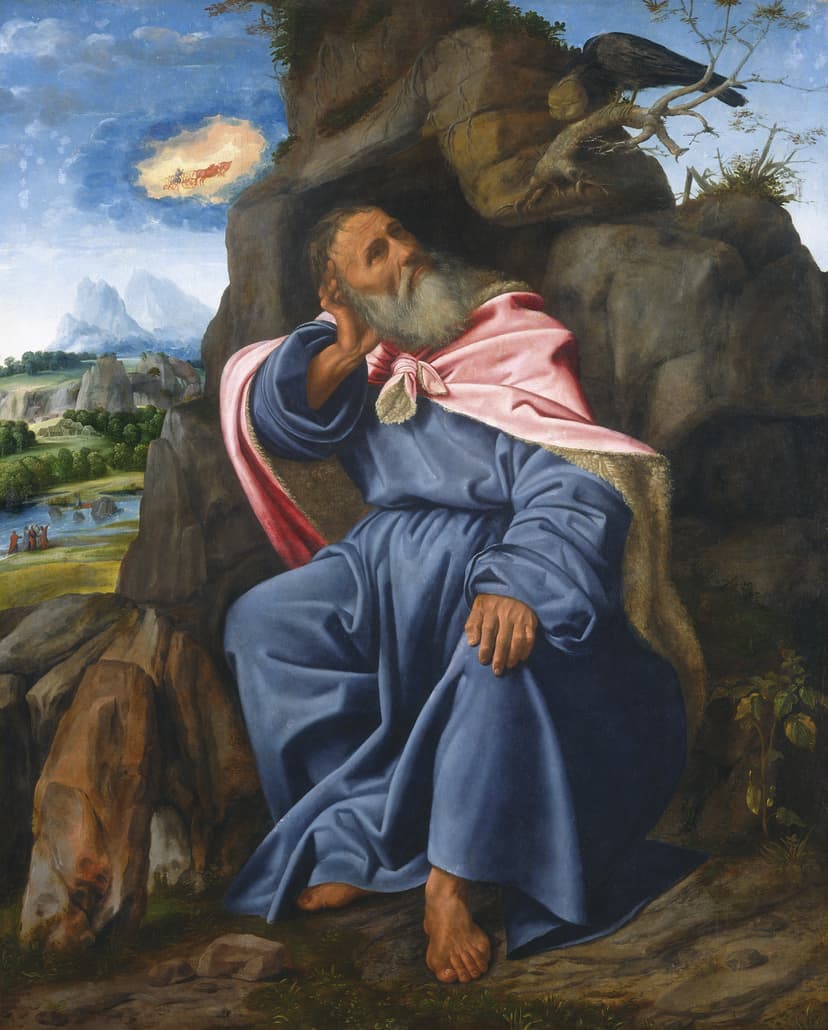
Elijah
Elijah was a prophet and miracle worker in the northern Kingdom of Israel during the 9th century BC, known for defending the worship of Yahweh against the Canaanite deity Baal. He is credited with numerous miracles, including raising the dead and ascending to heaven alive, and is prophesied to return as a harbinger of the Messiah. Elijah's life and teachings significantly influenced Judaism, Christianity, and Islam, and he is venerated in various customs and texts across these traditions.
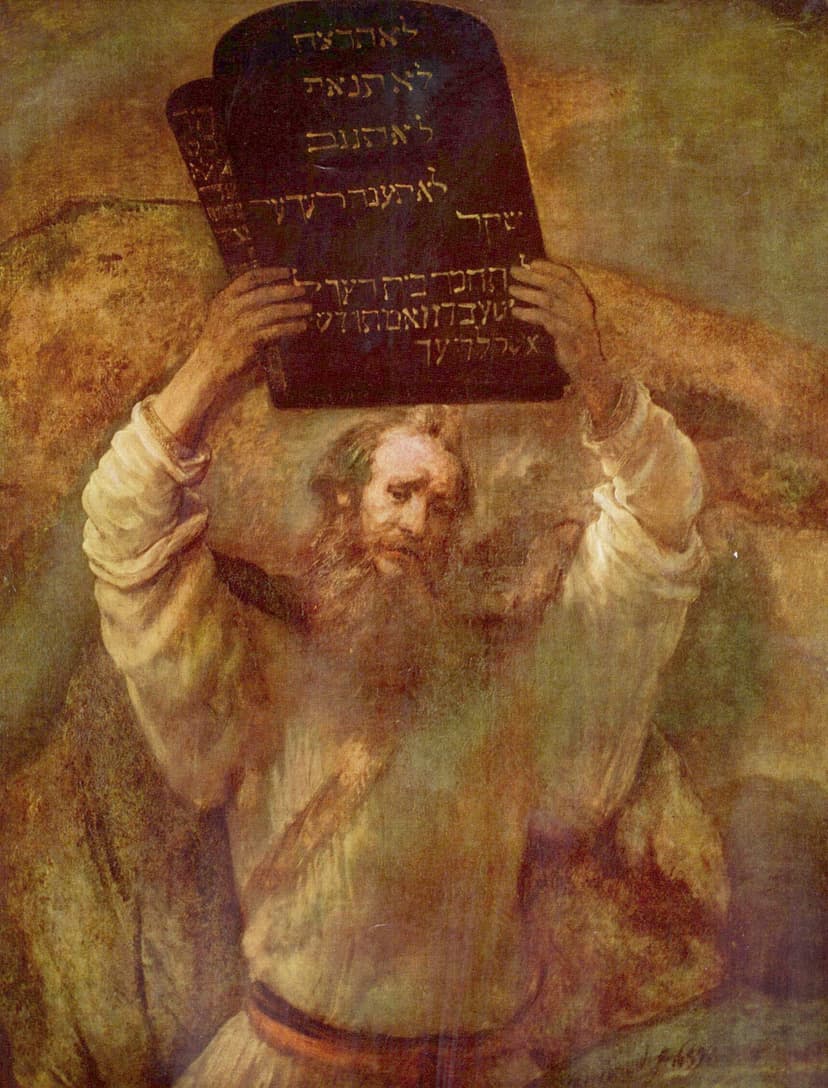
Moses
Moses is the central figure of the Exodus narrative in Abrahamic religions, revered as the prophet who led the Israelites out of slavery in Egypt. He is most significantly known for receiving the Ten Commandments and the Mosaic Law from God, which form the foundation of Jewish tradition. While considered legendary by many scholars, Moses remains a pivotal figure in Judaism, Christianity, Islam, and other faiths.
Jehu
Jehu was the tenth king of the northern Kingdom of Israel, reigning for 28 years. He is primarily known for his violent purge of the house of Ahab, an act of divine judgment that secured his dynasty's rule for four generations. His reign was marked by conflict with the Arameans and a submission to Assyrian tribute.