
Zechariah (son of Berechiah)
Male·6th century BC·Ancient Israel·Levitical priest
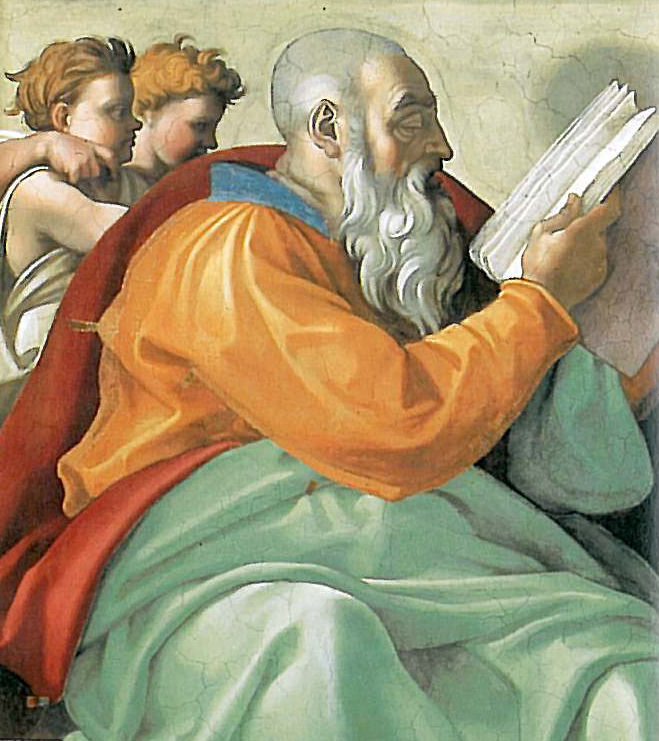
Zechariah (son of Berechiah) is traditionally identified as the author of the Book of Zechariah, the eleventh of the Twelve Minor Prophets in the Hebrew Bible. His prophetic career likely began around 520 BCE during the reign of Darius the Great, with a primary focus on encouraging the rebuilding of the Second Temple in Jerusalem. He is distinguished from other biblical figures named Zechariah and Iddo, with his lineage debated but often presented as son of Berechiah and grandson of Iddo.
Key Facts
- ›Traditionally identified as the author of the Book of Zechariah.
- ›Depicted as the son of Berechiah and grandson of Iddo in Zechariah 1:1.
- ›His prophetic career likely commenced in 520 BCE, the second regnal year of Darius the Great.
- ›His primary concern was the rebuilding of the Second Temple.
- ›Appears in chapters 1-8 of the Book of Zechariah, but not in chapters 9-14.
- ›His name means "Yah remembers".
Book of Zechariah
Zacharias
Berechiah, Iddo, Darius the Great, Zerubbabel, Joshua
Prophet, Saint
Prophet
About Zechariah (son of Berechiah)
Zechariah (son of Berechiah), known in Latin as Zacharias, is a significant figure in the Hebrew Bible, traditionally recognized as the prophet who authored the Book of Zechariah, the eleventh of the Twelve Minor Prophets. His prophetic ministry is believed to have commenced around 520 BCE, during the reign of Darius the Great of the Achaemenid Empire. The historical context of his prophecy was the post-exilic period, with a strong emphasis on the rebuilding of the Second Temple in Jerusalem.
Life and Ministry
The Book of Zechariah itself, specifically in the first chapter, identifies the prophet as the son of Berechiah and the grandson of Iddo. However, other biblical texts, such as the Book of Ezra and the Gospel of Matthew, refer to him as the son of Iddo. Scholars suggest that Berechiah was likely his father and Iddo his grandfather, aligning with biblical naming conventions where 'son' could denote a more distant ancestor. Zechariah is also identified as a Levitical priest by the Book of Nehemiah. His ministry appears to have been primarily focused on encouraging the completion of the Second Temple, a central concern during his active period.
Prophetic Focus
Zechariah's prophecies, as found in chapters 1 through 8 of his book, are deeply concerned with the restoration and future of Jerusalem and its Temple. While he is the eponymous prophet of the Book of Zechariah, he does not appear in the latter chapters (9–14) of the same work, suggesting a potential difference in authorship or compilation for those sections.
Veneration
Zechariah is commemorated in various Christian traditions. The Eastern Orthodox Church observes his feast day on February 8th. The Armenian Apostolic Church marks his commemoration on the Tuesday after the fifth Sunday of Pentecost and also on July 31st alongside other Minor Prophets. The Catholic Church honors him with a feast day on September 6th. His name, Zechariah, signifies "Yah remembers," a fitting testament to his role in the religious history of ancient Israel.
Source: Wikipedia ↗
Frequently Asked Questions
Who was Zechariah (son of Berechiah)?
Zechariah (son of Berechiah) is a figure from the Hebrew Bible, traditionally considered the prophet who authored the Book of Zechariah. He is one of the Twelve Minor Prophets.
When was Zechariah active?
Zechariah's prophetic career likely began in 520 BCE, during the reign of Darius the Great of the Achaemenid Empire. This period was significant for the rebuilding of the Second Temple.
What was Zechariah's main message or concern?
Zechariah's greatest concern appears to have been the rebuilding of the Second Temple in Jerusalem. His prophecies from this era likely served to encourage the people in this endeavor.
What is the Book of Zechariah?
The Book of Zechariah is the eleventh book among the Twelve Minor Prophets in the Hebrew Bible. It is traditionally attributed to the prophet Zechariah (son of Berechiah).
Is Zechariah (son of Berechiah) the same person as other Zechariahs in the Bible?
No, he is distinct from other figures named Zechariah or Iddo mentioned in the Bible. For instance, he is differentiated from Iddo the Seer who lived much earlier and from Zechariah, the father of John the Baptist.
Where does Zechariah appear in his own book?
Zechariah is featured in the first eight chapters of the Book of Zechariah. He is not present in the latter chapters, 9 through 14, of the same book.
Related Prophets
Jeremiah
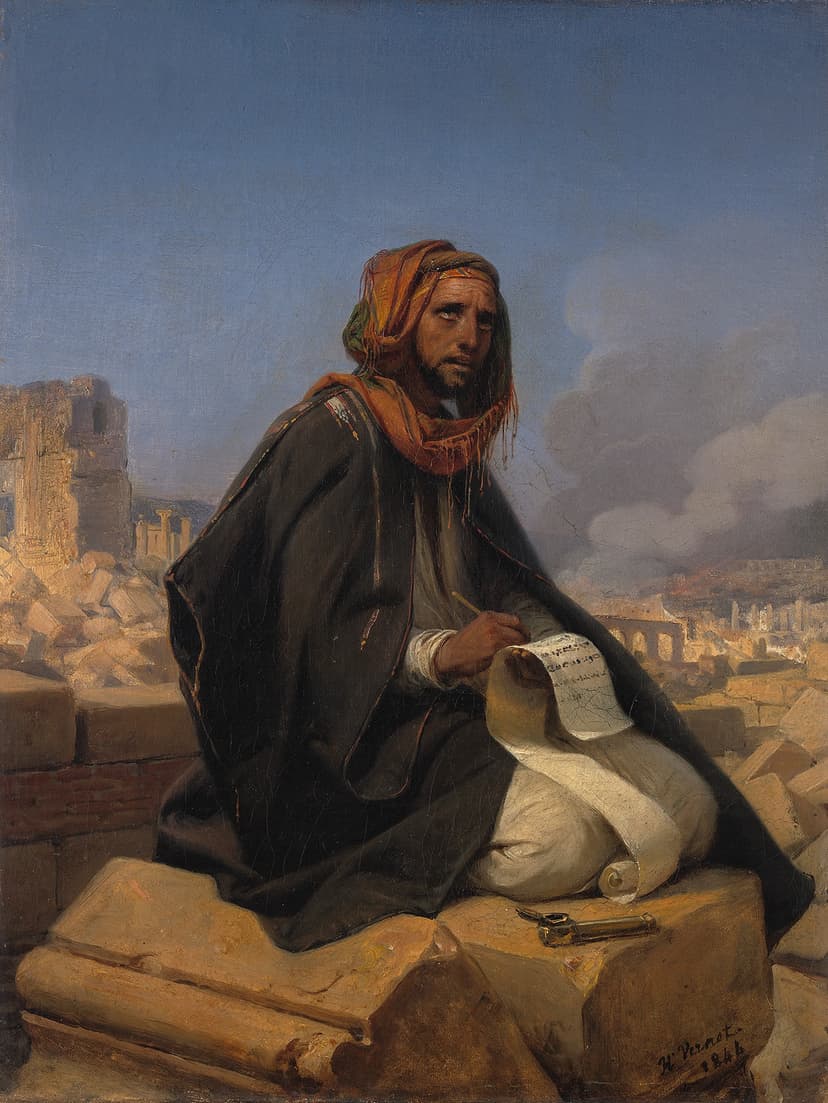
Jeremiah, also known as Jeremias or Jeremy, was a major prophet in the Hebrew Bible active in the late 7th and early 6th centuries BC. Born into a priestly family, he was called to prophesy the impending destruction of Jerusalem and the Kingdom of Judah due to idolatry and social injustice. His ministry was marked by significant persecution, but his prophecies are central to Judaism, Christianity, and Islam.
Ezekiel
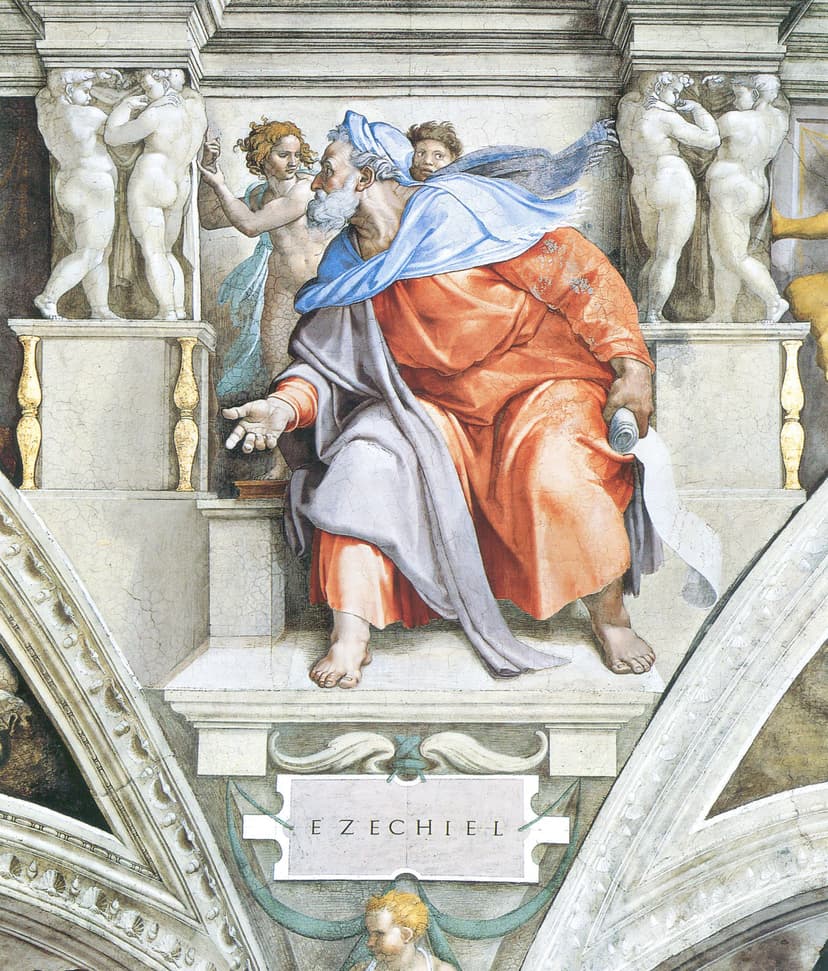
Ezekiel was an Israelite priest and prophet, known for his prophetic visions and acts recorded in the Book of Ezekiel. He prophesied the destruction of Jerusalem and the Babylonian captivity, but also foretold the eventual restoration of the Jewish people to the Land of Israel. He is recognized as a prophet in Abrahamic religions and is venerated in Jewish, Christian, and Islamic traditions.

Aaron
Aaron was an Israelite prophet and the elder brother of Moses, primarily known as the first High Priest of the Israelites. His role as spokesman for Moses to the Pharaoh and his establishment of the priesthood are central to his narrative. Aaron's lineage is considered the origin of the Levitical priesthood (kohanim) in Judaism.