
Aaron
Male·1st Millennium BCE·Ancient Israel·Levites
Aaron was an Israelite prophet and the elder brother of Moses, primarily known as the first High Priest of the Israelites. His role as spokesman for Moses to the Pharaoh and his establishment of the priesthood are central to his narrative. Aaron's lineage is considered the origin of the Levitical priesthood (kohanim) in Judaism.
Key Facts
- ›Served as Moses' spokesman to the Pharaoh during the enslavement of the Israelites.
- ›Appointed as the first High Priest of the Israelites by divine command.
- ›His male descendants are traditionally considered the lineage of all Levitical priests (kohanim).
- ›Involved in the incident of the golden calf, though later traditions often excuse his role.
- ›His rod miraculously budded and blossomed to signify God's validation of his priesthood.
- ›Died at 123 years of age on Mount Hor, according to the Book of Numbers.

Torah
Spokesman, High Priesthood
Harun (Arabic)
Moses, Miriam, Elisheba, Nadab, Abihu, Eleazar, Ithamar
Prophet, High Priest, Saint
Prophet, High Priest, Biblical Figure
About Aaron
Aaron was a pivotal figure in ancient Israelite religious history, revered as a prophet, the elder brother of Moses, and the first High Priest. His narrative, primarily found in the Hebrew Bible, is central to the establishment of Israelite priesthood and worship.
Life and Historical Context
According to biblical accounts, Aaron, along with his sister Miriam, remained with their kin in Egypt while Moses grew up in the Pharaoh's court. When Moses was tasked with leading the Israelites out of slavery, Aaron served as his spokesman, communicating God's demands to the Pharaoh. Unlike Moses, who was divinely appointed to deliver the Law, Aaron was designated by God to hold the priesthood for himself and his male descendants. This established the lineage of the kohanim, the hereditary priests in Judaism.
Major Contributions and Significance
Aaron's primary role was as the first High Priest, responsible for performing sacrifices and rituals in the Tabernacle and later the Temple. He and his sons were consecrated for this sacred duty, and their lineage was granted exclusive rights to serve at the altar. He also played a role in upholding the Law and teaching it to the Israelites, as well as blessing the people. His rod, which miraculously budded and bore almonds, served as a divine sign validating his priesthood.
Key Events and Relationships
Aaron was closely involved in significant events during the Israelites' wilderness wanderings. He was instrumental in bringing about several of the plagues upon Egypt. A notable incident involved the creation of the golden calf during Moses' prolonged absence on Mount Sinai, an event that, while leading to divine judgment, is often reinterpreted in later traditions to mitigate Aaron's culpability. He also faced challenges to his priestly authority, notably from Korah, which were resolved through divine intervention. The Gospel of Luke mentions that Zechariah and Elizabeth, and thus their son John the Baptist, were descendants of Aaron, linking him to the lineage of Jesus in Christian tradition.
Death and Legacy
Aaron died at the age of 123 on Mount Hor, after Moses was forbidden to enter the Promised Land due to striking the rock instead of speaking to it. His death marked the formal transfer of the high priesthood to his son Eleazar. Aaron's legacy is enduring; his name is synonymous with the priesthood in Judaism, and his role as a prophet and a key figure in the Exodus story is recognized in Christianity and Islam. He is often portrayed in art with priestly vestments, symbolizing his sacred office.
Source: Wikipedia ↗
Frequently Asked Questions
Who was Aaron's brother?
Aaron's younger brother was Moses, who was also a prophet and the primary mediator of the Law to the Israelites. They are often depicted together as leaders of the Israelites.
What was Aaron's role in the Exodus story?
Aaron served as Moses' spokesman to Pharaoh and assisted in bringing about the plagues. He was later consecrated as the first High Priest, responsible for offerings and rituals in the Tabernacle.
What is the significance of Aaron's rod?
Aaron's rod is significant because it miraculously budded and blossomed overnight, signifying God's chosenness of him and his lineage for the priesthood. This event helped resolve challenges to his priestly authority.
What happened during the golden calf incident?
While Moses was on Mount Sinai, the Israelites demanded Aaron make a golden calf for them to worship. This act led to divine judgment, though Aaron himself was later excused in some traditions due to Moses' intercession or threat.
How is Aaron viewed in Islam?
In Islam, Aaron (Harun) is recognized as a prophet of God and a 'believing servant' who guided his people. The Quran attributes the creation of the golden calf to another individual and emphasizes Aaron's role in preaching alongside Moses.
Related Prophets
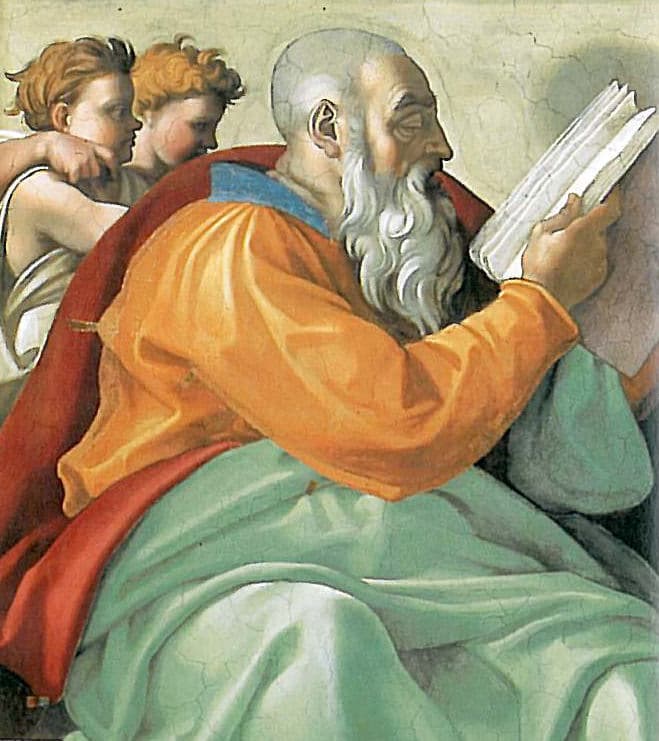
Zechariah (son of Berechiah)
Zechariah (son of Berechiah) is traditionally identified as the author of the Book of Zechariah, the eleventh of the Twelve Minor Prophets in the Hebrew Bible. His prophetic career likely began around 520 BCE during the reign of Darius the Great, with a primary focus on encouraging the rebuilding of the Second Temple in Jerusalem. He is distinguished from other biblical figures named Zechariah and Iddo, with his lineage debated but often presented as son of Berechiah and grandson of Iddo.
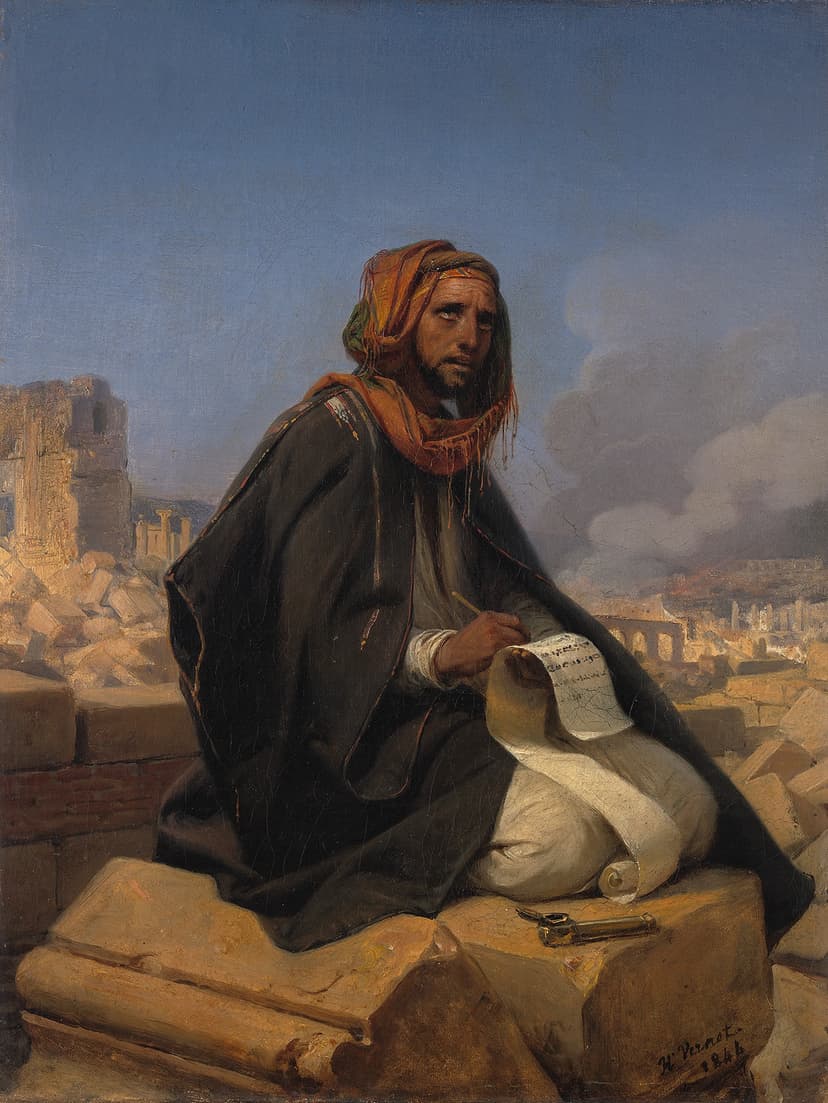
Jeremiah
Jeremiah, also known as Jeremias or Jeremy, was a major prophet in the Hebrew Bible active in the late 7th and early 6th centuries BC. Born into a priestly family, he was called to prophesy the impending destruction of Jerusalem and the Kingdom of Judah due to idolatry and social injustice. His ministry was marked by significant persecution, but his prophecies are central to Judaism, Christianity, and Islam.
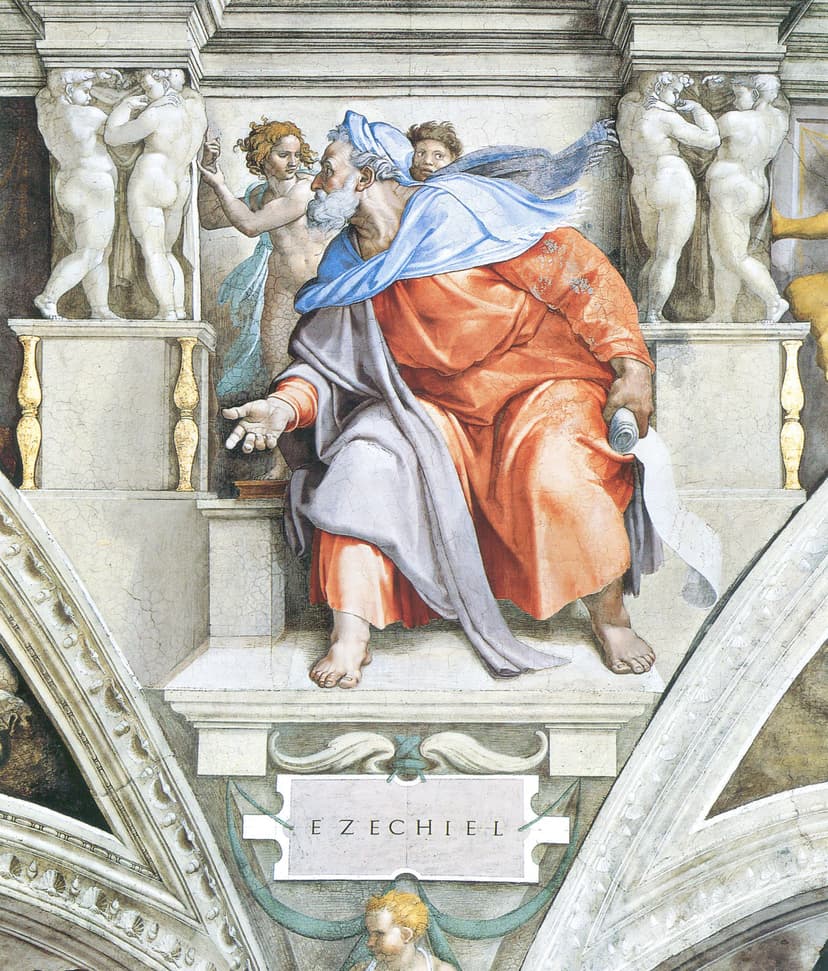
Ezekiel
Ezekiel was an Israelite priest and prophet, known for his prophetic visions and acts recorded in the Book of Ezekiel. He prophesied the destruction of Jerusalem and the Babylonian captivity, but also foretold the eventual restoration of the Jewish people to the Land of Israel. He is recognized as a prophet in Abrahamic religions and is venerated in Jewish, Christian, and Islamic traditions.