
Aaron
Aaron was an Israelite prophet and the first High Priest, elder brother to Moses. He served as Moses' spokesman to the Pharaoh during the Exodus and was divinely appointed as the progenitor of the Israelite priesthood. Aaron is remembered for his role in establishing the Levitical priesthood and for his interactions with Moses during the Israelites' journey in the wilderness.
Key Facts
- ›Aaron was the elder brother of Moses and his spokesman to the Pharaoh.
- ›He was appointed by God as the first High Priest of the Israelites.
- ›The priesthood was granted to him and his male descendants.
- ›He played a role in various events during the Israelites' wilderness wanderings, including the incident of the golden calf.
- ›Aaron died at 123 years of age on Mount Hor, according to the Book of Numbers.
- ›His descendants, the kohanim, are traditionally believed to be of direct patrilineal descent from him.

Harun (Arabic)
Priests, Aaronides
Flowering Rod, Censer, Miter, Jeweled Breastplate
About Aaron
Aaron was an Israelite prophet, high priest, and the elder brother of Moses, as described in the Old Testament of the Bible. His life and significance are primarily documented in religious texts like the Hebrew Bible, the New Testament, and the Quran. While Moses grew up in the Egyptian court, Aaron and his sister Miriam remained with their kinsmen in the Nile Delta. When Moses confronted the Pharaoh regarding the enslavement of the Israelites, Aaron served as his spokesperson.
Role as High Priest
A pivotal moment in Aaron's life was his appointment by God, through Moses, as the first High Priest of the Israelites. The Law given at Sinai granted the priesthood to Aaron and his male descendants, establishing the lineage of Levitical priests, or kohanim, who are traditionally believed to be of direct patrilineal descent from him. This position granted his family the exclusive right and responsibility to make offerings on the altar to Yahweh, with the rest of the Levite tribe assigned subordinate roles within the sanctuary. Aaron and his successors controlled the Urim and Thummim, used to determine the will of God, and were commissioned to distinguish the holy from the common, teach divine laws, and bless the people.
Biblical Narrative and Conflicts
Aaron initially served as Moses' assistant, appointed by God as Moses' 'prophet' due to Moses' perceived difficulty in speaking. He participated in early miracles, such as turning his rod into a snake and bringing on the first three plagues. During the Israelites' journey in the wilderness, Aaron supported Moses, especially at the battle with Amalek and during the revelation at Mount Sinai, where he and Hur remained below while Moses and Joshua ascended. His role shifted to that of the first high priest in later accounts.
Aaron played a significant role in several narratives of conflict. During Moses' prolonged absence on Mount Sinai, the people provoked Aaron to create a golden calf, an incident that nearly led to the destruction of the Israelites. Although Moses intervened and loyal Levites executed many culprits, Aaron escaped punishment due to Moses' intercession. Later, his oldest sons, Nadab and Abihu, were consumed by divine fire for offering 'strange' incense. Aaron and Miriam also complained about Moses' exclusive claim as the Lord's prophet, leading to Miriam's punishment with a skin disease, from which Aaron was spared.
A significant challenge to Aaron's priestly authority came from a Levite named Korah, who led a rebellion. When the rebels were punished, Aaron's son Eleazar was commissioned to take charge of the censers. Aaron then stood between the living and the dead with his censer to halt a plague, performing an act of atonement.
Death and Descendants
Aaron, like Moses, was not permitted to enter Canaan. Two accounts detail his death: Numbers states he died on Mount Hor at age 123 after Moses transferred his priestly garments to his son Eleazar. Deuteronomy places his death at Moserah. Aaron married Elisheba, and their sons were Nadab, Abihu, Eleazar, and Ithamar. Only Eleazar and Ithamar had progeny, continuing the priestly line. The Gospel of Luke notes that Zechariah, Elizabeth, and John the Baptist were descendants of Aaron.
Historicity and Veneration
Scholars like Thomas Römer suggest the Pentateuch reflects tensions between different groups in ancient Israel, including those aligned with Moses, Aaron, and the Levites. While some texts emphasize Moses' superiority, others elevate Aaron's status, indicating ongoing debates about their roles. Aaron is venerated across multiple religious traditions. In Jewish rabbinic literature, he is often portrayed as a figure of peace and love, contrasting with Moses' sternness, and his death is described with profound tranquility. In Christianity, he is commemorated as a saint, particularly in the Eastern Orthodox Church. In Islam, Aaron (Harun) is recognized as a prophet who preached with Moses (Musa) and is praised for his faith and guidance. The Aaronic priesthood is a significant concept in Mormonism and the Community of Christ, representing a lesser order of priesthood authority.
Source: Wikipedia ↗
Frequently Asked Questions
Who was Aaron in the Bible?
Aaron was an Israelite prophet, the elder brother of Moses, and the first High Priest. He is described in the Old Testament as Moses' spokesman and a key figure in the Exodus and the establishment of the Israelite priesthood.
What was Aaron's role as High Priest?
As the first High Priest, Aaron and his male descendants were granted the exclusive right and responsibility to make offerings on the altar to Yahweh. They were also commissioned to distinguish the holy from the common, teach divine laws, and bless the people.
What is Aaron remembered for regarding the golden calf?
According to the Book of Exodus, the people provoked Aaron to make a golden calf during Moses' prolonged absence on Mount Sinai. While Aaron escaped punishment for his role, later retellings often excuse him, with some traditions suggesting he was threatened by the Israelites.
How did Aaron die?
There are two accounts of Aaron's death. One states he died on Mount Hor at the age of 123 after Moses stripped him of his priestly garments and transferred them to his son Eleazar. Another account in Deuteronomy places his death and burial at Moserah.
What is the significance of Aaron in Islam?
In Islam, Aaron (Harun) is revered as a prophet of God. The Quran praises him and denies his role in creating the golden calf, attributing it to Samiri. He is significant for his role in preaching with Moses (Musa) and is considered a patriarch through whom priestly descent came.
Related Saints
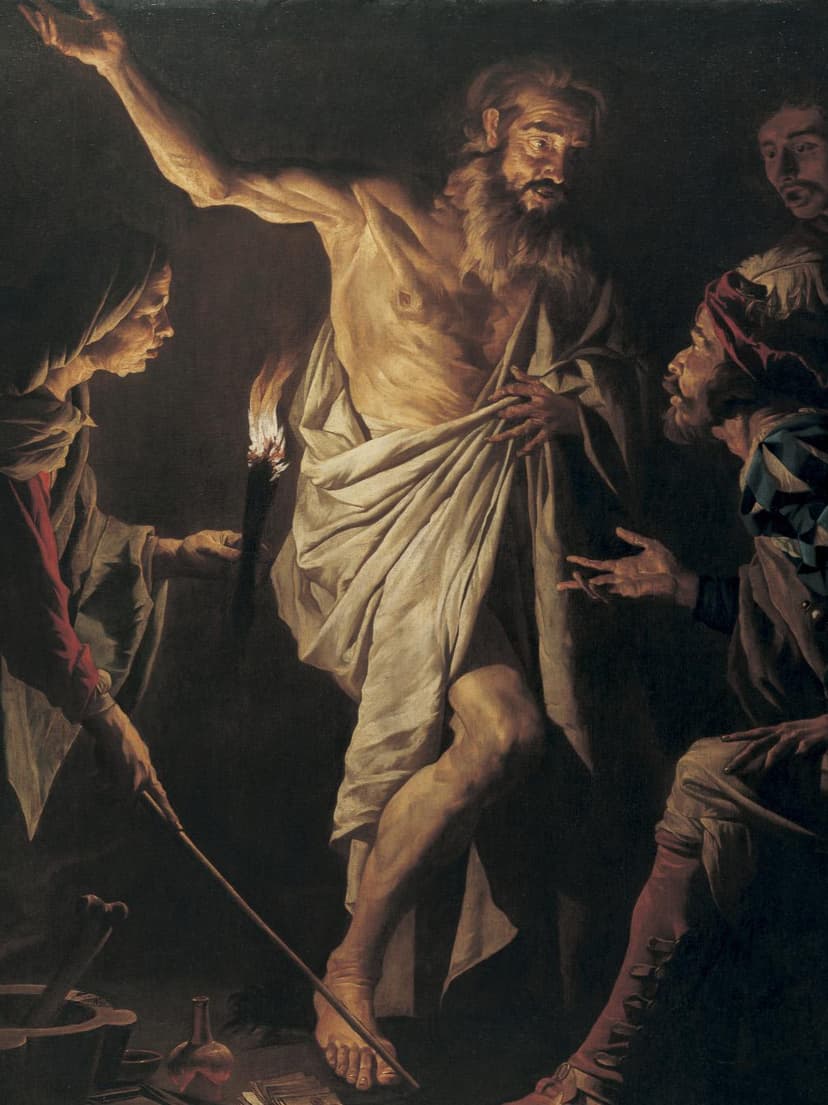
Samuel
Samuel was a pivotal figure in ancient Israel, venerated as a prophet, judge, and seer across Judaism, Christianity, and Islam. He is chiefly remembered for his role in the transition from the biblical judges to the Israelite monarchy, anointing both Saul and David as kings. His life and prophecies marked a significant spiritual and political turning point for the Israelites.
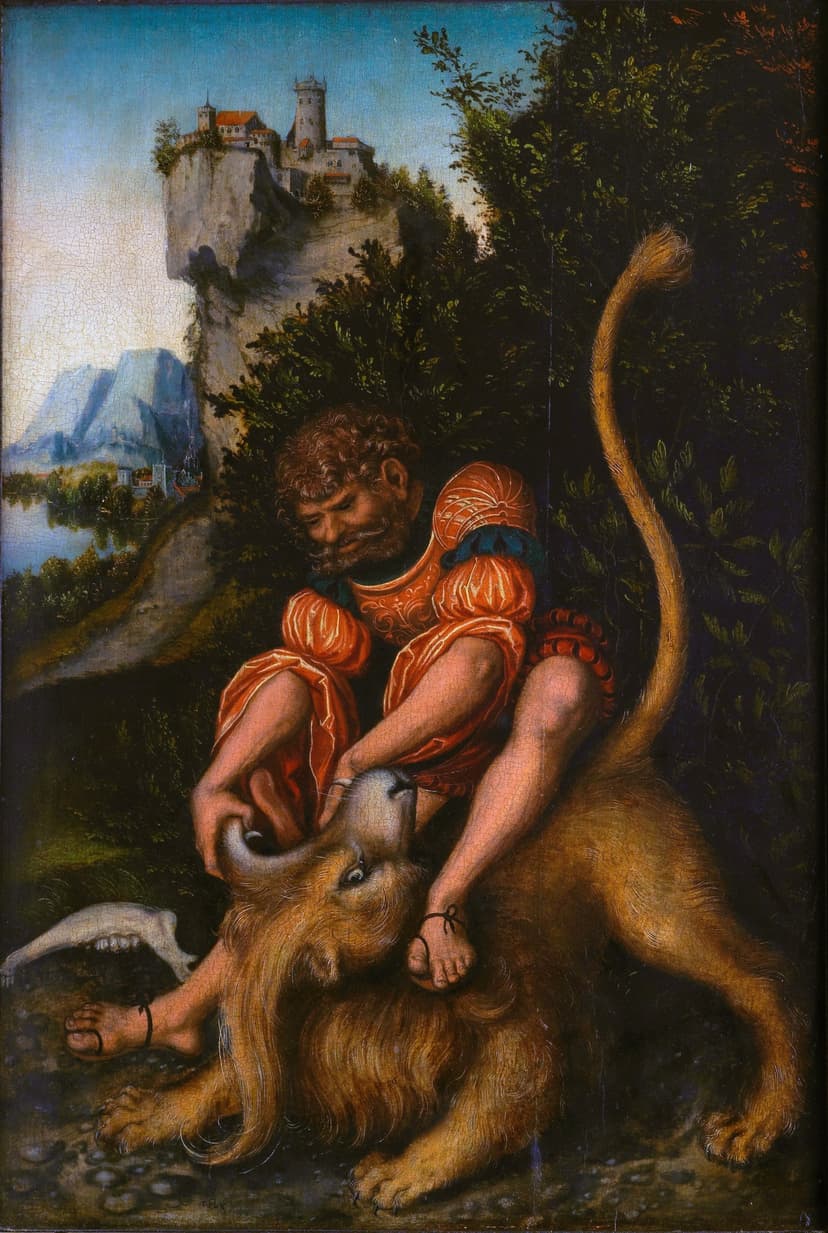
Samson
Samson was the last of the judges of ancient Israel, renowned for his extraordinary strength granted by God as a Nazirite. He is chiefly remembered for his epic battles against the Philistines, his betrayal by Delilah, and his final act of collapsing a Philistine temple, killing himself and his enemies. His story highlights themes of divine power, betrayal, and sacrifice.
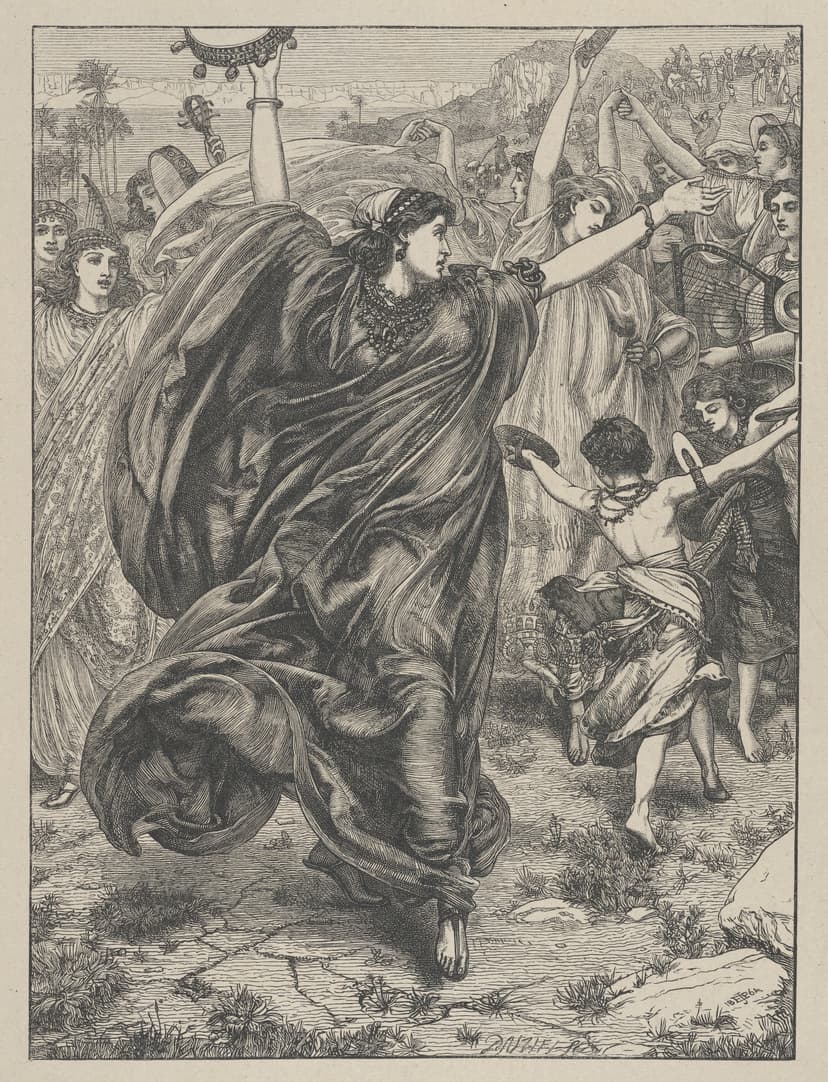
Miriam
Miriam was an ancient Israelite prophetess, sister to Moses and Aaron, and a key figure in the Exodus from Egypt. She is remembered for her role in leading the Israelites, particularly the women, and for her prophetic gifts. Her story highlights themes of divine authority, divine punishment, and enduring tradition.