
Miriam
Miriam was an ancient Israelite prophetess, sister to Moses and Aaron, and a key figure in the Exodus from Egypt. She is remembered for her role in leading the Israelites, particularly the women, and for her prophetic gifts. Her story highlights themes of divine authority, divine punishment, and enduring tradition.
Key Facts
- ›Miriam was the daughter of Amram and Jochebed, and the older sister of Moses and Aaron.
- ›She is described in the Hebrew Bible as a prophetess and is named as one of the seven major female prophets of Israel in the Talmud.
- ›Miriam is traditionally identified as the unnamed sister who watched over Moses as he floated in the Nile.
- ›She led the Israelites in the Song of the Sea after the destruction of the Egyptian army.
- ›Miriam and Aaron spoke against Moses, leading to Miriam contracting a temporary skin disease as divine punishment.
- ›She died in the desert of Tzin and was buried there.
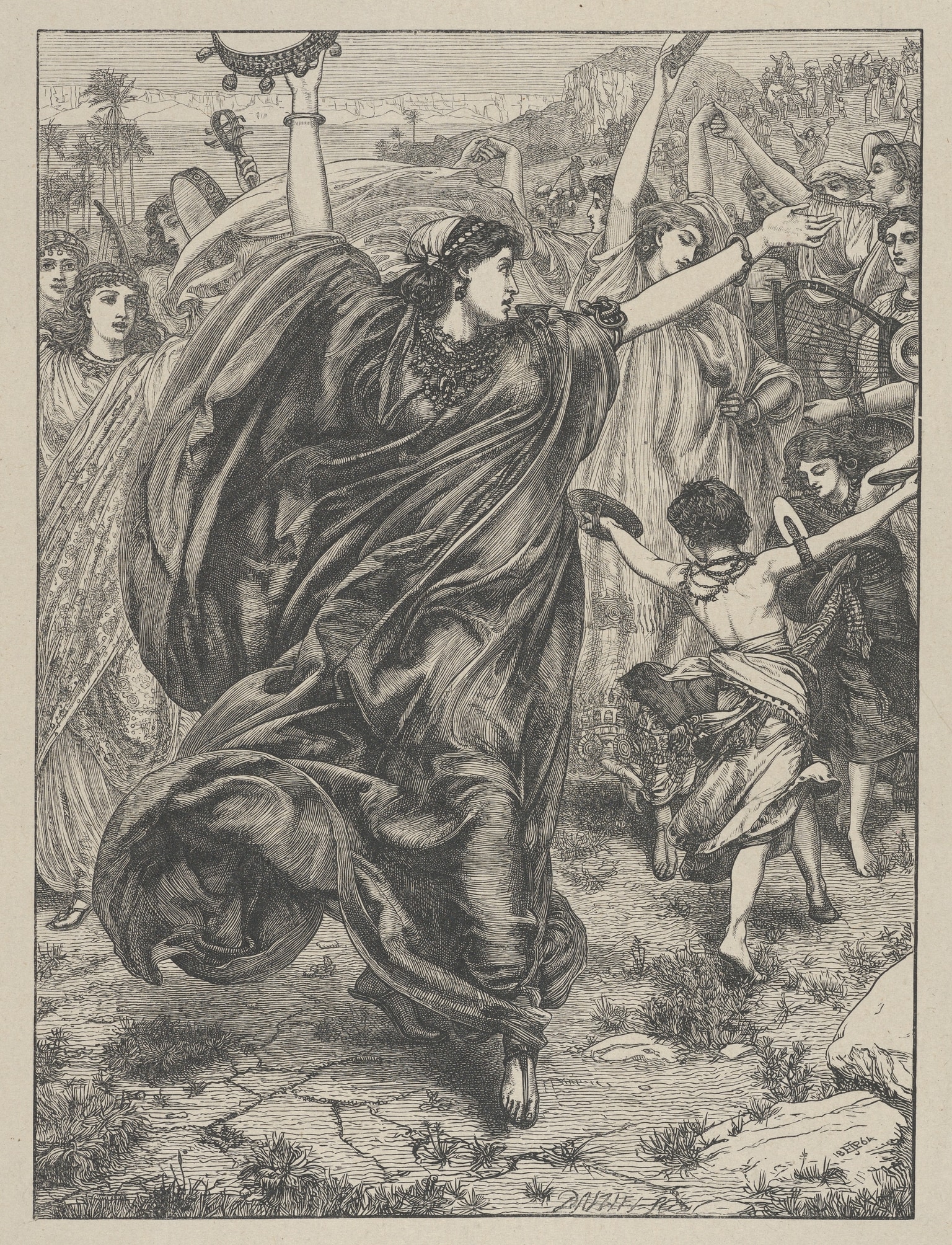
Miriam the Prophetess
Well, Water
About Miriam
Miriam was a central figure in the Hebrew Bible, described as a prophetess and the elder sister of Moses and Aaron. She was the daughter of Amram and Jochebed and is portrayed as a leader and spiritual guide for the Israelites during their Exodus from Egypt.
Biblical Narrative and Significance
The Torah first introduces Miriam as the unnamed sister who observed Moses being placed in the Nile to save him from Pharaoh's decree. Later, she is prominently featured as a prophetess, notably leading the Israelites in the "Song of the Sea" after their miraculous deliverance from the Egyptian army at the Red Sea. The Talmud recognizes her as one of the seven major female prophets of Israel. Interpretations suggest that, much as Moses led the men and taught them Torah, Miriam led the women and imparted spiritual knowledge to them.
Challenges and Divine Rebuke
A significant episode in Miriam's life involves her speaking against Moses alongside her brother Aaron. They questioned Moses's leadership and his separation from his wife, Tzipora. In response, God appeared and rebuked them, emphasizing Moses's unique prophetic authority. Following this divine rebuke, Miriam was afflicted with a skin disease, traditionally translated as leprosy, a punishment for slander. She was quarantined for seven days before being healed after Moses prayed for her.
Death and Legacy
The Book of Numbers records Miriam's death and burial in the desert of Tzin. In Jewish folk tradition, her death is immediately followed by the Israelites' complaint of a lack of water, leading to the concept of the "Well of Miriam." This legend posits a miraculous well that sustained the Israelites in the desert, which ceased to exist upon Miriam's death. This well, along with the Clouds of Glory (associated with Aaron) and the Manna (associated with Moses), are seen as gifts granted through their merits.
In contemporary practice, Miriam has gained prominence among some Jewish feminists. Rituals such as Miriam's Cup, a cup of water used during the Passover Seder, have been revived, symbolizing her connection to water and her role in the Exodus. She is also commemorated in the Eastern Orthodox Church.
Source: Wikipedia ↗
Frequently Asked Questions
Who was Miriam in the Hebrew Bible?
Miriam was the daughter of Amram and Jochebed, and the older sister of Moses and Aaron. She is described as a prophetess and played a significant role in the Israelites' journey from Egypt.
What is Miriam remembered for?
Miriam is remembered for her prophetic gifts, for leading the women in song after the crossing of the Red Sea, and for her association with the "Well of Miriam," a legendary well that provided water for the Israelites in the desert.
What happened when Miriam and Aaron spoke against Moses?
Miriam and Aaron criticized Moses for marrying a Cushite woman and for separating from his wife. As a result, Miriam was afflicted with a temporary skin disease (tzara'at) as a divine punishment for speaking against Moses.
What is the significance of Miriam's Well?
According to Jewish tradition, Miriam's Well was a miraculous well that accompanied the Israelites in the desert, providing them with water. Its disappearance upon her death is linked to the lack of water described in the biblical narrative.
How is Miriam venerated today?
In modern Judaism, Miriam is honored by some Jewish feminists through rituals like Miriam's Cup, a cup of water used during the Passover Seder. She is also commemorated in the Eastern Orthodox Church.
Related Saints

Aaron
Aaron was an Israelite prophet and the first High Priest, elder brother to Moses. He served as Moses' spokesman to the Pharaoh during the Exodus and was divinely appointed as the progenitor of the Israelite priesthood. Aaron is remembered for his role in establishing the Levitical priesthood and for his interactions with Moses during the Israelites' journey in the wilderness.
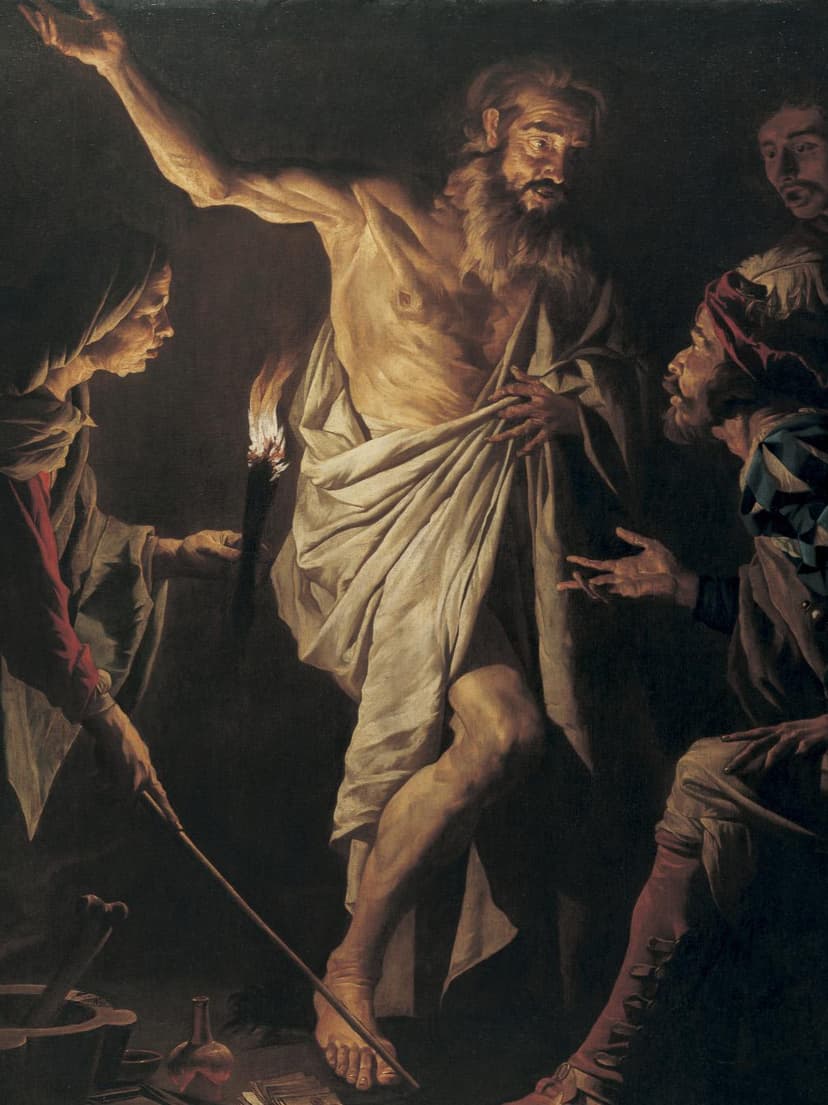
Samuel
Samuel was a pivotal figure in ancient Israel, venerated as a prophet, judge, and seer across Judaism, Christianity, and Islam. He is chiefly remembered for his role in the transition from the biblical judges to the Israelite monarchy, anointing both Saul and David as kings. His life and prophecies marked a significant spiritual and political turning point for the Israelites.
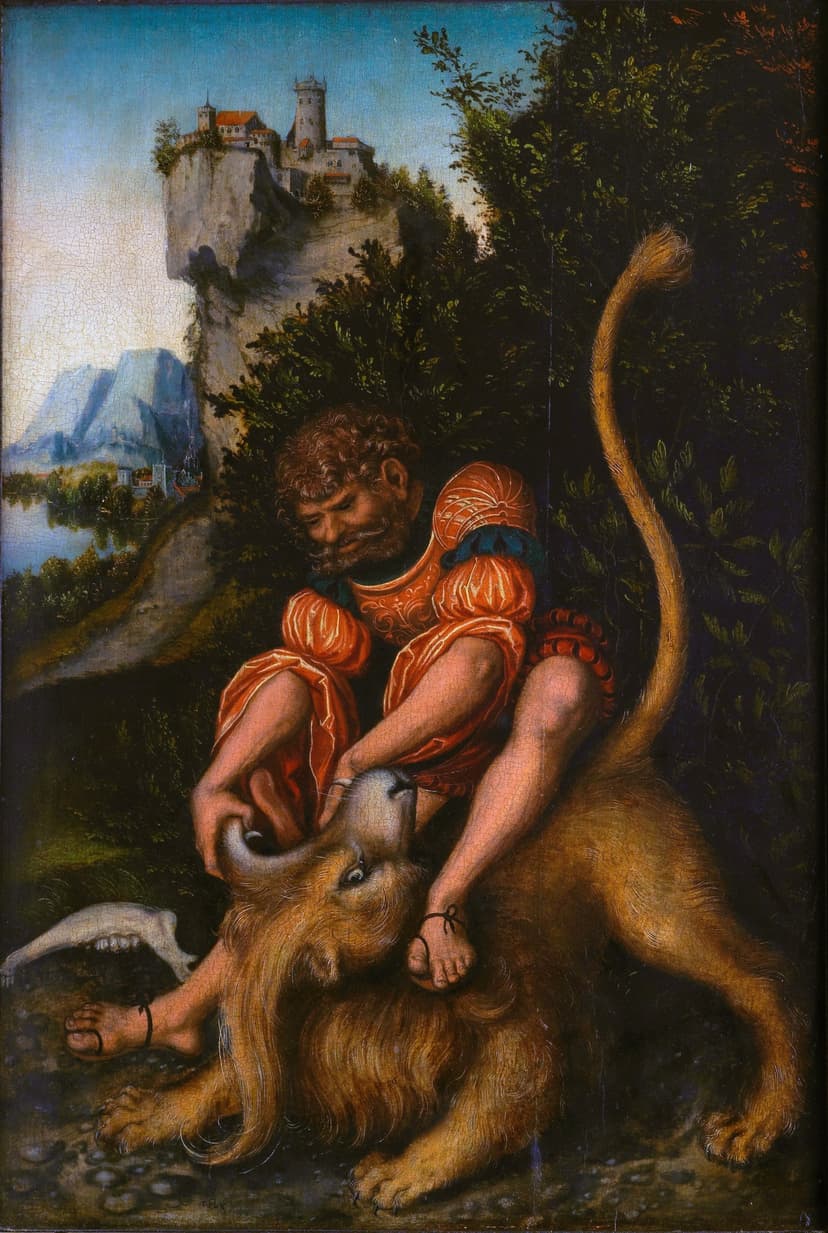
Samson
Samson was the last of the judges of ancient Israel, renowned for his extraordinary strength granted by God as a Nazirite. He is chiefly remembered for his epic battles against the Philistines, his betrayal by Delilah, and his final act of collapsing a Philistine temple, killing himself and his enemies. His story highlights themes of divine power, betrayal, and sacrifice.