
Miriam
Female·Ancient·Ancient Near East
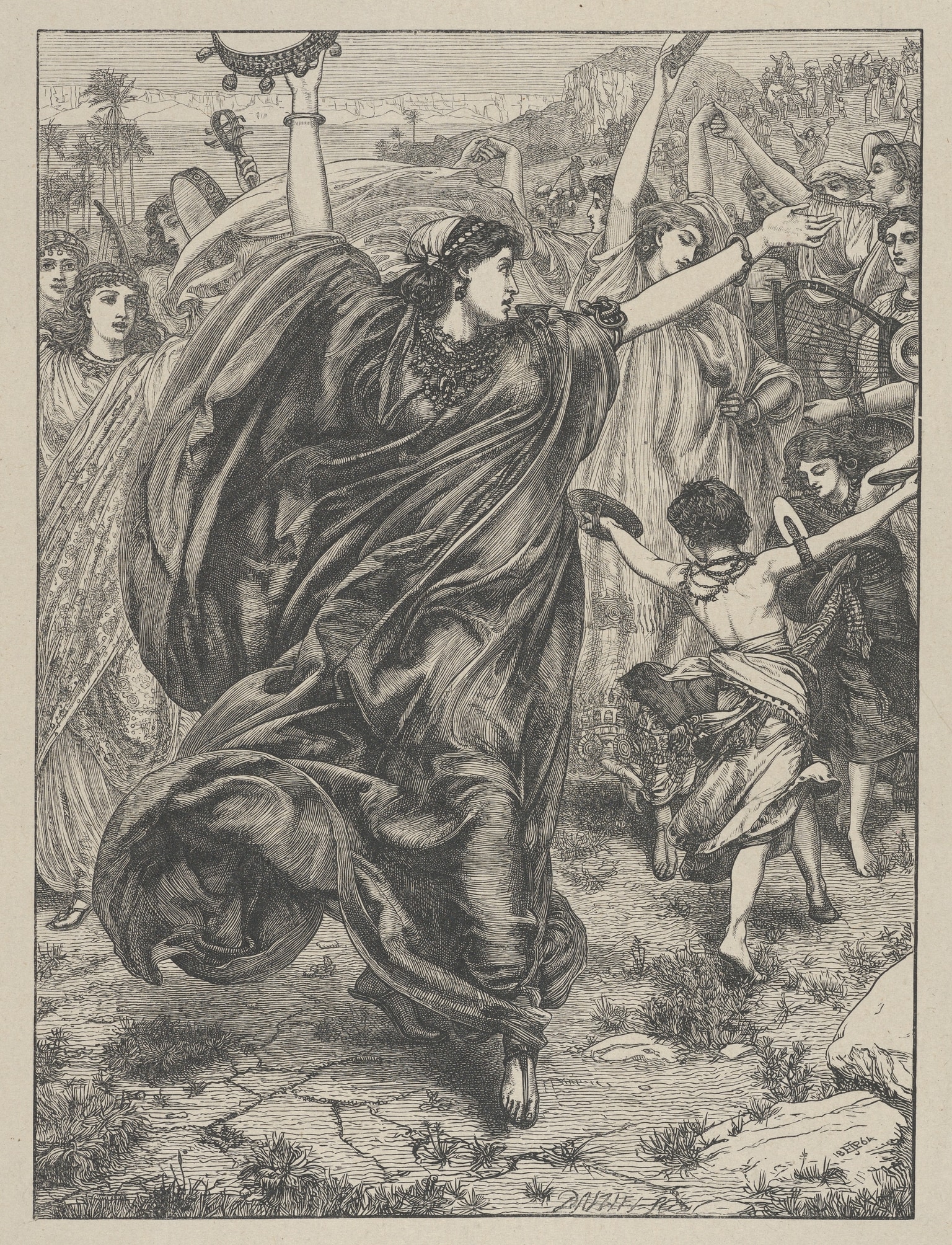
Miriam, a prophetess in the Hebrew Bible, was the older sister of Moses and Aaron. She is recognized for her role in the Exodus from Egypt and for leading the women in song and teaching Torah. Miriam is also known for a divine punishment of skin disease after speaking against Moses, and her legacy is linked to the tradition of Miriam's Well.
Key Facts
- ›Daughter of Amram and Jochebed, and elder sister of Moses and Aaron.
- ›Recognized as a prophetess in the Hebrew Bible, specifically in the Book of Exodus.
- ›Led the Israelites in the Song of the Sea after the destruction of Pharaoh's army.
- ›Spoke against Moses regarding his marriage to a Cushite woman, leading to a divine rebuke and her temporary affliction with skin disease (tzaraath).
- ›Traditionally identified as the sister who watched over Moses in the Nile as an infant.
- ›Her death is noted in the Torah, and Jewish tradition associates her with a miraculous well that sustained the Israelites in the desert.
Hebrew Bible, Torah
Prophecy
Miriam the Prophetess
Moses, Aaron, Amram, Jochebed, Tzipora
Prophetess, Saint
Prophet, Biblical Figure
About Miriam
Miriam is a pivotal figure in the Hebrew Bible, celebrated as a prophetess and the elder sister of Moses and Aaron. Her narrative unfolds primarily in the Book of Exodus, where she is depicted as a key participant in the liberation of the Israelites from Egypt.
Life and Historical Context
Born to Amram and Jochebed, Miriam was the sister of Moses and Aaron, leaders of the Israelites during their enslavement in ancient Egypt. Scripture identifies her as a prophetess, and the Talmud later names her as one of Israel's seven major female prophets. She is traditionally recognized as the unnamed sister who watched over the infant Moses as he floated down the Nile River, ensuring his safety.
Major Contributions and Role in the Exodus
Miriam's most prominent act of leadership occurred after the miraculous crossing of the Red Sea (Yam Suph), where she led the Israelite women in a triumphant song, known as the Song of the Sea. According to tradition, just as Moses instructed the men, Miriam taught Torah to the women of Israel. Her significance is further underscored by the biblical verse that includes her alongside Moses and Aaron as agents of redemption from Egypt: "For I brought you up out of the land of Egypt and redeemed you from the house of slavery, and I sent before you Moses, Aaron, and Miriam."
Challenges and Divine Rebuke
A significant episode in Miriam's life involves her speaking against Moses, alongside her brother Aaron, concerning his marriage to a Cushite woman. This act led to a divine rebuke from God, who emphasized Moses's supreme prophetic authority. Following this, Miriam was afflicted with a skin disease, traditionally translated as leprosy, a punishment for slander. Aaron interceded on her behalf, and Moses prayed for her healing, after which she was quarantined for seven days before reintegrating with the community.
Death and the Well of Miriam
The Torah records Miriam's death in the Desert of Tzin, where the people were suffering from a lack of water. This juxtaposition led to the development of the tradition of "Miriam's Well," a miraculous well that is said to have accompanied the Israelites in the desert, sustained by Miriam's merit. This well is believed to have disappeared upon her death, explaining the sudden water scarcity. The Talmud associates this well with the gifts received by Israel through Moses, Aaron, and Miriam, highlighting her crucial role in their sustenance and journey.
Legacy and Modern Interpretation
Miriam's legacy extends beyond her biblical narrative. In modern Jewish practice, she is honored, particularly in feminist circles, through rituals such as Miriam's Cup at the Passover Seder, symbolizing "living waters" and her connection to water. She is also venerated in the Eastern Orthodox Church as a saint. Her story continues to be interpreted as a testament to female leadership, prophetic voice, and the enduring spiritual guidance provided to the people of Israel.
Source: Wikipedia ↗
Frequently Asked Questions
Who was Miriam?
Miriam was a prophetess in the Hebrew Bible, revered as the elder sister of Moses and Aaron. She played a significant role in the Exodus from Egypt and is remembered for her leadership and prophetic abilities.
What is Miriam known for in the Bible?
Miriam is known for leading the Israelites in the Song of the Sea after their miraculous escape from Egypt. She is also depicted as a prophetess who taught Torah to the women and is mentioned in the narrative of Moses's infancy.
What happened when Miriam and Aaron spoke against Moses?
Miriam and her brother Aaron spoke against Moses regarding his marriage to a Cushite woman. In response, God rebuked them, emphasizing Moses's unique prophetic authority. Miriam was then afflicted with a skin disease as a divine punishment.
What is the significance of Miriam's Well?
According to Jewish tradition, Miriam's Well was a miraculous well that accompanied the Israelites through the desert, providing them with water. Its existence is linked to Miriam's merit, and its disappearance upon her death is described in the Torah.
How is Miriam venerated today?
In modern Jewish practice, Miriam is honored through rituals like Miriam's Cup at the Passover Seder, symbolizing living waters and her connection to water. She is also seen as an important figure by some Jewish feminists.
Related Prophets
Joshua
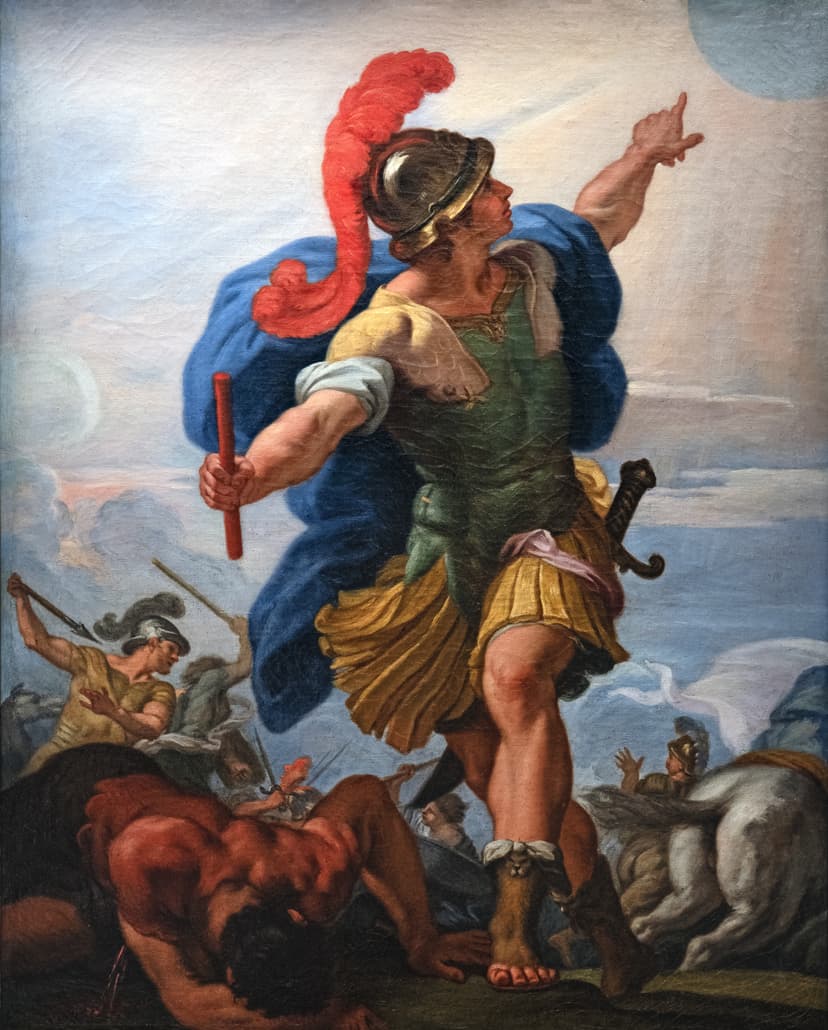
Joshua, originally named Hoshea, was a pivotal figure in the Hebrew Bible, succeeding Moses as the leader of the Israelite tribes. He is renowned for leading the Israelites in the conquest and division of the Promised Land of Canaan. Joshua is also recognized as a prophet and a significant figure in Islamic tradition, where he is known as Yusha bin Nun.
Moses
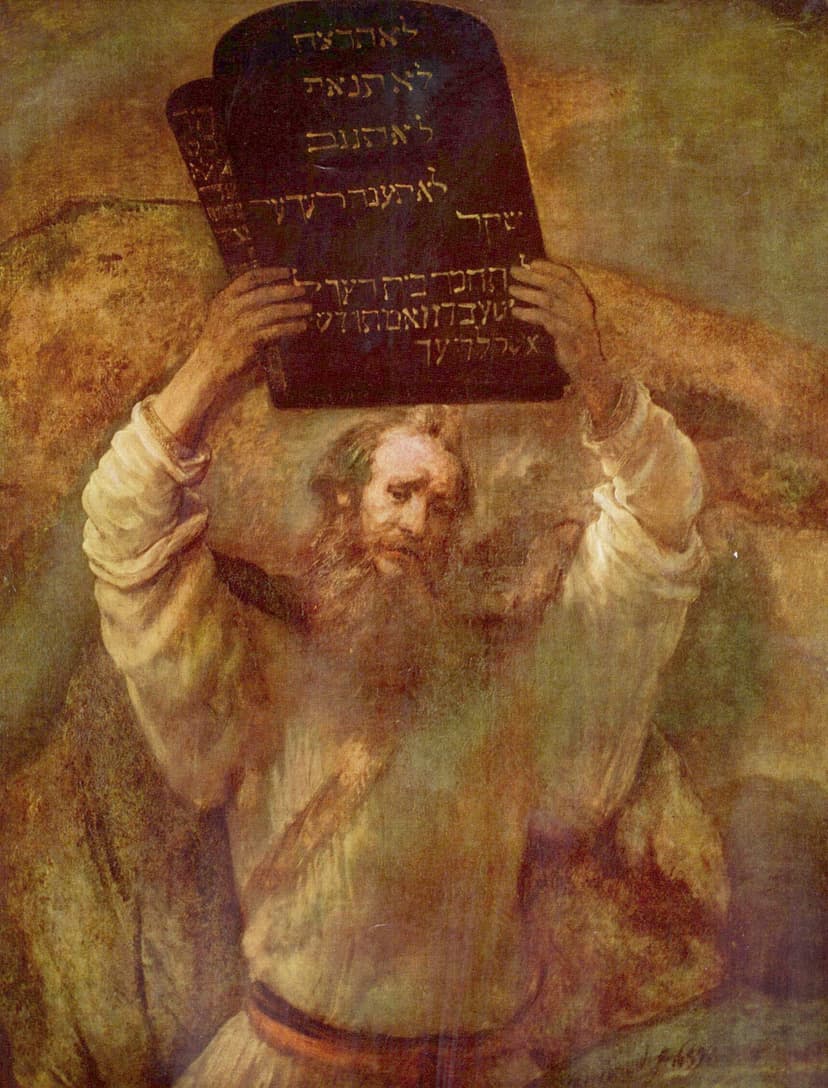
Moses is the central figure of the Exodus narrative in Abrahamic religions, revered as the prophet who led the Israelites out of slavery in Egypt. He is most significantly known for receiving the Ten Commandments and the Mosaic Law from God, which form the foundation of Jewish tradition. While considered legendary by many scholars, Moses remains a pivotal figure in Judaism, Christianity, Islam, and other faiths.
Samuel
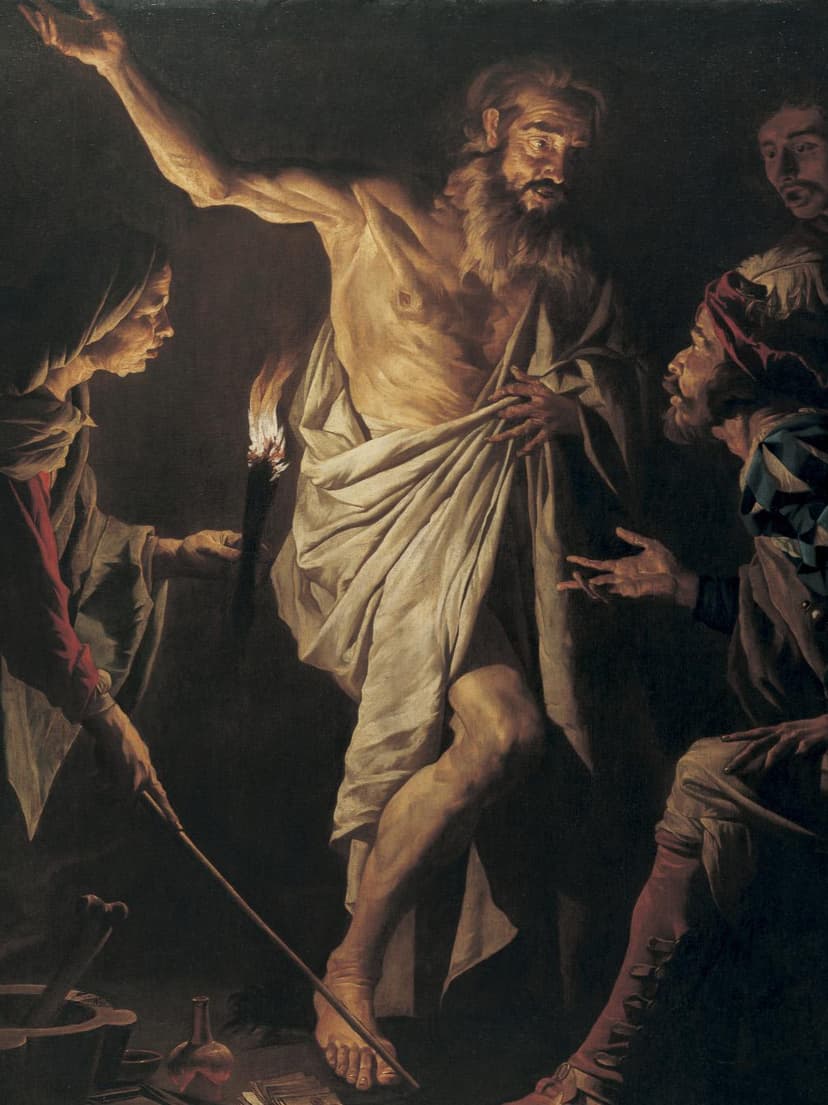
Samuel was a prophet, judge, and seer in ancient Israel, revered in Judaism, Christianity, and Islam. He is primarily known for his pivotal role in the transition from the era of the Judges to the establishment of the Israelite monarchy, anointing both Saul and David as kings. His ministry marked a significant shift in Israelite governance and religious leadership.