
Isaac
December 17·2nd millennium BCE·Canaan
Isaac is a central patriarchal figure in Judaism, Christianity, and Islam, revered as the son of Abraham and Sarah and the father of Jacob. He is chiefly remembered for his near-sacrifice by his father, an event seen as a supreme test of faith and a prefiguration of Christ's sacrifice in Christian tradition. Isaac's name, meaning "he will laugh," reflects the disbelief and subsequent joy of his elderly parents upon learning of his promised birth.
Key Facts
- ›Isaac is the son of Abraham and Sarah, and father to Jacob and Esau.
- ›His name, Yiṣḥāq, means "he laughs/will laugh" in Hebrew.
- ›He is the only patriarch whose name was never changed and the only one who remained in Canaan throughout his life.
- ›According to the biblical narrative, Isaac died at the age of 180, making him the longest-lived of the three patriarchs.
- ›He is venerated as a prophet in Islam and considered a saint in Eastern Orthodox and Roman Catholic traditions.
- ›Isaac is traditionally associated with the institution of the afternoon prayer in Jewish tradition.
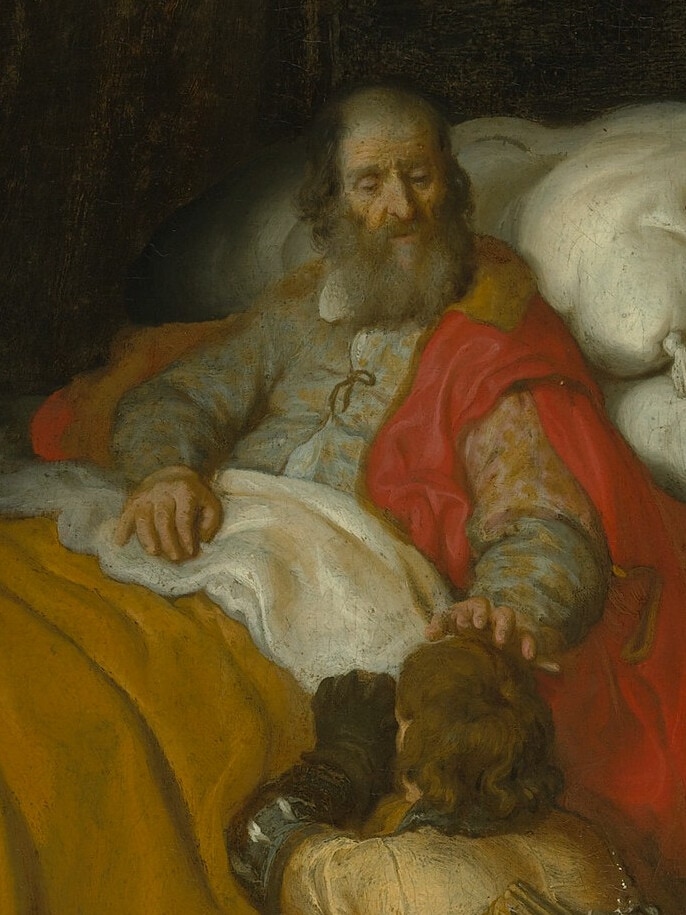
Yiṣḥāq
Judaism, Christianity, Islam, Samaritanism, Baháʼí Faith, Rastafari
About Isaac
Isaac: Patriarch of Faith and Promise
Isaac is a foundational figure in Judaism, Christianity, and Islam, revered as the second Hebrew patriarch and the son of Abraham and Sarah. His life narrative, primarily found in the Book of Genesis, centers on themes of divine promise, faith, and lineage, making him a crucial link between Abraham and the formation of the Israelite people.
Birth and Early Life
Isaac's birth was miraculous, occurring when his parents, Abraham and Sarah, were well past the age of natural childbearing. The name "Isaac" (Yiṣḥāq) signifies "he laughs" or "he will laugh," referencing the laughter of Abraham and Sarah at the improbable news of their son's conception and Sarah's later laughter upon hearing the prophecy again. He was circumcised on the eighth day, signifying his inclusion in God's covenant with Abraham. Later, Sarah insisted that Abraham's bondservant Hagar and her son Ishmael be cast out so that Isaac would be Abraham's sole heir.
The Binding of Isaac
Perhaps the most significant event in Isaac's narrative is the Binding of Isaac on Mount Moriah, commanded by God as the tenth and final trial of Abraham's faith. Abraham was instructed to sacrifice his beloved son. At the critical moment, an angel of God intervened, preventing the sacrifice and providing a ram as a substitute. This event is interpreted in Jewish tradition as a testament to Isaac's willingness to obey God and in Christian theology as a prefiguration of Christ's sacrifice.
Family and Later Life
Isaac married Rebekah, who was initially barren but conceived twin sons, Esau and Jacob, after Isaac prayed for her. Isaac favored Esau, while Rebekah favored Jacob. In his old age, Isaac became blind. Through a deception orchestrated by Rebekah and Jacob, Isaac mistakenly bestowed the patriarchal blessing, intended for Esau, upon Jacob. Esau had previously sold his birthright to Jacob for a meal of lentil stew. Isaac lived to be 180 years old and was buried in Hebron by his sons.
Theological and Academic Perspectives
In Jewish tradition, Isaac is noted for instituting the afternoon prayer and for remaining in Canaan throughout his life, a detail often linked to his near-sacrifice. Christian theology views Isaac as a type of Christ, emphasizing his role in the lineage of Jesus and the symbolic parallels of his near-sacrifice to Christ's crucifixion. Academic scholarship has explored the possibility that Isaac originated as an ancestor figure venerated at a sanctuary in the Beersheba region, with traditions about him potentially dating back to the 8th century BCE.
Veneration
Isaac is venerated across Abrahamic religions. In the Eastern Orthodox Church and the Roman Catholic Church, he is considered a saint and is commemorated on the Sunday of the Forefathers, typically the second Sunday before Christmas, or on December 17th. His tomb, along with those of other patriarchs and matriarchs, is traditionally located in the Cave of the Patriarchs in Hebron.
Source: Wikipedia ↗
Frequently Asked Questions
What is the meaning of Isaac's name?
Isaac's name, Yiṣḥāq in Hebrew, translates to "He laughs" or "He will laugh." This reflects the laughter of his parents, Abraham and Sarah, who were elderly and had long been unable to have children when the birth of Isaac was foretold.
What is Isaac most famous for in religious narratives?
Isaac is most famously known for the biblical account of the Binding of Isaac (the Akedah), where his father Abraham was commanded by God to sacrifice him. At the last moment, an angel intervened, and a ram was provided for the sacrifice instead. This event is a central test of Abraham's faith and a significant theological motif.
How is Isaac viewed in different religions?
In Judaism, Isaac is one of the three patriarchs and a key figure in the covenant between God and Abraham. Christianity views Isaac as a prefiguration of Christ, particularly in the sacrifice narrative. Islam recognizes Isaac (Isḥāq) as a prophet and an important ancestor of the Israelites, continuing Abraham's legacy of monotheism.
Did Isaac ever leave the land of Canaan?
According to biblical and rabbinic tradition, Isaac was the only patriarch who remained in the land of Canaan throughout his entire life. While he did move within the region, he did not leave it, with rabbinic explanations suggesting this was due to his near-sacrifice, as things dedicated as sacrifices were not meant to leave the land.
What is the significance of Isaac's blindness?
The Bible states that Isaac grew old and blind. Rabbinic literature connects his blindness to the Binding of Isaac, suggesting that the tears of angels present at the time of his intended sacrifice fell upon his eyes, causing him to lose his sight.
Related Saints
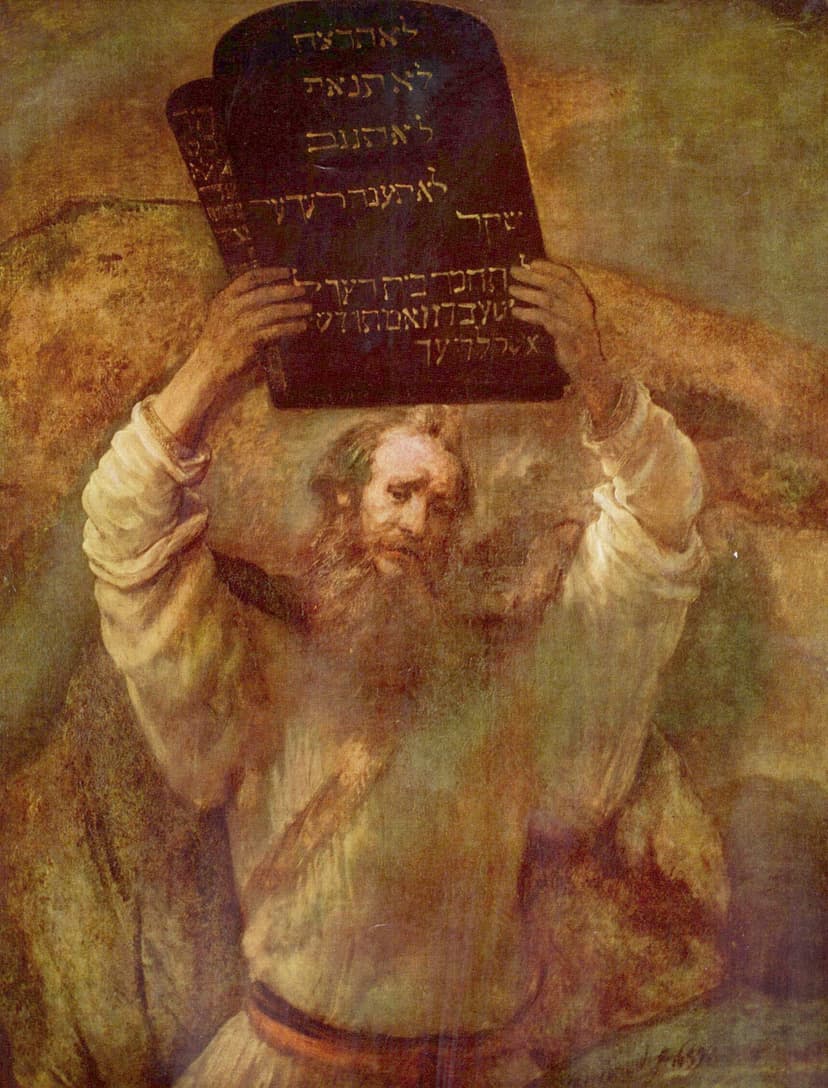
Moses
Moses was a Hebrew prophet central to Abrahamic religions, revered as the most important prophet in Judaism and Samaritanism, and a significant figure in Christianity and Islam. He is credited with leading the Israelites out of slavery in Egypt during the Exodus and receiving the Mosaic Law from God, which formed the basis of the Torah. Moses' life is a foundational narrative of liberation, divine covenant, and the establishment of law.
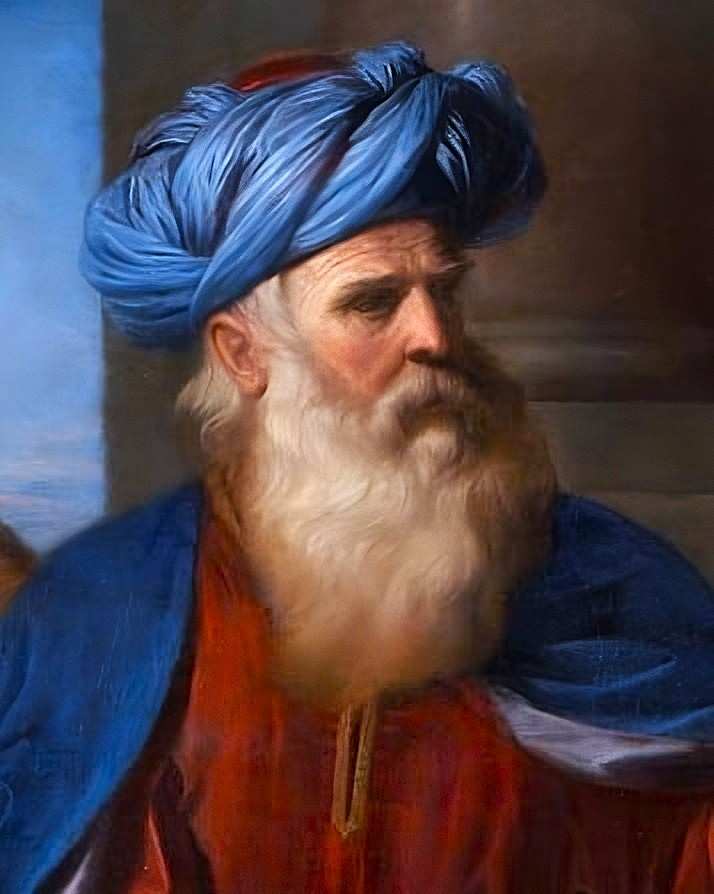
Abraham
Abraham is a foundational patriarch in Judaism, Christianity, and Islam, revered as the ancestor of the Jewish and Arab peoples. His story, primarily found in the Book of Genesis, emphasizes God's promises of progeny and land, and his unwavering faith and obedience to divine commands. He is remembered for his covenant with God, his role in establishing the lineage of Isaac and Ishmael, and his willingness to sacrifice his son Isaac, an act that solidified his status as a model of faith.
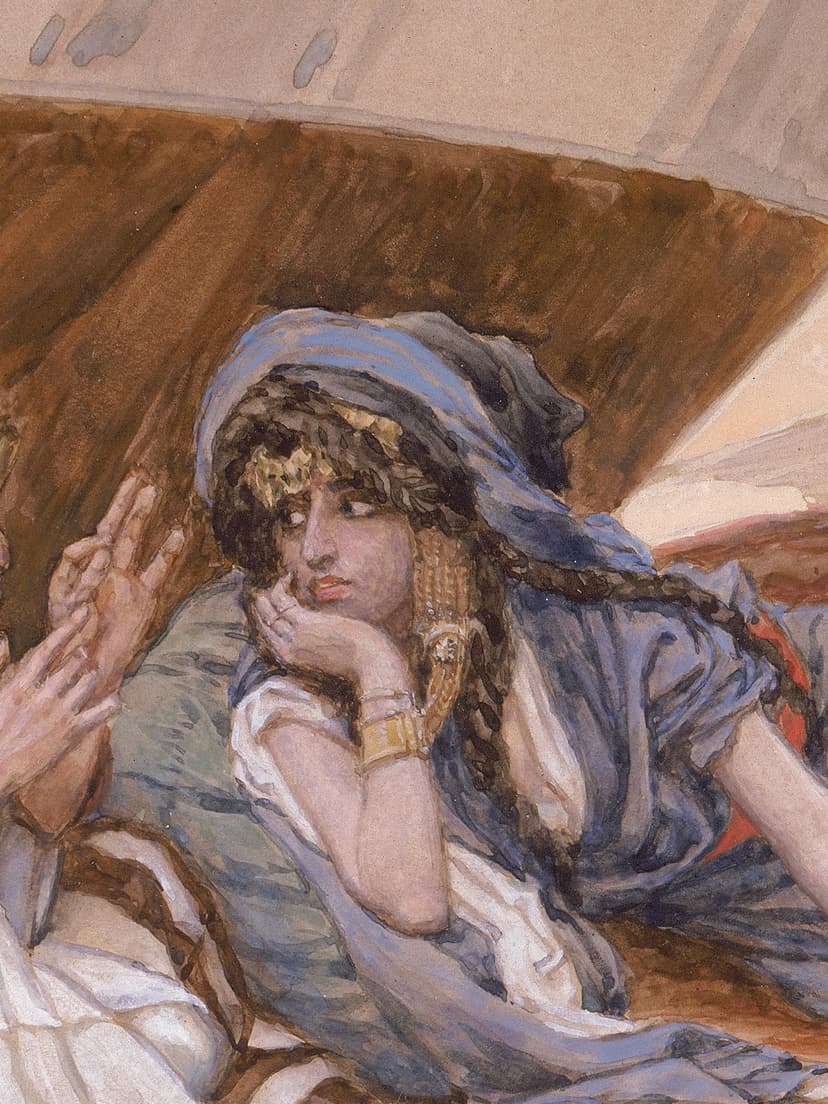
Sarah
Sarah was a pivotal matriarch and prophet in Abrahamic religions, revered as the wife of Abraham and mother of Isaac. She is remembered for her piety, hospitality, and beauty, and plays a significant role in the biblical narratives of God's covenant with Abraham. Her life story is foundational to the lineage of the Israelites and is interpreted allegorically in Christian theology.