
Sarah
Sarah was a pivotal matriarch and prophet in Abrahamic religions, revered as the wife of Abraham and mother of Isaac. She is remembered for her piety, hospitality, and beauty, and plays a significant role in the biblical narratives of God's covenant with Abraham. Her life story is foundational to the lineage of the Israelites and is interpreted allegorically in Christian theology.
Key Facts
- ›Sarah was originally named Sarai and was the wife of Abraham, and mother of Isaac.
- ›God renamed Abram and Sarai to Abraham and Sarah during the covenant of circumcision narrative.
- ›She is depicted as a beautiful and hospitable woman whose faith is tested by barrenness and divine promises.
- ›Sarah's story is referenced in the New Testament, particularly in relation to the covenants and faith.
- ›She died at the age of 127 and was buried in the Cave of the Patriarchs near Hebron.
- ›Rabbinic traditions offer extensive commentary on her life, often portraying her as a model of religious excellence.
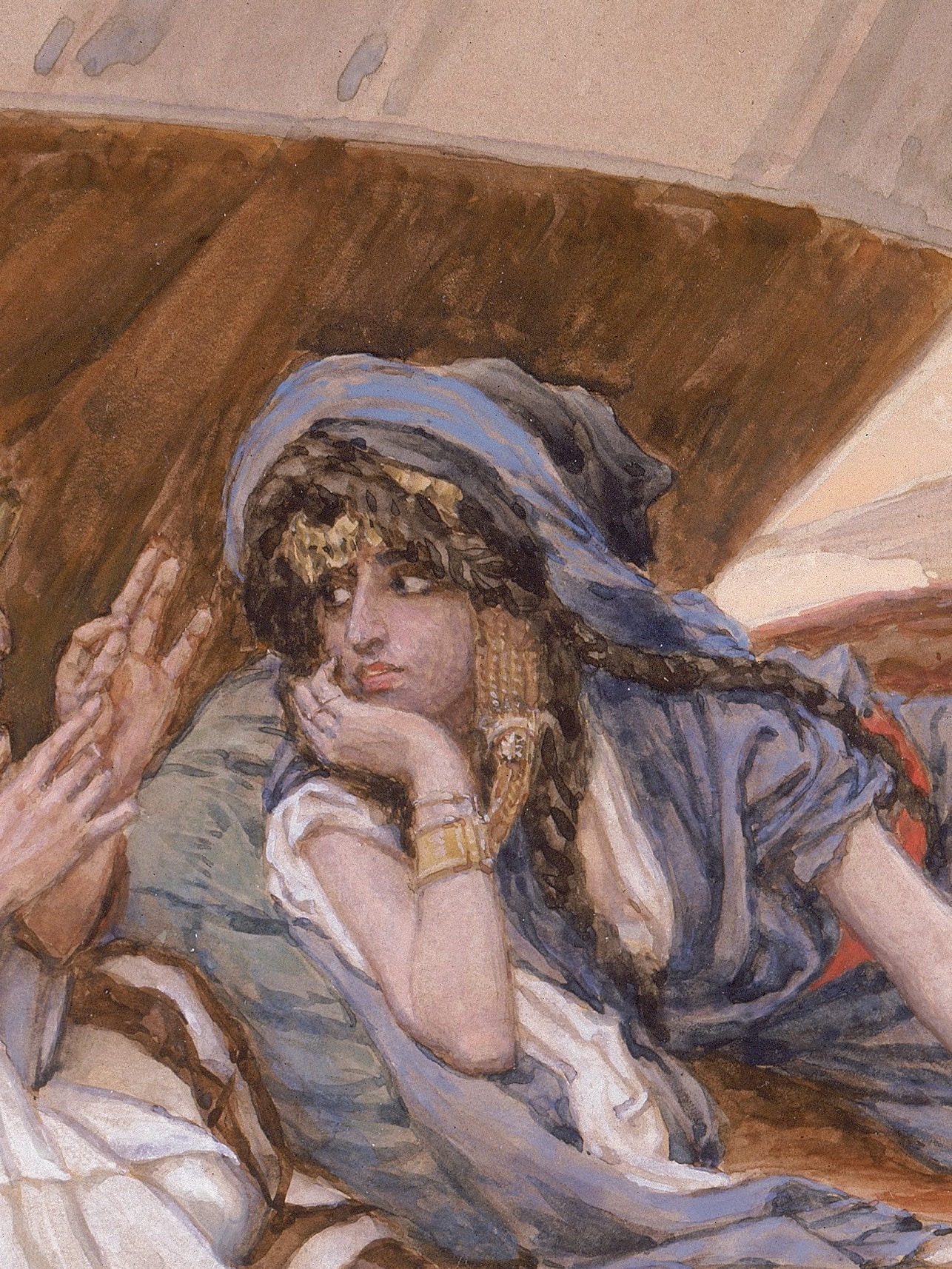
Sarai
About Sarah
Sarah, originally known as Sarai, is a central matriarchal figure in the Hebrew Bible and a significant prophet in Abrahamic religions, including Judaism, Christianity, and Islam. Her life story is intrinsically linked with that of Abraham, her husband, and their son, Isaac, through whom the covenantal lineage of Israel is established.
Biblical Narrative
The biblical account of Sarah begins with her departure from Ur of the Chaldees with Abraham and their nephew Lot. During their journey and subsequent settlement in Canaan, Sarah is described as a woman of remarkable beauty and hospitality. A significant narrative arc involves God's promise to Abraham that he would become the father of many nations, and that Sarah, despite her advanced age and prior barrenness, would bear him a son. This promise is fulfilled with the birth of Isaac, whose name means 'laughter,' reflecting Sarah's own initial reaction to the divine pronouncement.
Sarah's narrative also includes instances where her beauty causes Abraham to present her as his sister, to protect himself from potential harm in foreign lands. These episodes, occurring with Pharaoh in Egypt and King Abimelech in Gerar, highlight divine intervention to protect Sarah and uphold God's promises to Abraham. The tension with her handmaiden Hagar, who bore Abraham's first son Ishmael, and Sarah's subsequent insistence on Hagar and Ishmael's banishment, is another key element of her story.
Religious Significance and Interpretation
In Judaism, Sarah is venerated as a prophet and a model of religious excellence. Rabbinic literature, such as the Midrash, expands significantly on her life, often portraying her as a counterpoint to pagan traditions and, in some interpretations, as a Jewish parallel to the Virgin Mary due to her unique role and purity.
Christian theology uses Sarah allegorically, notably in the Epistle to the Galatians, where she and Hagar represent the two covenants—the Old Covenant from Mount Sinai (Hagar) and the New Covenant of grace (Sarah).
In Islam, Sarah is recognized as Abraham's wife and the mother of Isaac, though she is unnamed in the Quran. Her portrayal generally aligns with her depiction in Jewish and Christian traditions as a virtuous woman who eventually bears a promised son.
Death and Legacy
Sarah died at the age of 127. Her death is marked by Abraham's purchase of the Cave of Machpelah near Hebron as her burial site, establishing the first piece of land owned by the Israelites in Canaan. Her legacy endures as a foundational matriarch whose faith, obedience, and role in the divine plan are central to the identity and history of the Abrahamic faiths.
Source: Wikipedia ↗
Frequently Asked Questions
Who was Sarah in the Bible?
Sarah was a biblical matriarch, prophet, and a major figure in Judaism, Christianity, and Islam. She was the wife of Abraham and the mother of Isaac, and is known for her piety, hospitality, and beauty.
What was Sarah's original name?
Sarah was originally named Sarai. God renamed them both Abraham and Sarah as part of a covenant mentioned in Genesis 17.
Why did Sarah laugh when told she would have a son?
Sarah laughed because she and Abraham were very old, and she considered it impossible to conceive and bear a child at their advanced age. She was also afraid when questioned about her laughter.
How did Sarah die?
Sarah died at the age of 127. Rabbinic traditions connect her death to the attempted sacrifice of Isaac, with varying accounts of her dying from grief, a broken heart, or overwhelming joy.
Where is Sarah buried?
According to the biblical narrative, Sarah was buried in a cave near Hebron, which Abraham purchased from Ephron the Hittite. This site became known as the Cave of the Patriarchs.
What is Sarah's significance in Islam?
In Islam, Sarah is depicted as a good woman, kin and wife to Abraham. Although unnamed in the Quran, she is recognized as the mother of the prophet Isaac, following years of barrenness with Abraham.
Related Saints
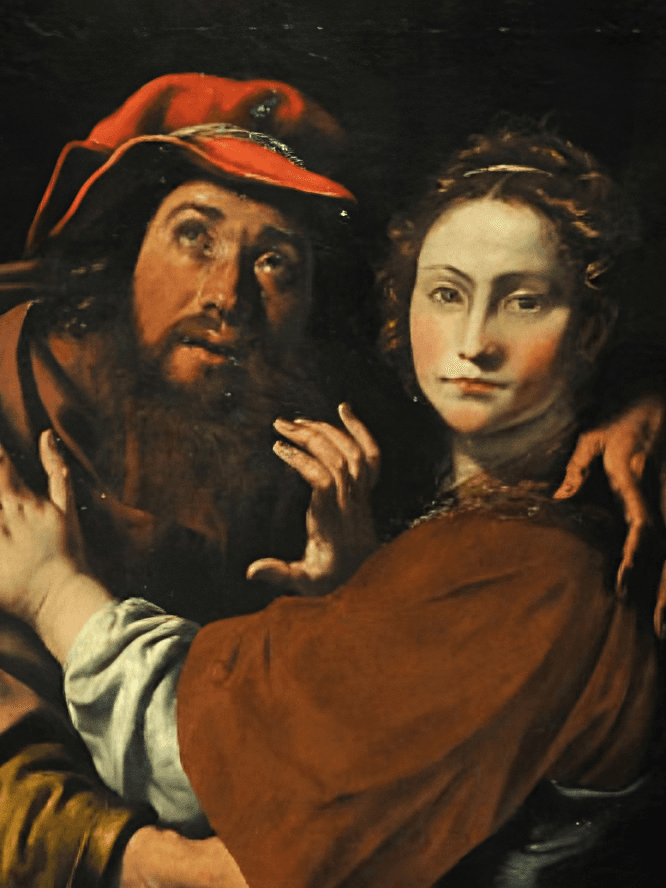
Rachel
Rachel was a matriarch of the Israelite people in the Hebrew Bible, known as Jacob's favorite wife and the mother of Joseph and Benjamin. She is chiefly remembered for her role in the patriarchal narratives, her infertility, her intense love for Jacob, and her eventual death in childbirth. Her legacy includes her descendants, such as the tribes of Benjamin and Ephraim, and her symbolic representation as a weeping mother interceding for her exiled children.
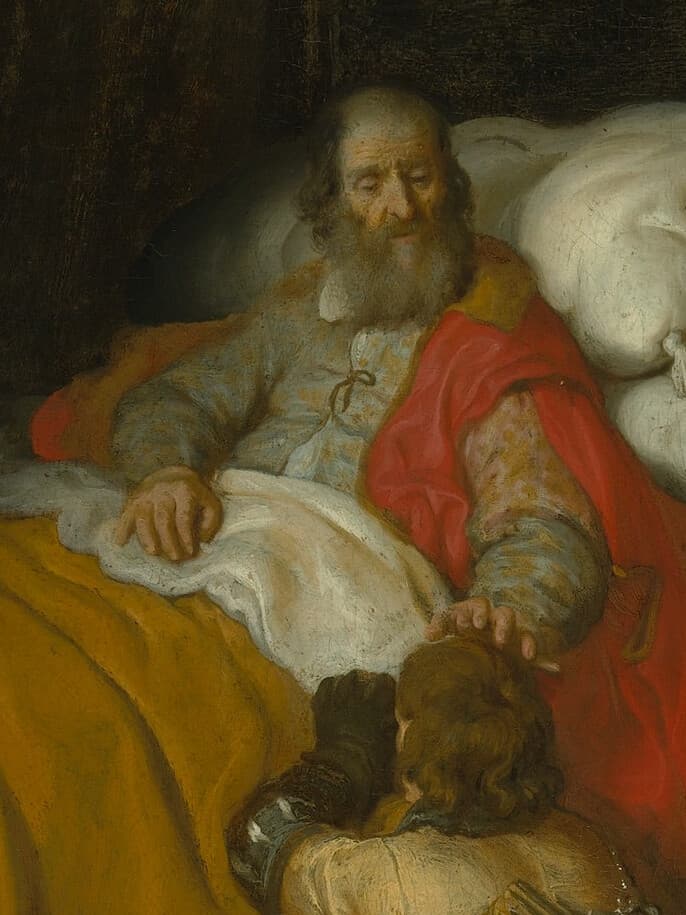
Isaac
Isaac is a central patriarchal figure in Judaism, Christianity, and Islam, revered as the son of Abraham and Sarah and the father of Jacob. He is chiefly remembered for his near-sacrifice by his father, an event seen as a supreme test of faith and a prefiguration of Christ's sacrifice in Christian tradition. Isaac's name, meaning "he will laugh," reflects the disbelief and subsequent joy of his elderly parents upon learning of his promised birth.
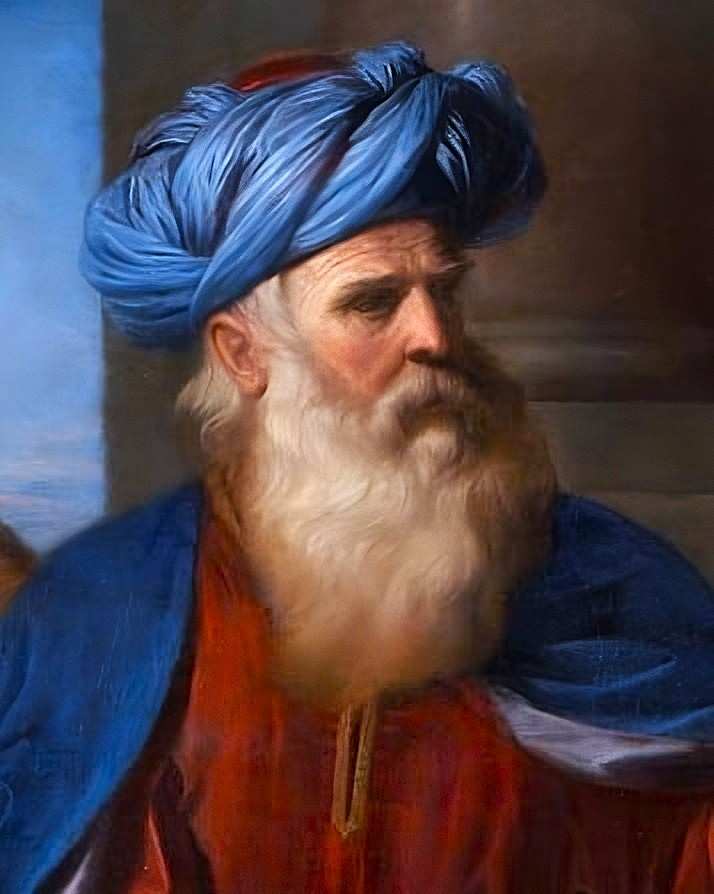
Abraham
Abraham is a foundational patriarch in Judaism, Christianity, and Islam, revered as the ancestor of the Jewish and Arab peoples. His story, primarily found in the Book of Genesis, emphasizes God's promises of progeny and land, and his unwavering faith and obedience to divine commands. He is remembered for his covenant with God, his role in establishing the lineage of Isaac and Ishmael, and his willingness to sacrifice his son Isaac, an act that solidified his status as a model of faith.