
Abraham
Abraham is a foundational patriarch in Judaism, Christianity, and Islam, revered as the ancestor of the Jewish and Arab peoples. His story, primarily found in the Book of Genesis, emphasizes God's promises of progeny and land, and his unwavering faith and obedience to divine commands. He is remembered for his covenant with God, his role in establishing the lineage of Isaac and Ishmael, and his willingness to sacrifice his son Isaac, an act that solidified his status as a model of faith.
Key Facts
- ›Abraham is considered the first Hebrew patriarch in Judaism and the spiritual ancestor of Christians.
- ›In Islam, he is a significant prophet and a link in the chain of prophets leading to Muhammad.
- ›God promised Abraham numerous descendants and the land of Canaan.
- ›He had two sons, Isaac (through Sarah) and Ishmael (through Hagar), who are considered the forefathers of the Jewish and Arab peoples, respectively.
- ›Abraham's faith was tested when God commanded him to sacrifice his son Isaac, an act he was prepared to undertake.
- ›Most scholars view the patriarchal age narratives as literary constructs rather than direct historical accounts.
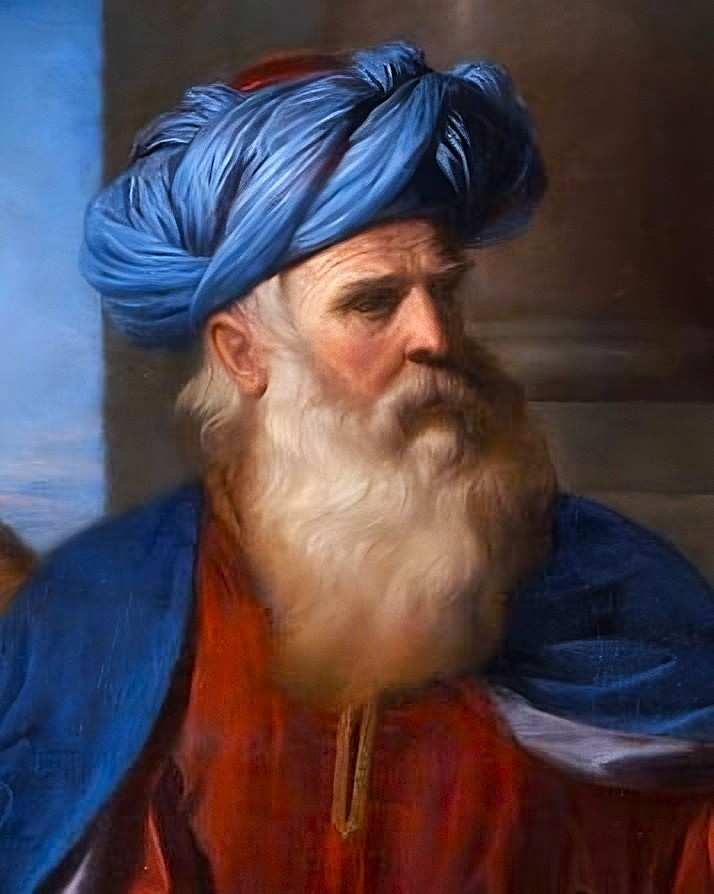
Abram
Ram, Altar
About Abraham
Abraham, originally known as Abram, is a foundational legendary figure revered across Judaism, Christianity, and Islam, as well as other faiths like the Baháʼí Faith and Druze faith. He is considered the ethnic ancestor and first patriarch of the Jewish people, marking the beginning of their covenantal relationship with God. In Christianity, he is seen as a forebear of Jesus and the spiritual ancestor of all believers. For Islam, Abraham (Ibrahim) is a significant prophet and a crucial link in the chain of prophets that extends from Adam to Muhammad.
Life and Narrative
The narrative of Abraham's life, primarily recounted in the Book of Genesis, centers on the themes of divine blessing and promise, particularly concerning offspring and land. God called him to leave his homeland and settle in Canaan, which was promised to him and his descendants. This promise was later inherited by his son Isaac, born to his wife Sarah, while his half-brother Ishmael, born to Hagar, was also promised to become the founder of a great nation. Abraham's actions, such as purchasing the Cave of the Patriarchs in Hebron, established his claim to the land. The text details his journeys, his covenant with God, and his interactions with various figures, including Lot, Melchizedek, and King Abimelech.
Key Events and Trials
Central to Abraham's story are several significant events that tested and affirmed his faith. These include his sojourn in Egypt during a famine, his separation from his nephew Lot, and his rescue of Lot from captivity. A profound trial was the "Covenant of the Pieces," where God reiterated promises of land and descendants. The birth of Ishmael and later Isaac, along with the banishment of Hagar and Ishmael, marked crucial developments in his lineage. The most renowned test of his obedience was the "Binding of Isaac" (Akedah), where Abraham was commanded to sacrifice his son, demonstrating his ultimate trust in God's providence.
Legacy and Historical Context
Abraham's legacy is immense, shaping the theological and cultural foundations of major world religions. He is venerated as a model of faith, obedience, and righteousness. While most scholars view the patriarchal narratives as literary constructs developed over time, particularly during the Persian period to shape post-exilic Jewish identity and land claims, the figure of Abraham remains a potent symbol of divine promise and human response. He died at the age of 175 and was buried beside Sarah in the Cave of the Patriarchs.
Source: Wikipedia ↗
Frequently Asked Questions
Who is Abraham in the Abrahamic religions?
Abraham is a central patriarchal figure revered in Judaism, Christianity, and Islam. He is considered the ancestor of the Jewish people and the Arab people, and a key prophet in Islam.
What are the main themes in the story of Abraham?
The primary themes in Abraham's narrative are God's promises of progeny and land, and Abraham's unwavering faith and obedience to divine commands. His struggles and triumphs highlight the covenantal relationship between God and his chosen people.
Who were Abraham's sons and their significance?
Abraham had two significant sons: Isaac, born to Sarah, from whom the lineage of Israel descended, and Ishmael, born to Hagar, from whom the Arab peoples are said to descend. This dual lineage makes him a common forefather to both groups.
What was the binding of Isaac?
The binding of Isaac is a pivotal event where God commanded Abraham to sacrifice his son Isaac as a test of faith. Abraham's willingness to obey was ultimately interrupted by an angel, and a ram was provided for the sacrifice instead.
Is Abraham a historical figure?
Most scholars consider the biblical accounts of Abraham and the patriarchal age to be literary constructs that developed over centuries, rather than direct historical records of a specific era. Their value is seen in their role in shaping identity and tradition.
Related Saints
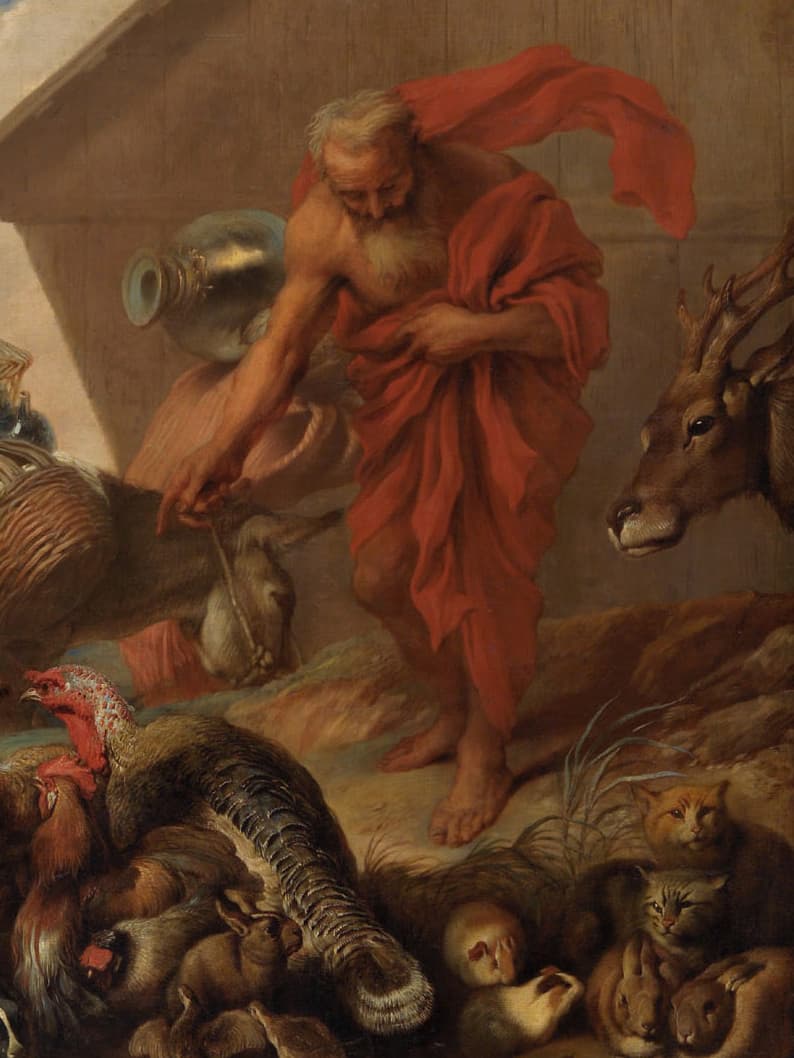
Noah
Noah is a pivotal figure in Abrahamic religions, most famously known for building the Ark to save his family and all land animals from a divine flood. God made a covenant with Noah after the flood, promising never to destroy the earth by water again. He is also remembered as the first cultivator of the vine and a figure associated with the Seven Laws of Noah.
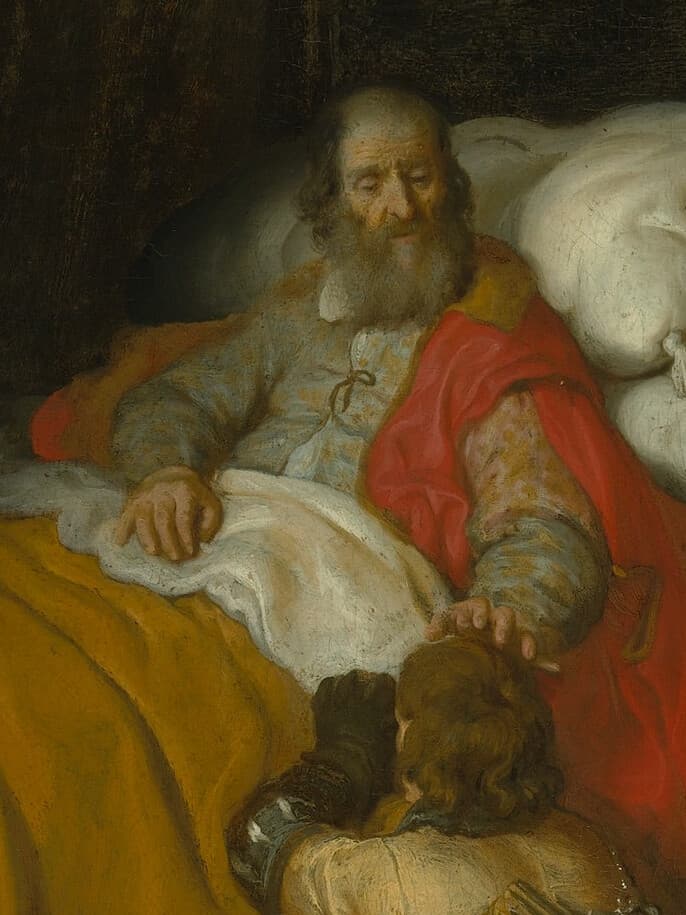
Isaac
Isaac is a central patriarchal figure in Judaism, Christianity, and Islam, revered as the son of Abraham and Sarah and the father of Jacob. He is chiefly remembered for his near-sacrifice by his father, an event seen as a supreme test of faith and a prefiguration of Christ's sacrifice in Christian tradition. Isaac's name, meaning "he will laugh," reflects the disbelief and subsequent joy of his elderly parents upon learning of his promised birth.
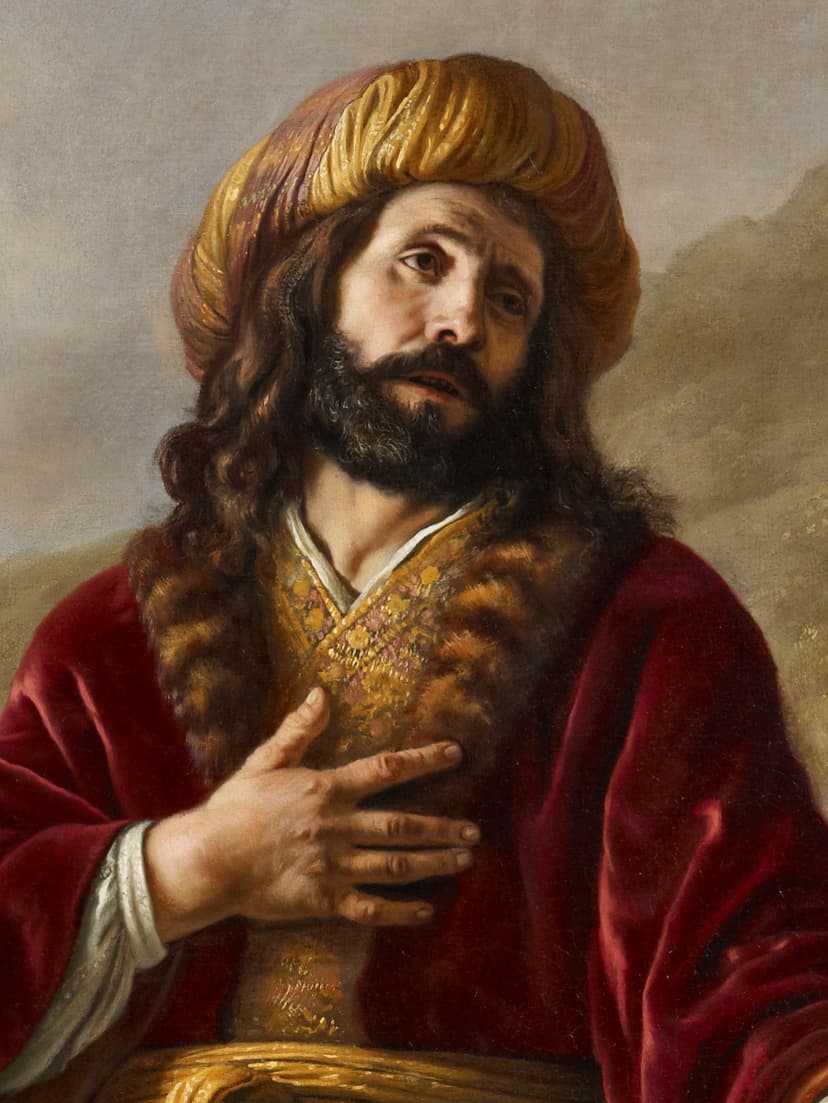
Jacob
Jacob, later known as Israel, is a pivotal figure in Judaism and other Abrahamic religions, recognized as the third Hebrew patriarch. He is primarily remembered for his complex familial relationships, his wrestling match with a divine being that led to his renaming, and for being the father of the twelve tribes of Israel. His life story, detailed in the Book of Genesis, involves deception to obtain his father's blessing, a long sojourn in Haran, and eventual migration to Egypt with his descendants.