
Joseph, son of Jacob
12th century BC·Egypt
Joseph was a significant figure in the Hebrew Bible, known as the favored son of Jacob and Rachel and the founder of the Tribe of Joseph. His story, detailed in the Book of Genesis, recounts his betrayal by his envious brothers, his enslavement and imprisonment in Egypt, and his eventual rise to become second-in-command. He is remembered for interpreting Pharaoh's dreams, saving Egypt and his own family from famine, and for his role in establishing the Israelites' settlement in the Land of Goshen.
Key Facts
- ›Joseph was the first son of Jacob and Rachel, and the twelfth named child of Jacob.
- ›His envious brothers sold him into slavery in Egypt after he shared dreams predicting his supremacy.
- ›In Egypt, Joseph was imprisoned but gained favor by interpreting dreams for the chief cup-bearer and baker.
- ›Joseph correctly interpreted Pharaoh's dreams of abundance and famine, leading to his appointment as Vizier.
- ›He saved Egypt and his family from a severe famine, allowing them to settle in the Land of Goshen.
- ›Joseph is considered a prophetic precursor to the Messiah in Jewish tradition and a typological precursor to Jesus in Christian tradition.
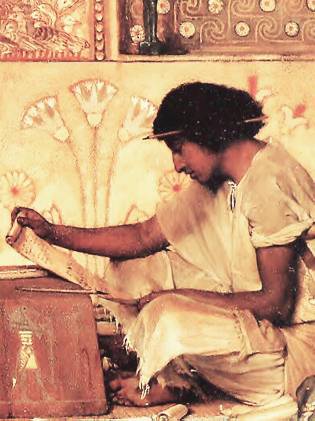
Yosef, Yusuf (in Islam), Zaphnath-Paaneah
Coat of Many Colors, Silver Cup
About Joseph, son of Jacob
Joseph is a pivotal figure in the Hebrew Bible, prominently featured in the Book of Genesis (chapters 37-50). He is revered as a patriarch, a prophet, and the progenitor of the Tribe of Joseph, one of the twelve tribes of Israel. His narrative functions as an explanation for the Israelites' residence in Egypt and their subsequent development into a nation.
Biblical Narrative
Joseph was the first son of Jacob and Rachel, and the eleventh son of Jacob overall. He was his father's favorite, a distinction marked by a special "coat of many colors" given to him. At seventeen, Joseph shared two prophetic dreams with his brothers, foretelling his future dominance over them, which ignited their intense envy and led them to plot against him.
His brothers, except for Reuben, sold Joseph into slavery to Ishmaelite merchants who were traveling to Egypt. In Egypt, Joseph was purchased by Potiphar, captain of Pharaoh's guard, and rose to become the superintendent of his household. However, falsely accused by Potiphar's wife, Joseph was imprisoned.
While in prison, Joseph gained renown for his ability to interpret dreams. He accurately predicted the fates of Pharaoh's chief cup-bearer and chief baker. Two years later, he was summoned to interpret Pharaoh's dreams, which foretold seven years of abundant harvest followed by seven years of severe famine.
Recognizing Joseph's wisdom, Pharaoh appointed him Vizier, second-in-command of Egypt, and gave him the Egyptian name Zaphnath-Paaneah. Joseph married Asenath, daughter of Potipherah, priest of On. During the years of plenty, he meticulously stored grain, preparing Egypt for the impending famine. When the famine struck, people from surrounding nations, including his own family, came to Egypt seeking food. Joseph, in his high office, recognized his brothers but initially did not reveal himself, testing their character and repentance.
Through a series of trials, including the planting of his silver cup in his youngest brother Benjamin's sack, Joseph eventually revealed his identity to his brothers. He expressed forgiveness, stating that God had used their actions for good to save many lives. He then invited his entire family, including his aged father Jacob (also known as Israel), to settle in the fertile region of Goshen in Egypt.
Joseph lived to see his great-grandchildren and was present for his father's final blessings and death. Before he died at the age of 110, he made his family swear to carry his bones out of Egypt when they eventually left. His body was embalmed and placed in a coffin in Egypt, to be carried by Moses during the Exodus and buried at Shechem.
Theological and Cultural Significance
Joseph's story is interpreted in various ways across religious traditions. In Judaism, he is seen as an ancestor of the "Mashiach ben Yosef" (Messiah son of Joseph), who will precede the final Messiah. Christian tradition often views Joseph as a typological precursor to Jesus Christ, highlighting his virtue, suffering, and eventual triumph. In Islam, he is revered as the prophet Yusuf, with his story recounted in the Quran with some variations. His narrative has profoundly influenced literature, art, music, and theater throughout history, underscoring themes of divine providence, forgiveness, and resilience in the face of adversity.
Source: Wikipedia ↗
Frequently Asked Questions
Who was Joseph in the Bible?
Joseph was the eleventh son of Jacob and Rachel, considered Jacob's favorite. His story is central to the Book of Genesis, detailing his betrayal by his brothers, enslavement in Egypt, and eventual rise to power as Vizier.
Why were Joseph's brothers envious of him?
Joseph's brothers were envious because their father, Jacob, showed him favoritism, giving him a special coat of many colors. Joseph also shared dreams that implied his brothers and even his parents would bow down to him, further fueling their jealousy.
How did Joseph become second-in-command in Egypt?
While imprisoned in Egypt, Joseph correctly interpreted the dreams of Pharaoh's chief cup-bearer and chief baker. Later, he was summoned to interpret Pharaoh's own disturbing dreams, which he explained as seven years of plenty followed by seven years of famine, leading to his appointment as Vizier.
What role did Joseph play during the famine?
As Vizier, Joseph oversaw the storage of surplus grain during the seven years of abundance. When the severe famine struck, he distributed the stored food, saving Egypt and preventing widespread death, including that of his own family.
How did Joseph reunite with his family?
When Joseph's brothers came to Egypt to buy grain, they did not recognize him. Joseph, recognizing them, tested them before finally revealing his identity. He then invited his father and entire family to settle in the Land of Goshen in Egypt.
What is the significance of Joseph's bones?
Before his death, Joseph made his family swear to carry his bones out of Egypt when they left. Moses later took Joseph's embalmed body with the Israelites during the Exodus, and his bones were eventually buried at Shechem.
Related Saints
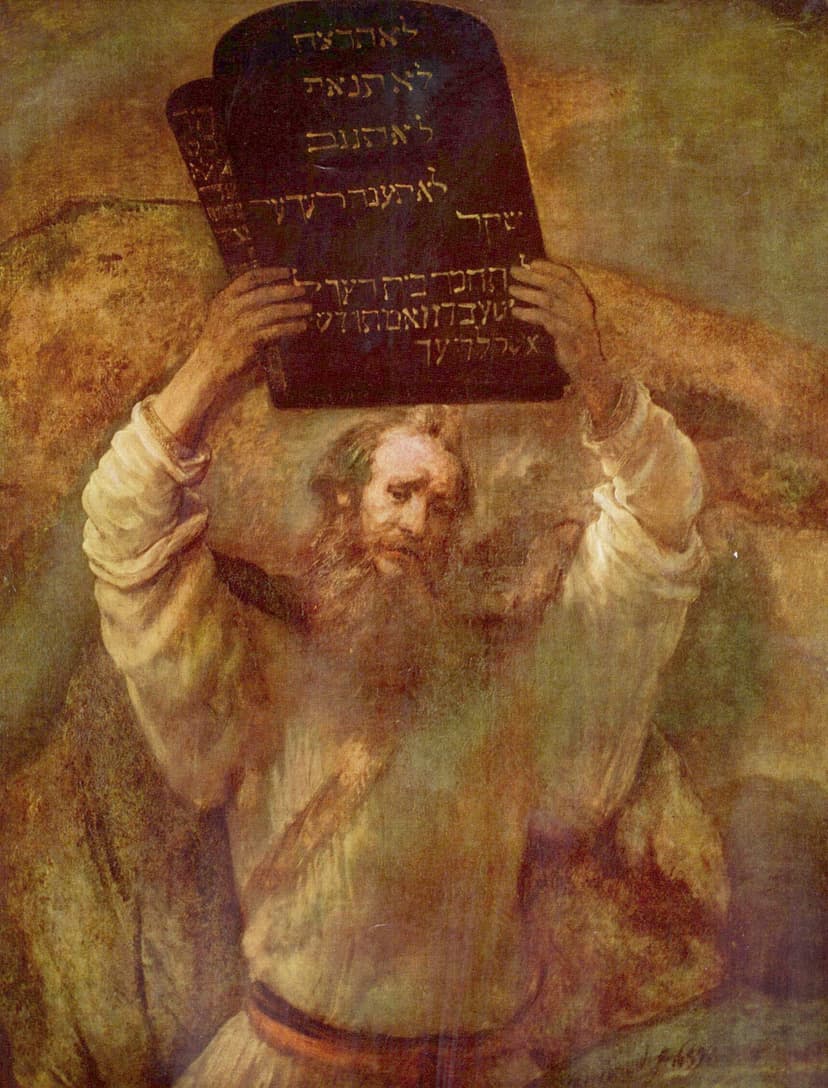
Moses
Moses was a Hebrew prophet central to Abrahamic religions, revered as the most important prophet in Judaism and Samaritanism, and a significant figure in Christianity and Islam. He is credited with leading the Israelites out of slavery in Egypt during the Exodus and receiving the Mosaic Law from God, which formed the basis of the Torah. Moses' life is a foundational narrative of liberation, divine covenant, and the establishment of law.
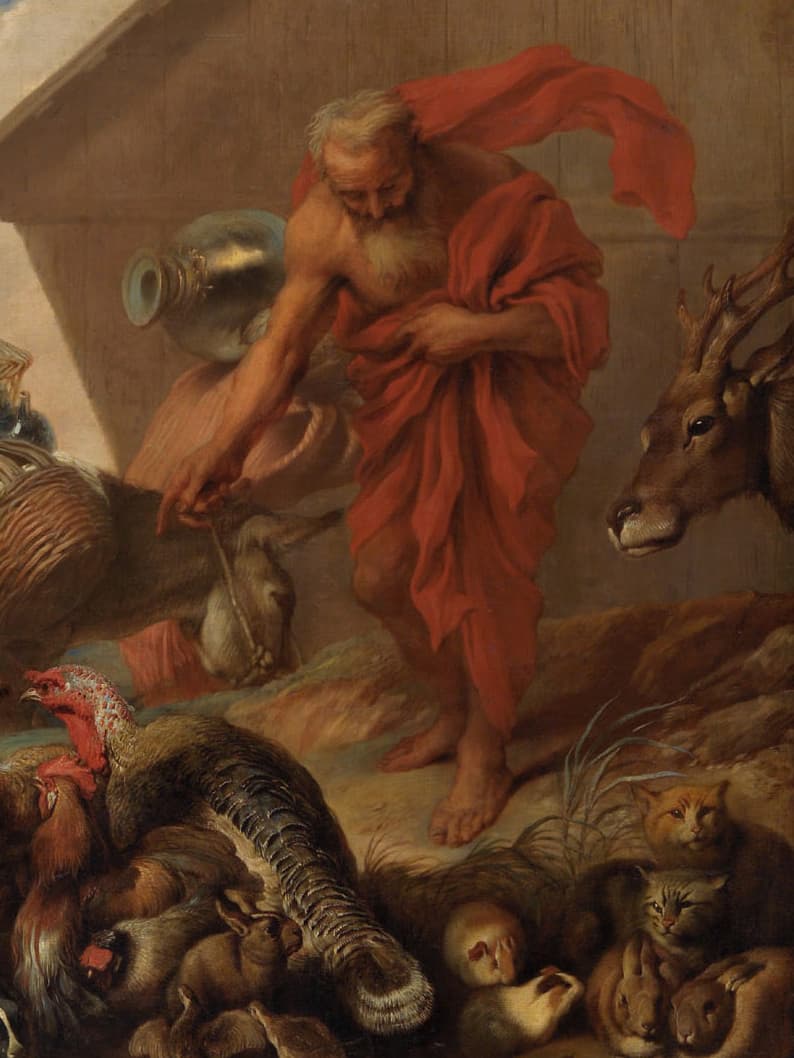
Noah
Noah is a pivotal figure in Abrahamic religions, most famously known for building the Ark to save his family and all land animals from a divine flood. God made a covenant with Noah after the flood, promising never to destroy the earth by water again. He is also remembered as the first cultivator of the vine and a figure associated with the Seven Laws of Noah.
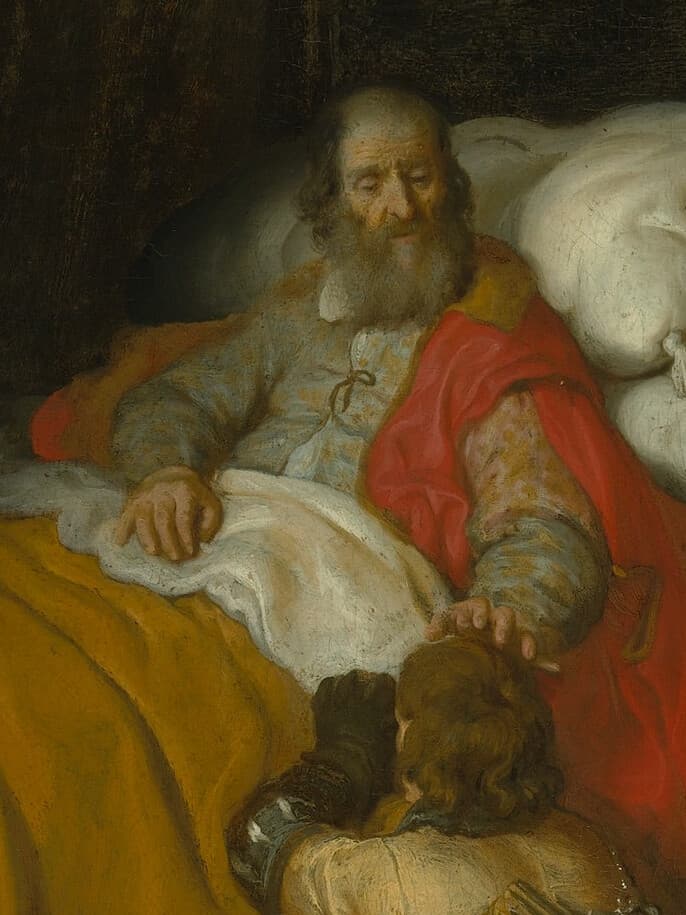
Isaac
Isaac is a central patriarchal figure in Judaism, Christianity, and Islam, revered as the son of Abraham and Sarah and the father of Jacob. He is chiefly remembered for his near-sacrifice by his father, an event seen as a supreme test of faith and a prefiguration of Christ's sacrifice in Christian tradition. Isaac's name, meaning "he will laugh," reflects the disbelief and subsequent joy of his elderly parents upon learning of his promised birth.