
Asenath
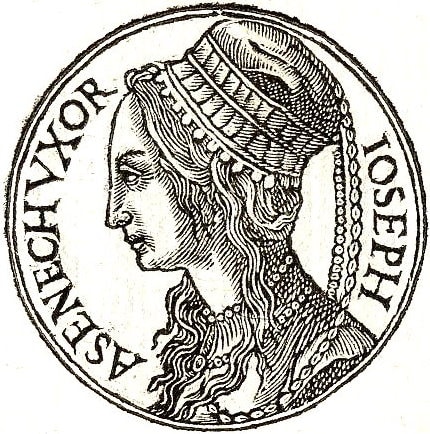
Asenath was a minor but significant figure in the Book of Genesis, an aristocratic Egyptian woman who became the wife of Joseph. She is chiefly remembered as the mother of Manasseh and Ephraim, who became the patriarchs of two of the twelve tribes of Israel. Rabbinic traditions offer differing accounts of her origins, with some portraying her as an Egyptian convert to Judaism and others as a descendant of Jacob through his daughter Dinah.
Key Facts
- ›Asenath was an aristocratic Egyptian woman and the wife of Joseph.
- ›She was the mother of Manasseh and Ephraim, forefathers of two of the twelve tribes of Israel.
- ›Her name is believed to derive from the Ancient Egyptian name meaning "belonging to Neith", an Egyptian goddess.
- ›Biblical accounts identify her father as Potipherah, priest of on (Heliopolis).
- ›Rabbinic traditions debate whether she was an Egyptian convert or the daughter of Dinah and Shechem.
- ›The apocryphal work "Joseph and Aseneth" details her relationship with Joseph.
About Asenath
Asenath is a figure primarily known from the Book of Genesis, where she is identified as an aristocratic Egyptian woman and the wife of Joseph. Her significance in the biblical narrative stems from her role as the mother of Manasseh and Ephraim, who became the progenitors of two of the twelve tribes of Israel. The biblical text states that she was given to Joseph as a wife by Pharaoh and that her father was Potipherah, the priest of On (Heliopolis).
Origins and Traditions
Rabbinic interpretations offer differing perspectives on Asenath's origins. One prominent approach views her as an Egyptian woman who converted to Judaism and embraced the God of Israel before her marriage to Joseph, presenting her as a positive example of conversion and a devout follower. A contrasting tradition suggests that she was not Egyptian by birth but was instead the daughter of Dinah, Jacob's daughter, and Shechem, born from an illicit union. This latter tradition is explored in various Midrashic and apocryphal texts.
The apocryphal work "Joseph and Aseneth," a later text believed to be of Christian origin, further elaborates on her story, detailing her relationship with Joseph and their supposed long reign in Egypt. The name Asenath itself is thought to derive from an Ancient Egyptian phrase meaning "belonging to Neith," an Egyptian goddess, reflecting her initial cultural context.
Source: Wikipedia ↗
Frequently Asked Questions
Who was Asenath in the Bible?
Asenath was an Egyptian woman mentioned in the Book of Genesis. She was the wife of Joseph, the son of Jacob, and the mother of their two sons, Manasseh and Ephraim.
Who were Asenath's parents according to the Bible?
The Book of Genesis identifies Asenath's father as Potipherah, who was the priest of On (Heliopolis).
What is Asenath's significance in Jewish tradition?
Asenath is significant as the mother of Manasseh and Ephraim, who became patriarchs of two of the twelve tribes of Israel. Rabbinic traditions also view her as an important figure, with different schools of thought regarding her background and conversion to Judaism.
What are the different Rabbinic views on Asenath's identity?
One Rabbinic tradition holds that Asenath was an Egyptian woman who converted to Judaism before marrying Joseph, serving as an example of a devout convert. Another tradition suggests she was not Egyptian by descent but was the daughter of Jacob's daughter Dinah and Shechem.
Is there a specific book that details Asenath's life with Joseph?
Yes, an apocryphal work written in Greek, known as "Joseph and Aseneth," provides a detailed account of their relationship, their marriage, and their alleged reign over Egypt.
Related Saints
Phinehas
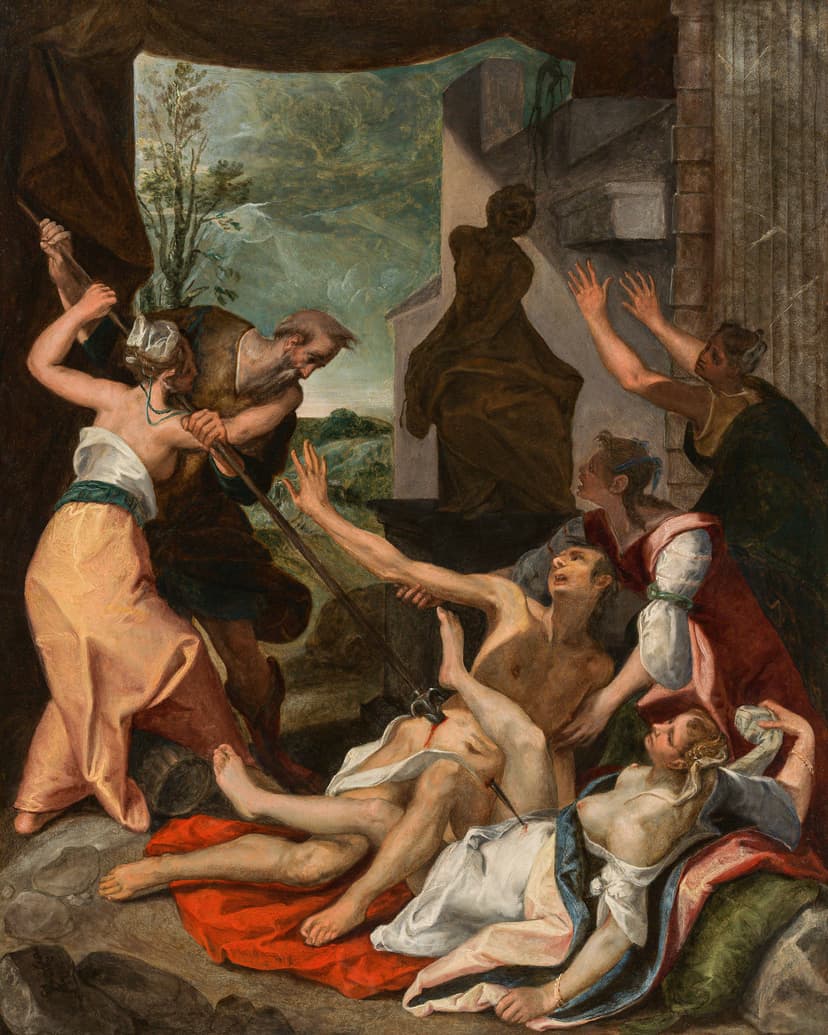
Phinehas was a priest in the Hebrew Bible, grandson of Aaron and son of Eleazar. He is chiefly remembered for his zealous act of executing an Israelite man and a Midianite woman to stop a plague resulting from the Israelites' idolatry and immoral relations with the Midianites. This act earned him divine commendation and a covenant for an everlasting hereditary priesthood.
Eve
Eve is the first woman created by God, according to the Book of Genesis in the Old Testament. Her name is understood to mean "living one" or "source of life." She is chiefly remembered as Adam's wife and the mother of humanity, whose actions in the Garden of Eden led to the expulsion of humankind from paradise.
Rachel
Rachel was a matriarch of the Israelite people in the Hebrew Bible, known as Jacob's favorite wife and the mother of Joseph and Benjamin. She is chiefly remembered for her role in the patriarchal narratives, her infertility, her intense love for Jacob, and her eventual death in childbirth. Her legacy includes her descendants, such as the tribes of Benjamin and Ephraim, and her symbolic representation as a weeping mother interceding for her exiled children.