
Eve
Eve is the first woman created by God, according to the Book of Genesis in the Old Testament. Her name is understood to mean "living one" or "source of life." She is chiefly remembered as Adam's wife and the mother of humanity, whose actions in the Garden of Eden led to the expulsion of humankind from paradise.
Key Facts
- ›Eve is the first woman created by God in the Book of Genesis.
- ›Her name, Ḥawwāh, is believed to mean "living one" or "source of life."
- ›She was created from Adam's rib to be his companion.
- ›Eve ate the forbidden fruit from the tree of knowledge of good and evil and shared it with Adam.
- ›She is the mother of Cain, Abel, and Seth, and through Seth, the ancestress of all humanity.
- ›In Islamic tradition, she is not blamed for enticing Adam, and both are considered responsible for their transgression.
About Eve
Eve is a central figure in the Abrahamic religions, appearing in the Book of Genesis as the first woman created by God. Her narrative is foundational to understanding humanity's origins, its relationship with the divine, and the introduction of sin and mortality into the world.
Etymology and Creation
Eve's Hebrew name, Ḥawwāh, is widely understood to mean "living one" or "source of life," derived from the Semitic root "ḥāyâ" (to live). Comparisons have been drawn to the Hurrian goddess Ḫepat and, through a rabbinic pun, to an Aramaic word for "snake." The Genesis account describes her creation from Adam's rib, a detail that has been interpreted variously as signifying equality, companionship, or a more subordinate role.
The Fall of Man
Eve's most significant role in Genesis is her part in the story of the Garden of Eden. After being warned by God not to eat from the tree of the knowledge of good and evil, Eve was tempted by a serpent. She ate the forbidden fruit and then gave it to Adam, who also ate it. This act of disobedience, known as the "fall of man" or original sin, resulted in their expulsion from the Garden of Eden, bringing sorrow, travail in childbirth, and mortality to humanity.
Motherhood and Descendants
Following their expulsion, Eve became the mother of humanity. Her first sons were Cain and Abel. After Cain murdered Abel, Eve gave birth to Seth, from whom Noah and, by extension, all subsequent human generations are descended. Genesis also notes that Adam fathered other sons and daughters after Seth.
Religious Interpretations and Legacy
Eve's story has been subject to diverse interpretations across Judaism, Christianity, and Islam. In some Jewish traditions, she is portrayed negatively, blamed for quarrels and transgressions. Christian theology has debated her level of culpability, with some early Church Fathers emphasizing her role in bringing sin into the world, while others, notably Augustine, shifted primary responsibility to Adam. Islamic tradition generally views both Adam and Eve as equally responsible for their transgression. Eve is often seen in Christian art as a temptress and is sometimes prefigured as the "Second Eve" in relation to the Virgin Mary. Her narrative continues to be a touchstone for discussions on gender roles, free will, and the human condition.
Source: Wikipedia ↗
Frequently Asked Questions
What does Eve's name mean?
Eve's Hebrew name, Ḥawwāh, is most commonly believed to mean "living one" or "source of life." This meaning is derived from the Semitic root "ḥāyâ," which means "to live."
How was Eve created?
According to the second chapter of Genesis, God created Eve by taking a rib from Adam and fashioning her from it to be his companion. This has led to interpretations emphasizing the equal dignity of man and woman.
What was Eve's role in the Garden of Eden story?
Eve was present when the serpent tempted her to eat the forbidden fruit from the tree of knowledge. She ate the fruit and shared it with Adam, an act that led to their expulsion from the Garden of Eden.
Who were Eve's children?
Eve and Adam had two sons, Cain and Abel. After Abel's death, Eve gave birth to Seth, from whom Noah and all of modern humanity are descended.
How is Eve viewed in different religious traditions?
In Judaism, interpretations of Eve's creation and actions vary, with some traditions viewing her negatively and others emphasizing equality. In Christianity, some early Church Fathers blamed Eve for the fall of man, while others, like Augustine, placed more responsibility on Adam. In Islam, Eve is not blamed for enticing Adam; both are seen as equally responsible for their transgression.
Related Saints
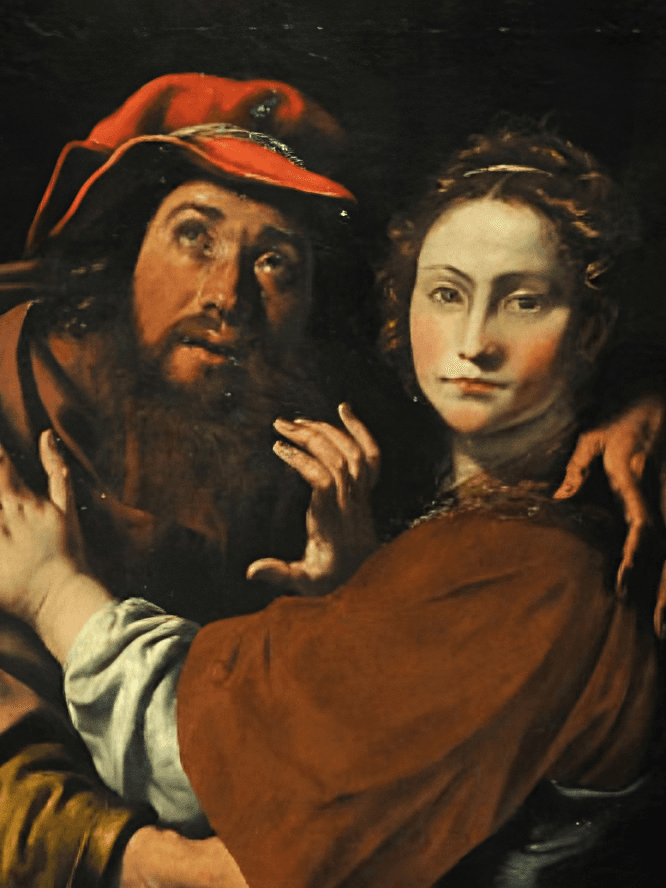
Rachel
Rachel was a matriarch of the Israelite people in the Hebrew Bible, known as Jacob's favorite wife and the mother of Joseph and Benjamin. She is chiefly remembered for her role in the patriarchal narratives, her infertility, her intense love for Jacob, and her eventual death in childbirth. Her legacy includes her descendants, such as the tribes of Benjamin and Ephraim, and her symbolic representation as a weeping mother interceding for her exiled children.
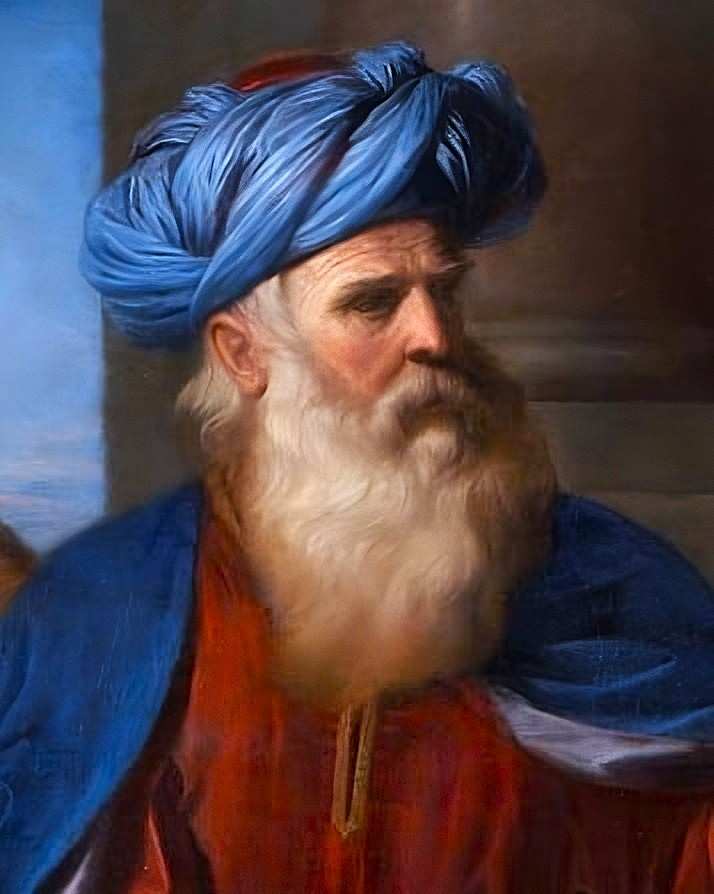
Abraham
Abraham is a foundational patriarch in Judaism, Christianity, and Islam, revered as the ancestor of the Jewish and Arab peoples. His story, primarily found in the Book of Genesis, emphasizes God's promises of progeny and land, and his unwavering faith and obedience to divine commands. He is remembered for his covenant with God, his role in establishing the lineage of Isaac and Ishmael, and his willingness to sacrifice his son Isaac, an act that solidified his status as a model of faith.
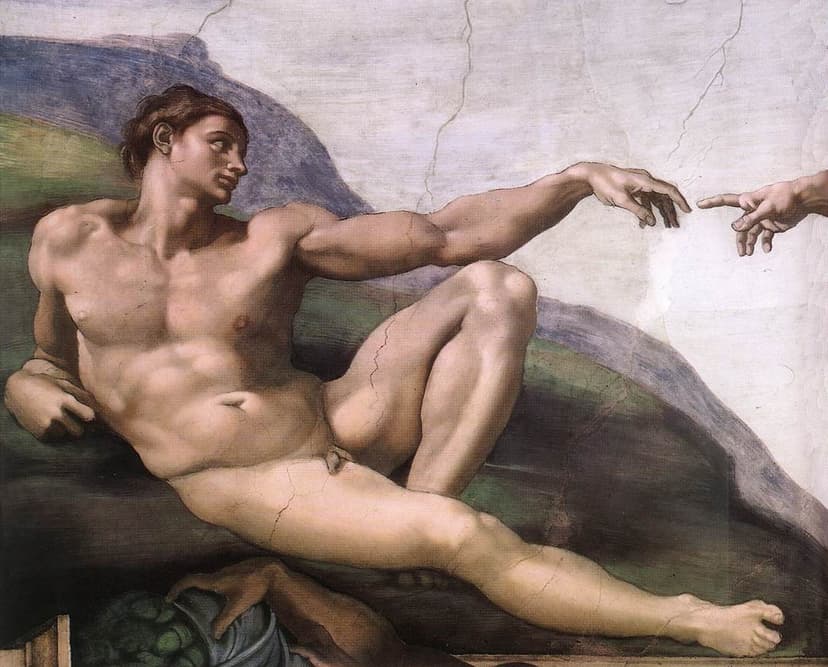
Adam
Adam is the first human being, created by God according to the Book of Genesis and revered in Judaism, Christianity, Islam, and other belief systems. He is remembered for his creation from dust, his sin in the Garden of Eden by eating forbidden fruit, and his subsequent expulsion, which introduced death and sin into the world. His story serves as a foundational narrative for understanding humanity's relationship with God, the origins of sin, and the concept of redemption.